
I remember my first yoga studio visit. I was nervous with sweaty palms and a racing heart. The Sanskrit words and poses I’d seen online made me want to leave.
This guide for yoga for beginners will turn your anxiety into excitement. I wish someone had given me a guide when I started. Every question and worry I had, you might have too.
Yoga is great for your health, mind, and emotions. It connects your mind, body, and spirit in amazing ways. If you want stress relief, flexibility, or peace, yoga for beginners is a great start.
Key Takeaways
- Your first yoga class will feel more comfortable with proper preparation and realistic expectations
- Yoga studios welcome newcomers and provide modifications for all fitness levels
- Essential equipment includes a yoga mat, comfortable clothing, and water bottle
- Common beginner poses focus on basic alignment and breathing techniques
- Mental preparation is just as important as physical readiness for your yoga journey
- Every experienced yogi was once a complete novice, so embrace the learning process
🧘♀️ Understanding What Yoga Really Is for Complete Beginners
Yoga is more than just poses. It’s a way to connect your mind, body, and spirit through movement and breath. This ancient practice goes beyond what you see on social media. It’s a journey that touches every part of your well-being.
The word “yoga” means “union” or “to yoke together” in Sanskrit. It’s about finding harmony between your thoughts, emotions, and body. Many beginners find yoga to be a moving meditation that helps them find balance in their lives.
The Philosophy Behind Yoga Practice
Yoga has a rich philosophy. It started over 5,000 years ago in ancient India. It’s a system for personal growth and spiritual development. Yoga teaches us to observe our thoughts and find inner peace.
At its core, yoga connects breath and movement. This mindful approach helps you become more self-aware and emotionally regulated. Even beginners notice improved focus and less stress after a few classes.
The eight limbs of yoga, or Ashtanga, offer a complete framework for living. These include ethical guidelines, postures, breathing techniques, and meditation. You don’t need to learn all of this at once. Your understanding will grow as you practice more.
Different Types of Yoga Styles You’ll Encounter
Knowing about different yoga styles helps you find the right class. Each style has its own benefits and approaches. Let me guide you through the most popular yoga for beginners options.
Hatha yoga is perfect for beginners. It focuses on basic postures held for several breaths. The slow pace helps you learn proper alignment and build confidence. Most Hatha classes include breathing exercises and relaxation techniques.
Vinyasa yoga offers a more dynamic experience. It involves flowing sequences that move with your breath. While slightly more challenging, beginner-friendly Vinyasa classes provide excellent instruction and modifications.
Restorative yoga emphasizes deep relaxation and stress relief. This style uses props to support your body in comfortable positions. Sessions include longer holds and guided meditation, making it ideal for recovery and stress management.
Each style offers something valuable to your yoga journey. I recommend trying different approaches to find what suits your goals and preferences. Remember, there’s no “wrong” choice when you’re starting.
🎒 Essential Items to Bring to Your First Yoga Class
Getting ready for your first yoga class is key. Knowing you have everything you need boosts your confidence. I’ll show you the must-haves for a great yoga for beginners experience.
Most studios have basic gear, but bringing your own is better. It ensures comfort and keeps things clean.
Must-Have Yoga Equipment for Beginners
A good yoga mat is essential. Look for one that’s 6mm thick for support and stability. It should also have a good grip.
Don’t forget your water bottle. Staying hydrated keeps you focused and energized. Choose a bottle with a sports cap for easy drinking.
Yoga props are also important. Blocks help with forward bends and reaching the floor. Straps are great for stretching and binding poses.
“The right equipment doesn’t make you a better yogi, but it makes the journey more comfortable and accessible.”
Many studios rent mats for $2-5 per class and offer props for free. But, having your own mat ensures hygiene and grip.
| Item | Essential Level | Typical Cost | Studio Provides |
|---|---|---|---|
| Yoga Mat | Must-Have | $20-60 | Yes (rental) |
| Water Bottle | Must-Have | $10-25 | No |
| Yoga Blocks | Helpful | $15-30 | Yes |
| Yoga Strap | Optional | $8-20 | Yes |
What to Wear for Maximum Comfort
Wear clothes that are comfy and let you move freely. Avoid loose clothes that might get in the way.
Choose moisture-wicking fabrics to stay dry. Cotton blends or synthetic materials are best. Avoid 100% cotton as it gets heavy when wet.
Layer up for temperature changes. Start with a light top and add a sweater or hoodie for the cool-down.
Leave your shoes and socks behind. Practicing barefoot improves balance and grip on the mat.
These yoga basics will prepare you for any class. Remember, comfort is more important than style in yoga. Focus on enjoying and learning, not adjusting your clothes.
⏰ Arriving Early: Setting Yourself Up for Success
Starting your yoga practice right begins with those early minutes before class starts. Arrive 10 minutes early for your first session. This time helps you relax and get used to the studio.
As you enter the studio, you’ll feel a calm vibe. The soft lights and gentle music calm your mind. Take a deep breath and let the peaceful energy envelop you.
Finding a good spot on the floor is key. Choose a place where you feel at ease and can see the teacher. Beginners often prefer spots at the back, but don’t stress about it.
Essential Studio Guidelines
Knowing the basics of yoga includes following studio rules. These rules keep the peaceful atmosphere that makes yoga special. Each studio might have its own rules, but they’re all about respect.
Here’s what I’ve learned about being respectful in the studio. Take off your shoes before practicing. Turn off your phone or put it on airplane mode. Come quietly and avoid loud talks that might disturb others.
| Studio Etiquette | What to Do | What to Avoid |
|---|---|---|
| Phone Usage | Turn off completely or use airplane mode | Leaving notifications on or taking calls |
| Personal Space | Leave arm’s length between mats | Placing mat too close to others |
| Arrival Time | Arrive 5-10 minutes early | Rushing in after class starts |
| Conversation | Speak quietly and briefly | Having loud discussions during practice |
Building Connection with Your Teacher
Introducing yourself to the instructor is important. Say hello and mention it’s your first class. This helps your teacher know you’re new.
Tell your teacher about any health issues or injuries. They can help with poses. It’s okay to share this information – teachers value honesty.
Don’t hesitate to ask questions. Teachers love helping new students. They might explain breathing or show you how to use props.
Your teacher is there to support you. They want you to feel safe and confident. This open communication makes your yoga experience positive and keeps you coming back.
🌟 Your Complete Beginner Guide to Yoga Class Structure
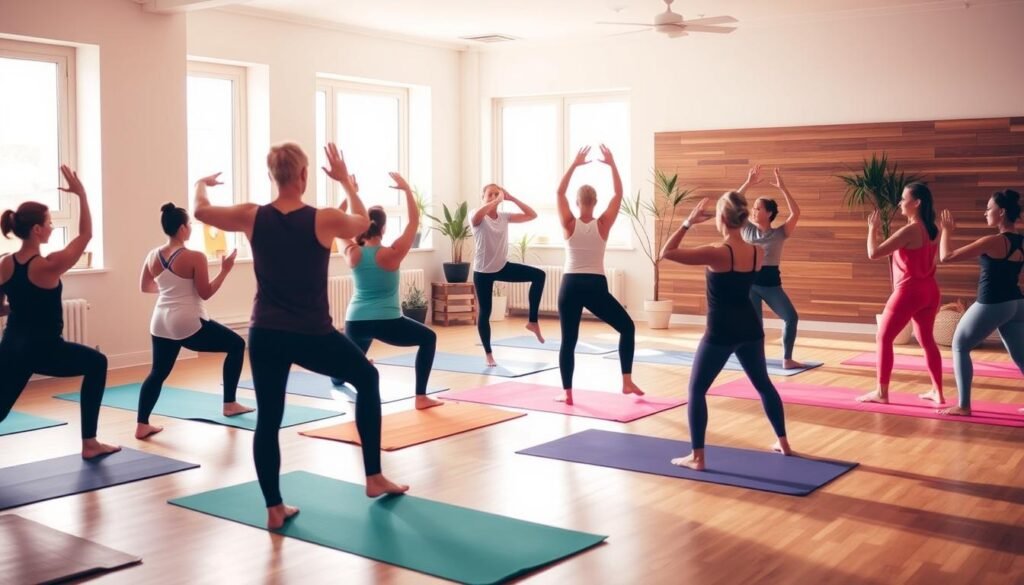
Every yoga class has a predictable flow. This creates a safe space for beginners to explore. The structured approach helps new students know what to expect. Classes last 60 to 90 minutes and follow a three-part format.
This beginner guide to yoga class structure removes intimidation. Each phase prepares your body and mind for deeper practice. This format is your roadmap to a successful yoga journey.
Warm-Up and Centering Phase
The opening phase lasts 10 to 15 minutes. It helps you transition from your busy day into practice mode. Your instructor will guide you through gentle movements and breathing exercises.
These simple yoga routines prepare your body for more challenging poses. During this time, you’ll learn to connect with your breath and set an intention for your practice. Many instructors start with a brief meditation or breathing exercise.
Don’t worry if your mind feels scattered at first. The warm-up phase is designed to help you gradually shift your focus inward. Even experienced practitioners use this time to reconnect with their practice after a hectic day.
Main Practice Sequence
The heart of your class involves learning foundational poses. This section lasts 30 to 45 minutes and introduces you to various pose categories. Your instructor will demonstrate each pose and offer modifications for different skill levels.
These beginner-friendly yoga flows connect individual poses through coordinated breathing. You’ll practice standing poses for strength, seated poses for flexibility, and gentle backbends or twists. The sequence gradually builds in intensity before beginning to wind down.
Remember that every student in class was once a beginner. Focus on your own practice. Your instructor will provide hands-on adjustments and verbal cues to help you find proper alignment in each pose.
Cool-Down and Relaxation
The final 10 to 15 minutes allow your body to integrate the benefits of your practice. This phase includes gentle stretches, restorative poses, and deep relaxation. Most classes end with savasana, also known as corpse pose, where you lie completely relaxed.
During this time, your heart rate returns to normal and your nervous system shifts into rest mode. Many students find this the most challenging part because our minds aren’t used to complete silence. These beginner-friendly yoga flows conclude with this essential integration period.
The relaxation phase is just as important as the active poses. It allows your body to absorb the physical benefits while giving your mind space to process the practice. Don’t skip this part, even if you feel restless at first.
🤸♀️ Foundational Yoga Poses Every Beginner Will Learn
Your first yoga class will introduce you to essential poses. These poses are the building blocks of your practice. You might see many poses linked together in a flow. It’s okay if you can’t keep up perfectly; the goal is to move at your own pace.
These foundational yoga poses introduce you to proper alignment, breathing, and body awareness. Listen to your body and take breaks when needed. Every experienced yogi started exactly where you are now, learning these same fundamental movements.
The beauty of yoga basics lies in their adaptability. Each pose can be modified to meet your current ability level. Your instructor will offer variations and use props to help you find the right expression of each posture.
Standing Poses for Building Strength
Standing poses form the foundation of most yoga practices. They help you develop strength, stability, and proper alignment from the ground up.
Mountain Pose (Tadasana) might look simple, but it’s actually quite complex. You’ll learn to stand tall with your feet hip-width apart, engaging your leg muscles while keeping your spine straight. This pose teaches you how to find your center and breathe deeply.
Warrior I (Virabhadrasana I) builds leg strength and opens your hip flexors. You’ll step one foot back, bend your front knee, and reach your arms overhead. This powerful pose helps you feel grounded and confident.
Forward Fold (Uttanasana) stretches your hamstrings and calves while calming your nervous system. Don’t worry about touching your toes – bend your knees as much as needed. The goal is to release tension, not achieve a perfect shape.
Seated Poses for Flexibility
Seated poses allow you to focus on flexibility and breathing without worrying about balance. These positions help you understand proper spinal alignment while sitting.
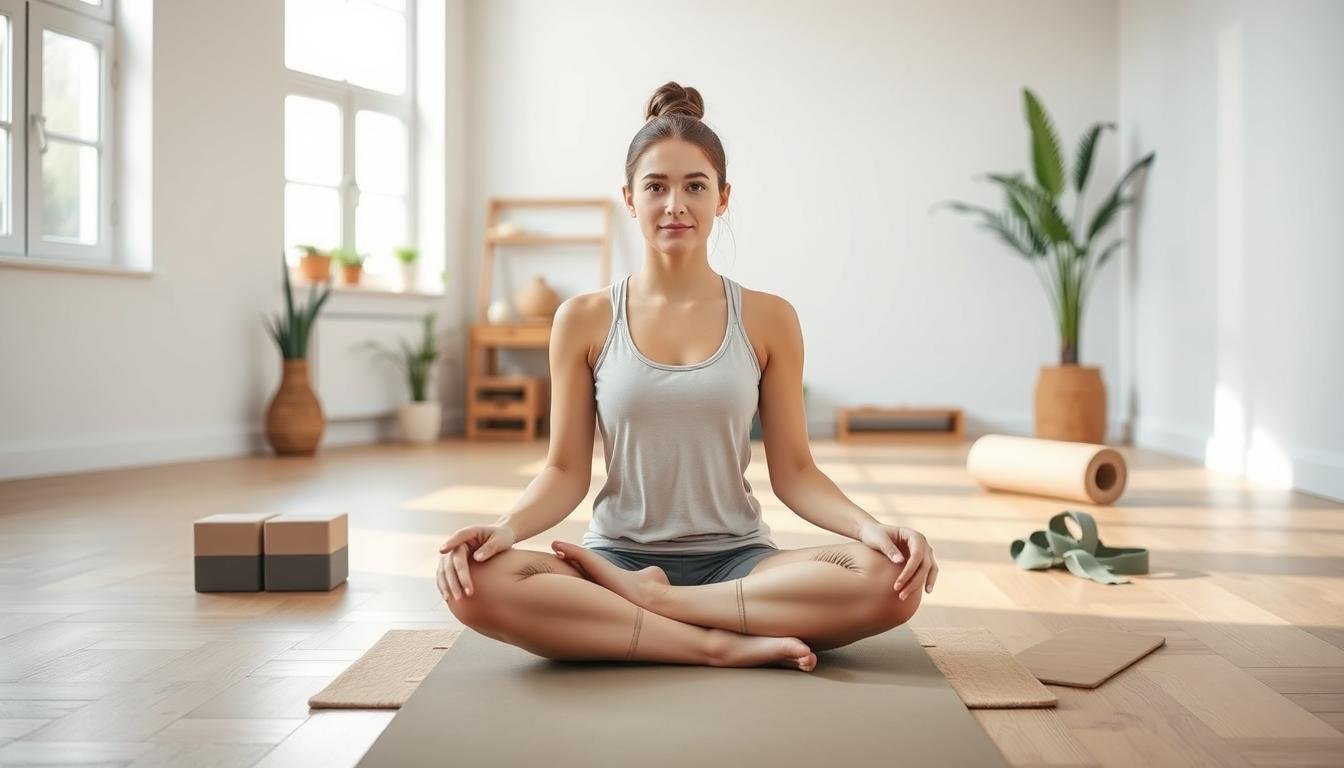
Easy Pose (Sukhasana) is your go-to seated position for meditation and breathing exercises. Sit cross-legged with your hands on your knees. If your hips feel tight, sit on a blanket or bolster for comfort.
Seated Forward Fold teaches you to hinge at your hips instead of rounding your back. Reach forward only as far as feels comfortable. This yoga for beginners approach prevents injury and builds flexibility gradually.
Simple seated twists help improve spinal mobility and aid digestion. Place one hand behind you and gently rotate your torso. These poses feel wonderful after a long day of sitting.
Basic Balancing Poses
Balancing poses challenge your focus and core strength while building confidence. Don’t be discouraged if you wobble – that’s completely normal and part of the learning process.
Tree Pose (Vrksasana) is often the first balancing pose beginners learn. Stand on one foot and place the other foot on your inner thigh or calf (never on the side of your knee). Use a wall for support if needed.
The key to successful balancing is finding a focal point (drishti) and breathing steadily. Your instructor will remind you that falling out of a pose is part of the practice, not a failure.
Remember that these foundational yoga poses will appear in classes throughout your yoga journey. Each time you practice them, you’ll discover something new about your body and breath. The poses that feel challenging today will become your trusted friends with consistent practice.
💨 Breathing Techniques That Transform Your Practice
In yoga for beginners, learning to breathe deeply changes simple stretches into a deep experience. Your breath connects your body and mind, making yoga more than just exercise. It grounds you and enriches your practice in many ways.
When I first learned about breathing in yoga, I saw it wasn’t just for oxygen. It became my anchor in tough poses and my guide in flows. If your mind wanders, focus on your breath. This simple act is the base of yoga.
The Foundation of Breath Control
Pranayama, or “extension of life force,” is at the heart of yoga. For beginners, it might seem complex, but it starts with simple techniques. The three-part breath, or dirga pranayama, teaches you to breathe fully.
Start by placing one hand on your chest and another on your belly. As you inhale slowly, feel your belly rise first, then your ribs, and chest. This complete breathing pattern calms and focuses you, making yoga transformative.
Ujjayi breathing, or “ocean breath,” adds depth to your practice. By slightly constricting your throat, you create a soft sound that helps you stay focused. This is very helpful in poses that challenge your balance or strength.
Moving with Your Breath
The magic of beginner-friendly yoga flows is in moving with your breath. Each inhale and exhale guides your transitions, making yoga a moving meditation. When you lift your arms, inhale. When you fold forward, exhale.
This coordination might feel awkward at first, but it becomes natural with practice. Think of your breath as the conductor of your personal orchestra. Your movements follow the rhythm of your breathing, not the other way around.
In tough poses, your breath is your most reliable teacher. If you find yourself holding your breath or breathing rapidly, it’s a sign to ease back or modify. Maintaining steady, deep breaths shows you’re working within your limits.
These yoga basics of breath awareness will help you throughout your practice journey. Remember, there’s no perfect way to breathe—only the way that keeps you present, grounded, and connected to yoga’s transformative power.
😰 Common First-Class Concerns and How to Handle Them
Starting yoga for the first time can be nerve-wracking. It’s normal to have many questions and worries. But, the yoga community is very welcoming and supportive.
Remember, everyone in that room was once a beginner too. Your instructor and fellow students get what you’re going through. They’re there to support you, not judge you.
“Yoga is not about being perfect. It’s about being present and honoring where you are in this moment.”
Dealing with Physical Limitations
Many worry they’re not flexible or strong enough for yoga. But, yoga meets you where you are physically. It’s not about being perfect.
If you have injuries or chronic pain, tell your instructor before class. They can adjust poses for you. No pose can’t be adapted to fit your body.
Using props like blocks or straps is okay. They help you practice safely and effectively. Even advanced practitioners use them.
Managing Performance Anxiety
Feeling self-conscious in your first class is common. You might worry about looking awkward or not knowing what to do. But, nobody is watching or judging your practice.
Most students are focused on their own experience. Your instructor is there to guide, not critique. Focus on your breath and how your body feels.
If you feel overwhelmed, it’s okay to rest in child’s pose. This beginner’s guide to yoga says taking breaks shows wisdom, not weakness.
When to Rest and When to Push
Learning to know when to push and when to rest takes time. Your body will give you signals. Sharp pain always means stop immediately.
Muscle fatigue and gentle stretching are normal. These signs mean your body is working and adapting. But, any sharp pain means you need to back off or rest.
When in doubt, choose the gentler option. Building strength and flexibility takes time. Pushing too hard too soon can lead to injury and discouragement.
Trust that your starting yoga practice will evolve naturally. Each class will feel a little easier as your body adapts and your confidence grows.
💪 Immediate and Long-Term Benefits You’ll Experience
Your yoga journey will unlock amazing benefits that go beyond the mat. You’ll see positive changes in your body and mind quickly. Even after your first class, many beginners feel more relaxed and centered than they have in months.
The yoga benefits for newcomers start right away and grow over time. Some changes happen fast, while others take time as you practice more. Knowing what to expect helps you stay motivated during the early weeks.
Physical Health Improvements
Practicing foundational yoga poses can surprise beginners with how fast and wide the changes are. In just two weeks, you’ll likely see your hamstrings, shoulders, and spine get more flexible. Simple poses like Downward Dog and Child’s Pose help stretch tight muscles from sitting too much.
Your strength will grow in unexpected ways. Unlike lifting weights, yoga builds strength for everyday activities. You’ll stand taller as your core gets stronger and your posture improves.
Balance and coordination improve quickly through yoga. Many students notice better balance in just a month. This improvement helps you avoid falls and boosts your confidence in physical activities.
“Yoga is not about touching your toes. It is about what you learn on the way down.”
Sleep quality often gets better in the first few weeks. The mix of physical activity and relaxation helps regulate your sleep. Many beginners sleep faster and wake up feeling refreshed.
Mental and Emotional Wellness Benefits
The mental benefits of yoga often surprise newcomers more than the physical ones. This beginner guide to yoga highlights how stress levels drop after just one class. The focused breathing and mindful movement bring an immediate calm that lasts for hours.
Anxiety management gets easier as you learn to control your breath and stay present. The skills you learn in class help you handle stress in daily life. Within a month, many students feel better equipped to deal with work and personal challenges.
Mental clarity and focus improve as you learn to concentrate on the present. This helps you make better decisions and feel more grounded. The meditation in yoga trains your brain to be less reactive and more thoughtful.
Emotional balance develops gradually but consistently. Regular practice helps you process emotions better and respond wisely to situations. You’ll likely feel more patient, compassionate, and resilient as your practice deepens.
🏠 Building Your Home Practice After Your First Class
After your first yoga class, it’s time to start a home practice. The excitement from your first class is a great start. It helps you create simple yoga routines that fit your life.
Try light stretching or meditation after class. It helps your body adjust to new movements and breathing. Plan your next class when you’re feeling motivated. This helps you keep a regular practice schedule.
Yoga is more than just physical poses. It’s a journey to balance and peace. A home practice lets you explore at your own pace, keeping the momentum from your studio class.
Creating a Simple Daily Routine
Creating simple yoga routines doesn’t need to be hard. Start with 10-15 minutes a day. This makes your practice feel easy and doable.
Begin with three deep breaths to center yourself. Then, do gentle neck rolls and shoulder shrugs. These movements prepare your body for practice.
Your routine should have three main parts. Start with standing poses like Mountain Pose and Forward Fold. Add a seated pose, like Easy Pose with twists. End with relaxation in Child’s Pose or lying flat.
“The success of yoga doesn’t come from perfect poses. It’s about showing up on your mat every day.”
Keep track of your practice in a journal or calendar. Note how you feel before and after. This helps you know which poses work best for you.
| Time of Day | Routine Focus | Duration | Key Benefits |
|---|---|---|---|
| Morning | Energizing poses | 10-15 minutes | Increased alertness and flexibility |
| Afternoon | Stress relief | 5-10 minutes | Mental clarity and tension release |
| Evening | Gentle stretches | 15-20 minutes | Better sleep and relaxation |
Online Resources and Apps for Beginners
Technology is great for your starting yoga practice at home. Online resources help you practice on your own. They offer tips on proper form and progression.
YouTube channels like Yoga with Adriene and DoYogaWithMe have free, high-quality classes. They have playlists for beginners that follow studio class structures. The instructors give clear cues and modifications.
Apps like Down Dog Yoga and Daily Yoga create personalized practices. They adjust the difficulty and duration based on your level. They’re great for keeping up with practice when you can’t go to the studio.
Online services like Alo Moves and Glo.com offer professional instruction. They have structured programs that guide your growth. Many offer free trials to try their simple yoga routines.
Choose resources that focus on proper alignment and safety. Look for instructors who offer modifications and encourage listening to your body. Good instruction is key, whether in a studio or at home.
When to Return to Studio Classes
It’s best to balance home practice with studio classes. Studio classes offer professional guidance and community support. Start by going to the studio at least once or twice a week.
Schedule your next studio class within a week of your first. This keeps your momentum and reinforces what you’ve learned. Regular studio visits prevent bad habits in solo practice.
Use studio classes to learn new poses and sequences. Pay attention to the instructor’s cues and adjustments. These insights improve your starting yoga practice and home sessions.
Try different class styles as you progress. Gentle or restorative classes complement active home practices. This variety keeps your practice interesting and addresses different aspects of your well-being.
Studio classes also let you ask questions and get personalized advice. Don’t be shy to ask instructors for help with your home practice. Most are happy to suggest modifications or simple yoga routines for your needs.
For more wellness tips and yoga resources, check out www.healthyvibeslife.com. The site has articles on meditation, holistic health, and lifestyle tips that support your yoga journey.
Consider subscribing to their newsletter for health and wellness tips. You’ll get updates on yoga retreats, meditation techniques, and more to support your growing practice.
🎯 Conclusion
I hope this beginner’s guide to yoga has given you the confidence to step onto your mat. Starting yoga practice might feel overwhelming at first. But remember, every expert was once exactly where you are now.
The yoga benefits for newcomers extend far beyond physical flexibility. You’ll discover improved strength, better sleep, reduced stress, and a deeper connection with yourself. Each class brings new insights and growth opportunities.
Be patient with yourself as you learn. Yoga is not about perfect poses or competing with others. It’s about showing up, breathing deeply, and honoring your body’s needs. Some days will feel easier than others, and that’s perfectly normal.
Your practice will evolve as you do. What matters most is taking that first step and staying curious about the journey ahead.
Ready to explore more wellness content? Visit www.healthyvibeslife.com for articles on meditation, nutrition, and holistic health practices that complement your yoga journey. Subscribe to our newsletter for exclusive wellness tips, retreat recommendations, and ongoing support for your practice.
Take a deep breath, roll out your mat, and embrace this beautiful journey of self-discovery. Your body and mind will thank you for it. 🧘♀️