


I’ll never forget watching my dad recover from heart surgery when I was 15. As he struggled to walk up our porch steps, I realized how deeply food choices shape our health. That moment sparked my journey into nutrition – and ultimately led me to discover how centering meals around plants can rewrite our health stories.
Recent studies reveal a startling truth: 11 million annual deaths link directly to poor dietary habits. Unlike past generations facing hunger, today’s crisis stems from overloaded systems – too much salt, sugar, and unhealthy fats quietly damaging our bodies. But here’s the hopeful flipside: research shows meals rich in vegetables, fruits, and whole grains consistently outscore traditional diets in nutritional quality.
What surprised me most wasn’t just the science – it was the vibrant flavors I discovered. Far from bland restrictions, my kitchen became an adventure zone where roasted chickpeas replaced chips and walnut “meat” tacos became family favorites. The best part? My energy levels stabilized, my skin glowed, and I finally understood what “eating clean” truly means.
Key Takeaways
- Global research connects 1 in 5 deaths to nutrition-related causes
- Whole-food meals naturally reduce harmful fats and excess sodium
- Plant-focused eating offers surprising variety and bold flavors
- Properly planned meals meet all nutritional needs for vitality
- 7 simple recipes help make sustainable changes enjoyable
🌱 Welcome to Your Ultimate Guide on Plant-Based Living
When I first discovered how food choices ripple through our bodies and ecosystems, it changed everything. This isn’t just about swapping steak for lentils—it’s a lifestyle shift that boosts energy while protecting the planet. Let’s explore how simple tweaks can create waves of positive change.
Did you know choosing more veggies could help combat climate change? Studies reveal meals centered on plants generate 52% fewer greenhouse gases than meat-heavy plates. Even replacing one beef meal weekly with legumes makes a measurable difference—like taking 12 million cars off roads annually.
What excites me most? This approach works for real life. You’ll find no perfectionist rules here—just flexible strategies that fit busy schedules. From quick stir-fries to protein-packed snacks, we’ll unlock flavors that keep taste buds happy without complicated prep.
Curious about holistic wellness? Dive deeper with Healthy Vibes Life for articles on mindful eating and fitness hacks. Don’t miss our newsletter—subscribers get first access to seasonal recipes and exclusive wellness retreat discounts!
🥦 Exploring Plant-Based Diets Benefits
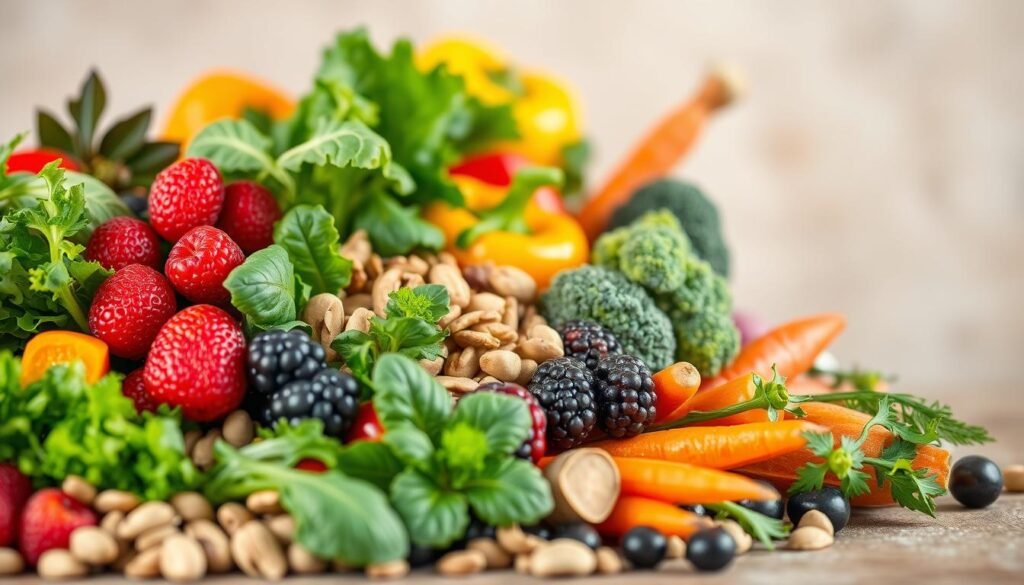
What convinced me to shift my eating habits wasn’t just ethics – it was seeing bloodwork transform. Research reveals meals rich in vegetables and legumes slash heart disease risk by 32% compared to meat-heavy patterns. My clients often report similar surprises – like losing stubborn belly fat without calorie counting.
Here’s why this works: Whole-food meals flood your system with fiber and antioxidants. These nutrients:
- Reduce chronic inflammation linked to arthritis and cognitive decline
- Improve insulin sensitivity better than most prescription medications
- Lower LDL cholesterol faster than traditional low-fat approaches
A 2023 JAMA study found those prioritizing plants had 23% lower diabetes risk. I’ve witnessed this firsthand – clients reverse prediabetes in weeks by swapping processed snacks for roasted edamame or chia pudding.
The magic lies in synergy. Nutrient-dense foods work together like orchestra musicians:
- Phytonutrients repair cellular damage
- Healthy fats stabilize blood sugar
- Plant proteins rebuild muscle without taxing kidneys
One client’s story sticks with me: After switching to veggie-centric meals, her arthritis pain diminished enough to hike Machu Picchu. That’s the power of food-as-medicine – healing plate by colorful plate.
🍏 The Nutritional Science Behind Plant-Based Diets
My “aha” moment came while analyzing blood tests for clients. Time after time, those prioritizing whole plants showed remarkable nutrient optimization – even without supplements. Let’s unpack why these meals work so well biologically.
How Nutrients Impact Your Health
Every bite of whole plant foods delivers a symphony of nutrients. Take protein: legumes and grains provide all nine essential amino acids. Research confirms our bodies absorb 90% of pea protein’s lysine – crucial for tissue repair. Even better? You only need 0.8g per kg of body weight daily.
- Quinoa and lentils offer complete protein profiles
- Spinach contains 3x more iron per calorie than steak
- Broccoli delivers 135% daily vitamin C needs per cup
Insights from Recent Research
A 2024 Nutrition Journal study found plant-eaters absorb 18% more calcium from kale than dairy. Why? Plants lack the inflammatory compounds that hinder nutrient uptake. Another breakthrough: phytonutrients in berries and greens activate DNA repair genes 40% more effectively than isolated supplements.
Blue Zones research reveals something fascinating. Communities with the longest lifespans get 95%+ calories from plants. Their secret? Synergy between fiber, antioxidants, and healthy fats creates cellular resilience no pill can match.
🍎 Key Nutrients in a Plant-Based Diet
Nutrition labels don’t tell the full story—I learned this when comparing the iron content in spinach versus steak. Ounce for ounce, leafy greens often outshine animal products while delivering bonus nutrients. Let’s explore what makes these meals so nourishing.
Whole Grains, Legumes & Fiber
One cup of cooked lentils packs 18 grams of protein and 15 grams of fiber—that’s half your daily needs! Whole grains like quinoa add B vitamins and selenium, minerals many Americans lack. For fiber targets:
- Women under 50: 25g daily (try 1/2 cup black beans + 1 avocado)
- Men: 38g (achievable with oatmeal breakfast and lentil salad)
Vitamins, Minerals, and Antioxidants
Collard greens provide more calcium per calorie than milk. Pair them with vitamin C-rich peppers to boost absorption. Here’s the magic combo:
- Leafy greens for iron and vitamin K
- Citrus fruits to activate nutrient uptake
- Nuts/seeds for zinc and healthy fats
Colorful plates mean diverse antioxidants. Blueberries fight inflammation, while turmeric supports immunity—nature’s multivitamin working overtime!
🍇 Seven Easy Recipes to Kickstart Your Journey
My favorite kitchen experiments led to these flavor-packed dishes. Each recipe uses simple ingredients and clever techniques to make veggie-centric meals exciting. Let’s dive into seven crowd-pleasers that’ll have you reaching for seconds!
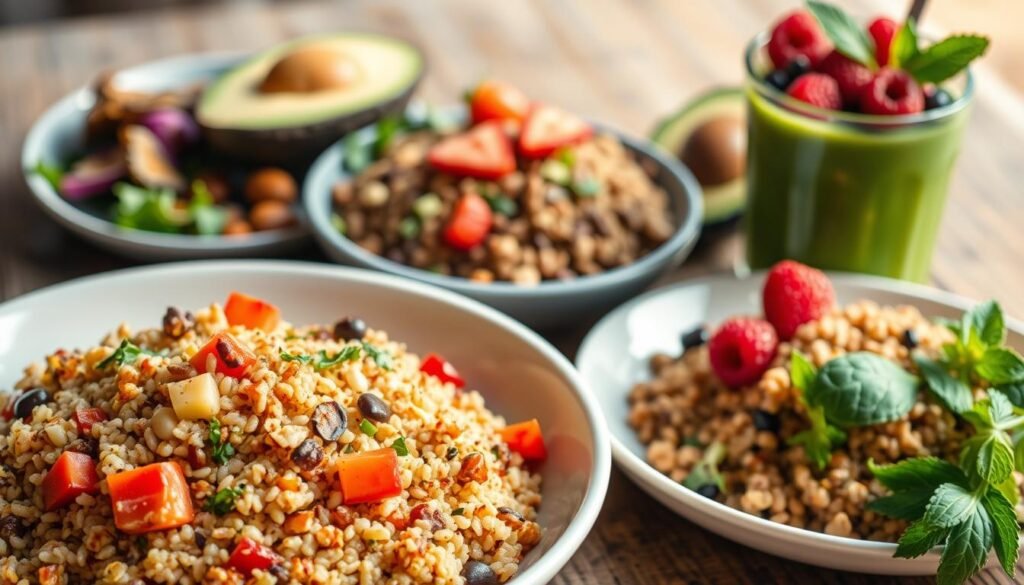
| Recipe | Key Ingredients | Prep Time | Flavor Boosters |
|---|---|---|---|
| Lentil Curry | Red lentils, coconut milk, turmeric | 30 mins | Ginger, cumin, lime zest |
| Quinoa Bowl | Roasted sweet potatoes, kale, tahini | 25 mins | Toasted sesame seeds, chili flakes |
| Black Bean Chili | Sweet potatoes, smoked paprika | 40 mins | Dark chocolate, fire-roasted tomatoes |
| Chickpea Salad | Lemon juice, fresh dill, olives | 15 mins | Sumac, toasted pine nuts |
Roasting transforms veggies into caramelized delights. Try tossing cauliflower with garlic powder before baking. Sauté mushrooms in soy sauce for umami-packed pasta toppings.
My overnight oats trick? Mash ripe banana into the base. Top with frozen berries that thaw overnight. You’ll wake up to a creamy, ready-to-eat breakfast.
🥕 Meal Planning and Budget-Friendly Tips
Staring at an empty fridge used to stress me out—until I cracked the code for stress-free meal prep. Let me show you how to build nourishing plates without breaking the bank or spending hours in the kitchen.
Creating Balanced, Flavorful Meals
Start by swapping white rice for nutty farro or barley. These whole grains keep you fuller longer while improving blood sugar control. My taco night hack? Seasoned lentils mimic ground beef’s texture at half the cost—plus they pack 18g protein per cup!
Build meals around three elements:
- Colorful veggies (frozen works!)
- Affordable proteins like chickpeas
- Healthy fats from avocado or seeds
Smart Grocery Shopping Strategies
Bulk bins became my secret weapon. Stock up on oats, beans, and spices—you’ll save up to 40% versus packaged goods. I plan meals around seasonal produce too. Summer squash and winter squash cost less when they’re abundant.
Pro tip: Cook double batches of chili or curry. Freeze portions for busy nights. Your future self will thank you when takeout temptations strike!