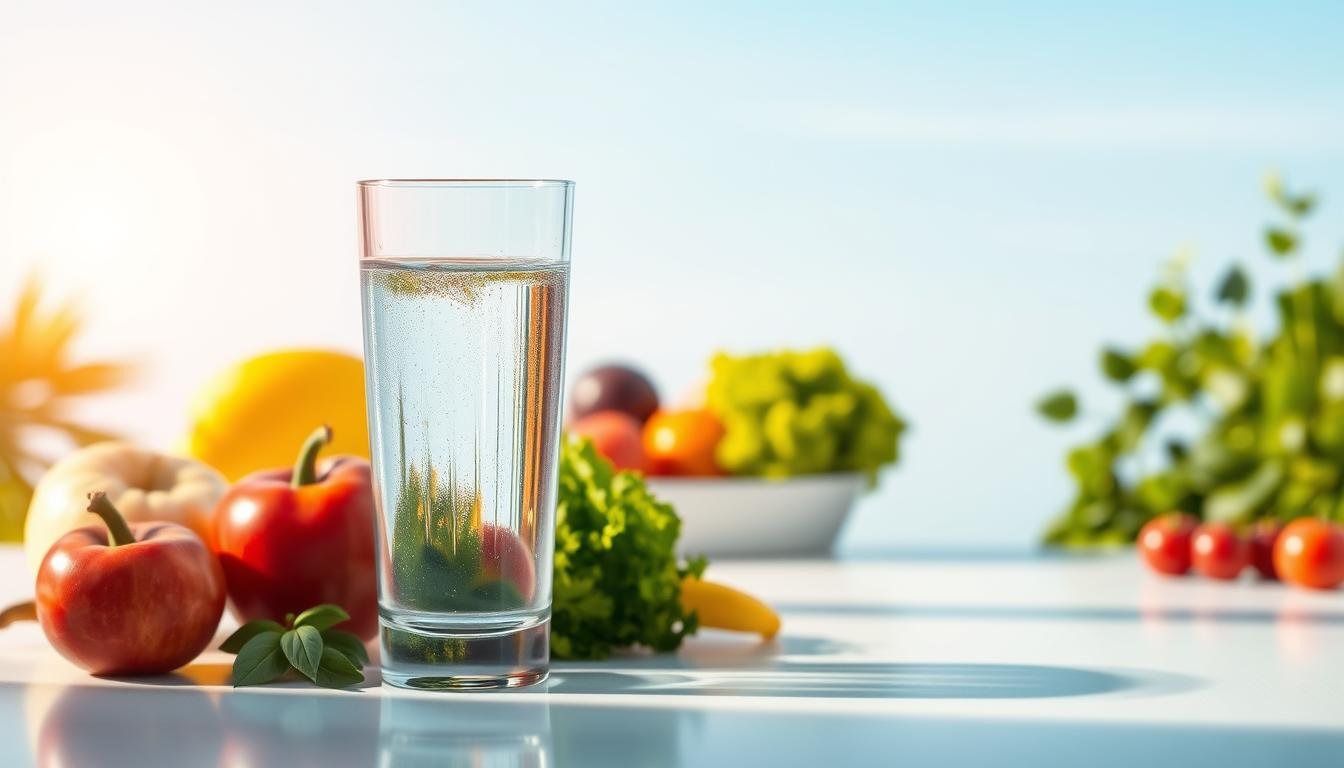
Do you drink enough water each day? Or is dehydration quietly affecting your energy and focus? I once thought drinking water only when I was thirsty was enough. But learning about proper hydration changed my health.
Our bodies are about 60% water, no matter our age. But, a shocking 75% of Americans are chronically dehydrated. This isn’t just a small issue—it’s a big health problem that affects our brains, joints, and more.
In this article, I’ll share what I’ve learned about water needs for health. I’ll also clear up common myths that might be stopping you. I’ll show you how to find the right amount of water for your body, just like I did.
For more health tips, visit www.healthyvibeslife.com and sign up for our newsletter. You’ll get wellness advice, special deals on health retreats, and the latest fitness product reviews.
Key Takeaways
- Water makes up about 60% of an adult’s body weight and is key for all body functions
- Three out of four Americans are dehydrated without knowing it
- Drinking enough water boosts brain function, energy, and joint health
- How much water you need depends on your activity level, where you live, and your body type
- Myths about drinking water can stop you from getting enough
- Custom hydration plans work better than one-size-fits-all advice
💧 The Science Behind Daily Water Requirements
Water is more than just something you drink. It’s the base of all life processes in your body. Understanding how much water you need starts with seeing how water is a key part of you. Let’s dive into the science behind why your body needs water all the time.
Your body is like a water manager. It uses water for chemical reactions, moving nutrients, removing waste, and keeping your body systems balanced. This balance is what keeps you alive.
What Makes Up Your Body’s Water Content
Did you know that about 60% of your adult body weight is water? This percentage varies in different tissues.
Your brain and heart are 73% water. Lungs are about 83% water. Even bones, which seem solid, are 31% water. This shows that water is needed in every part of your body.
Think of your blood as a highway. It’s about 90% water, carrying oxygen, nutrients, and hormones. Without enough water, this highway gets clogged, and your body can’t work right.
Muscle tissue is 75% water, which is why athletes need to stay hydrated. Fat tissue, on the other hand, has less water—around 10-40%. This means people with different body types need different amounts of water.
Your Body’s Daily Water Activities
Let’s look at what happens to water in your body every day. You lose fluids constantly, even when you’re not moving. This is why staying hydrated is so important.
Your body loses water in four main ways:
- Breathing: You lose about 300-400 milliliters of water vapor with each breath
- Sweating: You sweat about 500 milliliters, even without exercise
- Urination: Your kidneys filter waste and remove about 1,200-1,500 milliliters daily
- Digestion: Your intestines use and excrete about 200 milliliters through waste
This adds up to about 2-3 liters of water loss every day. Exercise, hot weather, or illness can increase this amount a lot.
Your body uses water for many important tasks. It helps control your temperature, lubricates joints, and protects your brain and spinal cord. It also helps digest food and remove toxins.
Here’s something good to know: you don’t need to drink all the water you lose. About 20% of your daily water intake comes from water-rich foods. The rest comes from drinks, so it’s important to eat and drink the right amounts.
Your body has a built-in way to keep water levels right. When you’re low on fluids, your brain sends out thirst signals. Your kidneys make more concentrated urine to save water. These automatic responses show how important hydration is to your body.
🔍 How Much Water Do You Really Need: Debunking the 8-Glass Myth
For years, people have wondered how much water they need. The advice has been all over the place, leaving many feeling unsure. Many feel guilty for not drinking eight glasses a day, but this rule isn’t backed by science.
It’s important to know where these myths come from. This way, we can make better choices about our water intake. The truth is much more complex than a simple slogan.
Where the 8×8 Rule Came From
The 8×8 rule, or drinking eight 8-ounce glasses of water a day, has a mysterious start. Nutrition experts say it came from a 1945 recommendation by the Food and Nutrition Board. They suggested about 2.5 liters of water for adults.
But here’s the key part that was often missed: that original recommendation included water from all sources, including food. Over time, the food part got lost in the mix. People started thinking it meant only drinking water.
The rule stuck because it’s easy to remember. Health experts and bloggers kept repeating it. Its simplicity made it spread like wildfire, even before social media.
Some say Dr. Frederick J. Stare, a Harvard nutritionist, helped make this rule popular in the 1970s. No matter who started it, the rule became a part of our culture without solid evidence to back it up.
What Modern Science Actually Says
Looking into recent studies on water intake, I found some interesting facts. The National Academies of Sciences, Engineering, and Medicine set adequate intake levels that are different from the old rule.
They say men need about 13 cups (104 ounces) of total fluid daily. Women need about 9 cups (72 ounces). These are just averages for the whole population.
What really caught my attention was learning that these numbers include all beverages and water-rich foods. About 20% of our fluid comes from food. So, the actual amount we need to drink is less than these numbers suggest.
Today, science focuses on how different we all are. Our needs change based on many things like how active we are, where we live, and our health. Some days we need more; some days less.
| Guideline Type | Amount (Men) | Amount (Women) | Key Consideration |
|---|---|---|---|
| Traditional 8×8 Rule | 64 ounces (8 glasses) | 64 ounces (8 glasses) | Not scientifically validated; overly simplistic |
| National Academies Adequate Intake | 104 ounces (13 cups) | 72 ounces (9 cups) | Includes ALL fluids from beverages and food |
| Pure Drinking Water Estimate | 83 ounces (10-11 cups) | 58 ounces (7-8 cups) | After subtracting 20% from food sources |
| Individual Variation Range | ±20-30% from baseline | ±20-30% from baseline | Varies daily based on activity, climate, health |
Now, scientists say we need to find out how much water we need for ourselves. Our bodies are great at telling us when we’re thirsty. If your urine is pale yellow, you’re probably drinking enough.
This approach feels freeing compared to always counting glasses. Instead of feeling bad for not meeting a certain goal, I listen to my body. This is what experts now suggest: drink when you’re thirsty, based on how active you are and the weather.
The main thing science tells us is to stop worrying about drinking exactly eight glasses a day. Our needs are unique and change over time and even each day.
📊 Official Water Intake Recommendations from Health Organizations
Leading health authorities give us science-based guidelines for water intake. They’ve done a lot of research to set baseline recommendations for most people. I start with these trusted sources and then adjust for my own needs.
These daily water intake recommendations give us clear numbers to follow. But knowing where these numbers come from helps us use them better. Let’s look at what the major health organizations say about water needs.
Guidelines from the National Academies
The National Academy of Medicine sets the most detailed water guidelines in the U.S. Their values are based on healthy people’s intake. Their detailed approach helps because it considers different life stages.
They say men should aim for about 3.7 liters (125 ounces) daily, and women should target about 2.7 liters (91 ounces). These numbers include all drinks and water-rich foods, not just plain water. This is an important detail I first missed.
The National Academies break down hydration needs by age group. Young children aged 1-3 need about 4 cups (32 ounces) daily. As kids grow, their needs increase a lot.
Children aged 4-8 should drink about 5 cups (40 ounces), while those aged 9-13 need 7-8 cups (56-64 ounces). Teenagers aged 14-18 require 8-11 cups (64-88 ounces) based on gender and activity level. These age-specific recommendations are very helpful for family members with children.
| Age Group | Daily Intake (Cups) | Daily Intake (Ounces) | Special Notes |
|---|---|---|---|
| 1-3 years | 4 cups | 32 oz | Includes all fluids |
| 4-8 years | 5 cups | 40 oz | Monitor during play |
| 9-13 years | 7-8 cups | 56-64 oz | Varies by activity |
| 14-18 years | 8-11 cups | 64-88 oz | Gender differences emerge |
| Adult men (19+) | 13 cups | 104 oz | Baseline for sedentary |
| Adult women (19+) | 9 cups | 72 oz | Baseline for sedentary |
| Pregnant women | 10 cups | 80 oz | Increased blood volume |
| Breastfeeding women | 13 cups | 104 oz | Fluid loss through milk |
Pregnant women need 10 cups (80 ounces) daily, as recommended by the National Academies. Breastfeeding mothers need 13 cups (104 ounces) to replace fluid lost through milk. These needs are specific to certain health conditions.
What the WHO and CDC Say
The World Health Organization (WHO) focuses on safe drinking water and listening to your body’s thirst signals. They don’t give exact amounts but stress the importance of water quality and availability.
WHO believes water needs vary too much among individuals to set one standard. They suggest drinking when thirsty and making sure water is always available. I find this approach flexible, but I also value having specific targets.
The Centers for Disease Control and Prevention (CDC) agrees with the National Academies on water intake. The CDC says hydration requirements depend on many factors. They recommend drinking water with meals, before and after exercise, and when thirsty. Their advice is practical and adaptable to most lifestyles.
Why Your Needs May Differ
These daily water intake recommendations are just starting points, not strict rules. Your actual needs can be much higher or lower based on your situation. I use these guidelines as a starting point and adjust based on how my body feels.
Body size is a big factor in determining how much water you need. A 250-pound athlete needs more water than a 120-pound office worker. Even a small weight change can affect how much water feels right for me.
Your activity level also affects your water needs. On days I exercise a lot, I drink 50% more than usual. On days I’m less active, I naturally drink less but feel hydrated.
Climate and environment also play a big role in your water needs. Living in Arizona requires different hydration strategies than living in Maine. I’ve noticed this when traveling—my water intake in humid Florida is different from dry Colorado.
Health conditions and medications can change your fluid needs. Some medications make you urinate more, while others make you retain more fluid. I always talk to my healthcare provider about my hydration needs when starting new medications.
The key takeaway is to use official recommendations as a starting point, not a limit. Listen to your body, check your urine color, and adjust your intake as needed. These guidelines give us a solid foundation, but our bodies tell us how much water we really need.
⚖️ Key Factors That Determine Your Personal Hydration Needs
Figuring out how much water you need isn’t about following generic rules. It’s about understanding your body’s unique needs. Many people struggle with hydration because they apply universal rules that don’t fit their individual circumstances.
Let’s explore the key factors that determine your daily water needs. By understanding these, you can find a baseline that works just for you. This way, you won’t be left under-hydrated or worried about drinking too much.
Calculating Based on Your Body Composition
Your body weight is a good starting point for figuring out your hydration needs. Use a simple formula: drink one-third of your body weight in ounces of water daily.
For example, if you weigh 150 pounds, aim for about 50 ounces of water daily. Someone who weighs 180 pounds should target 60 ounces. And a person weighing 120 pounds would need about 40 ounces.
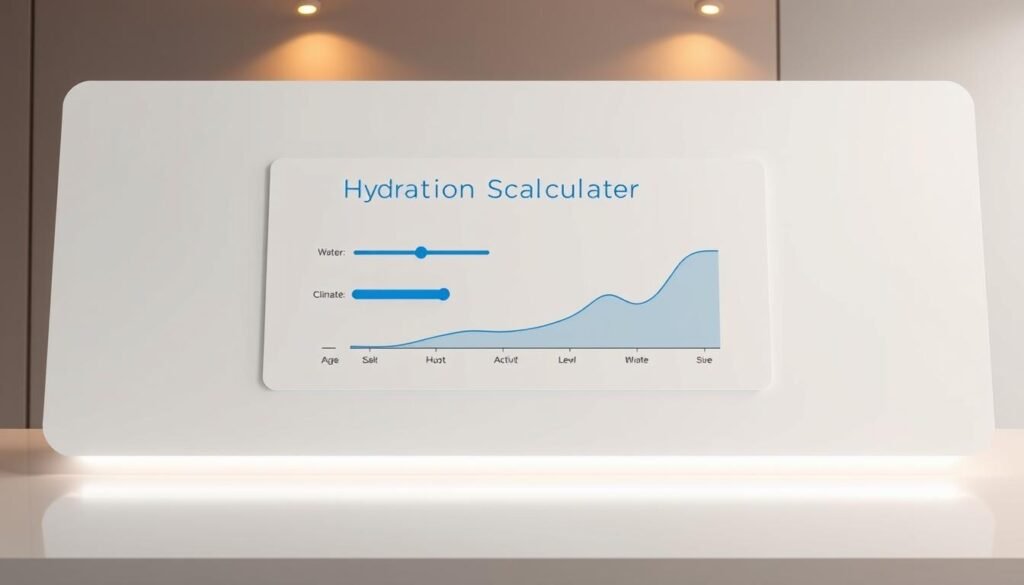
This formula takes into account that larger bodies need more water. Muscle tissue, for instance, is about 75% water. So, people with more muscle mass need more fluid to function properly.
Body size and composition also play a role. Taller people lose more water through skin evaporation. And muscle tissue holds more water than fat tissue, meaning two people of the same weight but different body compositions will have different fluid needs.
How Life Stage and Sex Affect Water Intake
Age and gender significantly affect how much water you should drink. Men generally need more fluids than women, with men needing about 15.5 cups (3.7 liters) daily compared to 11.5 cups (2.7 liters) for women, according to health organizations.
This difference is due to men having higher muscle mass and faster metabolic rates. Men’s bodies also contain a higher percentage of water (about 60% compared to 55% in women) due to body composition differences.
Age is another critical factor in hydration needs. As we get older, our bodies change, increasing dehydration risk. Adults aged 60 and older face a higher risk of dehydration because their natural thirst signals diminish with age.
Statistics show that up to 28% of older adults experience dehydration. This is due to aging changes in kidney function, decreased total body water, and medications that increase fluid loss. Older adults also may have mobility issues that make accessing water harder throughout the day.
| Age Group | Hydration Challenge | Recommended Strategy |
|---|---|---|
| Children (4-8 years) | Higher water turnover relative to body size | 7 cups daily with frequent reminders |
| Adults (19-50 years) | Balancing activity with busy schedules | Follow body weight formula plus activity adjustments |
| Older Adults (60+ years) | Diminished thirst signals and kidney changes | Scheduled hydration times regardless of thirst |
| Pregnant Women | Supporting increased blood volume | Additional 2-3 cups beyond baseline needs |
Children have unique hydration needs. Their bodies have higher water content proportionally. They’re more susceptible to dehydration during illness or hot weather because they may not recognize or communicate their thirst effectively.
Exercise and Movement Patterns
Your activity level greatly changes your hydration needs. Athletes may need double or triple the standard recommendations based on their training intensity and duration.
Sedentary individuals can usually follow basic hydration guidelines. But, introducing moderate to intense physical activity increases fluid needs. During exercise, your body loses water through sweat and increased breathing rates—sometimes at rates exceeding one liter per hour during vigorous workouts.
Consider your activity patterns. If you exercise for 30 minutes daily at moderate intensity, add 12-16 ounces to your baseline water intake. For hour-long workouts, you’ll need an additional 16-24 ounces. High-intensity training sessions lasting 90 minutes or more may require 32 ounces or more of additional fluids.
The type of exercise matters too. Endurance activities like running, cycling, or swimming demand more hydration than strength training. Sports involving continuous movement in hot conditions (like soccer or tennis) create the highest fluid demands.
Don’t forget about non-exercise activity either. People with physically demanding jobs—construction workers, nurses on their feet all day, warehouse employees—need to adjust their hydration requirements upward even on days they don’t formally “work out.”
Environmental Influences on Fluid Loss
Climate and environmental conditions are often overlooked when calculating your optimal water consumption. Your surroundings dramatically affect how quickly your body loses water and how much you need to replenish.
Hot weather is the most obvious environmental factor. When temperatures rise, your body sweats more to maintain core temperature through evaporative cooling. On a 90-degree summer day, you might need 2-3 additional cups of water compared to a mild 70-degree day, even without increasing your activity level.
Humidity compounds this effect. In humid conditions, sweat doesn’t evaporate as efficiently, but your body continues producing it, leading to greater fluid loss. This is why tropical climates feel more dehydrating than dry heat—your hydration requirements increase even though you might feel less thirsty.
High altitude presents a surprising dehydration risk that catches many travelers off guard. At elevations above 8,000 feet, you lose more water through increased urination and faster breathing in the thinner air. Mountain visitors often need 20-30% more fluids than at sea level.
Winter conditions create hidden hydration challenges too. Cold air holds less moisture, so breathing it in and warming it in your lungs causes significant water loss. Indoor heating systems further dry the air, increasing fluid loss through respiration and skin. Many people become mildly dehydrated in winter simply because they don’t feel as thirsty in cold weather.
Air travel deserves special mention. Airplane cabins maintain humidity levels around 10-20%—drier than most deserts. On a cross-country flight, you can easily lose 8 ounces or more of water just from cabin conditions, independent of any beverages you consume.
By understanding how these key factors—body weight, age and gender, activity level, and environmental conditions—interact and influence your personalized hydration needs, you can move beyond generic recommendations. The goal isn’t to follow a rigid rule but to develop an awareness of your body’s changing requirements as these variables shift throughout your day, season, and life stages.
🏃 How Physical Activity Changes Your Water Requirements
Staying hydrated during exercise is more than just drinking more water. It’s about drinking the right amount at the right time. When you exercise, you lose a lot of fluids through sweat. This can be up to two liters per hour during intense activities.
This means you need to drink more water when you’re active. Your body uses water to cool down, move nutrients, and get rid of waste. Knowing when to drink water can help you perform better and avoid feeling tired.
I want to share some tips that have helped me and many others stay hydrated. These tips are based on science and are easy to follow.
Pre-Workout Hydration Strategies
Drinking water before you start exercising is key. I drink 17 to 20 ounces of water two to three hours before. This lets your body absorb the water and get rid of any extra before you start.
Then, drink another 8 ounces of water 20 to 30 minutes before. This keeps you hydrated without feeling bloated during your warm-up.
Finding the right balance is important. Drinking too much before exercise can cause cramps. By spacing out your water intake, your body can distribute fluids better.
If you exercise in the morning, pay extra attention to hydration. You’ve gone without fluids for six to eight hours while sleeping. Drink at least 16 ounces when you wake up.
During Exercise: Replacing What You Lose
It’s important to replace lost fluids during exercise. For workouts lasting less than an hour, drink 7 to 10 ounces every 10 to 20 minutes. This keeps your body balanced without upsetting your stomach.
The intensity and length of your workout affect how much water you need. For longer or more intense workouts, you might need sports drinks to replace lost electrolytes.
But be careful not to overdo it. Drinking too much water can lead to hyponatremia, a dangerous condition. Listen to your body’s thirst signals and choose the right drinks for your needs.
Post-Workout Recovery and Rehydration
The hour after your workout is critical for rehydration. Your body can absorb fluids well during this time. Proper hydration helps you recover faster and get ready for your next workout.
To figure out how much water you need, weigh yourself before and after. For every pound lost, drink 16 to 24 ounces. This helps replace fluids lost through breathing and urination.
Many people underestimate fluid loss during exercise. I’ve lost up to four pounds during long summer runs. Without measuring, I wouldn’t drink enough to rehydrate properly.
The type of fluid you drink matters too. Water is good for short workouts, but add carbs and protein for longer or intense sessions. Chocolate milk is popular for its hydration and recovery benefits.
Rehydrate within four to six hours after your workout. Spread out your intake to improve absorption and avoid frequent bathroom trips.
Don’t forget about sodium in your drinks. It helps your body keep the fluids you drink. Sports drinks or a small salty snack can help with rehydration.
Hydration is key for safety and health during exercise. It helps your heart, keeps you cool, and lets your muscles work well. Ignoring hydration can lead to poor performance and health risks.
By following these hydration tips, workouts become more enjoyable and effective. Adjust your daily water intake based on your activity level. This will improve your energy, endurance, and overall workout quality.
🌡️ Special Circumstances That Increase Water Needs
Your body’s water needs change a lot based on certain situations and health conditions. It’s important to know about these special cases. This knowledge can help keep you healthy when you’re most vulnerable.
When these situations happen, you need more water than usual. Your body is working hard, and it needs extra fluids to keep going.
Expecting and Nursing Mothers Need Substantially More
If you’re pregnant or breastfeeding, you need more water. Your body is making milk for your baby. The National Academy of Medicine says pregnant women should drink 10 cups (80 ounces) of fluids a day.
Women who are breastfeeding need even more, about 13 cups (104 ounces) daily. This is because they lose a lot of water through milk.
It’s very important to drink enough water during these times. Dehydration can lead to serious problems like neural tube defects and low amniotic fluid levels.
Many nursing mothers feel very thirsty when their baby starts to nurse. This is a sign that your body needs more water. Don’t wait until you’re extremely thirsty to drink.
Illness Changes Everything About Fluid Balance
When you’re sick, you might need to drink twice as much water. Fever, vomiting, and diarrhea cause you to lose a lot of fluids. You need to replace these to get better.
Fever makes your body sweat more. For every degree above 98.6°F, you lose more fluids.
Vomiting and diarrhea are very bad for dehydration. You lose not just water but also important salts like sodium and potassium.
When you’re sick and losing fluids, adults might need to drink 2-3 liters more than usual to stay hydrated.
Here are some tips for staying hydrated when you’re sick:
- Drink small amounts of water often
- Choose drinks with electrolytes if you’re vomiting or have diarrhea
- Eat ice chips or popsicles if you can’t drink liquids
- Check your urine color—it should be light yellow
- See a doctor if you can’t keep any fluids down for 12 hours
Having a cold or flu also means you need more water. You breathe more through your mouth, losing moisture faster. Drinking enough water helps your body fight off the illness.
Environmental Extremes Demand More Fluid Intake
Hot weather and high altitudes make it harder to stay hydrated. In hot places, you might sweat 6-10 liters a day. This is much more than usual.
It’s easy to underestimate how much water you need in hot weather. Your body cools down by sweating. When it’s hotter than your body temperature, sweating is the only way to avoid overheating.
At high altitudes, you breathe more and lose water through your breath. This is a big problem at elevations over 8,000 feet.
| Condition | Typical Increase Needed | Primary Reason |
|---|---|---|
| Hot humid climate | Add 1.5-2.5 liters daily | Increased sweat production |
| Hot dry climate | Add 2-3 liters daily | Rapid evaporation and respiration |
| High altitude (8,000+ feet) | Add 1-1.5 liters daily | Increased breathing rate |
| Cold dry climate | Add 0.5-1 liter daily | Respiratory moisture loss |
Cold weather also means you need more water, but not as much. Cold air has little moisture, so you lose water with every breath.
When traveling or during seasonal changes, slowly adjust your water intake. It takes 3-5 days for your body to adjust to new conditions.
Medications and Health Conditions That Affect Fluid Balance
Some medications change how your body handles water. It’s important to talk to your doctor about your specific needs. Diuretics, for example, make you urinate more, which means you lose more water.
Medications for blood pressure often include diuretics. Your doctor should have told you to drink more water, but it’s easy to forget.
Here are some medications that can increase dehydration risk:
- Diuretics (water pills) – directly increase urination
- Laxatives – cause fluid loss through the digestive tract
- Antihistamines – can have mild diuretic effects
- Some antidepressants – may increase sweating
- Chemotherapy drugs – often cause nausea and fluid loss
Older adults face special challenges because they often take many medications. This can lead to dehydration. They may not feel thirsty even when they need to drink more.
Some health conditions also change your water needs. Diabetes makes you urinate more. Kidney disease may require more or less water. Heart failure needs careful monitoring of fluid intake.
Talk to your doctor about your personalized hydration needs if you take medications or have health conditions. Don’t assume the usual advice is right for you.
For more information on managing hydration in specific medical situations, visit www.healthyvibeslife.com. They have detailed advice for different health conditions.
These special situations aren’t just extra considerations. They are times when you need to drink more water to stay safe and recover. Knowing when you need to drink more water helps protect your health during tough times.
🚨 Warning Signs of Dehydration You Shouldn’t Ignore
Understanding dehydration symptoms is key to acting fast. Your body sends clear signals when it’s not getting enough water. But, these signs can be subtle and easy to miss. Spotting them early is the first step in preventing dehydration.
Even a small amount of fluid loss can make you feel tired and off throughout the day. Knowing what to look for helps you respond quickly. This way, you can avoid more serious health problems.
Recognizing the Subtle Signs of Mild Dehydration
Mild dehydration starts with just 2% fluid loss. But, its effects are significant. You might feel tired, get headaches, or have trouble focusing. These signs often show up before you even feel thirsty.
Mood changes are also a sign. Feeling irritable, anxious, or depressed can mean you need more fluids. Your memory might also suffer, making it hard to remember things.
Physical signs of early dehydration include:
- Dry mouth and slightly sticky saliva
- Decreased urine output with darker yellow color
- Mild dizziness when standing up quickly
- Feeling unusually tired or sluggish
- Difficulty focusing on tasks
Here’s an important fact: thirst isn’t always a reliable indicator. This is true for older adults and young children. By the time you feel thirsty, you may already be mildly dehydrated. So, staying hydrated all day is key for keeping your body balanced.
Checking your urine color is a quick way to see if you’re hydrated. If it’s pale yellow or clear, you’re good. But, darker yellow or amber means you need to drink more water. Think of it as your body’s hydration gauge.
Understanding Moderate to Severe Dehydration Warning Signs
When dehydration gets worse, symptoms become more serious. Moderate dehydration brings more intense symptoms and new warning signs that need quick attention.
You might feel extreme thirst that doesn’t go away, have very dark urine, or have trouble urinating. Your heart might beat faster than usual, even when you’re resting. Rapid breathing, deep fatigue, and sunken eyes are also signs.
Severe dehydration is a medical emergency. Symptoms include intense confusion, trouble standing or walking, extreme dizziness, and very fast heartbeat. Some people might have fever, seizures, or lose consciousness. At this stage, IV fluids may be necessary to restore hydration.
| Dehydration Level | Fluid Loss | Key Symptoms | Action Needed |
|---|---|---|---|
| Mild | 2-3% | Thirst, fatigue, headache, darker urine, difficulty concentrating | Drink water immediately and increase intake throughout the day |
| Moderate | 4-6% | Very dark urine, dizziness, rapid heartbeat, dry mouth, decreased urine output | Drink fluids with electrolytes, monitor symptoms closely, consider medical consultation |
| Severe | 7%+ | Confusion, inability to urinate, rapid breathing, sunken eyes, fever, loss of consciousness | Seek emergency medical care immediately—call 911 or go to ER |
Dehydration can quickly get worse, even in hot weather or during intense exercise. Chronic dehydration can lead to urinary tract infections, kidney stones, and constipation.
Knowing When Medical Attention Is Critical
Knowing when to seek medical help is key to preventing dehydration. Some situations need more than just drinking water—they need medical help.
Call your doctor or visit urgent care if symptoms don’t improve or get worse. This is important for vulnerable populations like infants, young children, elderly adults, and people with chronic health conditions.
Go to the emergency room immediately if you notice:
- Signs of severe dehydration (confusion, rapid heartbeat, inability to urinate)
- Dehydration accompanied by fever over 103°F
- Vomiting or diarrhea lasting more than 24 hours
- Blood in vomit or stool
- Severe abdominal or chest pain
For infants and children, watch for sunken fontanelle, no tears when crying, no wet diapers for three hours or more, and unusual lethargy or irritability. Seek medical care if you’re worried about a child’s hydration.
Preventing dehydration by staying hydrated is always better than treating it after it happens. Making hydration a daily habit protects your health and avoids serious symptoms. Your body works best when it has the right amount of water all day.
✅ The Health Benefits of Staying Properly Hydrated
When I started paying attention to my hydration, I noticed big improvements. Staying hydrated does more than just quench your thirst. It’s essential for your body’s functions, leading to noticeable health benefits.
I want to share how hydration can change your daily life. These benefits are backed by research, not just claims.
Physical Performance and Energy Levels
Hydration affects your energy and ability to perform. Even a little dehydration can make your blood volume drop. This means your heart has to work harder to get oxygen and nutrients to your body.
This can make you feel tired, even if you’ve slept well.
Proper hydration keeps your blood flowing well. This ensures oxygen reaches every cell. Losing just 2% of your body’s water can lower your endurance and strength.
I’ve seen this in my workouts. Drinking enough water before exercising gives me more stamina and strength. My muscles don’t get tired as fast, and I recover quicker.
Cognitive Function and Mental Clarity
Your brain is mostly water, so hydration affects your thinking. Studies show a link between staying hydrated and better mental performance.
Even a small amount of dehydration can harm your thinking:
- Memory and concentration get weaker
- Mood swings increase
- Reaction time slows down
- Mental fatigue comes sooner
A study in the Journal of Nutrition found that women who were dehydrated had headaches and trouble concentrating. When they drank more water, these problems went away.
Hydration is a simple way to improve your thinking. When I’m well-hydrated, I can focus better and think more clearly.
Digestive Health and Weight Management
Water is key for your digestive system. It helps break down food and move waste through your intestines.
Without enough water, you might get constipated or have bloating. Drinking water regularly keeps my digestive system working well.
Drinking water before meals can help you eat less and lose weight. Studies show this can lead to significant weight loss over time.
| Hydration Strategy | Impact on Weight | Additional Benefits |
|---|---|---|
| Drinking 500ml before meals | 44% greater weight loss over 12 weeks | Increases feelings of fullness |
| Replacing sugary drinks with water | Reduces daily calorie intake by 200+ calories | Eliminates empty calories and added sugars |
| Drinking cold water | Temporarily boosts metabolism by 24-30% | Body burns calories warming the water |
Water makes you feel full, helping you eat less. It also makes your body burn more calories, even when you’re not moving.
Skin Health and Appearance
Drinking water won’t get rid of wrinkles or cure skin problems. But, it does help your skin look healthier from the inside.
Your skin is about 30% water, which makes it look plump and elastic. Dehydration can make your skin look dull and tight.
Hydration keeps your skin’s moisture barrier strong. It helps nutrients reach your skin cells. While moisturizers work on the outside, hydration works from the inside.
Hydration also supports your joints, helps prevent kidney stones, reduces headaches, and keeps your heart healthy. It helps your kidneys remove toxins and keeps your blood volume and electrolyte balance right.
“Water is the driving force of all nature.”
These benefits aren’t about being perfect. They’re about giving your body what it needs to work its best. When you focus on staying hydrated, you improve your physical and mental health, digestion, and overall wellbeing.
💡 Practical Tips for Meeting Your Daily Hydration Goals
Meeting water drinking guidelines is easy with the right systems. The challenge is building habits that last. Here are practical strategies to make hydration a part of your daily life.
Knowing about hydration is not enough. You need a plan to stay hydrated. Without one, you might find yourself dehydrated by 3 PM.
Building Your Own Hydration Schedule
Creating a hydration schedule that fits your lifestyle is key. Start your day with a large glass of water before coffee. This wakes up your system after sleep.
Here’s a simple routine that works for many:
- Morning wake-up: Drink 16 ounces right after getting out of bed
- With each meal: Have a full glass with breakfast, lunch, and dinner
- Mid-morning and mid-afternoon: Set a reminder for 10 AM and 3 PM to drink 8-12 ounces
- Before bed: Sip 4-6 ounces an hour before sleep (not right before to avoid nighttime trips)
- Around exercise: Add 16-20 ounces before workouts and 20-32 ounces after
Drink most of your water before 6 PM. This helps you meet your goals without waking up at night. Adjusting your timing can make a big difference.
Hydration schedules are flexible. Adjust them based on your work hours, exercise, and when you feel thirsty.
Technology That Tracks Your Progress
Water tracking can be simple. Technology can show you patterns in your habits. I tracked my water for a week and found I forgot to drink between 2-4 PM.
Here are tools to help you stay on track:
- Hydration apps: Free options like WaterMinder, Plant Nanny, or MyFitnessPal let you log intake and send reminders
- Smart water bottles: Bottles like HidrateSpark light up and sync with your phone to track gulps automatically
- Simple phone alarms: Set hourly reminders during work hours with labels like “Drink water now!”
- Fitness trackers: Many smartwatches include water logging features alongside step counting
Tracking your water can be motivating. Seeing your progress helps you keep going. Even those who thought they drank enough often find they need more.
“What gets measured gets managed.”
You don’t need to track forever. Two weeks of data can help you understand your habits and stay hydrated.
Making Your Water Irresistible
Plain water can be boring. But, you don’t have to drink flavorless water all day. There are ways to make it more appealing.
Keep a large reusable water bottle with you. Aim to empty it four times a day. This makes tracking easy and reminds you to drink.
Here are ways to make water more appealing:
- Infused water creations: Add lemon slices, cucumber rounds, fresh mint leaves, berries, or ginger for natural flavor without calories
- Temperature preferences: Some people love ice-cold water while others prefer room temperature—find what you’ll actually drink
- Sparkling water options: Plain sparkling water or versions with a splash of 100% fruit juice add variety
- Special water bottles: Invest in a bottle you genuinely enjoy using—insulated bottles keep water cold for hours
- Water-rich foods: Eat cucumbers, watermelon, strawberries, celery, lettuce, peppers, and oranges that contribute to hydration
Using reusable bottles is good for the environment. They pay for themselves in weeks and reduce plastic waste.
Preparing infused water the night before makes mornings easier. Fill a pitcher with water and your favorite fruit or herb, then refrigerate overnight. You’ll have delicious hydration ready in the morning.
Staying hydrated doesn’t have to be hard. Find systems that fit your life. Small changes like carrying a favorite water bottle or setting reminders can create lasting habits.
Want more tips on building healthy habits? Check out my newsletter at www.healthyvibeslife.com. You’ll find hydration tips, wellness strategies, and reviews of fitness products and water bottles.
The key to mastering hydration is finding what makes drinking water enjoyable for you. Try different strategies until you find your perfect routine.
🥤 Beyond Water: Other Sources of Hydration
Staying hydrated isn’t just about drinking water. Many foods and drinks can help you meet your fluid needs. This makes staying hydrated easier and more fun.
Many foods and drinks help with your daily fluid intake. This means you have lots of tasty ways to keep your body hydrated.
Water-Rich Foods That Hydrate Your Body
Did you know that about 20% of your daily water needs can come from food? This is a big part of your hydration that many people forget.
Foods high in water, like fruits and veggies, are not just hydrating. They also give you important vitamins, minerals, and fiber that water doesn’t.
| Food Item | Water Content | Additional Benefits |
|---|---|---|
| Cucumbers | 96% | Low calorie, vitamin K, antioxidants |
| Lettuce & Leafy Greens | 95% | Fiber, folate, vitamins A and C |
| Celery | 95% | Electrolytes, vitamin K, potassium |
| Watermelon | 92% | Lycopene, vitamins A and C, natural sugars |
| Strawberries | 91% | Antioxidants, vitamin C, manganese |
Try to eat foods like these every day. A big salad at lunch can help a lot. Starting with a fruit bowl or adding berries to breakfast is also good.
Other great hydrating foods include bell peppers, summer squash, oranges, cantaloupe, and grapefruit. Eating a colorful diet means you’re getting more hydration and nutrients.
Drinks That Support Your Hydration Goals
There are many drinks that help you stay hydrated. This makes it easier to drink enough water every day.
Here are some drinks that count toward your daily hydration:
- Plain water in all forms (tap, filtered, bottled, or fountain)
- Sparkling water and unsweetened seltzers
- Milk (dairy or fortified plant-based)
- Herbal teas and regular tea
- Coffee, including caffeinated varieties
- 100% fruit or vegetable juice in moderate amounts
For a long time, people thought coffee and tea made you dehydrated. But research has shown that’s not true.
Drinking more than 180 mg of caffeine a day might make you pee more. But for regular caffeine drinkers, it doesn’t cause dehydration. Coffee is mostly water, and your body gets used to caffeine.
Carbonated waters are also good for you if they’re unsweetened. They’re just as hydrating as regular water but without the sugar problems of soda.
Trying different drinks keeps hydration interesting. Drinking plain water, sparkling water, herbal tea, and sometimes coffee makes it easier to stay hydrated.
Beverages to Consume Cautiously
While there are many good hydration sources, some drinks are not as good. They might provide fluids but can also have negative effects.
Alcohol is a big problem. It makes you lose water because it stops your body from keeping water. This is why you get dehydrated after drinking.
Drinking alcohol quickly or on an empty stomach makes dehydration worse. This is why you often feel dehydrated after drinking too much.
Sugar-sweetened drinks, like soda and sweet tea, provide fluids but also empty calories. They can lead to weight gain and blood sugar problems.
Energy drinks are another concern. They have too much caffeine, sugar, and other stimulants. While they hydrate, their negative effects outweigh their benefits.
Sports drinks are okay for intense exercise over an hour. They help replace lost electrolytes. But for everyday activities, they’re not needed and add extra calories.
Water is the driving force of all nature.
Remember, plain water is always the best choice. It’s free, calorie-free, and exactly what your body needs.
Adding water-rich foods and healthy drinks makes staying hydrated more fun. Choose options that help your health, not harm it.
Think of hydration as a flexible goal with many ways to succeed. Your morning coffee, afternoon apple, and dinner salad all help. Seeing hydration as a broader goal makes it easier to achieve.
🎯 Conclusion
Now you know that how much water you need depends on you. Your body weight, how active you are, where you live, and your health all matter. They help figure out how much water is best for you.
The idea of drinking 8 glasses a day doesn’t fit everyone. Men usually need about 13 cups, and women need around 9 cups. These are just starting points. Your body tells you when you need water through your urine color, energy, and thirst. Listen to it.
Keeping yourself hydrated is easy when you make it part of your daily routine. Carry a water bottle with you, eat foods that are full of water, and drink before you feel thirsty. Drinking enough water helps your brain, body, digestion, and skin.
Check out more wellness tips at www.healthyvibeslife.com. You’ll find articles on food, exercise, and managing stress that help with staying hydrated.
Sign up for my newsletter for health tips, travel deals, new fitness products, and seasonal advice. You’ll get support to build healthy habits that go beyond just drinking water.
You’ve made a big step by learning about hydration. Keep learning and listening to your body. Small, consistent actions lead to big health changes.