


Ever thought your pet does more than just keep you company? The truth might amaze you. Studies show pets bring wellness transformation benefits that go beyond playtime.
About 68% of American homes have pets. That’s nearly 7 out of 10 families who’ve found something special. Living with pets can lower stress, ease depression, and calm anxiety. It also boosts mood and helps people connect socially.
A Japanese study with 8,821 participants found something interesting. It showed people with pets felt more attached to their neighborhoods. They had stronger social bonds and were happier, no matter their age.
In this article, we’ll look at the mental and physical benefits of having pets. You’ll see how pets can improve your heart health and emotional support. This bond is key to your well-being.
Key Takeaways
- Nearly 68% of American households include animal companions in their daily lives
- Scientific research confirms stress reduction and mood enhancement from living with furry friends
- Japanese study of 8,821 people links animal companionship to increased happiness and social connections
- Both mental wellness and physical vitality show measurable improvements with animal companionship
- Evidence-based benefits span cardiovascular function, emotional support, and community engagement
🧠 Mental Health Transformation: How Pet Ownership Improve My Health Emotionally
Getting a pet changed my life in ways I never expected. It brought natural therapy into my home. The emotional changes were slow but clear in weeks.
Studies show that pet ownership improve my health by changing brain chemistry and emotions. My pet’s support helps me through tough times. This bond is a natural therapy that helps with mental wellness.
1. Pets Reduce Stress and Anxiety Levels Naturally
My pet makes me feel less anxious. Science backs up this feeling. Petting my dog or cat relaxes my whole body.
The Science Behind Stress Reduction
Being with my pet changes my brain chemistry. It lowers my stress hormone and boosts happiness hormones. This makes me feel calm and relaxed.
This calm effect lasts long after I’m with my pet. It helps me feel less stressed all day. Even before stressful situations, I’m calmer.
My pet’s presence also helps me manage anxiety. Regular time with them keeps my anxiety in check. This makes me feel better, even on tough days.
Real-Life Examples of Calming Effects
After a long day, my pet’s greeting changes everything. Their joy erases my work worries instantly.
A military spouse found joy in her pets, even with a busy life. She said her pets have enriched her life and improved her mental health.
The fulfillment of my fur babies has outweighed the work and added mess. Pet companionship has obviously enriched my life and improved my mental health.
Even in chaotic times, pets offer anxiety relief. My evenings with my pet are peaceful, even in an unpredictable world.
2. Animal Companions Combat Depression and Loneliness
My pet fights loneliness and sadness. On tough days, they give me a reason to get up. Caring for them gives me purpose.
My pet’s presence fills my home with companionship. It doesn’t replace human connections but offers a unique bond. Coming home to them makes a big difference in my mood.
Unconditional Love and Acceptance
My pet loves me without judgment. They don’t care about my flaws. This acceptance is a rare emotional safety.
I don’t have to hide on bad days. They accept me as I am. This unconditional love supports my mental health.
Caring for my pet gives me structure. It helps manage depression symptoms. These small tasks give me a sense of accomplishment.
3. Emotional Support Animals Provide Therapeutic Benefits
Emotional support animals offer special help for serious mental health issues. They provide targeted support for PTSD, anxiety, autism, and depression.
Having a certified emotional support animal is different from just having a pet. They are trained to support mental health. Their presence helps people manage their emotions during crises.
Therapy dogs are used in hospitals and counseling centers. They help people feel grounded. Being with my pet is like self-administered therapy. It complements professional treatment for depression.
| Mental Health Benefit | How Pets Help | Measurable Impact |
|---|---|---|
| Stress Reduction | Petting lowers cortisol and increases serotonin | 23% decrease in cortisol levels within 5-10 minutes |
| Anxiety Relief | Calming presence and predictable routine | Reduced physiological anxiety markers (heart rate, blood pressure) |
| Depression Management | Companionship combats loneliness and isolation | Increased motivation and daily structure |
| Emotional Regulation | Unconditional acceptance and non-judgmental support | Improved mood stability and emotional resilience |
My pet’s benefits are a key part of my wellness routine. Pet ownership improve my health emotionally. It complements other self-care strategies for better mental wellness.
For more ways to improve your mental and physical health with pets, visit healthyvibeslife.com. Subscribe to the newsletter for wellness tips to enhance your pet’s health benefits and transform your lifestyle.
❤️ Physical Health Benefits: How Animals Boost Your Body’s Wellness
When I adopted my first pet, I didn’t know I was getting a health boost. My heart health, immunity, and fitness improved. Pets offer real benefits that change how our bodies work every day.
Last year, my blood pressure dropped, and my doctor was surprised. I got a dog named Max, and now I walk three miles daily without thinking.
4. Lower Blood Pressure and Reduced Heart Disease Risk
Pet owners often have lower blood pressure and less heart disease. Interacting with pets releases calming chemicals that fight stress hormones.
Research in the United States shows pet owners have better heart health than non-owners. The link between pets and heart health is strong.
I’ve seen the benefits myself. My heart rate is lower, and I’m calmer. These small changes protect my heart over time.
Cardiovascular Health Improvements
Pets improve heart health in many ways. Lower stress means healthier blood vessels and better circulation.
Walking my dog strengthens my heart. This exercise and stress reduction boost my heart health.
- Cortisol levels drop, reducing inflammation markers
- Heart rate becomes more regular and less reactive to stress
- Blood vessels relax, improving overall circulation
- Physical activity strengthens the heart muscle naturally
- Consistent routine supports healthy blood pressure patterns
5. Increased Physical Activity Through Pet Care
Before getting Max, I struggled to exercise. Gyms were boring, and I always found excuses. But caring for a pet changed that.
Dog owners in the UK are more active than those without dogs. I’m living proof. My dog needs walks, and that keeps me active.
Walking my dog doesn’t feel like exercise. It’s quality time with my best friend. We go on adventures together.
Cat owners also get more active. Playing with my friend’s cat burns calories without feeling like a workout. Even small pets like rabbits get their owners moving.
| Pet Type | Average Daily Activity Increase | Primary Exercise Benefits |
|---|---|---|
| Dogs | 30-60 minutes walking | Cardiovascular fitness, outdoor time, consistent routine |
| Cats | 15-25 minutes active play | Flexibility, reflexes, moderate calorie burn |
| Rabbits/Guinea Pigs | 20-30 minutes supervised floor time | Light movement, bending, gentle activity |
| Birds | 10-20 minutes interaction | Upper body movement, mental engagement |
6. Stronger Immune System From Pet Exposure
Exposure to pets actually strengthens our immune system. This idea fascinated me when I first learned about it.
Studies show kids with pets have stronger immunity and fewer allergies. The “hygiene hypothesis” suggests our immune systems need challenges to grow strong.
Living with Max exposes me to diverse microorganisms. My immune system learns to distinguish between threats and harmless substances. This makes my body’s defenses smarter and more efficient.
Building Natural Immunity
Pets help build natural immunity in a remarkable way. When I touch the bacteria and allergens my dog brings home, my immune system learns to respond correctly. It doesn’t overreact.
Research suggests pet ownership may protect against allergies due to regular exposure. My body becomes better at identifying real dangers and harmless substances.
The health benefits of pets for immunity extend beyond childhood. Adult pet owners also show improved immune markers and fewer sick days.
I don’t catch every cold at work anymore. My immune system is more resilient, thanks to my dog. The diverse microbial exposure from living with him helps.
For more ways to improve your wellness naturally, visit healthyvibeslife.com. We explore fitness and nutrition that work with pet ownership. Our newsletter offers the latest on fitness products for an active lifestyle with your pet.
🐕 Dogs Reduce Stress: Specific Ways Canine Companions Help
When I adopted my dog Bella, I didn’t know how much she would change my life. I thought I was just getting a pet. But Bella brought a whole new level of wellness into my life.
Studies from the UK show that dog owners are more active than others. They meet physical activity guidelines more often. This is not just about exercise. It’s about building healthy habits through caring for a pet.
7. Daily Walking Routines Transform Cardiovascular Fitness
After adopting Bella, my fitness tracker showed a big change. My daily steps went from 3,000 to 10,500 in just three weeks. I didn’t need a gym to see this improvement.
Walking my dog also improved my heart rate and energy levels. I could climb stairs easier and felt more energetic all day.
Walking Bella every day is consistent. Rain or shine, she needs her walks. This means I get cardiovascular exercise seven days a week. It doesn’t feel like a chore because I’m focused on her happiness.
“Dog owners engage in significantly more walking than non-dog owners, and this activity contributes substantially to meeting recommended physical activity levels for health benefits.”
8. Dogs Encourage Consistent Outdoor Time and Sunshine
Before Bella, I spent a lot of time indoors. Now, I’m outside for at least 60 minutes a day. This has brought many health benefits I didn’t expect.
Vitamin D Benefits
My vitamin D levels improved after adopting Bella. My doctor said it was because of the sun exposure during our walks.
Vitamin D is important for bone health, immune function, and mood regulation. Morning walks give me 15-20 minutes of sunshine. This helps my body produce vitamin D, even in winter.
Being in the sun helps produce serotonin, which improves my mood. I no longer get as depressed in November.
Fresh Air and Nature Connection
Having Bella has reduced my screen time. Instead of scrolling before bed, I take her for a walk. This has improved my sleep quality.
Even urban walks offer exposure to nature. I’ve started noticing seasonal changes more. This connection to nature is surprising but beneficial.
Too much screen time can lead to depression and anxiety. By choosing walks over screens, I’m protecting my mental health.
9. Canine Companionship Lowers Cortisol Hormone Levels
The science behind how dogs reduce stress is fascinating. Petting your dog, playing fetch, or just having them nearby can lower cortisol levels.
I used to stress a lot from working from home. But after adopting Bella, my stress symptoms decreased. Petting her during work breaks calms me down.
Studies show that pet interaction can lower cortisol levels. This is not just in my head. It’s real physiology. Playing with Bella or taking her for walks lowers my stress hormone levels.
Even having Bella nearby while I work helps. Her relaxed breathing and contented sighs remind me to relax.
| Health Metric | Before Dog Ownership | After 6 Months With Bella | Improvement |
|---|---|---|---|
| Daily Steps | 3,000 average | 10,500 average | 250% increase |
| Resting Heart Rate | 78 bpm | 65 bpm | 17% decrease |
| Outdoor Time Daily | 15 minutes | 60+ minutes | 300% increase |
| Screen Time Before Bed | 45 minutes | 10 minutes | 78% reduction |
| Sleep Quality (Self-Rated 1-10) | 5/10 | 8/10 | 60% improvement |
Improving my wellness didn’t need expensive gyms or complicated plans. It just needed me to care for Bella. This care naturally improved my health.
For more tips on wellness and pet-friendly travel, check out healthyvibeslife.com. Subscribe for updates on how to combine your love for animals with healthy living.
🐱 Cats Improve Mental Health: The Feline Wellness Factor
Dogs often get all the attention in pet health talks, but cats have their own special ways to boost mental health. My own experience shows that cats offer unique wellness benefits that fit into many lifestyles. They provide comfort without needing a lot of time or big changes in your life.
Cats fit easily into our daily lives. They offer emotional support while respecting our need for alone time. This makes them perfect for those who want a pet but don’t want too much work.
10. Purring Therapy for Relaxation and Physical Healing
When I’m stressed and my cat purrs on my lap, I feel my body relax. My breathing slows, and my anxiety goes down. This is backed by science, showing how cats can be a natural therapy.
The purring of cats has vibrations that help heal. These vibrations can make bones stronger, reduce pain, and help tissues heal. It’s amazing how cats can help us feel better.
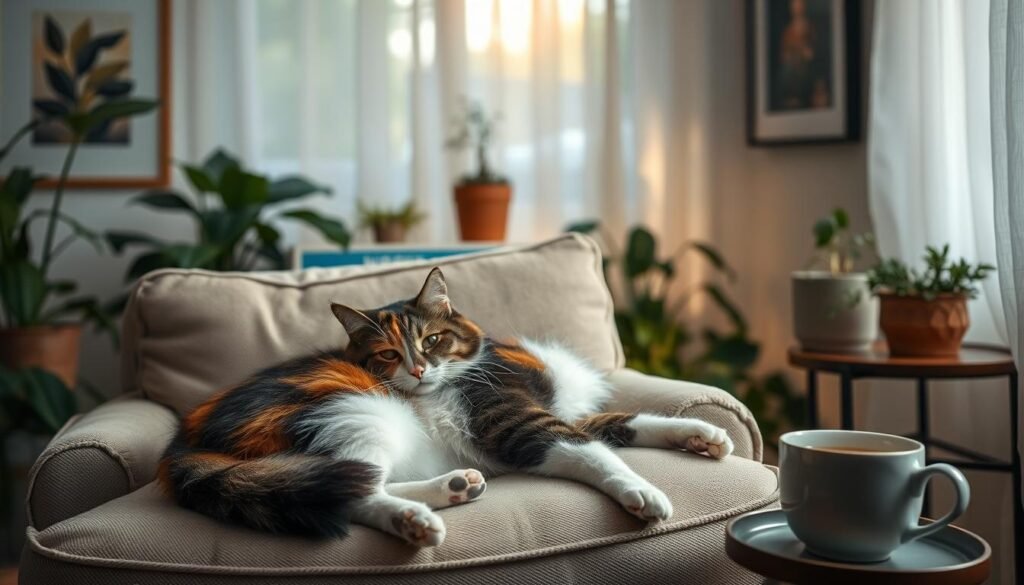
Stress levels drop when I’m with my cat purring. The vibrations in their purrs trigger a relaxation response. Many cat owners say their pets help them relax too.
Frequency Healing Properties
The purrs of cats have frequencies that are good for healing. Studies show that these frequencies can strengthen bones and reduce swelling and pain. It’s fascinating how cats can help us heal.
While more research is needed, millions of cat owners already know the benefits. My cat helps me recover faster from injuries. The vibrations and calming effect of their purrs are real and help us feel better.
This therapy is free and doesn’t need any special equipment. Cats don’t need training to help us. This makes feline companionship a simple way to improve our health.
11. Low-Maintenance Companionship for Modern Lifestyles
Cats are great for busy people because they’re independent. They don’t need daily walks and can stay alone while you work. They also use litter boxes that are easy to clean.
I travel for work, and my cat handles being alone better than a dog would. With automatic feeders and water fountains, she stays happy and healthy. This makes caring for a cat easy, even when you’re away.
Keeping a cat is cheaper than a dog. Food, litter, and vet visits cost less. They don’t need expensive grooming or training. Cats are perfect for people living in small spaces or apartments.
Cats are not less than dogs; they’re just different. Their unique traits make them great for certain lifestyles. Busy people, seniors, and those living in small spaces all benefit from having a cat.
12. Cats Provide Calming Presence Without High Energy Demands
My cat provides calm company without making me stressed. There’s no need to worry about exercising her a lot. She’s happy with short play sessions and then likes to nap.
Her calm nature is perfect for me. After a long day, I don’t have the energy for long walks. My cat welcomes me home and helps me relax without adding to my stress.
The bond with my cat is strong, even though she’s not high-energy. We have our own way of communicating and routines. She knows when I’m upset and comes to comfort me.
Watching cats can lower stress hormones. I find joy in her quirky behaviors, like chasing sunbeams. These moments of happiness make me feel content all day.
Cats are great for people with depression because they offer comfort without being too demanding. They help us keep routines, like feeding times, without needing a lot of effort. This makes feline companionship a great way to improve mental health.
Cats bring consistency to our lives, which is important. Knowing my cat needs me makes me feel responsible. Her presence reminds me I’m not alone, even on tough days. This reliable calming presence has really improved my mental health.
👥 Social Connections: Pet Ownership Improve My Health Through Community Building
Pet ownership brings many health benefits, including better social connections. When I got my rescue dog, I expected companionship and exercise. But I didn’t expect how much my social world would grow.
Soon, my quiet neighborhood became lively. Neighbors I’d never met became familiar during morning walks. The animal bonding for wellbeing helped me connect with others, changing how I felt about my community.
A study from Japan found that pet owners have stronger neighborhood ties. This is true for both men and women. Owning pets can improve your health by connecting you with others.
13. Meeting New Friends Through Dog Parks and Pet Events
Dog parks became my social spot. Every visit led to easy conversations. People would talk about my dog’s breed or share training tips.
Pets are great icebreakers. They help you meet new people naturally. I started meeting new friends and even joined local pet events.
Pet-friendly events brought more people together. Charity walks and adoption fundraisers were great for meeting others. These events helped me find friends who shared my values.
Building Local Community Ties
Pet ownership strengthens neighborhood bonds, a Japanese study found. Walking your dog leads to brief but meaningful chats with neighbors.
Before getting my dog, I rarely saw neighbors. But after three months, I knew six neighbors and had a dog-walking group. My dog helped me feel part of the community.
Feeling connected to your neighborhood is key. Studies show it’s linked to better mental health and longer life. My dog gave me a sense of belonging.
14. Creating Lasting Friendships With Fellow Pet Owners
Pet ownership leads to deep friendships. Dog parks and vet visits are great places to meet people. You share experiences and celebrate milestones together.
I met a close friend at the dog park. Our dogs became friends, and we started meeting for coffee. Our friendship grew from our shared love for our pets.
Pet owners understand each other’s joys and challenges. This creates strong bonds based on empathy and support. We help each other with pet care and offer emotional support.
Online pet groups also help build community. They’re places to share advice and meet others. These connections often lead to real friendships.
15. Combating Social Isolation in Seniors and Remote Workers
Pets help seniors and remote workers feel less alone. They provide companionship and opportunities for social interaction. Walking a dog helps you meet neighbors.
Studies show pets reduce loneliness in older adults. They help maintain mental and physical health. Pets give seniors reasons to stay active and connected.
Remote workers also benefit from pets. They help combat isolation by encouraging you to go outside. My dog made me more social.
Structured Social Interactions
Pet care schedules lead to regular social interactions. Walking your dog means seeing the same people. Training classes and vet visits add variety to your social calendar.
This structure helps fight loneliness. It’s easier to be social when it’s part of your routine. Pet care obligations motivate you to be social naturally.
Regular interactions build familiarity. Seeing the same dog walkers creates comfortable relationships. These interactions improve your wellbeing.
For seniors and remote workers, this is even more important. Regular social interactions combat isolation better than trying to socialize randomly. Knowing you’ll see familiar faces makes a big difference.
My dog helped me stay connected during stressful times. Walking him meant meeting friendly neighbors. This kept me engaged with my community.
The Japanese study found that pet owners have more social capital. Social capital is important for health. Pets help build this naturally through shared experiences and community presence.
Pets are a great way to expand your social circle or fight loneliness. The bond you form with your pet has a ripple effect, improving your social life.
Learn more about building community through pets on healthyvibeslife.com. We share tips on pet-friendly events and connecting with others. Subscribe to our newsletter for more on improving your social health through pets and other wellbeing strategies.
🔬 Pet Therapy and Scientific Evidence: Research-Backed Benefits
Learning about pet therapy research amazed me. It shows how pets help us in real ways. The love we feel from our pets is backed by science, showing health benefits.
The National Institutes of Health funds studies on humans and animals. They look at how pets and people affect each other. This research confirms what I’ve felt with my pets.
Studies prove that pets make us healthier. These aren’t just stories. They’re real health benefits seen in tests and records.
Pet Owners Live Longer: What Studies Reveal
Pet owners live longer than those without pets. This is a fact from long-term studies.
A Japanese study followed 8,821 people for years. It found pets make us happier and more connected to our communities.
This research made me glad I have pets. It shows they might add years to my life.
Cardiovascular Research and Mortality Rates
Pets are good for our hearts. Studies show they lower blood pressure and heart disease risk.
Studies also show pet owners die less from heart disease. Pets help our hearts by reducing stress.
Long-term studies show pets protect our hearts. Even diet and exercise can’t beat the heart benefits of pets.
Mental Health Longitudinal Studies
Studies on mental health are impressive. People with pets stay mentally well over ten years.
Pets help us feel better for years. They lower depression and stress, and make us happier.
These studies show pets help us stay strong emotionally. My pets help me face challenges with more strength.
Clinical Pet Therapy in Medical Settings
Pet therapy in hospitals is very effective. Trained animals help patients in many ways.
Pet therapy is used in many places. It improves patient health and well-being. Hospitals and mental health centers use it more.
Therapy animals, like dogs, help with mental health issues. They help with PTSD, anxiety, and autism. Dogs help kids with ADHD focus better.
Hospital Visitation Programs
Therapy dogs visit patients in hospitals. They help with pain, anxiety, and recovery.
Visits from therapy dogs improve patient health. These benefits are real and measurable.
Seeing therapy dogs in hospitals is powerful. They bring joy and healing to patients.
Nursing Home Animal Companionship
Animals in nursing homes help a lot. They reduce agitation in dementia patients.
Residents with pets are happier and more active. They enjoy social activities more and feel better emotionally.
Staff in nursing homes also benefit. They feel better and work more happily with pets around.
Emotional Support Animals and Certified Therapy Pets
It’s key to know the difference between pets. Emotional support animals, therapy animals, and service animals have different roles.
Emotional support animals comfort us but don’t need special training. They help with mental health. Doctors can prescribe them for patients.
Certified therapy pets are trained for specific tasks. They work in hospitals, schools, and more. They meet strict standards.
Research shows both types of animals help. Kids with autism are calmer with guinea pigs. Teens with diabetes manage their blood sugar better with pet fish.
- Service animals are trained to perform specific tasks for people with disabilities
- Therapy animals work with handlers to provide comfort in clinical or educational settings
- Emotional support animals offer comfort through companionship without specialized training
- All three categories provide documented health benefits backed by research
More research supports pet therapy every year. Pets help us in many ways, from casual companionship to formal therapy.
My experiences with pets match scientific research. The joy and health pets bring us are real and proven by science.
🏃 Animal Bonding for Wellbeing: Active Lifestyle Transformation
I never thought a pet would be my best fitness coach. Before getting my energetic dog, I hated exercise. I’d set gym goals, buy memberships, and quit after a few weeks.
But then, I learned that animal bonding for wellbeing does more than just offer emotional support. It changed how I see movement and health.
Now, I love working out. The old treadmill is gone, replaced by walks and playtime. These activities feel like fun, not chores.
16. Regular Exercise Becomes Enjoyable Instead of a Chore
Having a pet changed how I see exercise. I no longer dread the gym. Instead, I look forward to our daily adventures.
Walking my dog removes the negative thoughts that often stop people from exercising. I focus on her joy, not my body image.
Walking my dog is about her happiness, not my looks. It shifts my focus from self-criticism to her joy.
A study in the UK found dog owners are more active. This confirms what I’ve seen.
Being motivated to exercise comes from caring for a pet. It’s about feeling good, not just following a plan.
Walking a dog or playing with a pet boosts physical activity. This releases endorphins, improving mood. It shows how pets benefit our mental and physical health.
Walking my dog releases endorphins, making me feel better. This makes me want to move more, creating a positive cycle.
My active lifestyle is now natural. It comes from my bond with my pet, making it easy to keep up.
17. Built-In Accountability for Daily Movement
Pets keep us accountable in a way no app or trainer can. My dog doesn’t care about my excuses.
She needs her walk, making me consistent. When I’m tired, she motivates me to keep going.
My dog’s needs make me active. She waits by the door, ready to go. This motivates me to start my day.
Active play with my pet adds to my day. It’s not planned; it’s spontaneous.
Morning and Evening Walking Schedules
Walking my dog in the morning and evening does more than just keep me active. It organizes my day.
My dog expects her morning walk at 7 AM. This gets me moving early, before coffee.
This habit boosts my energy and focus. I arrive at work feeling positive and productive.
The evening walk helps me unwind. It keeps me active and reduces stress.
- Morning walks: Boost energy, improve focus, establish productive day rhythms
- Evening walks: Reduce work stress, facilitate mental transition, prevent sedentary evenings
- Consistent timing: Creates body clock regulation, improves sleep quality, builds sustainable habits
- Weather adaptability: Develops resilience, prevents excuses, ensures year-round consistency
These walks show that exercise motivation doesn’t need constant enthusiasm. It’s about creating systems that work.
18. Weight Management Through Active Pet Play
My active lifestyle has helped me manage my weight easily. I don’t follow strict diets or intense workouts.
Instead, weight management comes from the joy of moving with my pet. The calories burned add up over time.
This approach is sustainable because it doesn’t feel like deprivation. I’m just living an active life with my pet.
Active play with my pet burns calories without feeling like exercise. Games of fetch or running in the yard are fun, not work.
This mindset makes it easy to stay active. It’s not about forcing myself to exercise.
Caring for a pet can give structure and social opportunities. It reduces stress and boosts self-worth, improving mental health.
The benefits of animal bonding for wellbeing are holistic. Physical activity supports mental health, making an active lifestyle feel natural.
For more tips on staying active, visit healthyvibeslife.com. Subscribe to our newsletter for fitness tips and products that make active play with pets fun.
🧒 Family Health Benefits: How Pets Enhance Children’s Development
Pets bring many benefits to families, but they are even more special for children. They help kids grow and learn in ways that amaze parents. Pets can improve kids’ thinking, feelings, and even their health.
When kids have pets, they learn and grow in many ways. Pets help kids become more responsible and less likely to get sick. This is something that school and home life can’t always do.
19. Teaching Responsibility and Nurturing Empathy Skills
Pets teach kids about responsibility in a real way. Unlike doing chores, taking care of a pet shows kids how their actions affect others. For example, if a pet doesn’t get water, it shows kids the direct results of their actions.
Having a pet helps kids understand and care for others. They learn to read animal signals and meet their needs. This helps kids make better friends and family members.
As kids take on more pet care, they feel more confident. They learn to keep a pet happy and healthy. This confidence helps them do well in school and with friends.
Age-Appropriate Pet Care Tasks
It’s important to match pet tasks with a child’s age. This way, kids can learn and grow without feeling overwhelmed. Here’s a guide for different age groups:
- Ages 3-5: Help with water bowls, brush pets, and sit quietly during meals
- Ages 6-9: Feed pets, groom them, and walk them on a leash
- Ages 10-13: Take full care of pets, groom them, and walk them alone
- Ages 14+: Manage vet visits, give medicine, and budget for pets
This approach helps kids grow at their own pace. It makes them more responsible at home and in school.
20. Reducing Childhood Allergies Through Early Exposure
Many parents worry about pets causing allergies in kids. But research shows that pets can actually help prevent allergies. Early exposure to pets can make kids’ immune systems stronger.
Studies show that kids with pets have fewer allergies and breathing problems. This is because pets introduce them to different germs and allergens. It helps their immune system learn to fight off real threats.
This doesn’t mean every child will be allergy-free. But the data shows that pets can help protect most kids from allergies. Families with allergy histories should talk to doctors, but research supports the benefits of pets for kids’ health.
21. Emotional Regulation and Coping Skills Development
Pets offer emotional support that’s hard to find elsewhere. They help kids deal with daily challenges like school stress and friendship issues. Pets provide comfort and acceptance, helping kids feel safe to express their feelings.
Pets become emotional anchors for kids. They can calm down a child who’s feeling overwhelmed. This teaches kids that they can handle tough feelings and find ways to soothe themselves.
Emotional support animals have real benefits for kids with challenges. Kids with ADHD who read to therapy dogs show better social skills and fewer problems. The real presence of an animal makes a big difference.
Children with autism spectrum disorder also benefit from animals. Playing with guinea pigs in class can make them calmer and more social. Animals help kids connect with others in a safe way.
Animal Bonding for Wellbeing in Kids
The bond between kids and pets is special. It helps kids grow emotionally. For example, kids with diabetes who care for fish become more responsible about their own health.
This bond teaches kids about the importance of relationships. Pets depend on kids, but they don’t judge them. This teaches kids to be reliable and caring, even when it’s hard.
Pets help kids in many ways:
- Anxiety management: Petting animals can calm kids down
- Social skills practice: Caring for pets helps kids become more nurturing
- Routine and structure: Pet care gives kids a sense of security
- Physical affection: Hugging pets meets kids’ need for touch
- Confidence building: Taking care of pets boosts kids’ self-esteem
Parents often say their kids talk to pets about problems before talking to them. This helps kids practice expressing their feelings in a safe way. It builds their communication skills, which helps with people too.
Pets do more than just keep kids company. They help kids grow in many ways, from their immune system to their emotional intelligence. At healthyvibeslife.com, we believe in supporting every family member’s growth. Our newsletter has tips and resources for healthy family living, including pet care.
Pets bring many gifts to kids’ lives. They teach responsibility, empathy, and help with health and feelings. These benefits shape kids into healthier, more caring adults.
🐦 Other Animal Companions Boost Wellness Beyond Dogs and Cats
While dogs and cats are well-known, other animals also boost wellness in special ways. There are many pets that might fit your life better than traditional ones. These pets, like aquarium fish and birds, have health benefits backed by science.
Finding the right pet is all about matching your needs. Not everyone wants a dog or cat. Some people prefer quieter pets or ones that need more interaction.
22. Aquarium Fish for Stress Reduction and Mental Focus
Fish are more than just pretty to look at. They can really help with stress and focus. Studies show watching fish can lower your blood pressure and slow your heart rate.
Fish are great because they’re easy to care for. You don’t need to walk them or worry about allergies. Just watching them can make your day better.
A study with teens with diabetes found something interesting. Those who had fish showed better discipline with their diabetes care. Caring for fish helped them manage their health better.
Watching fish is like meditation. It’s calming and helps you relax. That’s why places like dental offices have aquariums. They help people feel calm and focused.
Our brains react differently to fish than to screens. Fish swimming is natural and calming. It’s like watching life without the stress of TV or phones.
The sound of fish tanks also helps. Many people find it soothing. It can help them sleep better or focus when working from home.
23. Rabbits and Guinea Pigs Offer Gentle, Quiet Companionship
Rabbits and guinea pigs are perfect for those who want a pet but don’t have a lot of space. They are friendly and easy to care for. They need less space than dogs and are more independent than cats.
Research shows kids with autism are calmer with guinea pigs. They have lower anxiety and better social skills. This shows these small animals can be therapy pets too.
Guinea pigs are very social and make sounds to communicate. They can even recognize their owners. Rabbits, on the other hand, have unique personalities and can be litter-trained.
Petting rabbits and guinea pigs is comforting. They are great for people who live in small spaces. They are also good for seniors or families teaching kids about responsibility.
24. Birds Provide Mental Stimulation and Daily Routine Structure
Birds are often overlooked when it comes to pets that help with wellness. They are very smart and can talk, which makes them great companions. Parrots, in particular, are as smart as young children.
Having a bird means you have a daily routine. They greet you in the morning and need to be fed. This helps people who work from home or have trouble with depression.
Training a bird is mentally stimulating. It keeps your mind sharp. You learn new things and solve problems together with your bird.
A study in Japan found that men with pets other than dogs were more attached to their neighborhoods. They had better social connections. This shows that having different pets can make you healthier.
Birds also help you meet new people. There are bird shows and clubs where you can share your love for birds. Your bird can start conversations and help you meet others.
| Pet Type | Primary Wellness Benefits | Ideal Living Situation | Care Level |
|---|---|---|---|
| Aquarium Fish | Stress reduction, blood pressure lowering, meditative focus, routine building | Any size home, apartments, offices, healthcare facilities | Low to moderate (depends on aquarium complexity) |
| Rabbits & Guinea Pigs | Gentle companionship, tactile comfort, teaching responsibility, autism support | Apartments, homes with moderate space, family environments | Moderate (daily feeding, weekly cleaning, regular handling) |
| Birds (Parrots, Parakeets) | Mental stimulation, daily routine structure, cognitive engagement, social connection | Homes where noise acceptable, dedicated bird space available | Moderate to high (daily interaction, mental enrichment needs) |
| Dogs | Exercise motivation, social facilitation, stress reduction, cardiovascular health | Homes with outdoor access, active lifestyle households | High (daily walks, training, significant time commitment) |
| Cats | Low-maintenance companionship, stress relief, purring therapy, independent affection | Apartments, homes, suitable for busy professionals | Low to moderate (self-sufficient but need attention) |
Finding the right pet is key to improving your wellness. Look into different pets and choose the one that fits your life best. Pet therapy benefits are not just for dogs and cats.
Whether you like the calm of fish, the softness of rabbits, or the intelligence of birds, there are many pets that can improve your health. The research shows that wellness comes in many forms and sizes.
💡 Making the Right Choice: Practical Considerations for Pet Ownership
Pet ownership can greatly improve your health, but it’s not without its responsibilities. It’s important to think carefully before bringing a pet into your home. This ensures you can provide the best care for your new friend.
Finding the right pet for you is key. Rushing into pet ownership can lead to stress and financial problems. It’s important to consider your lifestyle and what you can offer a pet.
Honestly Assessing Your Lifestyle and Living Situation
Before getting a pet, look at your current life. Think about what you can realistically provide. This will help you decide if pet ownership is right for you.
Your living situation affects which pets you can have. A small apartment might not be suitable for a large dog. Make sure your lifestyle matches your pet’s needs.
Dogs need space to run and exercise. If you live in a small apartment, a large dog might not be the best choice. Cats also need vertical space and toys to keep them happy.
Rabbits need safe areas to explore outside their cages. Even fish need the right tank size and care. Choosing the right pet for your space is important for their happiness and health.
Work Schedule Compatibility
Your work schedule is important when choosing a pet. Dogs need regular care and attention. If you work long hours, consider a pet that can be left alone.
Think about your lifestyle before getting a pet. If your work is demanding, it might not be the right time. The health benefits of pets are best when you can provide the care they need.
Understanding Financial Commitment and Healthcare Costs
Pet ownership comes with financial responsibilities. You need to plan for ongoing and unexpected costs. Proper budgeting ensures you can provide the best care for your pet.
Here are some costs to consider:
| Expense Category | Annual Cost Range | Considerations |
|---|---|---|
| Food and Treats | $250 – $700 | Quality nutrition prevents health issues |
| Routine Veterinary Care | $200 – $500 | Annual exams, vaccines, preventatives |
| Emergency Medical Fund | $500 – $5,000+ | Accidents and illnesses happen unexpectedly |
| Supplies and Equipment | $200 – $600 | Toys, bedding, grooming, replacements |
| Pet Insurance (Optional) | $300 – $800 | Protects against catastrophic costs |
These costs are averages and can vary. Larger dogs and certain breeds may cost more. It’s important to budget for all aspects of pet care.
Time Requirements for Different Pet Types
Each pet requires a different amount of time. Understanding these needs helps you choose the right pet for your schedule. Dogs need more time and attention than cats or fish.
Here’s what you can expect for daily time commitments:
- Dogs: 2-4 hours daily for walks, play sessions, training, feeding, and companionship. High-energy breeds need even more active engagement.
- Cats: 1-2 hours daily for play, enrichment activities, feeding, and litter box maintenance. Independent but they need regular interaction.
- Small mammals (rabbits, guinea pigs): 1-2 hours for exercise time outside enclosure, feeding, habitat cleaning, and gentle handling.
- Birds: 1-3 hours for out-of-cage time, training, mental stimulation, and social interaction depending on species.
- Fish: 30 minutes to 1 hour weekly for tank maintenance, water testing, and feeding (automated feeders reduce daily time).
These time estimates are minimums. Rushing through pet care can harm your relationship with your pet. The time you invest in your pet is key to a strong bond and health benefits.
Bringing home a new pet requires time and patience. Puppies and kittens need training and socialization. Adult pets from shelters may need time to adjust. Even low-maintenance pets need time to learn their care needs.
Adoption Versus Buying: Ethical and Practical Considerations
Choosing between adoption and buying a pet is a big decision. Both options have their pros and cons. Your choice affects not only your pet but also animal welfare.
Adopting a pet saves a life and opens up space for another animal in need. Shelter staff can provide valuable information about the pet’s personality and needs. Adoption fees often include important services like spaying/neutering and vaccinations.
Buying from a responsible breeder guarantees specific breed traits. They conduct health testing and provide ongoing support. Avoid puppy mills and irresponsible breeders who prioritize profit over animal welfare.
Whether you adopt or buy, the goal is to find the right pet for you. This ensures a happy and healthy relationship for both you and your pet.
The decision to own a pet requires careful consideration of living space, work schedules, and ability to meet the animal’s needs.
For more resources on wellness decision-making and healthy lifestyle choices, visit healthyvibeslife.com. Subscribe to our newsletter for ongoing guidance on pet wellness, care product recommendations, and tips for maintaining the health benefits of pets throughout your journey together.
🌟 Conclusion: Pet Ownership Can Truly Improve My Health and Yours
Exploring research and personal stories, I’m sure pet ownership boosts health in amazing ways. About 68% of U.S. homes have found pets offer more than just friendship.
Dogs help lower stress with walks and play. Cats soothe minds with their calm and purrs. Any pet, from dogs to cats to fish, can make our lives better.
Having pets can reduce anxiety and depression. It can also lower blood pressure and boost physical activity. Plus, pets can make our immune systems stronger and help us connect with others.
Being a pet owner is a big responsibility. But for those ready, the benefits are huge. They add joy, purpose, and energy to our lives.
I suggest you keep exploring wellness at www.healthyvibeslife.com. There, you’ll find lots of info on mental health, fitness, and nutrition. Sign up for our newsletter for health tips, travel ideas, and more. Let’s all work on making our lives healthier and happier together.