


Ever felt lost about what to eat to stay healthy? You’re not alone.
I’ve watched many struggle with mixed nutrition advice from social media, celebrities, and wellness gurus. The misinformation is huge. It leads to bad food choices and too many rules.
January is a great time to tackle this. Many of us start New Year health goals now. Before trying the latest diet, let’s look at the nutrition facts that really count.
In this guide, I’ll debunk seven common myths. My advice is based on solid evidence and focuses on lasting health. You don’t need strict rules or extreme diets to feel great.
The healthy eating truths I share are for everyone. No matter your nutrition knowledge, you can follow them. Check out www.healthyvibeslife.com and sign up for my newsletter for more health tips, travel deals, and fitness products.
Key Takeaways
- Nutrition misinformation creates widespread confusion about healthy eating and leads to poor dietary decisions
- January presents the ideal opportunity to separate fact from fiction before starting new wellness routines
- Evidence-based approaches to nutrition eliminate the need for extreme restrictions or rigid food rules
- Understanding actual science behind food helps you make empowered choices that support sustainable health
- Credible resources and expert guidance can cut through the noise of conflicting dietary advice
🔍 Why I’m Passionate About Debunking Common Diet Myths
I spent years trying every diet trend, hoping for lasting results. But instead, I faced frustration and a complicated relationship with food. I tried everything from extreme calorie restriction to expensive juice cleanses.
My journey taught me a valuable lesson. The problem wasn’t my willpower or discipline. It was the false information I believed.
The Real Price of Believing False Information
Following diet myths can lead to serious health issues. People develop health problems from eating too little based on social media trends. The damage is more than temporary disappointment.
Believing diet myths can harm your relationship with food for years. You might cut out important food groups, leading to nutritional deficiencies. You could also spend a lot of money on supplements and special foods that don’t work.
The biggest damage is to your mental health. Each failed diet based on false promises lowers your self-confidence. You start thinking you’re the problem when the real issue is the misinformation.
Here’s what happens to people who follow bad diet advice:
- Yo-yo dieting patterns that damage metabolism over time
- Disordered eating behaviors that require professional intervention
- Social isolation from avoiding meals with friends and family
- Constant anxiety around food choices and meal planning
- Physical symptoms like fatigue, hair loss, and digestive issues
How I Evaluate Nutrition Claims
I developed a system to tell fact from fiction in nutrition. It’s simple but requires patience and questioning popular diet beliefs.
I look for peer-reviewed scientific research in reputable journals. If a claim seems too good, I want to see the studies. I also check who funded the research, as conflicts of interest can affect results.
I consult with registered dietitians who rely on scientific evidence. Their advice is more valuable than celebrity endorsements. They spend years studying nutrition and stay current with research.
I also check if health organizations agree on nutrition principles. If groups like the American Heart Association and the Academy of Nutrition and Dietetics agree, it’s likely true.
Most importantly, I trust my body’s response. Scientific evidence is important, but so is personal experience. If a diet makes me feel good, it’s worth considering.
I’m not here to judge what you eat. I want to empower you with accurate information so you can make informed choices. Understanding the truth behind diet myths can help you make real progress.
🍽️ Myth 1: Eating Fat Makes You Fat
Remember when grocery stores were filled with “fat-free” products? People thought eating fat would make them fat. This myth was very damaging to weight loss efforts.
The low-fat movement from the 1980s to the early 2000s made dietary fat seem bad. It convinced many Americans that fat was the enemy.
But, research from the 1950s was wrong about dietary fats and heart disease. Food companies removed fat from products and added sugar and refined carbs instead. This move actually led to more obesity.
Now, let’s talk about what food science really says about fats. I’ll show you why some fats are good for your health and weight.
What Food Science Really Says About Dietary Fats
Dietary fat and body fat are not the same. Eating fat doesn’t automatically make you fat. Weight gain comes from eating more calories than you burn, not just from fat.
Fats are important for your body. They help your brain work, make hormones, and help you absorb vitamins A, D, E, and K. Without enough fat, your body can’t use these vitamins well.
Not all fats are the same. Let’s look at the different types so you can make better choices:
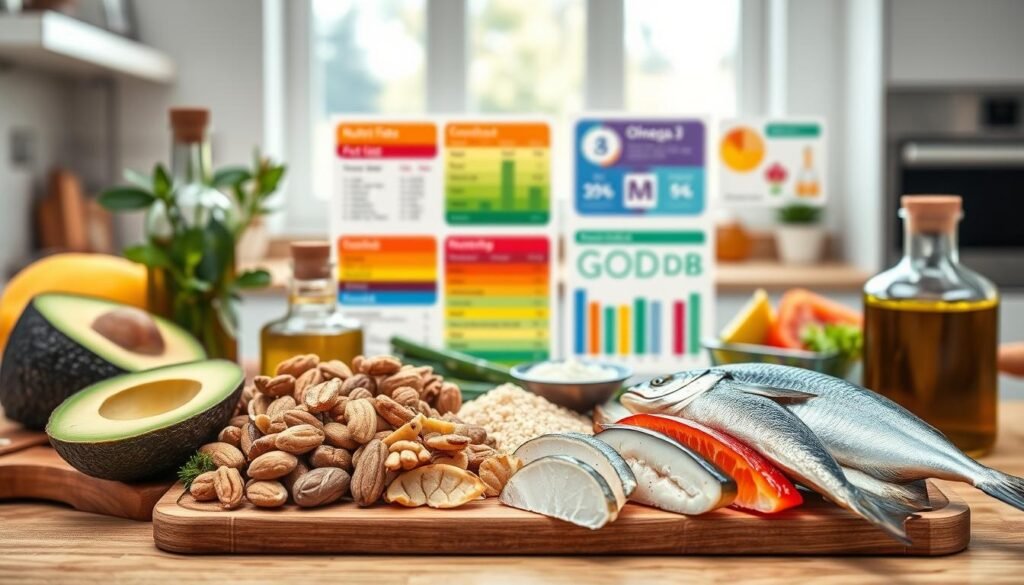
| Fat Type | Food Sources | Health Impact | Recommendation |
|---|---|---|---|
| Monounsaturated Fats | Olive oil, avocados, almonds, cashews | Reduces LDL cholesterol, supports heart health | Emphasize in daily diet |
| Polyunsaturated Fats | Fatty fish, walnuts, flaxseeds, chia seeds | Reduces inflammation, supports brain function | Include regularly, as omega-3s |
| Saturated Fats | Butter, coconut oil, red meat, full-fat dairy | Neutral to moderate impact when consumed in moderation | Enjoy in moderation as part of whole foods |
| Trans Fats | Partially hydrogenated oils in processed foods | Increases LDL cholesterol, raises heart disease risk | Avoid completely |
Research shows that replacing saturated fats with unsaturated fats is good for your heart. Studies found that this change lowers LDL cholesterol and heart disease risk.
Fats also help you feel full. Healthy fats increase satiety, helping you eat less. This is why low-fat diets often fail because they make you hungry.
Healthy Fats I Recommend for Sustainable Weight Loss
Based on healthy eating truths, I add specific fats to my diet. These fats are essential for health and weight management.
Avocados are a top choice for me. They’re full of monounsaturated fats, fiber, and potassium. I use extra virgin olive oil for cooking and dressing. Nuts like almonds, walnuts, and pecans are great snacks that offer protein and healthy fats.
Wild-caught fatty fish are on my menu at least twice a week. Salmon, sardines, and mackerel provide protein and omega-3s. When choosing animal products, I prefer grass-fed beef and pasture-raised eggs for better fat profiles.
The Mediterranean diet, rich in olive oil and fish, lowers heart disease, cancer, and cognitive decline risks.
Omega-3 Fatty Acids and Your Health
Most Americans don’t get enough omega-3s. Your body can’t make them, so you need to get them from food or supplements.
Omega-3s reduce inflammation in your body. Chronic inflammation causes many health issues, including heart disease and depression. Eating enough omega-3s helps fight these diseases.
The best omega-3 sources are fatty fish like salmon, sardines, and mackerel. Plant-based options include chia seeds, flaxseeds, and walnuts. I aim for two servings of fatty fish weekly and add ground flaxseeds to my oatmeal.
Research links omega-3s to better brain health and mood. They may help reduce depression and anxiety symptoms and support cognitive function as we age.
The Mediterranean Diet Advantage
The Mediterranean diet is one of the healthiest in the world. It focuses on healthy fats from olive oil, nuts, and fish, not avoiding fat.
People on the Mediterranean diet have lower heart disease, type 2 diabetes, and obesity rates. They live longer and have better brain function as they age. This shows that the right fats support health, not harm it.
I don’t expect you to change your diet overnight. Start with simple swaps. Use olive oil instead of butter, add nuts to your snacks, and choose fish for dinner.
A typical Mediterranean meal I enjoy includes grilled salmon, roasted veggies, a mixed green salad with walnuts, and whole grain bread. This meal is full of healthy fats, nutrients, and keeps me full without feeling heavy.
The main point is: don’t fear fat. Choose the right fats and avoid processed foods with trans fats and too much omega-6. Healthy fats in a balanced diet make weight management easier and improve your health.
⏰ Myth 2: Skipping Meals Speeds Up Weight Loss
Many people think skipping meals helps them lose weight faster. But this is a weight loss misconception. It doesn’t work as you might think.
They believe eating less means fewer calories. But your body is more complex than that.
How Meal Skipping Actually Affects Your Metabolism
Skipping meals doesn’t slow down your metabolism. That’s a common metabolism myth.
But skipping meals can lead to problems. Your body changes in ways that might make losing weight harder.
Here’s what happens when you skip meals:
- Energy levels plummet, making physical activity feel exhausting
- Concentration and decision-making ability decline significantly
- Stress hormones like cortisol may increase in response to perceived scarcity
- Hunger signals become overwhelming, often leading to overeating later
- Your body may adapt to irregular eating patterns in ways that make weight loss harder
It’s not that your metabolism crashes. It’s the effects of skipping meals that matter. Your body tries to balance itself, but irregular eating can make it harder.
The Truth About Intermittent Fasting vs. Meal Skipping
Some think intermittent fasting is just skipping meals. But it’s not the same.
Intermittent fasting has set times for eating and fasting. Meal skipping is random. The difference is huge.
Studies show intermittent fasting can help with weight loss. But it works mainly by reducing calories, not by magic.
Research shows intermittent fasting isn’t better than regular diets for weight loss when calories are the same.
Intermittent fasting isn’t for everyone. It can cause problems like tiredness and mood swings. Your age, health, and lifestyle matter.
What Happens to Your Blood Sugar
Skipping meals messes with your blood sugar. It goes up and down, affecting your mood and food choices.
When you skip a meal, your blood sugar drops. You feel shaky, irritable, and foggy. Your body is hungry.
Then, you eat, but you’re so hungry you choose high-sugar foods. Your blood sugar spikes, then crashes. This cycle makes you tired and hungry all day.
The solution is simple: eat balanced meals at regular times. This keeps your energy and blood sugar steady. It’s not exciting, but it works.
The Binge-Restrict Cycle I’ve Seen Too Often
People often skip meals to lose weight. They feel good at first. But then, biology takes over.
After restricting food, you feel incredibly hungry. You eat a lot in a short time, often feeling out of control.
Then, you feel guilty. “I have no willpower,” you think. So, you try to skip meals again, starting the cycle over.
This isn’t about willpower. It’s your body protecting you from starvation. Restricting food makes you hungrier and more focused on food.
Real weight loss isn’t about deprivation. It’s about eating well and consistently. This gives you energy and helps you lose weight slowly.
Find a meal plan that fits your life and keeps you energized. Choose something you can stick to without feeling deprived or tired.
🥤 Myth 3: Detox Diets and Juice Cleanses Remove Toxins
Your body has a built-in detox system that works all the time. It doesn’t need special juices or pills. Many people spend a lot of money on cleanses that don’t work.
The detox industry makes a lot of money by selling fad diets. These diets promise to remove toxins from your body. They sound good when you feel bloated or tired.
But, the science shows these cleanses don’t work as promised. Sometimes, they can even harm your health.
Why Fad Diets Don’t Work the Way You Think
When I talk to clients about detox claims, I ask a simple question. They never tell me which toxins they remove. It’s because these diets aim for quick weight loss, not real detox.
The weight you lose on a juice cleanse is mostly water and digestive stuff. When you eat normally again, that weight comes back. This creates a cycle of disappointment.
Detox diets can cause serious problems. They can make you feel tired, irritable, and dizzy. Some people can’t work or exercise because they’re too weak.
After the cleanse, you might start eating too much. Your body gets hungry and craves food more when it’s starved. This makes it hard to eat healthy later on.
How Your Liver and Kidneys Already Detoxify Your Body
Your body has a detox system that’s been working for millions of years. It’s amazing how well your organs work without any special help.
Your liver processes harmful stuff every day. It turns toxins into safe forms that your body can get rid of. This happens all the time, whether you’re drinking green juice or eating regular food.
Your kidneys filter a lot of blood every day. They remove waste while keeping important nutrients and fluids. They don’t need any special cleanse to work well—they just need water and good health.
Your body also gets rid of toxins through your lungs, skin, and lymphatic system. This is a complete system that works well on its own.
“The idea that you can speed up or improve your body’s detox process with special diets or products is not backed by science. Your liver and kidneys are very good at this job already.”
The Marketing Behind Cleanse Products
I want to help you be more careful about wellness claims. The detox industry is huge, and it uses tricks to make you believe in diet myths.
They scare you with stories about toxins and pollutants. They share fake testimonials and use fake science words. It sounds impressive but isn’t true.
The before-and-after photos in cleanse ads are often just water weight loss. I’ve learned to spot these tricks. Be skeptical of such claims.
Real Ways to Support Your Body’s Natural Detoxification
Instead of buying into cleanses, focus on real ways to help your body detox. These methods are based on science and are good for the long term.
Here’s what really helps:
- Stay well-hydrated by drinking lots of water to help your kidneys get rid of waste
- Eat plenty of fiber from veggies, fruits, and whole grains to help your digestive system
- Include cruciferous vegetables like broccoli and cauliflower to help your liver detox
- Limit alcohol intake to ease the load on your liver
- Get enough sleep for your body to repair and work properly
- Exercise regularly to help your body sweat and circulate
- Manage stress with meditation, yoga, or other relaxation methods
Some people ask about drinks that help detox. Dandelion tea is good for your liver and is affordable. Exercise or sauna use also helps your body sweat out toxins.
Remember, you don’t need expensive cleanses. Your body already has a great detox system that works every day.
| Detox Cleanse Claims | Scientific Reality | Better Alternative |
|---|---|---|
| Removes accumulated toxins from organs | No evidence that specific toxins are removed beyond normal function | Support liver and kidney health with hydration and balanced nutrition |
| Causes rapid weight loss | Temporary water weight and digestive content loss, not fat loss | Sustainable calorie deficit with nutrient-dense foods |
| Boosts energy and metabolism | Severe calorie restriction actually decreases energy and metabolic rate | Regular exercise and adequate sleep for sustained energy |
| Resets your digestive system | May actually disrupt healthy gut bacteria and digestion | Consume fiber-rich foods and fermented foods for gut health |
I’ve helped many people avoid fad diets and focus on real, lasting health. Your body doesn’t need a reset button. It needs good nutrition, hydration, sleep, and stress management.
By understanding how your body detoxifies, you can avoid diet myths. Your liver, kidneys, and other organs are already doing a great job. No juice cleanse needed.
🍞 Myth 4: Carbs Are Your Weight Loss Enemy
Many people cut out carbs thinking they’re bad for weight loss. This idea has been around for decades, from the Atkins diet to keto trends. It seems like cutting out carbs would lead to quick weight loss.
But, carbs themselves don’t make you gain weight. It’s about how our bodies use energy and the type of carbs we eat.
Understanding Carbohydrates and Healthy Eating Truths
Carbs are our body’s main energy source, with our brain needing about 120 grams daily. Looking at nutrition facts, carbs are not all the same. They have different effects on health and weight.
Weight gain happens when you eat more calories than you burn. This is true for all types of calories, not just carbs.
But, many carb-rich foods today are processed and full of calories. This can lead to overeating and blaming carbs. Think about the difference between eating an apple and drinking apple juice, or whole grain bread versus white bread.
Health experts say adults should get 45-60% of their calories from carbs. This is based on research showing it’s good for health. The key is to eat nutrient-rich carbs and keep added sugars low.
Complex Carbs vs. Simple Sugars: The Distinction That Matters
Learning the difference between simple and complex carbs is key. It’s more important than just counting calories or avoiding carbs.
Simple sugars, found in candy and baked goods, are quickly digested. They cause blood sugar spikes and crashes, making you hungry again soon.
Complex carbs, like whole grains and legumes, are digested slowly. They provide steady energy and keep you full longer.
| Carbohydrate Type | Common Sources | Digestion Speed | Health Impact |
|---|---|---|---|
| Simple Sugars | Candy, soda, white bread, pastries, fruit juice | Rapid (15-30 minutes) | Blood sugar spikes, increased hunger, energy crashes |
| Complex Carbohydrates | Oats, brown rice, quinoa, beans, sweet potatoes | Slow (2-3 hours) | Steady energy, prolonged satiety, stable blood sugar |
| Refined Grains | White rice, regular pasta, crackers, pretzels | Moderate (1-2 hours) | Some nutrients removed, less fiber, moderate blood sugar impact |
| Whole Grains | Whole wheat, barley, bulgur, wild rice, whole grain pasta | Slow (2-4 hours) | High fiber, B vitamins, minerals, reduced disease risk |
Whole Grains and Fiber Benefits
I always suggest eating more whole grains. Foods like oats, brown rice, and quinoa are very healthy. They offer benefits beyond just counting calories.
Fiber is very important for your health. It helps with digestion, feeds good bacteria in your gut, and controls blood sugar and cholesterol.
Fiber also helps you feel full, which is great for weight management. It can lower the risk of heart disease, diabetes, and some cancers.
Most Americans only get 12-15 grams of fiber a day, half of what they should. Cutting out whole grains makes it hard to get enough fiber. You’ll miss out on important nutrients like B vitamins and minerals.
Here are some fiber-rich foods I recommend:
- One cup of cooked oatmeal provides 4 grams of fiber
- One cup of cooked quinoa delivers 5 grams of fiber
- One cup of cooked lentils offers an impressive 16 grams of fiber
- One medium sweet potato with skin contains 4 grams of fiber
- Three cups of air-popped popcorn gives you 3.5 grams of fiber
Why Athletes Need Carbohydrates
Carbs are very important for athletes. They fuel high-intensity exercise and improve performance. Sports nutrition products are mostly carbs for a reason.
Not enough carbs can hurt athletic performance. Athletes who eat too few carbs may struggle to train well, recover slowly, and get injured more easily. Their bodies need enough fuel to perform at their best.
Even if you’re not an athlete, carbs are essential for daily energy. They help keep your mood and brain sharp all day. They help you stay active, focused, and productive.
The truth about carbs is clear: they’re safe and good for most people when chosen wisely. It’s not just about avoiding carbs or counting grams. Focus on whole foods like fruits, veggies, legumes, and whole grains. Limit added sugars and processed foods.
Removing carbs from your diet can lead to missing out on important nutrients. It can also mean eating more saturated fat. A balanced diet with quality carbs, protein, and healthy fats is best for weight management and health.
💊 Myth 5: Dietary Supplements Can Replace Real Food
The idea of getting all your nutrition from a simple pill is tempting. Skipping grocery shopping and cooking for a few capsules sounds great.
The supplement aisle can be overwhelming. There are many bottles promising to fill nutritional gaps and boost health.
Dietary supplements cannot replace what real food provides. They have their place but are not shortcuts to good nutrition.
The Limitations of Pills and Powders
When I explain food science, I stress one key point. Whole foods have thousands of bioactive compounds that work together in complex ways.
A single apple doesn’t just give you vitamin C. It also gives fiber, antioxidants, and phytochemicals, among other things. These substances work together in a way we’re just starting to understand.
Dietary supplements usually have isolated nutrients. These forms may not be as easily absorbed by your body as nutrients from real food.
The quality of supplements varies a lot. They’re not regulated as strictly as medications. This means products may not have what their labels say. Some may even have harmful contaminants or too much of certain nutrients.
Research shows that nutrients from whole foods are linked to health benefits. But the same nutrients in supplement form often don’t have the same benefits.
In some cases, supplements can even cause harm:
- High-dose beta-carotene supplements increased lung cancer risk in smokers
- Excessive vitamin E supplements may increase mortality risk
- Megadoses of certain minerals can throw off delicate nutrient balances
- Fat-soluble vitamins (A, D, E, K) can build up to toxic levels
The “more is better” mentality doesn’t apply to nutrition. Your body needs specific amounts of nutrients. Too much can be just as bad as too little.
When I Actually Recommend Dietary Supplements
I’m not against supplements. There are times when they can really help improve health.
But they should only supplement, not replace, a healthy diet. I recommend them for people with specific needs, like those with diagnosed deficiencies or certain medical conditions.
Here’s my evidence-based view on when supplements are okay:
| Population Group | Common Supplement Needs | Why It’s Needed |
|---|---|---|
| Pregnant women | Folic acid, iron | Prevents neural tube defects; supports increased blood volume |
| Vegans | B12, vitamin D, omega-3s | Nutrients found mainly in animal products |
| Older adults | B12, vitamin D, calcium | Reduced absorption capacity; limited sun exposure |
| People with limited sun exposure | Vitamin D | Difficult to get enough from food alone |
Vitamin D and B12 Considerations
Let’s talk about two nutrients that often need supplements, even for healthy eaters.
Vitamin D is hard to get from food alone. It’s found in fatty fish, egg yolks, and fortified dairy. But these sources don’t give you much.
Many people are vitamin D deficient. This is true for those living in northern latitudes, with darker skin, or who spend little time outdoors. Vitamin D is important for bone health, immune function, and mood.
I often suggest 1,000-2,000 IU daily for many people after talking with their healthcare provider. This is one supplement with strong evidence supporting its use for specific groups.
Vitamin B12 is another challenge. It’s mainly found in animal products, making supplements essential for vegans and often beneficial for vegetarians.
Older adults also often need B12 supplements. As we age, our stomach acid decreases, making it harder to absorb B12 from food. Supplements or fortified foods are important for this group.
The Whole Foods Advantage for Nutrition
Now, let’s focus on where it belongs: real, minimally processed foods. No matter how advanced food science gets, we can’t replicate what nature provides.
Whole foods offer unique benefits that supplements can’t match:
- Fiber that supports digestive health and keeps you full (completely absent from supplements)
- Satiety and pleasure from the eating experience itself
- Full spectrum of nutrients working together synergistically
- Hydration from foods with high water content like fruits and vegetables
- Beneficial gut bacteria fed by diverse plant foods
There’s a built-in safety mechanism with whole foods. It’s hard to overdose on nutrients from food. Try eating enough spinach to reach toxic levels of vitamin K—you’d give up long before any harm occurred.
Here are my practical tips for building a nutrient-dense diet that minimizes your need for supplements:
- Eat a colorful variety of fruits and vegetables daily—aim for at least five servings
- Include lean proteins from diverse sources (fish, poultry, legumes, eggs)
- Choose whole grains over refined options whenever possible
- Incorporate nuts, seeds, and legumes regularly for minerals and healthy fats
- Don’t rely on any single food or food group for all your nutritional needs
Let food be thy medicine and medicine be thy food.
This ancient wisdom is true today. While modern dietary supplements have their place, they work best as insurance for specific nutritional gaps—not as shortcuts to good nutrition.
I encourage you to view supplements as exactly what they’re meant to be: supplementary. Focus first on building a foundation of nutrient-rich whole foods. Then, if needed, work with qualified healthcare providers to identify specific deficiencies or needs that might benefit from supplementation.
Always discuss supplementation with your doctor or registered dietitian, as supplements can interact with medications or be contraindicated for certain health conditions. What works for your neighbor or favorite influencer might not be right for you.
🔢 Myth 6: All Calories Are Equal for Weight Loss
Many people believe that all calories are the same, no matter where they come from. For years, we’ve been told to just count calories to lose weight. But, this simple view ignores how our bodies process different foods.
Two diets with the same calories but different foods can lead to different results. You might lose weight, change your body composition, or feel full longer. It’s all about what you eat, not just how much.
Knowing that not all calories are equal helps you make better food choices. It helps you avoid the cycle of counting calories but feeling hungry. Let’s look at the nutrition facts that matter more than just calorie counts.
Why Calorie Counting Alone Doesn’t Tell the Whole Story
Calorie counting is useful for understanding portion sizes. But, it doesn’t tell you everything about losing weight.
Calorie counts on labels can be off by up to 20%. Your body doesn’t absorb all calories from food, like those high in fiber. Plus, how your body burns calories varies a lot.
Strict calorie counting can make you anxious about food. It can make you ignore when you’re full. And, it can make you forget about the quality of your food.
Calorie counting doesn’t show how different foods affect your hunger or energy. These factors are key to keeping you on a diet. This is where the idea that all calories are the same falls apart.
The Quality vs. Quantity Debate in Nutrition Facts
While calorie quantity is important, food quality matters too. The quality of your food affects your hunger, energy, and health. These are important points to understand.
For example, 200 calories from almonds are better than 200 calories from candy. Almonds give you protein, healthy fats, and fiber. Candy gives you a quick sugar rush and then leaves you hungry again.
This difference between quality and quantity is key. It shows how our bodies react differently to different foods.
Protein Calories vs. Sugar Calories
Protein is very filling, which helps you eat less. It also helps you keep your muscle mass while losing weight. Muscle burns more calories than fat, even when you’re not moving.
Protein also helps your body recover from exercise. It takes more energy to digest than other foods. And, it might even increase your metabolism.
On the other hand, calories from sugar and refined carbs cause big spikes in blood sugar. They make you hungry and can lead to fat storage. I’ve seen people eat the same number of calories but get different results based on their diet.
The Thermic Effect of Food
Your body uses energy to digest and process food. This is called the thermic effect of food. The amount of energy needed varies with the type of food.
Protein uses 20-30% of the calories you eat to process it. Carbs use 5-10%. Fats use almost none. This means that eating more protein can help you burn more calories.
This small difference can add up over time. It makes calorie counting more complex than it seems.
| Macronutrient | Thermic Effect Range | Calories Burned Per 100 Consumed | Net Calories Available |
|---|---|---|---|
| Protein | 20-30% | 20-30 calories | 70-80 calories |
| Carbohydrates | 5-10% | 5-10 calories | 90-95 calories |
| Fats | 0-3% | 0-3 calories | 97-100 calories |
I don’t want you to get too caught up in counting calories. Understanding food quality is more important. Choose whole foods with protein, fiber, and nutrients. This approach helps you lose weight and stay healthy in ways counting calories can’t.
🚀 Myth 7: Certain Foods Can Dramatically Boost Your Metabolism
Many people ask about foods that “speed up metabolism.” The idea of losing weight easily by eating special foods is tempting. It’s no wonder these myths are so popular.
But, the truth is less exciting. No single food can dramatically change your metabolic rate or lead to significant weight loss alone. Let’s look at what food science really says about metabolism.
Common Metabolism Myths I Need to Address
Several metabolism myths are widespread. I aim to debunk the most common ones with scientific evidence.
One myth says eating small meals often “stokes the metabolic fire.” But, research shows meal frequency doesn’t greatly affect calorie burn. What matters is your total calorie and nutrient intake throughout the day, not how many meals you eat.
Some people eat six small meals a day and do well. Others prefer three big meals or intermittent fasting. Both methods can help with weight management.
Another myth is about “negative calories,” foods that require more energy to digest than they provide. While foods like celery are low in calories and high in fiber, no food has negative calorie content. Your body efficiently extracts energy from everything you eat.
A third myth is that dieting “damages” or permanently slows your metabolism. While your body may burn fewer calories during significant weight loss, this isn’t permanent damage. Your metabolism can recover, thanks to strength training and proper nutrition.
Lastly, many believe metabolism stops at night or that late-night eating automatically stores as fat. Your body burns calories 24/7 for basic functions like breathing and cell production. The timing of eating matters less than total intake and food quality.
What Actually Influences Your Metabolic Rate
Knowing what really affects your calorie burn helps focus on effective strategies. Let’s explore the real factors behind your metabolic rate.
Your basal metabolic rate (BMR) accounts for 60-75% of daily calorie expenditure. This includes calories burned for basic life functions like breathing and cell production. Even while you sleep, your body is always working.
Physical activity accounts for 15-30% of calorie burn. This includes structured exercise and non-exercise activity like fidgeting and housework. The thermic effect of food—the calories burned digesting and processing what you eat—accounts for about 10%.
Muscle Mass and Resting Metabolism
The most impactful changeable factor affecting your metabolic rate is the amount of lean muscle tissue you have. This is where you have significant control over your metabolism.
Muscle tissue is metabolically active, burning calories even at rest. Fat tissue, on the other hand, is relatively inactive. Each pound of muscle burns about 6-10 calories per day at rest, compared to 2-3 calories per pound of fat.
This means someone with more muscle mass can eat more calories without gaining weight. I’ve seen this transformation many times—clients who build muscle through strength training find it easier to maintain weight.
Strength training is invaluable for long-term weight management. Building and maintaining muscle through resistance exercise helps preserve metabolic rate, which is important during weight loss when the body tends to lose both fat and muscle.
My practical recommendations include:
- Incorporate strength training at least 2-3 times weekly
- Progressively challenge your muscles with increasing resistance
- Consume adequate protein to support muscle maintenance and growth
- Be patient—building muscle is a gradual process that takes months, not weeks
Age, Hormones, and Genetics
Some factors affect metabolism but are less under our direct control. Understanding these helps set realistic expectations without using them as excuses.
Metabolism naturally slows with age, mainly because we lose muscle mass and become less active. Hormonal changes also play a role. The good news? This decline isn’t inevitable.
Maintaining muscle mass and activity level can significantly offset age-related metabolic slowing. I know active 60-year-olds with better metabolic health than sedentary 30-year-olds.
Several hormonal factors influence metabolism:
- Thyroid function—hypothyroidism can significantly slow metabolism and should be medically evaluated if suspected
- Cortisol—chronic stress and elevated cortisol may promote fat storage, mainly in the abdominal area
- Insulin sensitivity—affects how efficiently your body processes carbohydrates
- Sex hormones—influence body composition and metabolic rate
Genetics do play a role in metabolic rate. Some people naturally have faster or slower metabolisms. But, this doesn’t doom anyone to weight gain or prevent weight loss. It simply means individual calorie needs vary, sometimes significantly.
The Truth About Green Tea and Spicy Foods
Now, let’s address the foods most commonly touted as metabolism boosters. I’ll share the honest, evidence-based truth based on food science research.
Green tea contains caffeine and catechins, including EGCG, which may modestly increase calorie burning. Studies suggest an increase of about 3-4%, or roughly 60-80 calories per day. While this is a real effect backed by research, it’s modest and definitely not a magic solution.
Spicy foods containing capsaicin—the compound that makes peppers hot—show a similar small effect. Research indicates possibly increasing calorie burn by 50 calories per day and potentially slightly reducing appetite. Some people find spicy foods help with portion control, which matters more than the metabolic effect.
Coffee and caffeine can temporarily boost metabolism by 3-11% and enhance fat burning, mainly before exercise. But, regular consumers develop tolerance to these effects. Your daily morning coffee isn’t meaningfully changing your metabolic rate if you drink it every day.
| Factor | Perceived Metabolic Impact | Actual Metabolic Impact | Daily Calorie Difference |
|---|---|---|---|
| Green Tea | Major metabolism booster | Modest temporary increase | 60-80 calories |
| Spicy Foods | Burns fat dramatically | Minor thermogenic effect | 30-50 calories |
| Meal Frequency | 6 meals “stokes metabolic fire” | No significant difference | 0 calories |
| Building 5 lbs Muscle | Minimal impact | Significant sustained increase | 30-50 calories daily |
| 30 Minutes Daily Exercise | Moderate impact | Substantial calorie burn plus afterburn | 200-400 calories |
While these foods may provide small metabolic benefits, the effect is so modest that focusing on them distracts from strategies that actually make meaningful differences. Building muscle through strength training, staying physically active throughout the day, and eating adequate protein create far greater impact.
Other factors that genuinely influence metabolism include getting enough sleep—poor sleep disrupts hormones that regulate metabolism and appetite—and managing stress effectively. A nutrient-dense diet with appropriate calorie intake for your goals provides the foundation.
The fundamental, unglamorous truths about metabolism—move more, build muscle, eat well, sleep enough, manage stress—are what actually work for sustainable weight management.
I understand why metabolism myths are so persistent. They’re marketed heavily because they’re profitable. Selling green tea extract supplements or metabolism-boosting meal plans is far more lucrative than telling people to lift weights consistently and eat balanced meals.
The reality is less exciting but far more effective. Focus your energy on the fundamentals that create real change, not on chasing marginal gains from so-called superfoods.
✅ Moving Beyond Diet Myths: Your Path to Sustainable Health
You now have the tools to separate diet myths from healthy eating truths. I’ve walked you through seven major misconceptions that might have shaped your eating habits for years.
Letting go of these diet myths can feel strange at first. You might wonder what rules to follow now. The good news is that sustainable health doesn’t require extreme restrictions or complicated plans.
Focus on the basics that actually work. Eat plenty of vegetables and fruits. Choose whole grains over refined options. Include lean proteins and healthy fats in your meals. Stay hydrated and move your body regularly. Get enough sleep and pay attention to your hunger cues.
Start small today. Pick one myth you’ve been following and let it go. Add one evidence-based habit from this article. Listen to your body’s signals instead of external rules.
I invite you to explore www.healthyvibeslife.com for more evidence-based nutrition information. You’ll find articles on weight management, healthy recipes, and wellness tips that build on what you’ve learned here.
Subscribe to the Healthy Vibes Life newsletter to receive regular wellness tips, travel deals for healthy getaways, and fitness product recommendations. You’ll get practical information delivered straight to your inbox without the confusion of conflicting advice.
You deserve an approach to eating that supports both your health and enjoyment. Sustainable wellness comes from consistent, moderate habits. Share this article with anyone struggling with these same diet myths.