

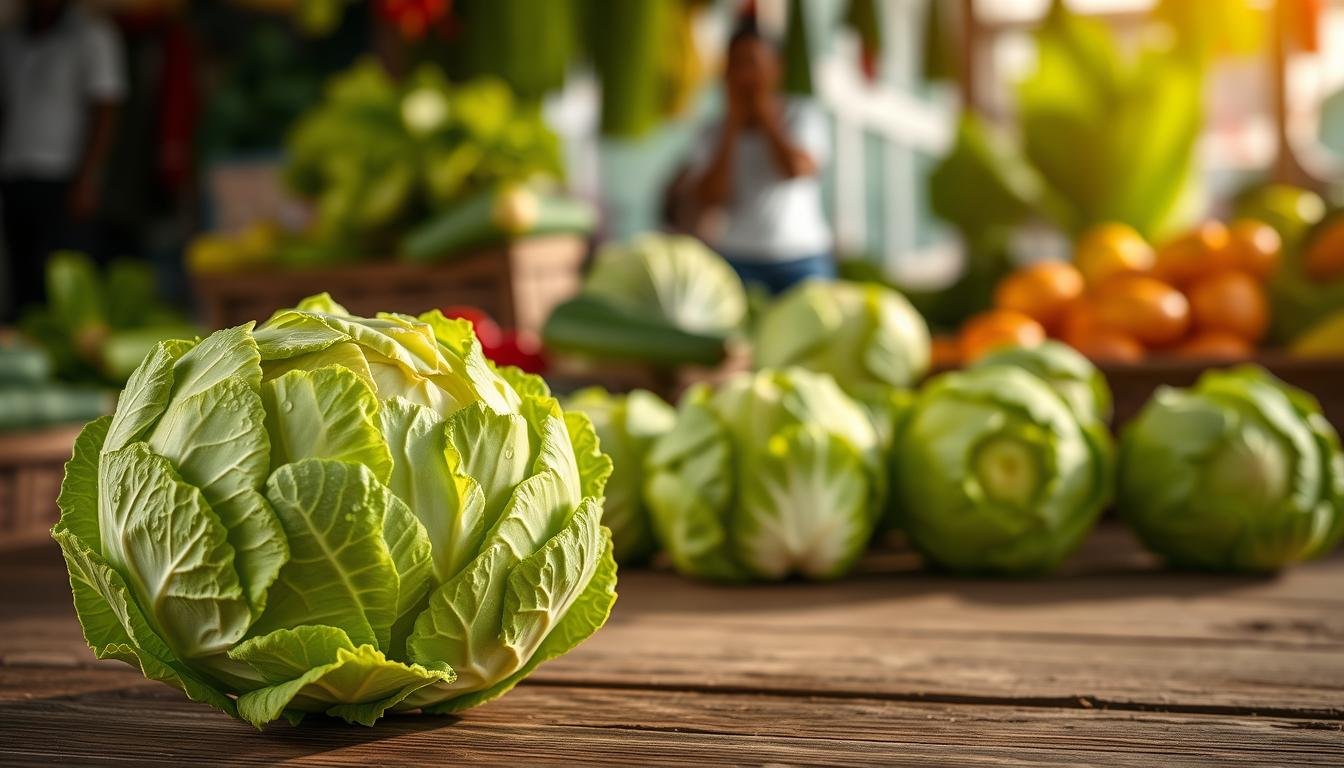
What if I told you the most powerful nutritious vegetable in your grocery store costs less than a fancy coffee?
I used to ignore cabbage in the produce aisle. I thought healthy eating meant buying expensive organic greens and trendy superfoods. But my grocery bills were over $200 a week, so I had to find a better way.
Then I found out that this simple budget superfood packs more nutrition per dollar than those pricey powders. It’s just pennies per serving for amazing health benefits.
With food prices going up in the United States, I tested if affordable vegetables could be as good as the pricey ones. The results were surprising. I found three myths that stop Americans from using this amazing vegetable.
I want to show you that healthy eating doesn’t need to be expensive. Let’s debunk these myths and see why this underappreciated vegetable should be a key part of your meals.
Key Takeaways
- This humble vegetable costs less than $1 per pound while delivering exceptional nutritional value
- Expensive superfoods aren’t necessary for healthy eating when nutrient-dense staples are available
- Three common myths prevent Americans from maximizing this vegetable’s benefits
- Rising food costs make budget-friendly nutrition more important than ever
- Personal research proves affordable options can outperform trendy expensive alternatives
- Simple kitchen staples provide significant health benefits at pennies per serving
🥬 Why I Believe Cabbage Is America’s Most Underrated Superfood
I never thought a cheap vegetable could change my eating habits. I used to think cabbage was only for my grandma’s cooking. It seemed too simple to be good for my health.
But then I looked into the health benefits of budget-friendly vegetables. This changed how I shop and cook for my family.
How This Humble Vegetable Became My Kitchen Secret Weapon
During a tight month, I found cabbage in the store. It was $1.29 for a big head. This was a big deal for me.
The organic kale was $4.99 for a small bunch. But cabbage was a steal. It was a game-changer for my meals.
One head of cabbage made five meals for my family. We had stir-fries and slaws that were cheap but delicious. Even my kids loved the roasted cabbage wedges.
My grocery bills went down by 30%. But the real win was the health benefits. Cabbage was packed with vitamins and antioxidants.
This cheap veggie had more vitamin C than oranges. It also had cancer-fighting compounds. It was better than the expensive superfoods I bought.
The Real Definition of Superfood Status
I’ve studied nutrition for years. The term “superfood” is often misused. A true superfood must be nutrient-dense, affordable, and versatile.
Cabbage meets all these criteria. It’s low in calories but high in vitamin C. It’s also full of vitamin K, folate, and antioxidants.
The compounds in cabbage may help prevent cancer. They break down into substances that protect cells. This is backed by scientific research.
Cabbage also fights inflammation. I’ve noticed less joint pain from eating more of it. Its polyphenols and sulfur compounds work together to reduce inflammation.
Unlike expensive berries, cabbage is affordable all year. It’s cheaper than coffee but full of nutrients. This makes it America’s most underrated superfood.
Cabbage is also incredibly versatile. I use it raw, fermented, roasted, sautéed, and in soups. Each way preserves different nutrients and flavors.
💰 Myth #1: Cheap Vegetables Like Cabbage Can’t Be Nutritious
Many believe that cheap food is not good for you. This idea stops people from eating healthy because they think it’s too expensive. It makes them choose unhealthy options instead.
At the grocery store, people often ignore cabbage for more expensive greens. But, many nutrient-dense foods are humble staples that have been feeding families for generations.
Price doesn’t always mean quality. What’s inside the food is what really matters. Let me show you what’s in cabbage.
The Complete Cabbage Nutrition Breakdown
I’ll give you the facts about cabbage nutrition. These aren’t just claims. They’re real data that shows why cabbage is a nutritional powerhouse.
Knowing what’s in each serving makes cabbage a great choice for your budget.
Vitamins and Minerals in Green Cabbage
One cup of raw green cabbage is packed with nutrients. The vitamin and mineral content surprised me when I first looked into it.
Here’s what you get in a single cup:
| Nutrient | Amount per Cup | % Daily Value | Primary Benefit |
|---|---|---|---|
| Vitamin K | 68 mcg | 85% | Blood clotting and bone health |
| Vitamin C | 32.6 mg | 54% | Immune function and collagen production |
| Folate | 38.3 mcg | 10% | Cell growth and DNA formation |
| Vitamin B6 | 0.1 mg | 6% | Brain development and immune support |
| Manganese | 0.2 mg | 8% | Metabolism and antioxidant function |
The vitamin K in cabbage is a big reason to eat it often. It helps with blood clotting and keeps bones strong as we age.
Vitamin C is key for immune health and collagen. This means healthier skin, stronger joints, and better wound healing.
Folate is also important. It’s great for pregnant women and heart health.
Fiber Content and Calorie Count
Cabbage is great for weight management. One cup has just 22 calories but 2 grams of fiber.
This fiber keeps you full and aids digestion. It’s impressive for such a low-calorie food.
Eating a lot of cabbage won’t overload you with calories. A half-head is only 110 calories. It’s hard to find another food that offers so much volume for so few calories.
The carbs in cabbage are mostly fiber. This makes it perfect for low-carb diets.
How Cabbage Stacks Up Against $15 Superfoods
I wanted to see if expensive “superfoods” are worth it. The results were eye-opening.
What I found will likely surprise you too.
Cabbage vs. Kale: The Shocking Truth
Kale is seen as the ultimate superfood. But how does it compare to cabbage?
Let’s look at the nutrition side by side:
| Nutrient | Kale (1 cup raw) | Cabbage (1 cup raw) | Winner |
|---|---|---|---|
| Calories | 33 | 22 | Cabbage |
| Vitamin C | 80.4 mg | 32.6 mg | Kale |
| Vitamin K | 547 mcg | 68 mcg | Kale |
| Fiber | 2.4 g | 2.0 g | Kale (slightly) |
| Cost per serving | $0.75-1.50 | $0.05-0.20 | Cabbage |
Kale does have more vitamins A and K. But cabbage isn’t far behind in most areas.
What’s key is that cabbage provides over half your daily vitamin C needs and 85% of your vitamin K. These are great numbers for any vegetable.
The taste of cabbage is also important. Many find it more enjoyable than kale’s bitter taste. If you won’t eat kale, its extra nutrition doesn’t matter.
Cost Per Nutrient Analysis
This analysis really blew my mind. I compared the cost per nutrient of cabbage and kale.
A bunch of kale costs $2-4 and gives about 3 cups. A head of cabbage costs $0.50-2.00 and gives 10-12 cups. That’s a huge difference in volume.
Let’s look at the cost per 100mg of vitamin C:
- Kale: Provides 80mg per cup at $1 per cup = $1.25 per 100mg vitamin C
- Cabbage: Provides 33mg per cup at $0.15 per cup = $0.45 per 100mg vitamin C
Cabbage is much cheaper than kale for vitamin C. The same goes for fiber, folate, and other nutrients.
This makes me frustrated with food marketing. Companies make people think they need expensive greens to be healthy. But cabbage, which is much cheaper, offers amazing nutritional value.
You don’t have to spend a lot to be healthy. Making smart choices based on real nutritional data is more important than expensive packaging or marketing.
🌈 Understanding Different Cabbage Varieties and Their Unique Powers
For years, I thought all cabbages were the same. But, I was wrong! Each type of cabbage has its own taste, texture, and health benefits. Learning about these differences changed how I cook and plan meals.
Choosing the right cabbage for your recipe is key. Some are better raw, while others shine when cooked. I’ve learned which ones to use for different dishes, and I’m excited to share what I’ve found.
Green Cabbage: Your Everyday Kitchen Champion
Green cabbage is a staple in my kitchen. It’s the most affordable option, costing between $0.50 and $1.50 per head. Its pale green leaves are versatile, making it a must-have in my fridge.
Raw, green cabbage tastes mild and slightly sweet. Cooked, it becomes sweeter and milder. It’s incredibly versatile, rarely disappointing in any dish.
Best Uses and Flavor Profile
I use green cabbage for classic coleslaw, hearty soups, and quick stir-fries. It’s perfect for long cooking times, making it great for braised dishes. My favorite uses include:
- Traditional coleslaw with a creamy or vinegar-based dressing
- Fermenting into homemade sauerkraut (the mild flavor is ideal for this)
- Roasting in wedges or steaks with olive oil and seasonings
- Adding to soups and stews for bulk and nutrition
- Stir-frying with garlic and ginger for a quick side dish
The texture stays crunchy raw but softens beautifully when cooked. This makes it my go-to kitchen champion.
Red Cabbage and Its Superior Antioxidant Content
Red cabbage is packed with more vitamin C and antioxidants than green cabbage. Its vibrant purple color signals health benefits. I now buy it more often for its nutritional value.
Red cabbage has a peppery, earthy flavor. It adds a pop of color to any dish, making simple salads look like restaurant fare.
“Anthocyanins, the pigments that give red cabbage its distinctive color, have been shown to reduce inflammation and protect against certain types of cancer.”
Why the Purple Color Matters
The purple color of red cabbage comes from anthocyanins. These antioxidants fight oxidative stress and support heart health. They may also have anti-cancer properties.
Red cabbage is a natural pH indicator. It turns pink or red with acid and blue or green with alkaline. My kids loved experimenting with this in the kitchen!
I use red cabbage for vibrant slaws and braised dishes with apples and vinegar. The color stays vibrant, thanks to a splash of acid.
Napa Cabbage: The Asian Cuisine Essential
Napa cabbage is essential for authentic Asian recipes. It has an oblong shape with crinkly, light green leaves. This variety is much more delicate than regular cabbages.
Napa cabbage tastes milder and sweeter than regular cabbage. It’s tender and perfect for raw preparations. Its mild flavor makes it great for those who think they don’t like cabbage.
Nutritional Differences from Regular Cabbage
Napa cabbage has less fiber but more folate than green cabbage. It’s also higher in vitamin A, supporting eye health and immune function.
Napa cabbage cooks faster than dense green or red cabbage. It’s ideal for quick stir-fries and adds crunch to Asian-style slaws.
I use napa cabbage for kimchi, miso soup, spring rolls, and as a sturdy lettuce wrap substitute.
Savoy Cabbage and Other Specialty Varieties
Savoy cabbage has beautiful ruffled leaves that look decorative. Its texture is tender, and its flavor is sweeter and more delicate. I love using it for cabbage rolls because the leaves are easy to work with.
Beyond these main varieties, I’ve tried other cabbages. Bok choy has a mild flavor and crisp stalks. Brussels sprouts are tiny cabbages with intense flavor. Even broccoli and cauliflower belong to the same plant family!
Exploring different cabbage varieties is rewarding. They’re all affordable, making them accessible for any budget.
| Cabbage Variety | Price Range | Best Uses | Standout Nutrient | Flavor Profile |
|---|---|---|---|---|
| Green Cabbage | $0.50-$1.50/head | Coleslaw, soups, sauerkraut, roasting | Vitamin K (68% DV per cup) | Mild, slightly sweet |
| Red Cabbage | $1.00-$2.50/head | Slaws, braising, raw salads | Vitamin C (85% DV per cup), anthocyanins | Peppery, earthy |
| Napa Cabbage | $1.50-$3.00/head | Kimchi, stir-fries, Asian slaws | Folate (12% DV per cup), Vitamin A | Mild, sweet, delicate |
| Savoy Cabbage | $2.00-$3.50/head | Cabbage rolls, wraps, sautéing | Vitamin C (35% DV per cup) | Sweet, tender |
Understanding these differences helps me choose the right cabbage for my recipes and health goals. Whether it’s for vitamin C or the perfect texture, knowing what each type offers makes me a smarter shopper and better cook.
🚫 Myth #2: Eating Cabbage Always Causes Gas and Bloating
Cabbage doesn’t have to cause gas and bloating if you know how to prepare it. I wish someone had told me this years ago. I used to experience digestive issues when I first started eating more cabbage.
But instead of giving up, I learned the science behind it. I found simple solutions that work. Now, I can enjoy cabbage without any discomfort.
The fear of digestive discomfort keeps many people from enjoying cabbage. I’ve heard friends say they avoid it because of past bad experiences. They’re missing out on great health benefits.
The Science Behind Cabbage and Digestion
Cabbage contains a complex sugar called raffinose that our bodies can’t fully break down. We don’t have the enzyme needed to digest it in our small intestine.
When raffinose reaches your large intestine, bacteria start fermenting it. This process produces gas. It’s a natural reaction, not a sign of a problem.
Cabbage also has sulfur compounds called glucosinolates. These compounds are beneficial, providing cancer-fighting properties. They can cause a distinctive smell and feeling of bloating.
These compounds aren’t harmful to your digestive health. They support beneficial gut bacteria. The temporary discomfort means you need to adjust how you prepare and consume it.
My Proven Methods for Preparation Without Side Effects
After years of experimenting, I’ve found ways to enjoy cabbage without digestive issues. These methods have worked for me and many friends. Preparation is key.
I researched traditional cooking methods from cultures that eat cabbage daily. German, Korean, and Eastern European cuisines have perfected ways to make cabbage more digestible. I combined their wisdom with modern science to create my own approach.
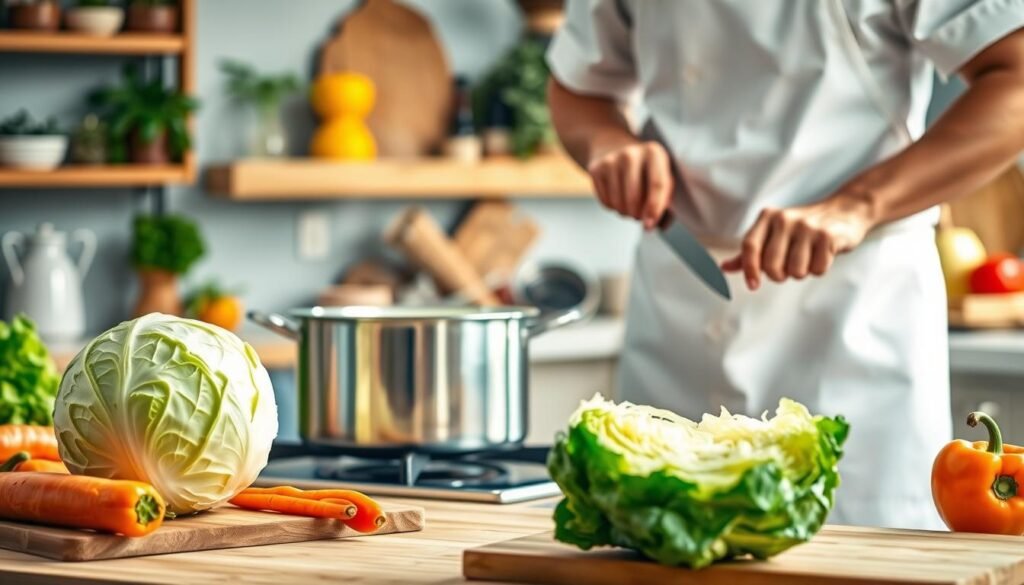
Cooking is the most effective strategy I discovered. Cooking breaks down the raffinose and sulfur compounds that cause gas. I always cook my cabbage for at least 5 to 10 minutes when serving it to cabbage-sensitive people.
I add caraway seeds, fennel seeds, or fresh ginger when cooking cabbage. These ingredients have natural carminative properties, preventing gas formation. Just one teaspoon of caraway seeds in a pot of cabbage makes a big difference.
Here’s my step-by-step process: I heat olive oil in a pan, add the spices first, then add sliced cabbage. I cook it over medium heat, stirring occasionally, until it becomes tender and slightly caramelized. This method transforms both the flavor and digestibility.
Steaming works wonderfully too. Steaming for 8 to 10 minutes softens the vegetable while preserving more nutrients than boiling. I use my bamboo steamer at least twice a week for this purpose.
| Cooking Method | Time Required | Digestibility Rating | Best For |
|---|---|---|---|
| Sautéing with spices | 8-12 minutes | Excellent | Quick weeknight meals and maximum flavor |
| Steaming | 8-10 minutes | Excellent | Preserving nutrients while improving digestion |
| Fermenting | 3-7 days | Outstanding | Probiotic benefits and easiest digestion |
| Raw consumption | 0 minutes | Moderate | After building tolerance gradually |
Fermented cabbage deserves special mention. Making sauerkraut or kimchi pre-digests the cabbage through bacterial fermentation. The beneficial bacteria break down the problematic compounds before they reach your stomach. I eat fermented cabbage almost daily now without any issues.
Portion Sizes and Timing Tips
When I first increased my cabbage intake, I made the mistake of eating huge portions right away. My digestive system wasn’t prepared for that much fiber and those sulfur compounds all at once. I learned that gradual introduction is essential.
I recommend starting with just half a cup of cooked cabbage per meal. Eat it two or three times per week for the first two weeks. This gives your gut bacteria time to adjust and multiply the specific strains that handle cabbage efficiently.
After two weeks, I gradually increased my portions to one cup per meal. Within a month, my digestive system had fully adapted. Now I can eat large cabbage salads without any discomfort whatsoever. Your body builds tolerance naturally when you give it time.
Timing matters more than most people realize. I always eat cabbage earlier in the day, not at dinner. This gives my body several hours to digest before I lie down to sleep. Eating it at lunch works perfectly for my schedule and digestive health.
Drinking plenty of water throughout the day helps a lot. I make sure to drink at least 8 ounces of water with my cabbage-containing meals. Proper hydration supports the fiber in moving through your digestive system smoothly.
Chewing thoroughly makes a big difference too. I count at least 20 chews per bite when eating raw or lightly cooked cabbage. This breaks down the cell walls mechanically and mixes the food with digestive enzymes in your saliva. It’s a simple habit that dramatically improves digestion.
The vegetables in cabbage family are some of the most nutrient-dense foods available, and proper preparation can make them accessible to almost everyone, regardless of digestive sensitivity.
My final tip is to pay attention to your individual response. Everyone’s microbiome is slightly different. I keep a simple food journal where I note what cooking methods work best for me. You might find that steaming works better than sautéing, or that you tolerate red cabbage better than green.
The bottom line is this: digestive issues with cabbage are manageable and temporary. They shouldn’t scare you away from this incredible vegetable. With the right cooking methods and a patient approach to building tolerance, anyone can enjoy cabbage as a regular part of their diet.
💪 The 7 Cabbage Health Benefits Backed by Research
Discovering cabbage’s health benefits felt like finding a treasure map. It led me to the vegetable section of my local grocery store. This affordable package is packed with power, backed by science. I’ve seen these benefits for myself by adding cabbage to my meals.
Let’s explore seven ways cabbage supports your health. Each benefit is supported by research. I’ll share how they’ve improved my wellness.
Fighting Cancer with Natural Compounds
Cabbage is a powerful fighter against cancer. It contains glucosinolates, which break down into active substances when you chew and digest it.
These substances include indole-3-carbinol and sulforaphane. Studies show they may help stop cancer cells from growing and even kill them. This is true for colon, lung, and breast cancers.
While cabbage isn’t a cure, eating it regularly may lower your cancer risk. Knowing that my daily cabbage servings protect me at the cellular level gives me comfort.
Heart Health and Cholesterol Management
Eating cabbage is good for my heart. The potassium in it helps control blood pressure. The fiber in cabbage also helps remove cholesterol before it’s absorbed by the body.
Red cabbage is special because of its anthocyanins. These reduce inflammation in blood vessels and may lower heart attack risk. Studies show that eating more cruciferous vegetables like cabbage can lower heart disease rates.
I see cabbage as an investment in my heart health. It’s cheaper than medication and tastes better.
Anti-Inflammatory Properties I’ve Noticed
Eating cabbage regularly has made me notice a difference. I feel less joint stiffness and have more energy throughout the day.
The antioxidants and phytonutrients in cabbage fight chronic inflammation. This type of inflammation is linked to arthritis, heart disease, and diabetes. By reducing it naturally, you address multiple health concerns at once.
I used to wake up with achy knees, but that’s changed with more cabbage in my diet.
Weight Loss Support from Low-Calorie Cabbage
Cabbage is a great ally for those trying to lose weight. One cup of raw cabbage has just 22 calories. It’s high in fiber and water, making you feel full without adding calories.
This makes it easy to stay on a calorie deficit without feeling hungry. I often eat cabbage to help manage my weight. A huge, crunchy salad can be under 50 calories.
The ratio of volume to calories is unbeatable. You can fill your plate and stay within your nutrition goals.
Gut Health Benefits from Fermented Cabbage
Fermented cabbage, like sauerkraut and kimchi, is even more powerful for your health. They provide probiotics, which are beneficial bacteria for your gut.
These probiotics may also boost your mood through the gut-brain connection. Research shows that gut health affects mental health, energy levels, and immunity.
I always have homemade sauerkraut in my fridge. Eating a few forkfuls with meals has improved my digestion and reduced bloating.
Blood Sugar Regulation
Cabbage’s fiber slows digestion and glucose release. This prevents spikes and crashes that lead to cravings and energy slumps.
For people with diabetes or prediabetes, cabbage is very valuable. Stable blood sugar means better energy, clearer thinking, and reduced risk of complications.
I’ve noticed that meals with cabbage keep me satisfied longer. I no longer get that mid-afternoon crash that used to make me snack.
Immune System Boosting with Vitamin C
One cup of raw cabbage gives you more than half your daily vitamin C. Vitamin C supports immune cells, wound healing, and antioxidant protection.
I rely on cabbage during cold and flu season as a cost-effective immunity booster. While vitamin C won’t prevent every illness, it helps your immune system fight well.
The fact that I can get this nutrition from a vegetable that costs less than two dollars per head amazes me every time I shop.
These seven health benefits are just the start of what cabbage can do for your wellness. The magic is in regular, consistent consumption as part of a healthy diet. I’ve made cabbage a daily habit, and the effects on my health have been remarkable.
🍲 My Go-To Cabbage Recipes That Actually Taste Amazing
Many people think cooking with cabbage means sacrificing taste for nutrition. But my favorite recipes prove that’s not true. I used to think cabbage was only for when I had no other options. But experimenting with different cooking methods and flavors changed my mind.
Now, cabbage recipes are my weekly favorites, not just for saving money or eating healthy. My family loves them so much, they ask for them. And it’s amazing because cabbage is so affordable.
https://www.youtube.com/watch?v=PJAALknqtHI
15-Minute Cabbage Stir-Fry for Weeknight Dinners
This quick stir-fry saved me from eating out many times. When I’m tired after work, I don’t want a complicated recipe. This stir-fry is fast, delicious, and costs less than five dollars for my family.
Ingredients and Preparation Steps
Here’s what you need for this lifesaving meal:
- Half a medium green cabbage, thinly sliced (about 4 cups)
- 2 tablespoons cooking oil (vegetable, sesame, or whatever you have)
- 3 cloves garlic, minced
- 1 tablespoon fresh ginger, grated (or 1 teaspoon ground ginger)
- 3 tablespoons soy sauce
- 1 teaspoon sesame oil
- Optional protein: chicken, tofu, shrimp, or scrambled eggs
- Optional add-ins: carrots, bell peppers, snap peas, whatever needs using up
Heat your wok or large skillet over high heat until it’s smoking hot. Add the cooking oil, then immediately toss in the garlic and ginger, stirring constantly for about thirty seconds. Throw in your sliced cabbage and any other vegetables, and keep everything moving in the pan.
The cabbage will seem like too much at first, but it shrinks dramatically as it cooks. After about five minutes, when the cabbage starts getting tender and slightly browned at the edges, add your protein if using. Drizzle the soy sauce and sesame oil over everything, toss it all together, and you’re done.
This recipe is very flexible. I’ve made it with leftover rotisserie chicken, frozen shrimp, tofu, and even eggs. Every version is delicious.
The Famous Cabbage Soup Diet (My Honest Take)
I need to be honest about the cabbage soup diet. Yes, people lose weight on it, but it’s not because of cabbage’s magical properties. The weight loss is due to the very low-calorie diet.
When I tried the strict version, I lost weight but felt hungry and irritable. It’s not a healthy or sustainable way to lose weight.
But I’ve found a better way to use cabbage soup. I include it as one healthy meal among many balanced options each week.
Benefits Beyond Weight Loss
My favorite cabbage soup recipe is a lunch staple for many reasons. It keeps me full for hours without feeling heavy. Plus, making a big batch on Sunday gives me lunches for the week.
It’s also very affordable. My typical batch includes cabbage, onions, tomatoes, carrots, and more. The whole pot costs around eight dollars and feeds me lunch for a week, which works out to about $1.60 per serving.
Here’s my go-to combination: I sauté onions and garlic in a large pot, add chopped cabbage, diced tomatoes, sliced carrots, chopped celery, vegetable broth, and seasonings like oregano, basil, salt, and pepper. I let it simmer for about twenty minutes until all the vegetables are tender, and that’s it.
Homemade Sauerkraut and Kimchi
Making fermented cabbage at home changed my whole view of this vegetable. The tangy, complex flavors that develop during fermentation turn humble cabbage into something truly special.
I was intimidated by fermentation at first. It seemed like something that required special equipment and precise temperature control. But fermenting cabbage is actually one of the easiest food preservation methods ever invented.
My first successful batch of sauerkraut made me feel like a pioneer woman, and now I always have at least one jar fermenting on my counter. The probiotic benefits are fantastic, but honestly, I’d make it even if it weren’t good for me because it tastes that good.
Fermentation Basics for Beginners
Let me walk you through the simple process that demystified fermentation for me:
- Shred your cabbage into thin strips using a knife, mandoline, or food processor
- Massage the cabbage with salt (about 2 tablespoons per medium head) until it releases liquid and becomes soft
- Pack everything tightly into a clean jar, pushing down so the liquid covers the cabbage
- Cover loosely and let sit at room temperature for 3-10 days, tasting periodically
- Refrigerate once it reaches your preferred tanginess, which stops the fermentation
The salt creates an environment where beneficial bacteria thrive while harmful bacteria can’t survive. You’ll see bubbles forming after a day or two, which means it’s working. The cabbage will gradually change from bright to a more muted color, and the flavors will develop complexity.
For kimchi, I follow the same basic process but add gochugaru (Korean red pepper flakes), garlic, ginger, fish sauce or soy sauce, and sometimes radishes or scallions. The result is spicy, funky, and absolutely addictive.
Roasted Cabbage Steaks with Garlic Butter
This recipe turned my most skeptical friend into a cabbage lover. The transformation when you roast thick cabbage slices is magical.
I slice a cabbage into thick rounds, about one inch each, keeping the core intact so the “steaks” hold together. Then I brush both sides generously with melted butter mixed with minced garlic, or olive oil if I’m keeping it lighter.
The steaks go onto a baking sheet and into a 450°F oven for about 30 minutes, flipping once halfway through. The edges get crispy and caramelized, almost like chips, while the interior becomes tender and sweet. The garlic butter creates these little pools of flavor that soak into the cabbage layers.
My friend who claimed to hate cabbage took one bite, paused, and said “Wait, this is actually really good.” That’s the reaction I get every time I serve these at dinner parties.
Raw Cabbage Slaws and Salads
Raw cabbage deserves way more credit in salads. Unlike delicate lettuce that wilts quickly, cabbage slaws get better as they sit and marinate.
My basic slaw formula starts with very thinly sliced cabbage, which is where a mandoline really earns its place in your kitchen. I dress it with apple cider vinegar, a touch of honey or maple syrup, salt, pepper, and then customize from there based on what sounds good.
Some of my favorite combinations include cabbage with shredded apples and sunflower seeds, cabbage with carrots and dried cranberries, or cabbage with cilantro and lime for a Mexican-inspired version. I’ve brought these slaws to countless potlucks, and they’re always the first thing to disappear.
The durability of raw cabbage makes it perfect for meal prep. I can make a big batch on Sunday, portion it into containers, and have crisp, fresh-tasting salads ready to grab all week long. Try doing that with regular lettuce and you’ll end up with a soggy, brown mess by Wednesday.
| Recipe Type | Prep Time | Cost Per Serving | Best For |
|---|---|---|---|
| Stir-Fry | 15 minutes | $1.25 | Quick weeknight dinners |
| Cabbage Soup | 30 minutes | $1.60 | Meal prep lunches |
| Fermented Cabbage | 20 min active, 3-10 days fermenting | $0.50 | Condiment and gut health |
| Roasted Steaks | 35 minutes | $0.75 | Impressive side dishes |
| Raw Slaws | 10 minutes | $0.80 | Potlucks and meal prep |
These meal ideas have completely transformed how I think about budget-friendly cooking. The fact that every single one of these recipes costs less than two dollars per serving while delivering incredible flavor and nutrition is amazing. I’m no longer choosing between eating well and staying within my grocery budget, because cabbage lets me do both simultaneously.
🔥 Myth #3: Cabbage Only Belongs in Coleslaw
When I first started cooking, I thought cabbage was only for coleslaw. My grandmother made it for summer picnics, and restaurants served it with barbecue. I was wrong about something so basic.
Cabbage is actually very versatile. It fits into almost any dish, from Asian stir-fries to European braises. It works well in both raw and cooked forms.
Creative Ways I Use Raw Cabbage Daily
I started using raw cabbage in new ways. It stays crunchy for days, unlike lettuce. This makes it great for make-ahead meals and packed lunches.
Now, I include shredded cabbage in my meal prep. I keep it in the fridge and add it to breakfast scrambles and dinner bowls.
Cabbage Wraps as Bread Alternatives
I found that cabbage leaves make great low-carb wraps. They’re sturdy, add crunch, and are very affordable. This beats expensive low-carb wraps.
To make them, I choose big leaves and blanch them for 30 seconds. Then, I roll them with fillings like ground turkey and spicy sauce.
Traditional cabbage rolls are also a favorite. I fill softened leaves with seasoned ground beef and rice, then simmer them in tomato sauce. One head makes 12-15 wraps, saving money.
Adding Crunch to Tacos and Sandwiches
I now add cabbage to almost everything. It adds crunch, freshness, and nutrition without overpowering other flavors. Cabbage stays crisp, perfect for packed lunches.
My favorite uses include purple cabbage on pulled pork sandwiches and green cabbage on fish tacos. Banh mi sandwiches get a tangy cabbage topping.
For burgers, I use thinly sliced cabbage instead of lettuce. It’s crunchier and holds up better with hot patties and sauces. My family loves it.
Cooking Methods That Transform Cabbage Flavor
Cabbage can be cooked in many ways, changing its flavor and texture. I’ve tried almost every method, discovering new cabbage recipes.
Quick cooking keeps cabbage crunchy, while slow cooking makes it sweet and tender. Choose the right method for your dish.
Braising, Roasting, and Grilling Techniques
Braising turns cabbage into a sweet, tender dish. I brown cabbage wedges, then simmer them in broth with bacon or sausage. It’s a classic German and Irish dish.
This method makes cabbage absorb flavors and release sugars. It’s a comforting dish that’s very affordable.
Roasting at high heat caramelizes cabbage, making it sweet. I roast cabbage chunks with olive oil and salt. The edges get crispy, while the inside is tender.
Cabbage steaks are another favorite. I cut thick slices, brush them with garlic butter, and roast until golden. They’re impressive and easy to make.
Grilling was a summer discovery that changed everything. I grill cabbage wedges until smoky and charred. It’s perfect for grain bowls or as a side dish at barbecues.
Grill marks make it look great, and guests love it. They’re surprised by how tasty it is.
| Cooking Method | Time Required | Flavor Profile | Best Uses |
|---|---|---|---|
| Braising | 45-60 minutes | Tender, sweet, savory | Comfort meals, winter dinners, side dishes |
| Roasting | 25-30 minutes | Caramelized, crispy edges, nutty | Quick sides, meal prep, cabbage steaks |
| Grilling | 8-10 minutes | Smoky, charred, complex | Summer cookouts, grain bowls, impressive sides |
| Sautéing | 10-15 minutes | Tender-crisp, fresh, garlicky | Weeknight meals, pasta dishes, stir-fries |
Beyond these methods, I’ve found even more uses for cabbage. Sautéing it with garlic and olive oil makes a quick side dish. It’s great in pasta dishes with Italian sausage and tomatoes.
Stuffed cabbage leaves are another favorite. I roll meat and rice filling inside blanched leaves, then bake them in tomato sauce. I also purée cooked cabbage into soups for extra nutrition.
Cabbage’s versatility excites me because it keeps my meals interesting. I can use it in Asian stir-fries, European braises, and American-style grilled dishes. Each method feels like a different vegetable.
My goal is to show you that cabbage is more than just coleslaw. It’s incredibly adaptable and offers endless possibilities in your kitchen.
🌱 My Experience Growing Cabbage in a Home Garden
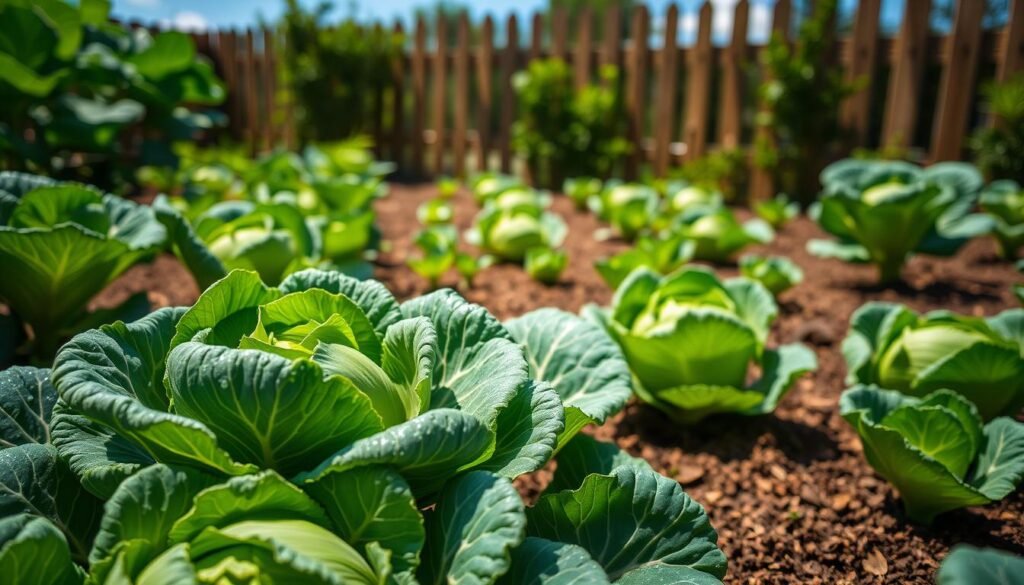
Planting my first cabbage seedlings three years ago was a game-changer. Growing cabbage in my backyard has deepened my appreciation for this vegetable. There’s nothing quite like harvesting food you grew yourself.
Not everyone gardens, and that’s okay. But for those who do, cabbage is a great choice. It’s easy to grow and perfect for beginners looking to succeed in their first garden.
When and Where to Plant Cabbage
Cabbage loves cooler temperatures, growing best between 60-70°F. This makes spring and fall the best times to plant in most of the United States.
Best Growing Seasons (Spring and Fall)
Spring planting means an early summer harvest. I start cabbage seeds indoors 6-8 weeks before the last frost. Then, I transplant them 2-4 weeks before the last frost.
Fall planting is my favorite. I start seeds in mid-summer and transplant them in late summer for a fall harvest. The cooler weather makes the cabbage sweeter.
Cabbage is also frost tolerant. Light frosts won’t hurt your plants. In fact, a bit of frost makes the cabbage taste even better.
Climate Requirements for the United States
Cabbage grows well almost everywhere in the United States. Different areas just need different planting times. I’ve talked to gardeners all over the country, and we’ve all had success.
In Northern states, plant for summer harvests in the cooler months. Southern gardeners should plant from fall to spring because summers are too hot. In places like the Pacific Northwest, you can grow cabbage almost all year.
Cabbage needs full sun—at least 6 hours of direct sunlight daily. But in hot climates, some afternoon shade is a good idea. This prevents the plants from getting stressed during heat waves.
Soil Preparation and Space Needs
I learned about soil the hard way my first season. Cabbage needs rich, well-drained soil with lots of organic matter. Bad soil means bad results.
Before planting, I add lots of compost to my garden beds. This gives cabbage the nutrients it needs. I also give my plants a balanced fertilizer for extra help.
Keeping the soil moist is key for growing cabbage. Drought stress stops heads from forming right. I water deeply and often, even during dry spells.
Spacing is important, too. Each cabbage plant needs 12-18 inches of space all around. Crowding leads to smaller heads and more disease.
| Growing Stage | Timeline | Key Action | Temperature Range |
|---|---|---|---|
| Seed Starting | 6-8 weeks before last frost | Plant seeds indoors in trays | 65-75°F for germination |
| Transplanting | 2-4 weeks before last frost | Move seedlings to garden | 50-60°F outdoor temperature |
| Active Growth | 8-12 weeks after transplanting | Regular watering and fertilizing | 60-70°F ideal daytime |
| Harvest Time | When heads feel firm | Cut at base with sharp knife | Can tolerate light frost |
Common Pests and How I Deal with Them
Pests are the biggest challenge in gardening. But with the right strategies, you can manage them. A few bugs won’t ruin your harvest.
Cabbage Worms and Aphids
Cabbage worms are green caterpillars that blend in with the leaves. They’re the larvae of white butterflies. I spend mornings picking them off my plants.
My main defense is hand-picking the worms. It’s gross, but it works. I check my plants often and remove any worms I find. Early morning is best because they’re less active.
Row covers are my secret for keeping pests away. I cover my cabbage plants with lightweight fabric to keep moths out. This barrier works without chemicals.
For heavy infestations, I use organic Bt spray. This naturally occurring bacteria kills caterpillars but is safe for humans and beneficial insects. I spray it in the evening when bees are less active.
Aphids are another common problem. These tiny insects cluster on leaves and suck plant juices. I blast them off with a strong spray of water from the hose.
For persistent aphid problems, I use insecticidal soap. This organic solution kills aphids without harming the cabbage. Even cabbage with holes is edible—just cut away the damaged parts.
Harvesting Tips for Maximum Freshness
Harvesting my first firm cabbage head was incredibly satisfying. You’ll know it’s ready when the head feels solid and dense when you squeeze it gently.
Cabbage can be harvested at any size. But waiting until heads are firm gives you the best yield and flavor. I use a sharp knife to cut the head at the base, leaving the outer leaves on the stem.
I always harvest in the morning when temperatures are cool. The heads are crisper and more flavorful at this time. Morning harvest also helps the cabbage stay fresh longer.
Timing is key—don’t wait too long after the heads mature. Overripe cabbage heads can split, which is bad after heavy rain. Once a head feels solid, harvest it within a week or two for best quality.
Here’s a bonus tip: after cutting the main head, leave the stem and roots in the ground. Sometimes, smaller heads will form from the remaining stem, giving you a surprise second harvest.
Growing cabbage in your home garden has its challenges. But the reward of harvesting your own fresh, sweet cabbage makes every effort worth it.
📚 Discover More Health and Wellness Tips on Healthy Vibes Life
Learning about cabbage taught me a valuable lesson. Affordable healthy living is easier with a supportive community. This humble veggie offers amazing nutrition benefits, but it’s just one part of the puzzle. I’ve found so much more about wellness to share with you.
That’s why I started Healthy Vibes Life. It’s a place where health tips meet affordable living. At healthyvibeslife.com, you’ll find articles that make wellness accessible to all. I share practical tips that work in real life, not just trendy fads.
At the site, you’ll find resources on budget-friendly nutrition and honest fitness product reviews. I test products and research topics before sharing. My goal is to help you make smart wellness choices without spending too much.
Join Our Community for Exclusive Content
I’d love for you to join our community by subscribing to the Healthy Vibes Life newsletter. It’s free, and you won’t get spam. You’ll get genuinely useful information that I’d want to receive myself.
Here’s what you’ll get when you subscribe:
- Practical health tips based on science, not hype or marketing trends
- Simple, delicious recipes that won’t break your budget or take hours to prepare
- Exclusive travel recommendations and deals for wellness-focused trips and retreats
- Early access to reviews of the latest fitness products, so you can shop smart
- Seasonal eating guides and meal planning strategies that actually fit into busy schedules
- Access to a supportive community of real people who believe everyone deserves good health
I send out content regularly, but never overwhelm your inbox. Each newsletter has useful tips you can use right away, not someday in the future.
The Healthy Vibes Life community believes healthy living should be for everyone, no matter their income or circumstances. We’re all learning together, sharing what works and supporting each other. Good information and a friendly community make the wellness journey more enjoyable and sustainable.
Come join us at healthyvibeslife.com and let’s continue this journey together. I’m excited to share more budget-friendly nutrition tips, wellness strategies, and honest product recommendations with you!
🎯 Final Thoughts on Why Cabbage Deserves a Place in Your Kitchen
Discovering cabbage’s power changed my approach to healthy eating. I no longer see a trade-off between health and budget. This veggie shows that you don’t have to spend a lot to eat well.
We’ve debunked common myths. Cheap doesn’t mean low in nutrients—cabbage beats many pricey superfoods. Simple cooking can help with digestion. It’s versatile, fitting into many cuisines.
The health perks are clear: it fights cancer, supports heart health, and reduces inflammation. It helps with weight, gut health, blood sugar, and boosts immunity. And it’s under a dollar a pound.
If you’re new, start with one head of cabbage. Try one recipe. You don’t need to eat it daily. Adding it a few times a week is beneficial.
Eating on a budget doesn’t need fancy ingredients or recipes. Sometimes, the best foods are overlooked in the produce section. Small, regular changes can make a big difference without breaking the bank.
I hope this article changed how you see cabbage. It’s not just for diets; it’s a nutritional powerhouse. Start your journey to better, budget-friendly eating with this simple superfood.
FAQ
Is cabbage really as nutritious as expensive superfoods like kale?
FAQ
Is cabbage really as nutritious as expensive superfoods like kale?
Absolutely! I was shocked when I compared them side-by-side. Kale gets all the glory, but cabbage is just as nutritious at a fraction of the cost. One cup of raw green cabbage gives you 54% of your daily vitamin C, more than kale. It also has 85% of vitamin K, plus fiber, folate, and antioxidants.
Red cabbage has 6-8 times more vitamin C than green cabbage. It also has more anthocyanins than kale. When I looked at the cost per nutrient, cabbage is 5-10 times more nutritious per dollar than trendy greens. A head of cabbage costs
FAQ
Is cabbage really as nutritious as expensive superfoods like kale?
Absolutely! I was shocked when I compared them side-by-side. Kale gets all the glory, but cabbage is just as nutritious at a fraction of the cost. One cup of raw green cabbage gives you 54% of your daily vitamin C, more than kale. It also has 85% of vitamin K, plus fiber, folate, and antioxidants.
Red cabbage has 6-8 times more vitamin C than green cabbage. It also has more anthocyanins than kale. When I looked at the cost per nutrient, cabbage is 5-10 times more nutritious per dollar than trendy greens. A head of cabbage costs $0.50-2.00 and gives you 10-12 cups. Kale costs $2-4 per bunch for only about 3 cups.
The biggest difference isn’t nutrition—it’s marketing.
How can I eat cabbage without getting gas and bloating?
I struggled with this at first, but I found several methods that work. The key is proper preparation and gradual introduction. Cooking cabbage for at least 5-10 minutes breaks down the raffinose sugars that cause gas.
I always add carminative spices like caraway seeds, fennel, or ginger when cooking cabbage. They naturally prevent gas formation. Start with small portions (1/2 cup cooked) and gradually increase as your digestive system adapts.
Eating cabbage earlier in the day helps your body digest it better. I also chew thoroughly and drink plenty of water. Within a few weeks, my digestive system adapted completely, and now I can enjoy large cabbage salads without any issues.
What’s the difference between green cabbage and red cabbage nutritionally?
While both are nutritional powerhouses, red cabbage has some distinct advantages. The purple color signals the presence of anthocyanins—powerful antioxidants that combat oxidative stress and support heart health. Red cabbage contains 6-8 times more vitamin C than green cabbage and significantly higher levels of antioxidants overall.
Green cabbage is typically more affordable ($0.50-1.50 per head versus $1.50-3.00 for red), more readily available, and has a milder flavor that works well in more recipes. Both varieties provide excellent fiber, vitamin K, and cancer-fighting glucosinolates.
In my kitchen, I use green cabbage as my everyday workhorse for stir-fries and soups. I reserve red cabbage for slaws and dishes where I want vibrant color and extra antioxidant power.
Can I eat cabbage every day safely?
Yes, eating cabbage daily is safe and beneficial for most people! I personally eat cabbage several times a week without any issues. Cabbage contains vitamin K, which can interfere with blood-thinning medications like warfarin, so if you’re on these medications, maintain consistent cabbage intake and consult your doctor before making major changes.
People with thyroid conditions should note that raw cruciferous vegetables contain goitrogens that can interfere with thyroid function when consumed in very large quantities, but cooking reduces this effect significantly, and normal dietary amounts are generally fine. Start with moderate portions (1-2 cups cooked or 1 cup raw per day) and pay attention to how your body responds.
The digestive benefits, cancer-fighting compounds, and nutrient density make cabbage an excellent daily addition to a varied diet. Just remember that variety is key—cabbage is amazing, but it shouldn’t be your only vegetable!
What’s the best way to store cabbage to keep it fresh?
Cabbage is incredibly long-lasting compared to most vegetables, which is one reason I love it for budget meal planning. Store an uncut head of cabbage in the crisper drawer of your refrigerator, loosely wrapped in plastic or in a produce bag with some air circulation. It will stay fresh for 2-3 weeks, sometimes even longer.
Once you cut into the cabbage, wrap the remaining portion tightly in plastic wrap or store it in an airtight container—it will keep for about a week. I’ve found that the cut edge may brown slightly, but you can simply trim off that outer layer and the rest is perfectly fine.
For shredded cabbage, store it in an airtight container with a paper towel to absorb excess moisture, and use it within 3-4 days for best quality. One of my favorite meal prep strategies is buying a large head of cabbage on Sunday and using it throughout the week in different ways—it holds up much better than lettuce or spinach.
Is napa cabbage the same as regular cabbage nutritionally?
Napa cabbage and regular green or red cabbage are related but have some nutritional differences. Napa cabbage has a more delicate texture, milder flavor, and oblong shape with crinkly light green leaves. Nutritionally, napa cabbage contains slightly less fiber than regular cabbage but offers more folate (important for cell division and pregnancy).
It provides good amounts of vitamin C, vitamin K, and potassium, though generally in slightly lower concentrations than dense green or red cabbage heads. Napa cabbage is essential for authentic kimchi and Asian-style slaws, and its tender texture makes it wonderful in stir-fries and raw salads.
I use napa cabbage when I want a milder, sweeter cabbage flavor, and regular green cabbage when I want maximum nutrition and longer storage life. Both are affordable and healthy choices—napa is typically $1.50-3.00 per head, while regular cabbage is cheaper and more widely available.
How long does it take to make homemade sauerkraut, and is it difficult?
Making sauerkraut at home is surprisingly easy and costs a fraction of store-bought fermented vegetables! The active work takes only about 15-20 minutes—you simply shred cabbage, massage it with salt until it releases liquid, pack it tightly into a jar, and let it ferment.
The fermentation process takes 3-7 days at room temperature, depending on your taste preference (shorter fermentation = milder flavor, longer = tangier). I usually taste mine after 3 days and then every day until it reaches the flavor I like. The hardest part is waiting!
Once fermented, you refrigerate it, which slows fermentation dramatically, and it keeps for several months. The process is very safe—the salt creates an environment where beneficial lactobacillus bacteria thrive while harmful bacteria can’t survive. I make a big batch every few weeks using one head of green cabbage ($0.50-1.50) and about 2 tablespoons of salt.
The probiotic benefits and tangy flavor make it completely worth the minimal effort.
Can cabbage help with weight loss, and how should I use it?
Yes, cabbage is one of the best vegetables for weight management, and I’ve personally relied on it when trying to shed a few pounds. The magic is in its incredibly low calorie density—one cup of raw cabbage contains only 22 calories but provides 2 grams of fiber and high water content that creates satiety.
You can eat a huge, satisfying portion without consuming many calories, making it easier to maintain a calorie deficit without feeling deprived or hungry. I often make massive cabbage salads or stir-fries that fill me up completely for under 100 calories.
The fiber also slows digestion, stabilizes blood sugar, and reduces cravings. For weight loss, I incorporate cabbage into at least one meal daily—adding shredded cabbage to tacos and sandwiches for crunch and volume, making cabbage-based soups for lunch, or having a big cabbage slaw as a side dish.
The famous cabbage soup diet works for rapid weight loss because it’s extremely low-calorie, though I don’t recommend it as your only food. Instead, use cabbage as a regular part of a balanced, varied diet for sustainable weight management.
What are the best cabbage recipes for beginners who’ve never cooked with it?
I always recommend starting with simple preparations that highlight cabbage’s natural sweetness and versatility. My top beginner-friendly cabbage recipe is a basic stir-fry: shred half a head of cabbage, sauté it with garlic and a protein of your choice (chicken, tofu, or eggs) in a bit of oil, season with soy sauce and sesame oil, and cook for 10 minutes until tender.
It’s ready in 15 minutes, costs under $5, and tastes amazing over rice. Another foolproof option is roasted cabbage steaks—cut cabbage into thick slices, brush with olive oil or garlic butter, roast at 400°F for 25-30 minutes until the edges caramelize.
The sweet, caramelized flavor converts even cabbage skeptics! For raw cabbage, try a simple slaw: thinly slice cabbage, toss with apple cider vinegar, a touch of honey, salt, pepper, and whatever add-ins you like (shredded carrots, apples, dried cranberries). Let it sit for 15 minutes to soften and marinate.
These three recipes cover different cooking methods and flavor profiles, giving you confidence to experiment further.
Does cooking cabbage destroy its nutrients?
This is a great question, and the answer is more nuanced than a simple yes or no. Some nutrients in cabbage are affected by cooking, while others actually become more available. Vitamin C and some B vitamins are heat-sensitive and decrease with prolonged cooking, but cooking increases the availability of certain antioxidants and makes the beneficial compounds easier for your body to absorb.
Importantly, cooking breaks down the raffinose sugars that cause digestive discomfort, making cooked cabbage easier to digest than raw. My approach is to vary preparation methods—I eat raw cabbage in slaws and salads to maximize vitamin C intake, and I also enjoy cooked cabbage in stir-fries and soups for digestibility and different flavor profiles.
When cooking, I use methods like steaming, stir-frying, or roasting, and I don’t overcook—10-15 minutes is usually sufficient. Even with some nutrient loss from cooking, cooked cabbage is a nutritious choice, and eating it in a way you enjoy and can digest well is more important than obsessing over maximum nutrient retention.
Is red cabbage better than green cabbage for health benefits?
Red cabbage does have some nutritional advantages over green cabbage, but both are extremely healthy choices. The purple color in red cabbage comes from anthocyanins—powerful antioxidants that combat oxidative stress, support heart health, and may have anti-cancer properties. Red cabbage contains 6-8 times more vitamin C than green cabbage and significantly higher antioxidant levels overall.
Green cabbage is typically cheaper, more widely available, and has a milder flavor that works in more recipes. My personal approach is to use both—I rely on green cabbage as my everyday staple for stir-fries, soups, and coleslaw, and I use red cabbage when I want to maximize antioxidants or add beautiful color to dishes.
Both varieties deliver impressive health benefits at budget-friendly prices, so the “better” choice depends on your specific needs, budget, and taste preferences. Eating either variety regularly is a win for your health!
Can I grow cabbage in containers or do I need a large garden?
You can absolutely grow cabbage in containers! While a traditional garden bed provides more space, I’ve successfully grown cabbage in large pots on my patio. The key is using a container that’s at least 12 inches deep and 12-18 inches wide to accommodate the root system and eventual head size.
Choose dwarf or smaller cabbage varieties that are bred for container growing—they produce smaller heads but are perfect for small spaces. Fill the container with rich, well-draining potting soil mixed with compost, and place it in a location that receives at least 6 hours of sun daily. Container-grown cabbage requires consistent watering, so check it daily during hot weather.
Feed every 2-3 weeks with a balanced fertilizer, as nutrients leach out of containers more quickly. The main challenges are managing size (cabbage needs space) and preventing the container from tipping over as the head gets heavy. Even without a yard, you can enjoy homegrown cabbage on a balcony or patio. The flavor of freshly harvested cabbage makes the effort completely worthwhile!
What’s the difference between savoy cabbage and regular green cabbage?
Savoy cabbage is a beautiful variety that differs from regular green cabbage in both appearance and texture. Savoy has distinctive ruffled, crinkled leaves with a lacy appearance, while green cabbage has smooth, tightly packed leaves. The texture is more tender and delicate—savoy’s leaves are less dense and slightly sweeter than regular cabbage.
This makes savoy cabbage ideal for dishes where you want the cabbage to be the star, like cabbage rolls (the flexible leaves are easier to work with) or as a substitute for lettuce wraps. Nutritionally, savoy cabbage is comparable to green cabbage, providing similar levels of vitamin C, vitamin K, and fiber.
Regular green cabbage is typically cheaper, more widely available, and has a milder flavor that works in more recipes. I use savoy cabbage for special recipes where I want a more refined texture, and I stick with regular green cabbage for everyday cooking, meal prep, and budget-conscious meals. Both are delicious and nutritious—savoy is like the fancy cousin of regular cabbage!
How do I know when cabbage has gone bad?
Fresh cabbage should feel heavy and solid with tightly packed, crisp leaves. Signs that cabbage has gone bad include soft or mushy spots (instead of firm and dense), wilted, slimy, or dark spots, a strong unpleasant odor (fresh cabbage smells mildly sweet and earthy), and significant discoloration or blackening.
Minor imperfections don’t mean you have to toss the whole head. If the outer leaves are damaged but the inner layers are firm and fresh, simply peel away the bad leaves and use the rest. Brown or slightly discolored edges on cut cabbage are normal oxidation—just trim them off and the remaining cabbage is fine.
When in doubt, trust your senses: if it smells off, feels slimy, or looks moldy, it’s time to compost it. One thing I love about cabbage is how long it lasts compared to other vegetables—I’ve had heads stay perfect in my crisper for 3 weeks or longer. This longevity makes it ideal for reducing food waste and planning meals throughout the week.
Is fermented cabbage (sauerkraut or kimchi) healthier than raw or cooked cabbage?
Fermented cabbage offers unique health benefits that raw and cooked cabbage don’t provide, though all forms are nutritious. The fermentation process creates beneficial probiotics (live bacteria like lactobacillus) that support digestive health, strengthen the gut barrier, improve nutrient absorption, and may even positively affect mood through the gut-brain connection.
Fermented cabbage is also easier to digest than raw cabbage for many people because fermentation pre-digests some of the complex compounds. The fermentation process can increase the bioavailability of certain nutrients and create new beneficial compounds. Fermented cabbage typically contains high levels of sodium, which is necessary for the fermentation process but may be a concern for people monitoring salt intake.
Raw cabbage provides maximum vitamin C, while cooked cabbage is easier on sensitive digestive systems. My approach is to include all three forms in my diet: I eat raw cabbage in slaws for vitamin C and crunch, cooked cabbage in stir-fries and soups for comfort and versatility, and fermented cabbage (sauerkraut or kimchi) for probiotic benefits. Each preparation method offers something valuable!
Can cabbage interact with medications or health conditions?
Yes, cabbage can interact with certain medications and may affect specific health conditions, so it’s important to be aware. The most common concern is for people taking blood-thinning medications like warfarin (Coumadin). Cabbage is high in vitamin K, which promotes blood clotting and can reduce the effectiveness of these medications.
If you’re on blood thinners, you don’t necessarily have to avoid cabbage, but you should maintain consistent intake (not suddenly eating much more or less) and work with your doctor to monitor your levels. People with thyroid conditions should know that raw cruciferous vegetables like cabbage contain goitrogens—compounds that can interfere with thyroid function when consumed in very large quantities over time.
Cooking significantly reduces goitrogens, and normal dietary amounts are generally safe, but discuss with your doctor if you have thyroid concerns. Some people with irritable bowel syndrome (IBS) or sensitive digestive systems may need to limit cabbage, as it contains fiber and fermentable carbohydrates. As always, if you have a medical condition or take medications, consult your healthcare provider before making major dietary changes, including significantly increasing your cabbage intake.
FAQ
Is cabbage really as nutritious as expensive superfoods like kale?
Absolutely! I was shocked when I compared them side-by-side. Kale gets all the glory, but cabbage is just as nutritious at a fraction of the cost. One cup of raw green cabbage gives you 54% of your daily vitamin C, more than kale. It also has 85% of vitamin K, plus fiber, folate, and antioxidants.
Red cabbage has 6-8 times more vitamin C than green cabbage. It also has more anthocyanins than kale. When I looked at the cost per nutrient, cabbage is 5-10 times more nutritious per dollar than trendy greens. A head of cabbage costs
FAQ
Is cabbage really as nutritious as expensive superfoods like kale?
Absolutely! I was shocked when I compared them side-by-side. Kale gets all the glory, but cabbage is just as nutritious at a fraction of the cost. One cup of raw green cabbage gives you 54% of your daily vitamin C, more than kale. It also has 85% of vitamin K, plus fiber, folate, and antioxidants.
Red cabbage has 6-8 times more vitamin C than green cabbage. It also has more anthocyanins than kale. When I looked at the cost per nutrient, cabbage is 5-10 times more nutritious per dollar than trendy greens. A head of cabbage costs $0.50-2.00 and gives you 10-12 cups. Kale costs $2-4 per bunch for only about 3 cups.
The biggest difference isn’t nutrition—it’s marketing.
How can I eat cabbage without getting gas and bloating?
I struggled with this at first, but I found several methods that work. The key is proper preparation and gradual introduction. Cooking cabbage for at least 5-10 minutes breaks down the raffinose sugars that cause gas.
I always add carminative spices like caraway seeds, fennel, or ginger when cooking cabbage. They naturally prevent gas formation. Start with small portions (1/2 cup cooked) and gradually increase as your digestive system adapts.
Eating cabbage earlier in the day helps your body digest it better. I also chew thoroughly and drink plenty of water. Within a few weeks, my digestive system adapted completely, and now I can enjoy large cabbage salads without any issues.
What’s the difference between green cabbage and red cabbage nutritionally?
While both are nutritional powerhouses, red cabbage has some distinct advantages. The purple color signals the presence of anthocyanins—powerful antioxidants that combat oxidative stress and support heart health. Red cabbage contains 6-8 times more vitamin C than green cabbage and significantly higher levels of antioxidants overall.
Green cabbage is typically more affordable ($0.50-1.50 per head versus $1.50-3.00 for red), more readily available, and has a milder flavor that works well in more recipes. Both varieties provide excellent fiber, vitamin K, and cancer-fighting glucosinolates.
In my kitchen, I use green cabbage as my everyday workhorse for stir-fries and soups. I reserve red cabbage for slaws and dishes where I want vibrant color and extra antioxidant power.
Can I eat cabbage every day safely?
Yes, eating cabbage daily is safe and beneficial for most people! I personally eat cabbage several times a week without any issues. Cabbage contains vitamin K, which can interfere with blood-thinning medications like warfarin, so if you’re on these medications, maintain consistent cabbage intake and consult your doctor before making major changes.
People with thyroid conditions should note that raw cruciferous vegetables contain goitrogens that can interfere with thyroid function when consumed in very large quantities, but cooking reduces this effect significantly, and normal dietary amounts are generally fine. Start with moderate portions (1-2 cups cooked or 1 cup raw per day) and pay attention to how your body responds.
The digestive benefits, cancer-fighting compounds, and nutrient density make cabbage an excellent daily addition to a varied diet. Just remember that variety is key—cabbage is amazing, but it shouldn’t be your only vegetable!
What’s the best way to store cabbage to keep it fresh?
Cabbage is incredibly long-lasting compared to most vegetables, which is one reason I love it for budget meal planning. Store an uncut head of cabbage in the crisper drawer of your refrigerator, loosely wrapped in plastic or in a produce bag with some air circulation. It will stay fresh for 2-3 weeks, sometimes even longer.
Once you cut into the cabbage, wrap the remaining portion tightly in plastic wrap or store it in an airtight container—it will keep for about a week. I’ve found that the cut edge may brown slightly, but you can simply trim off that outer layer and the rest is perfectly fine.
For shredded cabbage, store it in an airtight container with a paper towel to absorb excess moisture, and use it within 3-4 days for best quality. One of my favorite meal prep strategies is buying a large head of cabbage on Sunday and using it throughout the week in different ways—it holds up much better than lettuce or spinach.
Is napa cabbage the same as regular cabbage nutritionally?
Napa cabbage and regular green or red cabbage are related but have some nutritional differences. Napa cabbage has a more delicate texture, milder flavor, and oblong shape with crinkly light green leaves. Nutritionally, napa cabbage contains slightly less fiber than regular cabbage but offers more folate (important for cell division and pregnancy).
It provides good amounts of vitamin C, vitamin K, and potassium, though generally in slightly lower concentrations than dense green or red cabbage heads. Napa cabbage is essential for authentic kimchi and Asian-style slaws, and its tender texture makes it wonderful in stir-fries and raw salads.
I use napa cabbage when I want a milder, sweeter cabbage flavor, and regular green cabbage when I want maximum nutrition and longer storage life. Both are affordable and healthy choices—napa is typically $1.50-3.00 per head, while regular cabbage is cheaper and more widely available.
How long does it take to make homemade sauerkraut, and is it difficult?
Making sauerkraut at home is surprisingly easy and costs a fraction of store-bought fermented vegetables! The active work takes only about 15-20 minutes—you simply shred cabbage, massage it with salt until it releases liquid, pack it tightly into a jar, and let it ferment.
The fermentation process takes 3-7 days at room temperature, depending on your taste preference (shorter fermentation = milder flavor, longer = tangier). I usually taste mine after 3 days and then every day until it reaches the flavor I like. The hardest part is waiting!
Once fermented, you refrigerate it, which slows fermentation dramatically, and it keeps for several months. The process is very safe—the salt creates an environment where beneficial lactobacillus bacteria thrive while harmful bacteria can’t survive. I make a big batch every few weeks using one head of green cabbage ($0.50-1.50) and about 2 tablespoons of salt.
The probiotic benefits and tangy flavor make it completely worth the minimal effort.
Can cabbage help with weight loss, and how should I use it?
Yes, cabbage is one of the best vegetables for weight management, and I’ve personally relied on it when trying to shed a few pounds. The magic is in its incredibly low calorie density—one cup of raw cabbage contains only 22 calories but provides 2 grams of fiber and high water content that creates satiety.
You can eat a huge, satisfying portion without consuming many calories, making it easier to maintain a calorie deficit without feeling deprived or hungry. I often make massive cabbage salads or stir-fries that fill me up completely for under 100 calories.
The fiber also slows digestion, stabilizes blood sugar, and reduces cravings. For weight loss, I incorporate cabbage into at least one meal daily—adding shredded cabbage to tacos and sandwiches for crunch and volume, making cabbage-based soups for lunch, or having a big cabbage slaw as a side dish.
The famous cabbage soup diet works for rapid weight loss because it’s extremely low-calorie, though I don’t recommend it as your only food. Instead, use cabbage as a regular part of a balanced, varied diet for sustainable weight management.
What are the best cabbage recipes for beginners who’ve never cooked with it?
I always recommend starting with simple preparations that highlight cabbage’s natural sweetness and versatility. My top beginner-friendly cabbage recipe is a basic stir-fry: shred half a head of cabbage, sauté it with garlic and a protein of your choice (chicken, tofu, or eggs) in a bit of oil, season with soy sauce and sesame oil, and cook for 10 minutes until tender.
It’s ready in 15 minutes, costs under $5, and tastes amazing over rice. Another foolproof option is roasted cabbage steaks—cut cabbage into thick slices, brush with olive oil or garlic butter, roast at 400°F for 25-30 minutes until the edges caramelize.
The sweet, caramelized flavor converts even cabbage skeptics! For raw cabbage, try a simple slaw: thinly slice cabbage, toss with apple cider vinegar, a touch of honey, salt, pepper, and whatever add-ins you like (shredded carrots, apples, dried cranberries). Let it sit for 15 minutes to soften and marinate.
These three recipes cover different cooking methods and flavor profiles, giving you confidence to experiment further.
Does cooking cabbage destroy its nutrients?
This is a great question, and the answer is more nuanced than a simple yes or no. Some nutrients in cabbage are affected by cooking, while others actually become more available. Vitamin C and some B vitamins are heat-sensitive and decrease with prolonged cooking, but cooking increases the availability of certain antioxidants and makes the beneficial compounds easier for your body to absorb.
Importantly, cooking breaks down the raffinose sugars that cause digestive discomfort, making cooked cabbage easier to digest than raw. My approach is to vary preparation methods—I eat raw cabbage in slaws and salads to maximize vitamin C intake, and I also enjoy cooked cabbage in stir-fries and soups for digestibility and different flavor profiles.
When cooking, I use methods like steaming, stir-frying, or roasting, and I don’t overcook—10-15 minutes is usually sufficient. Even with some nutrient loss from cooking, cooked cabbage is a nutritious choice, and eating it in a way you enjoy and can digest well is more important than obsessing over maximum nutrient retention.
Is red cabbage better than green cabbage for health benefits?
Red cabbage does have some nutritional advantages over green cabbage, but both are extremely healthy choices. The purple color in red cabbage comes from anthocyanins—powerful antioxidants that combat oxidative stress, support heart health, and may have anti-cancer properties. Red cabbage contains 6-8 times more vitamin C than green cabbage and significantly higher antioxidant levels overall.
Green cabbage is typically cheaper, more widely available, and has a milder flavor that works in more recipes. My personal approach is to use both—I rely on green cabbage as my everyday staple for stir-fries, soups, and coleslaw, and I use red cabbage when I want to maximize antioxidants or add beautiful color to dishes.
Both varieties deliver impressive health benefits at budget-friendly prices, so the “better” choice depends on your specific needs, budget, and taste preferences. Eating either variety regularly is a win for your health!
Can I grow cabbage in containers or do I need a large garden?
You can absolutely grow cabbage in containers! While a traditional garden bed provides more space, I’ve successfully grown cabbage in large pots on my patio. The key is using a container that’s at least 12 inches deep and 12-18 inches wide to accommodate the root system and eventual head size.
Choose dwarf or smaller cabbage varieties that are bred for container growing—they produce smaller heads but are perfect for small spaces. Fill the container with rich, well-draining potting soil mixed with compost, and place it in a location that receives at least 6 hours of sun daily. Container-grown cabbage requires consistent watering, so check it daily during hot weather.
Feed every 2-3 weeks with a balanced fertilizer, as nutrients leach out of containers more quickly. The main challenges are managing size (cabbage needs space) and preventing the container from tipping over as the head gets heavy. Even without a yard, you can enjoy homegrown cabbage on a balcony or patio. The flavor of freshly harvested cabbage makes the effort completely worthwhile!
What’s the difference between savoy cabbage and regular green cabbage?
Savoy cabbage is a beautiful variety that differs from regular green cabbage in both appearance and texture. Savoy has distinctive ruffled, crinkled leaves with a lacy appearance, while green cabbage has smooth, tightly packed leaves. The texture is more tender and delicate—savoy’s leaves are less dense and slightly sweeter than regular cabbage.
This makes savoy cabbage ideal for dishes where you want the cabbage to be the star, like cabbage rolls (the flexible leaves are easier to work with) or as a substitute for lettuce wraps. Nutritionally, savoy cabbage is comparable to green cabbage, providing similar levels of vitamin C, vitamin K, and fiber.
Regular green cabbage is typically cheaper, more widely available, and has a milder flavor that works in more recipes. I use savoy cabbage for special recipes where I want a more refined texture, and I stick with regular green cabbage for everyday cooking, meal prep, and budget-conscious meals. Both are delicious and nutritious—savoy is like the fancy cousin of regular cabbage!
How do I know when cabbage has gone bad?
Fresh cabbage should feel heavy and solid with tightly packed, crisp leaves. Signs that cabbage has gone bad include soft or mushy spots (instead of firm and dense), wilted, slimy, or dark spots, a strong unpleasant odor (fresh cabbage smells mildly sweet and earthy), and significant discoloration or blackening.
Minor imperfections don’t mean you have to toss the whole head. If the outer leaves are damaged but the inner layers are firm and fresh, simply peel away the bad leaves and use the rest. Brown or slightly discolored edges on cut cabbage are normal oxidation—just trim them off and the remaining cabbage is fine.
When in doubt, trust your senses: if it smells off, feels slimy, or looks moldy, it’s time to compost it. One thing I love about cabbage is how long it lasts compared to other vegetables—I’ve had heads stay perfect in my crisper for 3 weeks or longer. This longevity makes it ideal for reducing food waste and planning meals throughout the week.
Is fermented cabbage (sauerkraut or kimchi) healthier than raw or cooked cabbage?
Fermented cabbage offers unique health benefits that raw and cooked cabbage don’t provide, though all forms are nutritious. The fermentation process creates beneficial probiotics (live bacteria like lactobacillus) that support digestive health, strengthen the gut barrier, improve nutrient absorption, and may even positively affect mood through the gut-brain connection.
Fermented cabbage is also easier to digest than raw cabbage for many people because fermentation pre-digests some of the complex compounds. The fermentation process can increase the bioavailability of certain nutrients and create new beneficial compounds. Fermented cabbage typically contains high levels of sodium, which is necessary for the fermentation process but may be a concern for people monitoring salt intake.
Raw cabbage provides maximum vitamin C, while cooked cabbage is easier on sensitive digestive systems. My approach is to include all three forms in my diet: I eat raw cabbage in slaws for vitamin C and crunch, cooked cabbage in stir-fries and soups for comfort and versatility, and fermented cabbage (sauerkraut or kimchi) for probiotic benefits. Each preparation method offers something valuable!
Can cabbage interact with medications or health conditions?
Yes, cabbage can interact with certain medications and may affect specific health conditions, so it’s important to be aware. The most common concern is for people taking blood-thinning medications like warfarin (Coumadin). Cabbage is high in vitamin K, which promotes blood clotting and can reduce the effectiveness of these medications.
If you’re on blood thinners, you don’t necessarily have to avoid cabbage, but you should maintain consistent intake (not suddenly eating much more or less) and work with your doctor to monitor your levels. People with thyroid conditions should know that raw cruciferous vegetables like cabbage contain goitrogens—compounds that can interfere with thyroid function when consumed in very large quantities over time.
Cooking significantly reduces goitrogens, and normal dietary amounts are generally safe, but discuss with your doctor if you have thyroid concerns. Some people with irritable bowel syndrome (IBS) or sensitive digestive systems may need to limit cabbage, as it contains fiber and fermentable carbohydrates. As always, if you have a medical condition or take medications, consult your healthcare provider before making major dietary changes, including significantly increasing your cabbage intake.
FAQ
Is cabbage really as nutritious as expensive superfoods like kale?
Absolutely! I was shocked when I compared them side-by-side. Kale gets all the glory, but cabbage is just as nutritious at a fraction of the cost. One cup of raw green cabbage gives you 54% of your daily vitamin C, more than kale. It also has 85% of vitamin K, plus fiber, folate, and antioxidants.
Red cabbage has 6-8 times more vitamin C than green cabbage. It also has more anthocyanins than kale. When I looked at the cost per nutrient, cabbage is 5-10 times more nutritious per dollar than trendy greens. A head of cabbage costs
FAQ
Is cabbage really as nutritious as expensive superfoods like kale?
Absolutely! I was shocked when I compared them side-by-side. Kale gets all the glory, but cabbage is just as nutritious at a fraction of the cost. One cup of raw green cabbage gives you 54% of your daily vitamin C, more than kale. It also has 85% of vitamin K, plus fiber, folate, and antioxidants.
Red cabbage has 6-8 times more vitamin C than green cabbage. It also has more anthocyanins than kale. When I looked at the cost per nutrient, cabbage is 5-10 times more nutritious per dollar than trendy greens. A head of cabbage costs $0.50-2.00 and gives you 10-12 cups. Kale costs $2-4 per bunch for only about 3 cups.
The biggest difference isn’t nutrition—it’s marketing.
How can I eat cabbage without getting gas and bloating?
I struggled with this at first, but I found several methods that work. The key is proper preparation and gradual introduction. Cooking cabbage for at least 5-10 minutes breaks down the raffinose sugars that cause gas.
I always add carminative spices like caraway seeds, fennel, or ginger when cooking cabbage. They naturally prevent gas formation. Start with small portions (1/2 cup cooked) and gradually increase as your digestive system adapts.
Eating cabbage earlier in the day helps your body digest it better. I also chew thoroughly and drink plenty of water. Within a few weeks, my digestive system adapted completely, and now I can enjoy large cabbage salads without any issues.
What’s the difference between green cabbage and red cabbage nutritionally?
While both are nutritional powerhouses, red cabbage has some distinct advantages. The purple color signals the presence of anthocyanins—powerful antioxidants that combat oxidative stress and support heart health. Red cabbage contains 6-8 times more vitamin C than green cabbage and significantly higher levels of antioxidants overall.
Green cabbage is typically more affordable ($0.50-1.50 per head versus $1.50-3.00 for red), more readily available, and has a milder flavor that works well in more recipes. Both varieties provide excellent fiber, vitamin K, and cancer-fighting glucosinolates.
In my kitchen, I use green cabbage as my everyday workhorse for stir-fries and soups. I reserve red cabbage for slaws and dishes where I want vibrant color and extra antioxidant power.
Can I eat cabbage every day safely?
Yes, eating cabbage daily is safe and beneficial for most people! I personally eat cabbage several times a week without any issues. Cabbage contains vitamin K, which can interfere with blood-thinning medications like warfarin, so if you’re on these medications, maintain consistent cabbage intake and consult your doctor before making major changes.
People with thyroid conditions should note that raw cruciferous vegetables contain goitrogens that can interfere with thyroid function when consumed in very large quantities, but cooking reduces this effect significantly, and normal dietary amounts are generally fine. Start with moderate portions (1-2 cups cooked or 1 cup raw per day) and pay attention to how your body responds.
The digestive benefits, cancer-fighting compounds, and nutrient density make cabbage an excellent daily addition to a varied diet. Just remember that variety is key—cabbage is amazing, but it shouldn’t be your only vegetable!
What’s the best way to store cabbage to keep it fresh?
Cabbage is incredibly long-lasting compared to most vegetables, which is one reason I love it for budget meal planning. Store an uncut head of cabbage in the crisper drawer of your refrigerator, loosely wrapped in plastic or in a produce bag with some air circulation. It will stay fresh for 2-3 weeks, sometimes even longer.
Once you cut into the cabbage, wrap the remaining portion tightly in plastic wrap or store it in an airtight container—it will keep for about a week. I’ve found that the cut edge may brown slightly, but you can simply trim off that outer layer and the rest is perfectly fine.
For shredded cabbage, store it in an airtight container with a paper towel to absorb excess moisture, and use it within 3-4 days for best quality. One of my favorite meal prep strategies is buying a large head of cabbage on Sunday and using it throughout the week in different ways—it holds up much better than lettuce or spinach.
Is napa cabbage the same as regular cabbage nutritionally?
Napa cabbage and regular green or red cabbage are related but have some nutritional differences. Napa cabbage has a more delicate texture, milder flavor, and oblong shape with crinkly light green leaves. Nutritionally, napa cabbage contains slightly less fiber than regular cabbage but offers more folate (important for cell division and pregnancy).
It provides good amounts of vitamin C, vitamin K, and potassium, though generally in slightly lower concentrations than dense green or red cabbage heads. Napa cabbage is essential for authentic kimchi and Asian-style slaws, and its tender texture makes it wonderful in stir-fries and raw salads.
I use napa cabbage when I want a milder, sweeter cabbage flavor, and regular green cabbage when I want maximum nutrition and longer storage life. Both are affordable and healthy choices—napa is typically $1.50-3.00 per head, while regular cabbage is cheaper and more widely available.
How long does it take to make homemade sauerkraut, and is it difficult?
Making sauerkraut at home is surprisingly easy and costs a fraction of store-bought fermented vegetables! The active work takes only about 15-20 minutes—you simply shred cabbage, massage it with salt until it releases liquid, pack it tightly into a jar, and let it ferment.
The fermentation process takes 3-7 days at room temperature, depending on your taste preference (shorter fermentation = milder flavor, longer = tangier). I usually taste mine after 3 days and then every day until it reaches the flavor I like. The hardest part is waiting!
Once fermented, you refrigerate it, which slows fermentation dramatically, and it keeps for several months. The process is very safe—the salt creates an environment where beneficial lactobacillus bacteria thrive while harmful bacteria can’t survive. I make a big batch every few weeks using one head of green cabbage ($0.50-1.50) and about 2 tablespoons of salt.
The probiotic benefits and tangy flavor make it completely worth the minimal effort.
Can cabbage help with weight loss, and how should I use it?
Yes, cabbage is one of the best vegetables for weight management, and I’ve personally relied on it when trying to shed a few pounds. The magic is in its incredibly low calorie density—one cup of raw cabbage contains only 22 calories but provides 2 grams of fiber and high water content that creates satiety.
You can eat a huge, satisfying portion without consuming many calories, making it easier to maintain a calorie deficit without feeling deprived or hungry. I often make massive cabbage salads or stir-fries that fill me up completely for under 100 calories.
The fiber also slows digestion, stabilizes blood sugar, and reduces cravings. For weight loss, I incorporate cabbage into at least one meal daily—adding shredded cabbage to tacos and sandwiches for crunch and volume, making cabbage-based soups for lunch, or having a big cabbage slaw as a side dish.
The famous cabbage soup diet works for rapid weight loss because it’s extremely low-calorie, though I don’t recommend it as your only food. Instead, use cabbage as a regular part of a balanced, varied diet for sustainable weight management.
What are the best cabbage recipes for beginners who’ve never cooked with it?
I always recommend starting with simple preparations that highlight cabbage’s natural sweetness and versatility. My top beginner-friendly cabbage recipe is a basic stir-fry: shred half a head of cabbage, sauté it with garlic and a protein of your choice (chicken, tofu, or eggs) in a bit of oil, season with soy sauce and sesame oil, and cook for 10 minutes until tender.
It’s ready in 15 minutes, costs under $5, and tastes amazing over rice. Another foolproof option is roasted cabbage steaks—cut cabbage into thick slices, brush with olive oil or garlic butter, roast at 400°F for 25-30 minutes until the edges caramelize.
The sweet, caramelized flavor converts even cabbage skeptics! For raw cabbage, try a simple slaw: thinly slice cabbage, toss with apple cider vinegar, a touch of honey, salt, pepper, and whatever add-ins you like (shredded carrots, apples, dried cranberries). Let it sit for 15 minutes to soften and marinate.
These three recipes cover different cooking methods and flavor profiles, giving you confidence to experiment further.
Does cooking cabbage destroy its nutrients?
This is a great question, and the answer is more nuanced than a simple yes or no. Some nutrients in cabbage are affected by cooking, while others actually become more available. Vitamin C and some B vitamins are heat-sensitive and decrease with prolonged cooking, but cooking increases the availability of certain antioxidants and makes the beneficial compounds easier for your body to absorb.
Importantly, cooking breaks down the raffinose sugars that cause digestive discomfort, making cooked cabbage easier to digest than raw. My approach is to vary preparation methods—I eat raw cabbage in slaws and salads to maximize vitamin C intake, and I also enjoy cooked cabbage in stir-fries and soups for digestibility and different flavor profiles.
When cooking, I use methods like steaming, stir-frying, or roasting, and I don’t overcook—10-15 minutes is usually sufficient. Even with some nutrient loss from cooking, cooked cabbage is a nutritious choice, and eating it in a way you enjoy and can digest well is more important than obsessing over maximum nutrient retention.
Is red cabbage better than green cabbage for health benefits?
Red cabbage does have some nutritional advantages over green cabbage, but both are extremely healthy choices. The purple color in red cabbage comes from anthocyanins—powerful antioxidants that combat oxidative stress, support heart health, and may have anti-cancer properties. Red cabbage contains 6-8 times more vitamin C than green cabbage and significantly higher antioxidant levels overall.
Green cabbage is typically cheaper, more widely available, and has a milder flavor that works in more recipes. My personal approach is to use both—I rely on green cabbage as my everyday staple for stir-fries, soups, and coleslaw, and I use red cabbage when I want to maximize antioxidants or add beautiful color to dishes.
Both varieties deliver impressive health benefits at budget-friendly prices, so the “better” choice depends on your specific needs, budget, and taste preferences. Eating either variety regularly is a win for your health!
Can I grow cabbage in containers or do I need a large garden?
You can absolutely grow cabbage in containers! While a traditional garden bed provides more space, I’ve successfully grown cabbage in large pots on my patio. The key is using a container that’s at least 12 inches deep and 12-18 inches wide to accommodate the root system and eventual head size.
Choose dwarf or smaller cabbage varieties that are bred for container growing—they produce smaller heads but are perfect for small spaces. Fill the container with rich, well-draining potting soil mixed with compost, and place it in a location that receives at least 6 hours of sun daily. Container-grown cabbage requires consistent watering, so check it daily during hot weather.
Feed every 2-3 weeks with a balanced fertilizer, as nutrients leach out of containers more quickly. The main challenges are managing size (cabbage needs space) and preventing the container from tipping over as the head gets heavy. Even without a yard, you can enjoy homegrown cabbage on a balcony or patio. The flavor of freshly harvested cabbage makes the effort completely worthwhile!
What’s the difference between savoy cabbage and regular green cabbage?
Savoy cabbage is a beautiful variety that differs from regular green cabbage in both appearance and texture. Savoy has distinctive ruffled, crinkled leaves with a lacy appearance, while green cabbage has smooth, tightly packed leaves. The texture is more tender and delicate—savoy’s leaves are less dense and slightly sweeter than regular cabbage.
This makes savoy cabbage ideal for dishes where you want the cabbage to be the star, like cabbage rolls (the flexible leaves are easier to work with) or as a substitute for lettuce wraps. Nutritionally, savoy cabbage is comparable to green cabbage, providing similar levels of vitamin C, vitamin K, and fiber.
Regular green cabbage is typically cheaper, more widely available, and has a milder flavor that works in more recipes. I use savoy cabbage for special recipes where I want a more refined texture, and I stick with regular green cabbage for everyday cooking, meal prep, and budget-conscious meals. Both are delicious and nutritious—savoy is like the fancy cousin of regular cabbage!
How do I know when cabbage has gone bad?
Fresh cabbage should feel heavy and solid with tightly packed, crisp leaves. Signs that cabbage has gone bad include soft or mushy spots (instead of firm and dense), wilted, slimy, or dark spots, a strong unpleasant odor (fresh cabbage smells mildly sweet and earthy), and significant discoloration or blackening.
Minor imperfections don’t mean you have to toss the whole head. If the outer leaves are damaged but the inner layers are firm and fresh, simply peel away the bad leaves and use the rest. Brown or slightly discolored edges on cut cabbage are normal oxidation—just trim them off and the remaining cabbage is fine.
When in doubt, trust your senses: if it smells off, feels slimy, or looks moldy, it’s time to compost it. One thing I love about cabbage is how long it lasts compared to other vegetables—I’ve had heads stay perfect in my crisper for 3 weeks or longer. This longevity makes it ideal for reducing food waste and planning meals throughout the week.
Is fermented cabbage (sauerkraut or kimchi) healthier than raw or cooked cabbage?
Fermented cabbage offers unique health benefits that raw and cooked cabbage don’t provide, though all forms are nutritious. The fermentation process creates beneficial probiotics (live bacteria like lactobacillus) that support digestive health, strengthen the gut barrier, improve nutrient absorption, and may even positively affect mood through the gut-brain connection.
Fermented cabbage is also easier to digest than raw cabbage for many people because fermentation pre-digests some of the complex compounds. The fermentation process can increase the bioavailability of certain nutrients and create new beneficial compounds. Fermented cabbage typically contains high levels of sodium, which is necessary for the fermentation process but may be a concern for people monitoring salt intake.
Raw cabbage provides maximum vitamin C, while cooked cabbage is easier on sensitive digestive systems. My approach is to include all three forms in my diet: I eat raw cabbage in slaws for vitamin C and crunch, cooked cabbage in stir-fries and soups for comfort and versatility, and fermented cabbage (sauerkraut or kimchi) for probiotic benefits. Each preparation method offers something valuable!
Can cabbage interact with medications or health conditions?
Yes, cabbage can interact with certain medications and may affect specific health conditions, so it’s important to be aware. The most common concern is for people taking blood-thinning medications like warfarin (Coumadin). Cabbage is high in vitamin K, which promotes blood clotting and can reduce the effectiveness of these medications.
If you’re on blood thinners, you don’t necessarily have to avoid cabbage, but you should maintain consistent intake (not suddenly eating much more or less) and work with your doctor to monitor your levels. People with thyroid conditions should know that raw cruciferous vegetables like cabbage contain goitrogens—compounds that can interfere with thyroid function when consumed in very large quantities over time.
Cooking significantly reduces goitrogens, and normal dietary amounts are generally safe, but discuss with your doctor if you have thyroid concerns. Some people with irritable bowel syndrome (IBS) or sensitive digestive systems may need to limit cabbage, as it contains fiber and fermentable carbohydrates. As always, if you have a medical condition or take medications, consult your healthcare provider before making major dietary changes, including significantly increasing your cabbage intake.
FAQ
Is cabbage really as nutritious as expensive superfoods like kale?
Absolutely! I was shocked when I compared them side-by-side. Kale gets all the glory, but cabbage is just as nutritious at a fraction of the cost. One cup of raw green cabbage gives you 54% of your daily vitamin C, more than kale. It also has 85% of vitamin K, plus fiber, folate, and antioxidants.
Red cabbage has 6-8 times more vitamin C than green cabbage. It also has more anthocyanins than kale. When I looked at the cost per nutrient, cabbage is 5-10 times more nutritious per dollar than trendy greens. A head of cabbage costs
FAQ
Is cabbage really as nutritious as expensive superfoods like kale?
Absolutely! I was shocked when I compared them side-by-side. Kale gets all the glory, but cabbage is just as nutritious at a fraction of the cost. One cup of raw green cabbage gives you 54% of your daily vitamin C, more than kale. It also has 85% of vitamin K, plus fiber, folate, and antioxidants.
Red cabbage has 6-8 times more vitamin C than green cabbage. It also has more anthocyanins than kale. When I looked at the cost per nutrient, cabbage is 5-10 times more nutritious per dollar than trendy greens. A head of cabbage costs $0.50-2.00 and gives you 10-12 cups. Kale costs $2-4 per bunch for only about 3 cups.
The biggest difference isn’t nutrition—it’s marketing.
How can I eat cabbage without getting gas and bloating?
I struggled with this at first, but I found several methods that work. The key is proper preparation and gradual introduction. Cooking cabbage for at least 5-10 minutes breaks down the raffinose sugars that cause gas.
I always add carminative spices like caraway seeds, fennel, or ginger when cooking cabbage. They naturally prevent gas formation. Start with small portions (1/2 cup cooked) and gradually increase as your digestive system adapts.
Eating cabbage earlier in the day helps your body digest it better. I also chew thoroughly and drink plenty of water. Within a few weeks, my digestive system adapted completely, and now I can enjoy large cabbage salads without any issues.
What’s the difference between green cabbage and red cabbage nutritionally?
While both are nutritional powerhouses, red cabbage has some distinct advantages. The purple color signals the presence of anthocyanins—powerful antioxidants that combat oxidative stress and support heart health. Red cabbage contains 6-8 times more vitamin C than green cabbage and significantly higher levels of antioxidants overall.
Green cabbage is typically more affordable ($0.50-1.50 per head versus $1.50-3.00 for red), more readily available, and has a milder flavor that works well in more recipes. Both varieties provide excellent fiber, vitamin K, and cancer-fighting glucosinolates.
In my kitchen, I use green cabbage as my everyday workhorse for stir-fries and soups. I reserve red cabbage for slaws and dishes where I want vibrant color and extra antioxidant power.
Can I eat cabbage every day safely?
Yes, eating cabbage daily is safe and beneficial for most people! I personally eat cabbage several times a week without any issues. Cabbage contains vitamin K, which can interfere with blood-thinning medications like warfarin, so if you’re on these medications, maintain consistent cabbage intake and consult your doctor before making major changes.
People with thyroid conditions should note that raw cruciferous vegetables contain goitrogens that can interfere with thyroid function when consumed in very large quantities, but cooking reduces this effect significantly, and normal dietary amounts are generally fine. Start with moderate portions (1-2 cups cooked or 1 cup raw per day) and pay attention to how your body responds.
The digestive benefits, cancer-fighting compounds, and nutrient density make cabbage an excellent daily addition to a varied diet. Just remember that variety is key—cabbage is amazing, but it shouldn’t be your only vegetable!
What’s the best way to store cabbage to keep it fresh?
Cabbage is incredibly long-lasting compared to most vegetables, which is one reason I love it for budget meal planning. Store an uncut head of cabbage in the crisper drawer of your refrigerator, loosely wrapped in plastic or in a produce bag with some air circulation. It will stay fresh for 2-3 weeks, sometimes even longer.
Once you cut into the cabbage, wrap the remaining portion tightly in plastic wrap or store it in an airtight container—it will keep for about a week. I’ve found that the cut edge may brown slightly, but you can simply trim off that outer layer and the rest is perfectly fine.
For shredded cabbage, store it in an airtight container with a paper towel to absorb excess moisture, and use it within 3-4 days for best quality. One of my favorite meal prep strategies is buying a large head of cabbage on Sunday and using it throughout the week in different ways—it holds up much better than lettuce or spinach.
Is napa cabbage the same as regular cabbage nutritionally?
Napa cabbage and regular green or red cabbage are related but have some nutritional differences. Napa cabbage has a more delicate texture, milder flavor, and oblong shape with crinkly light green leaves. Nutritionally, napa cabbage contains slightly less fiber than regular cabbage but offers more folate (important for cell division and pregnancy).
It provides good amounts of vitamin C, vitamin K, and potassium, though generally in slightly lower concentrations than dense green or red cabbage heads. Napa cabbage is essential for authentic kimchi and Asian-style slaws, and its tender texture makes it wonderful in stir-fries and raw salads.
I use napa cabbage when I want a milder, sweeter cabbage flavor, and regular green cabbage when I want maximum nutrition and longer storage life. Both are affordable and healthy choices—napa is typically $1.50-3.00 per head, while regular cabbage is cheaper and more widely available.
How long does it take to make homemade sauerkraut, and is it difficult?
Making sauerkraut at home is surprisingly easy and costs a fraction of store-bought fermented vegetables! The active work takes only about 15-20 minutes—you simply shred cabbage, massage it with salt until it releases liquid, pack it tightly into a jar, and let it ferment.
The fermentation process takes 3-7 days at room temperature, depending on your taste preference (shorter fermentation = milder flavor, longer = tangier). I usually taste mine after 3 days and then every day until it reaches the flavor I like. The hardest part is waiting!
Once fermented, you refrigerate it, which slows fermentation dramatically, and it keeps for several months. The process is very safe—the salt creates an environment where beneficial lactobacillus bacteria thrive while harmful bacteria can’t survive. I make a big batch every few weeks using one head of green cabbage ($0.50-1.50) and about 2 tablespoons of salt.
The probiotic benefits and tangy flavor make it completely worth the minimal effort.
Can cabbage help with weight loss, and how should I use it?
Yes, cabbage is one of the best vegetables for weight management, and I’ve personally relied on it when trying to shed a few pounds. The magic is in its incredibly low calorie density—one cup of raw cabbage contains only 22 calories but provides 2 grams of fiber and high water content that creates satiety.
You can eat a huge, satisfying portion without consuming many calories, making it easier to maintain a calorie deficit without feeling deprived or hungry. I often make massive cabbage salads or stir-fries that fill me up completely for under 100 calories.
The fiber also slows digestion, stabilizes blood sugar, and reduces cravings. For weight loss, I incorporate cabbage into at least one meal daily—adding shredded cabbage to tacos and sandwiches for crunch and volume, making cabbage-based soups for lunch, or having a big cabbage slaw as a side dish.
The famous cabbage soup diet works for rapid weight loss because it’s extremely low-calorie, though I don’t recommend it as your only food. Instead, use cabbage as a regular part of a balanced, varied diet for sustainable weight management.
What are the best cabbage recipes for beginners who’ve never cooked with it?
I always recommend starting with simple preparations that highlight cabbage’s natural sweetness and versatility. My top beginner-friendly cabbage recipe is a basic stir-fry: shred half a head of cabbage, sauté it with garlic and a protein of your choice (chicken, tofu, or eggs) in a bit of oil, season with soy sauce and sesame oil, and cook for 10 minutes until tender.
It’s ready in 15 minutes, costs under $5, and tastes amazing over rice. Another foolproof option is roasted cabbage steaks—cut cabbage into thick slices, brush with olive oil or garlic butter, roast at 400°F for 25-30 minutes until the edges caramelize.
The sweet, caramelized flavor converts even cabbage skeptics! For raw cabbage, try a simple slaw: thinly slice cabbage, toss with apple cider vinegar, a touch of honey, salt, pepper, and whatever add-ins you like (shredded carrots, apples, dried cranberries). Let it sit for 15 minutes to soften and marinate.
These three recipes cover different cooking methods and flavor profiles, giving you confidence to experiment further.
Does cooking cabbage destroy its nutrients?
This is a great question, and the answer is more nuanced than a simple yes or no. Some nutrients in cabbage are affected by cooking, while others actually become more available. Vitamin C and some B vitamins are heat-sensitive and decrease with prolonged cooking, but cooking increases the availability of certain antioxidants and makes the beneficial compounds easier for your body to absorb.
Importantly, cooking breaks down the raffinose sugars that cause digestive discomfort, making cooked cabbage easier to digest than raw. My approach is to vary preparation methods—I eat raw cabbage in slaws and salads to maximize vitamin C intake, and I also enjoy cooked cabbage in stir-fries and soups for digestibility and different flavor profiles.
When cooking, I use methods like steaming, stir-frying, or roasting, and I don’t overcook—10-15 minutes is usually sufficient. Even with some nutrient loss from cooking, cooked cabbage is a nutritious choice, and eating it in a way you enjoy and can digest well is more important than obsessing over maximum nutrient retention.
Is red cabbage better than green cabbage for health benefits?
Red cabbage does have some nutritional advantages over green cabbage, but both are extremely healthy choices. The purple color in red cabbage comes from anthocyanins—powerful antioxidants that combat oxidative stress, support heart health, and may have anti-cancer properties. Red cabbage contains 6-8 times more vitamin C than green cabbage and significantly higher antioxidant levels overall.
Green cabbage is typically cheaper, more widely available, and has a milder flavor that works in more recipes. My personal approach is to use both—I rely on green cabbage as my everyday staple for stir-fries, soups, and coleslaw, and I use red cabbage when I want to maximize antioxidants or add beautiful color to dishes.
Both varieties deliver impressive health benefits at budget-friendly prices, so the “better” choice depends on your specific needs, budget, and taste preferences. Eating either variety regularly is a win for your health!
Can I grow cabbage in containers or do I need a large garden?
You can absolutely grow cabbage in containers! While a traditional garden bed provides more space, I’ve successfully grown cabbage in large pots on my patio. The key is using a container that’s at least 12 inches deep and 12-18 inches wide to accommodate the root system and eventual head size.
Choose dwarf or smaller cabbage varieties that are bred for container growing—they produce smaller heads but are perfect for small spaces. Fill the container with rich, well-draining potting soil mixed with compost, and place it in a location that receives at least 6 hours of sun daily. Container-grown cabbage requires consistent watering, so check it daily during hot weather.
Feed every 2-3 weeks with a balanced fertilizer, as nutrients leach out of containers more quickly. The main challenges are managing size (cabbage needs space) and preventing the container from tipping over as the head gets heavy. Even without a yard, you can enjoy homegrown cabbage on a balcony or patio. The flavor of freshly harvested cabbage makes the effort completely worthwhile!
What’s the difference between savoy cabbage and regular green cabbage?
Savoy cabbage is a beautiful variety that differs from regular green cabbage in both appearance and texture. Savoy has distinctive ruffled, crinkled leaves with a lacy appearance, while green cabbage has smooth, tightly packed leaves. The texture is more tender and delicate—savoy’s leaves are less dense and slightly sweeter than regular cabbage.
This makes savoy cabbage ideal for dishes where you want the cabbage to be the star, like cabbage rolls (the flexible leaves are easier to work with) or as a substitute for lettuce wraps. Nutritionally, savoy cabbage is comparable to green cabbage, providing similar levels of vitamin C, vitamin K, and fiber.
Regular green cabbage is typically cheaper, more widely available, and has a milder flavor that works in more recipes. I use savoy cabbage for special recipes where I want a more refined texture, and I stick with regular green cabbage for everyday cooking, meal prep, and budget-conscious meals. Both are delicious and nutritious—savoy is like the fancy cousin of regular cabbage!
How do I know when cabbage has gone bad?
Fresh cabbage should feel heavy and solid with tightly packed, crisp leaves. Signs that cabbage has gone bad include soft or mushy spots (instead of firm and dense), wilted, slimy, or dark spots, a strong unpleasant odor (fresh cabbage smells mildly sweet and earthy), and significant discoloration or blackening.
Minor imperfections don’t mean you have to toss the whole head. If the outer leaves are damaged but the inner layers are firm and fresh, simply peel away the bad leaves and use the rest. Brown or slightly discolored edges on cut cabbage are normal oxidation—just trim them off and the remaining cabbage is fine.
When in doubt, trust your senses: if it smells off, feels slimy, or looks moldy, it’s time to compost it. One thing I love about cabbage is how long it lasts compared to other vegetables—I’ve had heads stay perfect in my crisper for 3 weeks or longer. This longevity makes it ideal for reducing food waste and planning meals throughout the week.
Is fermented cabbage (sauerkraut or kimchi) healthier than raw or cooked cabbage?
Fermented cabbage offers unique health benefits that raw and cooked cabbage don’t provide, though all forms are nutritious. The fermentation process creates beneficial probiotics (live bacteria like lactobacillus) that support digestive health, strengthen the gut barrier, improve nutrient absorption, and may even positively affect mood through the gut-brain connection.
Fermented cabbage is also easier to digest than raw cabbage for many people because fermentation pre-digests some of the complex compounds. The fermentation process can increase the bioavailability of certain nutrients and create new beneficial compounds. Fermented cabbage typically contains high levels of sodium, which is necessary for the fermentation process but may be a concern for people monitoring salt intake.
Raw cabbage provides maximum vitamin C, while cooked cabbage is easier on sensitive digestive systems. My approach is to include all three forms in my diet: I eat raw cabbage in slaws for vitamin C and crunch, cooked cabbage in stir-fries and soups for comfort and versatility, and fermented cabbage (sauerkraut or kimchi) for probiotic benefits. Each preparation method offers something valuable!
Can cabbage interact with medications or health conditions?
Yes, cabbage can interact with certain medications and may affect specific health conditions, so it’s important to be aware. The most common concern is for people taking blood-thinning medications like warfarin (Coumadin). Cabbage is high in vitamin K, which promotes blood clotting and can reduce the effectiveness of these medications.
If you’re on blood thinners, you don’t necessarily have to avoid cabbage, but you should maintain consistent intake (not suddenly eating much more or less) and work with your doctor to monitor your levels. People with thyroid conditions should know that raw cruciferous vegetables like cabbage contain goitrogens—compounds that can interfere with thyroid function when consumed in very large quantities over time.
Cooking significantly reduces goitrogens, and normal dietary amounts are generally safe, but discuss with your doctor if you have thyroid concerns. Some people with irritable bowel syndrome (IBS) or sensitive digestive systems may need to limit cabbage, as it contains fiber and fermentable carbohydrates. As always, if you have a medical condition or take medications, consult your healthcare provider before making major dietary changes, including significantly increasing your cabbage intake.
FAQ
Is cabbage really as nutritious as expensive superfoods like kale?
Absolutely! I was shocked when I compared them side-by-side. Kale gets all the glory, but cabbage is just as nutritious at a fraction of the cost. One cup of raw green cabbage gives you 54% of your daily vitamin C, more than kale. It also has 85% of vitamin K, plus fiber, folate, and antioxidants.
Red cabbage has 6-8 times more vitamin C than green cabbage. It also has more anthocyanins than kale. When I looked at the cost per nutrient, cabbage is 5-10 times more nutritious per dollar than trendy greens. A head of cabbage costs
FAQ
Is cabbage really as nutritious as expensive superfoods like kale?
Absolutely! I was shocked when I compared them side-by-side. Kale gets all the glory, but cabbage is just as nutritious at a fraction of the cost. One cup of raw green cabbage gives you 54% of your daily vitamin C, more than kale. It also has 85% of vitamin K, plus fiber, folate, and antioxidants.
Red cabbage has 6-8 times more vitamin C than green cabbage. It also has more anthocyanins than kale. When I looked at the cost per nutrient, cabbage is 5-10 times more nutritious per dollar than trendy greens. A head of cabbage costs $0.50-2.00 and gives you 10-12 cups. Kale costs $2-4 per bunch for only about 3 cups.
The biggest difference isn’t nutrition—it’s marketing.
How can I eat cabbage without getting gas and bloating?
I struggled with this at first, but I found several methods that work. The key is proper preparation and gradual introduction. Cooking cabbage for at least 5-10 minutes breaks down the raffinose sugars that cause gas.
I always add carminative spices like caraway seeds, fennel, or ginger when cooking cabbage. They naturally prevent gas formation. Start with small portions (1/2 cup cooked) and gradually increase as your digestive system adapts.
Eating cabbage earlier in the day helps your body digest it better. I also chew thoroughly and drink plenty of water. Within a few weeks, my digestive system adapted completely, and now I can enjoy large cabbage salads without any issues.
What’s the difference between green cabbage and red cabbage nutritionally?
While both are nutritional powerhouses, red cabbage has some distinct advantages. The purple color signals the presence of anthocyanins—powerful antioxidants that combat oxidative stress and support heart health. Red cabbage contains 6-8 times more vitamin C than green cabbage and significantly higher levels of antioxidants overall.
Green cabbage is typically more affordable ($0.50-1.50 per head versus $1.50-3.00 for red), more readily available, and has a milder flavor that works well in more recipes. Both varieties provide excellent fiber, vitamin K, and cancer-fighting glucosinolates.
In my kitchen, I use green cabbage as my everyday workhorse for stir-fries and soups. I reserve red cabbage for slaws and dishes where I want vibrant color and extra antioxidant power.
Can I eat cabbage every day safely?
Yes, eating cabbage daily is safe and beneficial for most people! I personally eat cabbage several times a week without any issues. Cabbage contains vitamin K, which can interfere with blood-thinning medications like warfarin, so if you’re on these medications, maintain consistent cabbage intake and consult your doctor before making major changes.
People with thyroid conditions should note that raw cruciferous vegetables contain goitrogens that can interfere with thyroid function when consumed in very large quantities, but cooking reduces this effect significantly, and normal dietary amounts are generally fine. Start with moderate portions (1-2 cups cooked or 1 cup raw per day) and pay attention to how your body responds.
The digestive benefits, cancer-fighting compounds, and nutrient density make cabbage an excellent daily addition to a varied diet. Just remember that variety is key—cabbage is amazing, but it shouldn’t be your only vegetable!
What’s the best way to store cabbage to keep it fresh?
Cabbage is incredibly long-lasting compared to most vegetables, which is one reason I love it for budget meal planning. Store an uncut head of cabbage in the crisper drawer of your refrigerator, loosely wrapped in plastic or in a produce bag with some air circulation. It will stay fresh for 2-3 weeks, sometimes even longer.
Once you cut into the cabbage, wrap the remaining portion tightly in plastic wrap or store it in an airtight container—it will keep for about a week. I’ve found that the cut edge may brown slightly, but you can simply trim off that outer layer and the rest is perfectly fine.
For shredded cabbage, store it in an airtight container with a paper towel to absorb excess moisture, and use it within 3-4 days for best quality. One of my favorite meal prep strategies is buying a large head of cabbage on Sunday and using it throughout the week in different ways—it holds up much better than lettuce or spinach.
Is napa cabbage the same as regular cabbage nutritionally?
Napa cabbage and regular green or red cabbage are related but have some nutritional differences. Napa cabbage has a more delicate texture, milder flavor, and oblong shape with crinkly light green leaves. Nutritionally, napa cabbage contains slightly less fiber than regular cabbage but offers more folate (important for cell division and pregnancy).
It provides good amounts of vitamin C, vitamin K, and potassium, though generally in slightly lower concentrations than dense green or red cabbage heads. Napa cabbage is essential for authentic kimchi and Asian-style slaws, and its tender texture makes it wonderful in stir-fries and raw salads.
I use napa cabbage when I want a milder, sweeter cabbage flavor, and regular green cabbage when I want maximum nutrition and longer storage life. Both are affordable and healthy choices—napa is typically $1.50-3.00 per head, while regular cabbage is cheaper and more widely available.
How long does it take to make homemade sauerkraut, and is it difficult?
Making sauerkraut at home is surprisingly easy and costs a fraction of store-bought fermented vegetables! The active work takes only about 15-20 minutes—you simply shred cabbage, massage it with salt until it releases liquid, pack it tightly into a jar, and let it ferment.
The fermentation process takes 3-7 days at room temperature, depending on your taste preference (shorter fermentation = milder flavor, longer = tangier). I usually taste mine after 3 days and then every day until it reaches the flavor I like. The hardest part is waiting!
Once fermented, you refrigerate it, which slows fermentation dramatically, and it keeps for several months. The process is very safe—the salt creates an environment where beneficial lactobacillus bacteria thrive while harmful bacteria can’t survive. I make a big batch every few weeks using one head of green cabbage ($0.50-1.50) and about 2 tablespoons of salt.
The probiotic benefits and tangy flavor make it completely worth the minimal effort.
Can cabbage help with weight loss, and how should I use it?
Yes, cabbage is one of the best vegetables for weight management, and I’ve personally relied on it when trying to shed a few pounds. The magic is in its incredibly low calorie density—one cup of raw cabbage contains only 22 calories but provides 2 grams of fiber and high water content that creates satiety.
You can eat a huge, satisfying portion without consuming many calories, making it easier to maintain a calorie deficit without feeling deprived or hungry. I often make massive cabbage salads or stir-fries that fill me up completely for under 100 calories.
The fiber also slows digestion, stabilizes blood sugar, and reduces cravings. For weight loss, I incorporate cabbage into at least one meal daily—adding shredded cabbage to tacos and sandwiches for crunch and volume, making cabbage-based soups for lunch, or having a big cabbage slaw as a side dish.
The famous cabbage soup diet works for rapid weight loss because it’s extremely low-calorie, though I don’t recommend it as your only food. Instead, use cabbage as a regular part of a balanced, varied diet for sustainable weight management.
What are the best cabbage recipes for beginners who’ve never cooked with it?
I always recommend starting with simple preparations that highlight cabbage’s natural sweetness and versatility. My top beginner-friendly cabbage recipe is a basic stir-fry: shred half a head of cabbage, sauté it with garlic and a protein of your choice (chicken, tofu, or eggs) in a bit of oil, season with soy sauce and sesame oil, and cook for 10 minutes until tender.
It’s ready in 15 minutes, costs under $5, and tastes amazing over rice. Another foolproof option is roasted cabbage steaks—cut cabbage into thick slices, brush with olive oil or garlic butter, roast at 400°F for 25-30 minutes until the edges caramelize.
The sweet, caramelized flavor converts even cabbage skeptics! For raw cabbage, try a simple slaw: thinly slice cabbage, toss with apple cider vinegar, a touch of honey, salt, pepper, and whatever add-ins you like (shredded carrots, apples, dried cranberries). Let it sit for 15 minutes to soften and marinate.
These three recipes cover different cooking methods and flavor profiles, giving you confidence to experiment further.
Does cooking cabbage destroy its nutrients?
This is a great question, and the answer is more nuanced than a simple yes or no. Some nutrients in cabbage are affected by cooking, while others actually become more available. Vitamin C and some B vitamins are heat-sensitive and decrease with prolonged cooking, but cooking increases the availability of certain antioxidants and makes the beneficial compounds easier for your body to absorb.
Importantly, cooking breaks down the raffinose sugars that cause digestive discomfort, making cooked cabbage easier to digest than raw. My approach is to vary preparation methods—I eat raw cabbage in slaws and salads to maximize vitamin C intake, and I also enjoy cooked cabbage in stir-fries and soups for digestibility and different flavor profiles.
When cooking, I use methods like steaming, stir-frying, or roasting, and I don’t overcook—10-15 minutes is usually sufficient. Even with some nutrient loss from cooking, cooked cabbage is a nutritious choice, and eating it in a way you enjoy and can digest well is more important than obsessing over maximum nutrient retention.
Is red cabbage better than green cabbage for health benefits?
Red cabbage does have some nutritional advantages over green cabbage, but both are extremely healthy choices. The purple color in red cabbage comes from anthocyanins—powerful antioxidants that combat oxidative stress, support heart health, and may have anti-cancer properties. Red cabbage contains 6-8 times more vitamin C than green cabbage and significantly higher antioxidant levels overall.
Green cabbage is typically cheaper, more widely available, and has a milder flavor that works in more recipes. My personal approach is to use both—I rely on green cabbage as my everyday staple for stir-fries, soups, and coleslaw, and I use red cabbage when I want to maximize antioxidants or add beautiful color to dishes.
Both varieties deliver impressive health benefits at budget-friendly prices, so the “better” choice depends on your specific needs, budget, and taste preferences. Eating either variety regularly is a win for your health!
Can I grow cabbage in containers or do I need a large garden?
You can absolutely grow cabbage in containers! While a traditional garden bed provides more space, I’ve successfully grown cabbage in large pots on my patio. The key is using a container that’s at least 12 inches deep and 12-18 inches wide to accommodate the root system and eventual head size.
Choose dwarf or smaller cabbage varieties that are bred for container growing—they produce smaller heads but are perfect for small spaces. Fill the container with rich, well-draining potting soil mixed with compost, and place it in a location that receives at least 6 hours of sun daily. Container-grown cabbage requires consistent watering, so check it daily during hot weather.
Feed every 2-3 weeks with a balanced fertilizer, as nutrients leach out of containers more quickly. The main challenges are managing size (cabbage needs space) and preventing the container from tipping over as the head gets heavy. Even without a yard, you can enjoy homegrown cabbage on a balcony or patio. The flavor of freshly harvested cabbage makes the effort completely worthwhile!
What’s the difference between savoy cabbage and regular green cabbage?
Savoy cabbage is a beautiful variety that differs from regular green cabbage in both appearance and texture. Savoy has distinctive ruffled, crinkled leaves with a lacy appearance, while green cabbage has smooth, tightly packed leaves. The texture is more tender and delicate—savoy’s leaves are less dense and slightly sweeter than regular cabbage.
This makes savoy cabbage ideal for dishes where you want the cabbage to be the star, like cabbage rolls (the flexible leaves are easier to work with) or as a substitute for lettuce wraps. Nutritionally, savoy cabbage is comparable to green cabbage, providing similar levels of vitamin C, vitamin K, and fiber.
Regular green cabbage is typically cheaper, more widely available, and has a milder flavor that works in more recipes. I use savoy cabbage for special recipes where I want a more refined texture, and I stick with regular green cabbage for everyday cooking, meal prep, and budget-conscious meals. Both are delicious and nutritious—savoy is like the fancy cousin of regular cabbage!
How do I know when cabbage has gone bad?
Fresh cabbage should feel heavy and solid with tightly packed, crisp leaves. Signs that cabbage has gone bad include soft or mushy spots (instead of firm and dense), wilted, slimy, or dark spots, a strong unpleasant odor (fresh cabbage smells mildly sweet and earthy), and significant discoloration or blackening.
Minor imperfections don’t mean you have to toss the whole head. If the outer leaves are damaged but the inner layers are firm and fresh, simply peel away the bad leaves and use the rest. Brown or slightly discolored edges on cut cabbage are normal oxidation—just trim them off and the remaining cabbage is fine.
When in doubt, trust your senses: if it smells off, feels slimy, or looks moldy, it’s time to compost it. One thing I love about cabbage is how long it lasts compared to other vegetables—I’ve had heads stay perfect in my crisper for 3 weeks or longer. This longevity makes it ideal for reducing food waste and planning meals throughout the week.
Is fermented cabbage (sauerkraut or kimchi) healthier than raw or cooked cabbage?
Fermented cabbage offers unique health benefits that raw and cooked cabbage don’t provide, though all forms are nutritious. The fermentation process creates beneficial probiotics (live bacteria like lactobacillus) that support digestive health, strengthen the gut barrier, improve nutrient absorption, and may even positively affect mood through the gut-brain connection.
Fermented cabbage is also easier to digest than raw cabbage for many people because fermentation pre-digests some of the complex compounds. The fermentation process can increase the bioavailability of certain nutrients and create new beneficial compounds. Fermented cabbage typically contains high levels of sodium, which is necessary for the fermentation process but may be a concern for people monitoring salt intake.
Raw cabbage provides maximum vitamin C, while cooked cabbage is easier on sensitive digestive systems. My approach is to include all three forms in my diet: I eat raw cabbage in slaws for vitamin C and crunch, cooked cabbage in stir-fries and soups for comfort and versatility, and fermented cabbage (sauerkraut or kimchi) for probiotic benefits. Each preparation method offers something valuable!
Can cabbage interact with medications or health conditions?
Yes, cabbage can interact with certain medications and may affect specific health conditions, so it’s important to be aware. The most common concern is for people taking blood-thinning medications like warfarin (Coumadin). Cabbage is high in vitamin K, which promotes blood clotting and can reduce the effectiveness of these medications.
If you’re on blood thinners, you don’t necessarily have to avoid cabbage, but you should maintain consistent intake (not suddenly eating much more or less) and work with your doctor to monitor your levels. People with thyroid conditions should know that raw cruciferous vegetables like cabbage contain goitrogens—compounds that can interfere with thyroid function when consumed in very large quantities over time.
Cooking significantly reduces goitrogens, and normal dietary amounts are generally safe, but discuss with your doctor if you have thyroid concerns. Some people with irritable bowel syndrome (IBS) or sensitive digestive systems may need to limit cabbage, as it contains fiber and fermentable carbohydrates. As always, if you have a medical condition or take medications, consult your healthcare provider before making major dietary changes, including significantly increasing your cabbage intake.
.50-2.00 and gives you 10-12 cups. Kale costs -4 per bunch for only about 3 cups.
The biggest difference isn’t nutrition—it’s marketing.
How can I eat cabbage without getting gas and bloating?
I struggled with this at first, but I found several methods that work. The key is proper preparation and gradual introduction. Cooking cabbage for at least 5-10 minutes breaks down the raffinose sugars that cause gas.
I always add carminative spices like caraway seeds, fennel, or ginger when cooking cabbage. They naturally prevent gas formation. Start with small portions (1/2 cup cooked) and gradually increase as your digestive system adapts.
Eating cabbage earlier in the day helps your body digest it better. I also chew thoroughly and drink plenty of water. Within a few weeks, my digestive system adapted completely, and now I can enjoy large cabbage salads without any issues.
What’s the difference between green cabbage and red cabbage nutritionally?
While both are nutritional powerhouses, red cabbage has some distinct advantages. The purple color signals the presence of anthocyanins—powerful antioxidants that combat oxidative stress and support heart health. Red cabbage contains 6-8 times more vitamin C than green cabbage and significantly higher levels of antioxidants overall.
Green cabbage is typically more affordable (
FAQ
Is cabbage really as nutritious as expensive superfoods like kale?
Absolutely! I was shocked when I compared them side-by-side. Kale gets all the glory, but cabbage is just as nutritious at a fraction of the cost. One cup of raw green cabbage gives you 54% of your daily vitamin C, more than kale. It also has 85% of vitamin K, plus fiber, folate, and antioxidants.
Red cabbage has 6-8 times more vitamin C than green cabbage. It also has more anthocyanins than kale. When I looked at the cost per nutrient, cabbage is 5-10 times more nutritious per dollar than trendy greens. A head of cabbage costs $0.50-2.00 and gives you 10-12 cups. Kale costs $2-4 per bunch for only about 3 cups.
The biggest difference isn’t nutrition—it’s marketing.
How can I eat cabbage without getting gas and bloating?
I struggled with this at first, but I found several methods that work. The key is proper preparation and gradual introduction. Cooking cabbage for at least 5-10 minutes breaks down the raffinose sugars that cause gas.
I always add carminative spices like caraway seeds, fennel, or ginger when cooking cabbage. They naturally prevent gas formation. Start with small portions (1/2 cup cooked) and gradually increase as your digestive system adapts.
Eating cabbage earlier in the day helps your body digest it better. I also chew thoroughly and drink plenty of water. Within a few weeks, my digestive system adapted completely, and now I can enjoy large cabbage salads without any issues.
What’s the difference between green cabbage and red cabbage nutritionally?
While both are nutritional powerhouses, red cabbage has some distinct advantages. The purple color signals the presence of anthocyanins—powerful antioxidants that combat oxidative stress and support heart health. Red cabbage contains 6-8 times more vitamin C than green cabbage and significantly higher levels of antioxidants overall.
Green cabbage is typically more affordable ($0.50-1.50 per head versus $1.50-3.00 for red), more readily available, and has a milder flavor that works well in more recipes. Both varieties provide excellent fiber, vitamin K, and cancer-fighting glucosinolates.
In my kitchen, I use green cabbage as my everyday workhorse for stir-fries and soups. I reserve red cabbage for slaws and dishes where I want vibrant color and extra antioxidant power.
Can I eat cabbage every day safely?
Yes, eating cabbage daily is safe and beneficial for most people! I personally eat cabbage several times a week without any issues. Cabbage contains vitamin K, which can interfere with blood-thinning medications like warfarin, so if you’re on these medications, maintain consistent cabbage intake and consult your doctor before making major changes.
People with thyroid conditions should note that raw cruciferous vegetables contain goitrogens that can interfere with thyroid function when consumed in very large quantities, but cooking reduces this effect significantly, and normal dietary amounts are generally fine. Start with moderate portions (1-2 cups cooked or 1 cup raw per day) and pay attention to how your body responds.
The digestive benefits, cancer-fighting compounds, and nutrient density make cabbage an excellent daily addition to a varied diet. Just remember that variety is key—cabbage is amazing, but it shouldn’t be your only vegetable!
What’s the best way to store cabbage to keep it fresh?
Cabbage is incredibly long-lasting compared to most vegetables, which is one reason I love it for budget meal planning. Store an uncut head of cabbage in the crisper drawer of your refrigerator, loosely wrapped in plastic or in a produce bag with some air circulation. It will stay fresh for 2-3 weeks, sometimes even longer.
Once you cut into the cabbage, wrap the remaining portion tightly in plastic wrap or store it in an airtight container—it will keep for about a week. I’ve found that the cut edge may brown slightly, but you can simply trim off that outer layer and the rest is perfectly fine.
For shredded cabbage, store it in an airtight container with a paper towel to absorb excess moisture, and use it within 3-4 days for best quality. One of my favorite meal prep strategies is buying a large head of cabbage on Sunday and using it throughout the week in different ways—it holds up much better than lettuce or spinach.
Is napa cabbage the same as regular cabbage nutritionally?
Napa cabbage and regular green or red cabbage are related but have some nutritional differences. Napa cabbage has a more delicate texture, milder flavor, and oblong shape with crinkly light green leaves. Nutritionally, napa cabbage contains slightly less fiber than regular cabbage but offers more folate (important for cell division and pregnancy).
It provides good amounts of vitamin C, vitamin K, and potassium, though generally in slightly lower concentrations than dense green or red cabbage heads. Napa cabbage is essential for authentic kimchi and Asian-style slaws, and its tender texture makes it wonderful in stir-fries and raw salads.
I use napa cabbage when I want a milder, sweeter cabbage flavor, and regular green cabbage when I want maximum nutrition and longer storage life. Both are affordable and healthy choices—napa is typically $1.50-3.00 per head, while regular cabbage is cheaper and more widely available.
How long does it take to make homemade sauerkraut, and is it difficult?
Making sauerkraut at home is surprisingly easy and costs a fraction of store-bought fermented vegetables! The active work takes only about 15-20 minutes—you simply shred cabbage, massage it with salt until it releases liquid, pack it tightly into a jar, and let it ferment.
The fermentation process takes 3-7 days at room temperature, depending on your taste preference (shorter fermentation = milder flavor, longer = tangier). I usually taste mine after 3 days and then every day until it reaches the flavor I like. The hardest part is waiting!
Once fermented, you refrigerate it, which slows fermentation dramatically, and it keeps for several months. The process is very safe—the salt creates an environment where beneficial lactobacillus bacteria thrive while harmful bacteria can’t survive. I make a big batch every few weeks using one head of green cabbage ($0.50-1.50) and about 2 tablespoons of salt.
The probiotic benefits and tangy flavor make it completely worth the minimal effort.
Can cabbage help with weight loss, and how should I use it?
Yes, cabbage is one of the best vegetables for weight management, and I’ve personally relied on it when trying to shed a few pounds. The magic is in its incredibly low calorie density—one cup of raw cabbage contains only 22 calories but provides 2 grams of fiber and high water content that creates satiety.
You can eat a huge, satisfying portion without consuming many calories, making it easier to maintain a calorie deficit without feeling deprived or hungry. I often make massive cabbage salads or stir-fries that fill me up completely for under 100 calories.
The fiber also slows digestion, stabilizes blood sugar, and reduces cravings. For weight loss, I incorporate cabbage into at least one meal daily—adding shredded cabbage to tacos and sandwiches for crunch and volume, making cabbage-based soups for lunch, or having a big cabbage slaw as a side dish.
The famous cabbage soup diet works for rapid weight loss because it’s extremely low-calorie, though I don’t recommend it as your only food. Instead, use cabbage as a regular part of a balanced, varied diet for sustainable weight management.
What are the best cabbage recipes for beginners who’ve never cooked with it?
I always recommend starting with simple preparations that highlight cabbage’s natural sweetness and versatility. My top beginner-friendly cabbage recipe is a basic stir-fry: shred half a head of cabbage, sauté it with garlic and a protein of your choice (chicken, tofu, or eggs) in a bit of oil, season with soy sauce and sesame oil, and cook for 10 minutes until tender.
It’s ready in 15 minutes, costs under $5, and tastes amazing over rice. Another foolproof option is roasted cabbage steaks—cut cabbage into thick slices, brush with olive oil or garlic butter, roast at 400°F for 25-30 minutes until the edges caramelize.
The sweet, caramelized flavor converts even cabbage skeptics! For raw cabbage, try a simple slaw: thinly slice cabbage, toss with apple cider vinegar, a touch of honey, salt, pepper, and whatever add-ins you like (shredded carrots, apples, dried cranberries). Let it sit for 15 minutes to soften and marinate.
These three recipes cover different cooking methods and flavor profiles, giving you confidence to experiment further.
Does cooking cabbage destroy its nutrients?
This is a great question, and the answer is more nuanced than a simple yes or no. Some nutrients in cabbage are affected by cooking, while others actually become more available. Vitamin C and some B vitamins are heat-sensitive and decrease with prolonged cooking, but cooking increases the availability of certain antioxidants and makes the beneficial compounds easier for your body to absorb.
Importantly, cooking breaks down the raffinose sugars that cause digestive discomfort, making cooked cabbage easier to digest than raw. My approach is to vary preparation methods—I eat raw cabbage in slaws and salads to maximize vitamin C intake, and I also enjoy cooked cabbage in stir-fries and soups for digestibility and different flavor profiles.
When cooking, I use methods like steaming, stir-frying, or roasting, and I don’t overcook—10-15 minutes is usually sufficient. Even with some nutrient loss from cooking, cooked cabbage is a nutritious choice, and eating it in a way you enjoy and can digest well is more important than obsessing over maximum nutrient retention.
Is red cabbage better than green cabbage for health benefits?
Red cabbage does have some nutritional advantages over green cabbage, but both are extremely healthy choices. The purple color in red cabbage comes from anthocyanins—powerful antioxidants that combat oxidative stress, support heart health, and may have anti-cancer properties. Red cabbage contains 6-8 times more vitamin C than green cabbage and significantly higher antioxidant levels overall.
Green cabbage is typically cheaper, more widely available, and has a milder flavor that works in more recipes. My personal approach is to use both—I rely on green cabbage as my everyday staple for stir-fries, soups, and coleslaw, and I use red cabbage when I want to maximize antioxidants or add beautiful color to dishes.
Both varieties deliver impressive health benefits at budget-friendly prices, so the “better” choice depends on your specific needs, budget, and taste preferences. Eating either variety regularly is a win for your health!
Can I grow cabbage in containers or do I need a large garden?
You can absolutely grow cabbage in containers! While a traditional garden bed provides more space, I’ve successfully grown cabbage in large pots on my patio. The key is using a container that’s at least 12 inches deep and 12-18 inches wide to accommodate the root system and eventual head size.
Choose dwarf or smaller cabbage varieties that are bred for container growing—they produce smaller heads but are perfect for small spaces. Fill the container with rich, well-draining potting soil mixed with compost, and place it in a location that receives at least 6 hours of sun daily. Container-grown cabbage requires consistent watering, so check it daily during hot weather.
Feed every 2-3 weeks with a balanced fertilizer, as nutrients leach out of containers more quickly. The main challenges are managing size (cabbage needs space) and preventing the container from tipping over as the head gets heavy. Even without a yard, you can enjoy homegrown cabbage on a balcony or patio. The flavor of freshly harvested cabbage makes the effort completely worthwhile!
What’s the difference between savoy cabbage and regular green cabbage?
Savoy cabbage is a beautiful variety that differs from regular green cabbage in both appearance and texture. Savoy has distinctive ruffled, crinkled leaves with a lacy appearance, while green cabbage has smooth, tightly packed leaves. The texture is more tender and delicate—savoy’s leaves are less dense and slightly sweeter than regular cabbage.
This makes savoy cabbage ideal for dishes where you want the cabbage to be the star, like cabbage rolls (the flexible leaves are easier to work with) or as a substitute for lettuce wraps. Nutritionally, savoy cabbage is comparable to green cabbage, providing similar levels of vitamin C, vitamin K, and fiber.
Regular green cabbage is typically cheaper, more widely available, and has a milder flavor that works in more recipes. I use savoy cabbage for special recipes where I want a more refined texture, and I stick with regular green cabbage for everyday cooking, meal prep, and budget-conscious meals. Both are delicious and nutritious—savoy is like the fancy cousin of regular cabbage!
How do I know when cabbage has gone bad?
Fresh cabbage should feel heavy and solid with tightly packed, crisp leaves. Signs that cabbage has gone bad include soft or mushy spots (instead of firm and dense), wilted, slimy, or dark spots, a strong unpleasant odor (fresh cabbage smells mildly sweet and earthy), and significant discoloration or blackening.
Minor imperfections don’t mean you have to toss the whole head. If the outer leaves are damaged but the inner layers are firm and fresh, simply peel away the bad leaves and use the rest. Brown or slightly discolored edges on cut cabbage are normal oxidation—just trim them off and the remaining cabbage is fine.
When in doubt, trust your senses: if it smells off, feels slimy, or looks moldy, it’s time to compost it. One thing I love about cabbage is how long it lasts compared to other vegetables—I’ve had heads stay perfect in my crisper for 3 weeks or longer. This longevity makes it ideal for reducing food waste and planning meals throughout the week.
Is fermented cabbage (sauerkraut or kimchi) healthier than raw or cooked cabbage?
Fermented cabbage offers unique health benefits that raw and cooked cabbage don’t provide, though all forms are nutritious. The fermentation process creates beneficial probiotics (live bacteria like lactobacillus) that support digestive health, strengthen the gut barrier, improve nutrient absorption, and may even positively affect mood through the gut-brain connection.
Fermented cabbage is also easier to digest than raw cabbage for many people because fermentation pre-digests some of the complex compounds. The fermentation process can increase the bioavailability of certain nutrients and create new beneficial compounds. Fermented cabbage typically contains high levels of sodium, which is necessary for the fermentation process but may be a concern for people monitoring salt intake.
Raw cabbage provides maximum vitamin C, while cooked cabbage is easier on sensitive digestive systems. My approach is to include all three forms in my diet: I eat raw cabbage in slaws for vitamin C and crunch, cooked cabbage in stir-fries and soups for comfort and versatility, and fermented cabbage (sauerkraut or kimchi) for probiotic benefits. Each preparation method offers something valuable!
Can cabbage interact with medications or health conditions?
Yes, cabbage can interact with certain medications and may affect specific health conditions, so it’s important to be aware. The most common concern is for people taking blood-thinning medications like warfarin (Coumadin). Cabbage is high in vitamin K, which promotes blood clotting and can reduce the effectiveness of these medications.
If you’re on blood thinners, you don’t necessarily have to avoid cabbage, but you should maintain consistent intake (not suddenly eating much more or less) and work with your doctor to monitor your levels. People with thyroid conditions should know that raw cruciferous vegetables like cabbage contain goitrogens—compounds that can interfere with thyroid function when consumed in very large quantities over time.
Cooking significantly reduces goitrogens, and normal dietary amounts are generally safe, but discuss with your doctor if you have thyroid concerns. Some people with irritable bowel syndrome (IBS) or sensitive digestive systems may need to limit cabbage, as it contains fiber and fermentable carbohydrates. As always, if you have a medical condition or take medications, consult your healthcare provider before making major dietary changes, including significantly increasing your cabbage intake.
.50-1.50 per head versus
FAQ
Is cabbage really as nutritious as expensive superfoods like kale?
Absolutely! I was shocked when I compared them side-by-side. Kale gets all the glory, but cabbage is just as nutritious at a fraction of the cost. One cup of raw green cabbage gives you 54% of your daily vitamin C, more than kale. It also has 85% of vitamin K, plus fiber, folate, and antioxidants.
Red cabbage has 6-8 times more vitamin C than green cabbage. It also has more anthocyanins than kale. When I looked at the cost per nutrient, cabbage is 5-10 times more nutritious per dollar than trendy greens. A head of cabbage costs $0.50-2.00 and gives you 10-12 cups. Kale costs $2-4 per bunch for only about 3 cups.
The biggest difference isn’t nutrition—it’s marketing.
How can I eat cabbage without getting gas and bloating?
I struggled with this at first, but I found several methods that work. The key is proper preparation and gradual introduction. Cooking cabbage for at least 5-10 minutes breaks down the raffinose sugars that cause gas.
I always add carminative spices like caraway seeds, fennel, or ginger when cooking cabbage. They naturally prevent gas formation. Start with small portions (1/2 cup cooked) and gradually increase as your digestive system adapts.
Eating cabbage earlier in the day helps your body digest it better. I also chew thoroughly and drink plenty of water. Within a few weeks, my digestive system adapted completely, and now I can enjoy large cabbage salads without any issues.
What’s the difference between green cabbage and red cabbage nutritionally?
While both are nutritional powerhouses, red cabbage has some distinct advantages. The purple color signals the presence of anthocyanins—powerful antioxidants that combat oxidative stress and support heart health. Red cabbage contains 6-8 times more vitamin C than green cabbage and significantly higher levels of antioxidants overall.
Green cabbage is typically more affordable ($0.50-1.50 per head versus $1.50-3.00 for red), more readily available, and has a milder flavor that works well in more recipes. Both varieties provide excellent fiber, vitamin K, and cancer-fighting glucosinolates.
In my kitchen, I use green cabbage as my everyday workhorse for stir-fries and soups. I reserve red cabbage for slaws and dishes where I want vibrant color and extra antioxidant power.
Can I eat cabbage every day safely?
Yes, eating cabbage daily is safe and beneficial for most people! I personally eat cabbage several times a week without any issues. Cabbage contains vitamin K, which can interfere with blood-thinning medications like warfarin, so if you’re on these medications, maintain consistent cabbage intake and consult your doctor before making major changes.
People with thyroid conditions should note that raw cruciferous vegetables contain goitrogens that can interfere with thyroid function when consumed in very large quantities, but cooking reduces this effect significantly, and normal dietary amounts are generally fine. Start with moderate portions (1-2 cups cooked or 1 cup raw per day) and pay attention to how your body responds.
The digestive benefits, cancer-fighting compounds, and nutrient density make cabbage an excellent daily addition to a varied diet. Just remember that variety is key—cabbage is amazing, but it shouldn’t be your only vegetable!
What’s the best way to store cabbage to keep it fresh?
Cabbage is incredibly long-lasting compared to most vegetables, which is one reason I love it for budget meal planning. Store an uncut head of cabbage in the crisper drawer of your refrigerator, loosely wrapped in plastic or in a produce bag with some air circulation. It will stay fresh for 2-3 weeks, sometimes even longer.
Once you cut into the cabbage, wrap the remaining portion tightly in plastic wrap or store it in an airtight container—it will keep for about a week. I’ve found that the cut edge may brown slightly, but you can simply trim off that outer layer and the rest is perfectly fine.
For shredded cabbage, store it in an airtight container with a paper towel to absorb excess moisture, and use it within 3-4 days for best quality. One of my favorite meal prep strategies is buying a large head of cabbage on Sunday and using it throughout the week in different ways—it holds up much better than lettuce or spinach.
Is napa cabbage the same as regular cabbage nutritionally?
Napa cabbage and regular green or red cabbage are related but have some nutritional differences. Napa cabbage has a more delicate texture, milder flavor, and oblong shape with crinkly light green leaves. Nutritionally, napa cabbage contains slightly less fiber than regular cabbage but offers more folate (important for cell division and pregnancy).
It provides good amounts of vitamin C, vitamin K, and potassium, though generally in slightly lower concentrations than dense green or red cabbage heads. Napa cabbage is essential for authentic kimchi and Asian-style slaws, and its tender texture makes it wonderful in stir-fries and raw salads.
I use napa cabbage when I want a milder, sweeter cabbage flavor, and regular green cabbage when I want maximum nutrition and longer storage life. Both are affordable and healthy choices—napa is typically $1.50-3.00 per head, while regular cabbage is cheaper and more widely available.
How long does it take to make homemade sauerkraut, and is it difficult?
Making sauerkraut at home is surprisingly easy and costs a fraction of store-bought fermented vegetables! The active work takes only about 15-20 minutes—you simply shred cabbage, massage it with salt until it releases liquid, pack it tightly into a jar, and let it ferment.
The fermentation process takes 3-7 days at room temperature, depending on your taste preference (shorter fermentation = milder flavor, longer = tangier). I usually taste mine after 3 days and then every day until it reaches the flavor I like. The hardest part is waiting!
Once fermented, you refrigerate it, which slows fermentation dramatically, and it keeps for several months. The process is very safe—the salt creates an environment where beneficial lactobacillus bacteria thrive while harmful bacteria can’t survive. I make a big batch every few weeks using one head of green cabbage ($0.50-1.50) and about 2 tablespoons of salt.
The probiotic benefits and tangy flavor make it completely worth the minimal effort.
Can cabbage help with weight loss, and how should I use it?
Yes, cabbage is one of the best vegetables for weight management, and I’ve personally relied on it when trying to shed a few pounds. The magic is in its incredibly low calorie density—one cup of raw cabbage contains only 22 calories but provides 2 grams of fiber and high water content that creates satiety.
You can eat a huge, satisfying portion without consuming many calories, making it easier to maintain a calorie deficit without feeling deprived or hungry. I often make massive cabbage salads or stir-fries that fill me up completely for under 100 calories.
The fiber also slows digestion, stabilizes blood sugar, and reduces cravings. For weight loss, I incorporate cabbage into at least one meal daily—adding shredded cabbage to tacos and sandwiches for crunch and volume, making cabbage-based soups for lunch, or having a big cabbage slaw as a side dish.
The famous cabbage soup diet works for rapid weight loss because it’s extremely low-calorie, though I don’t recommend it as your only food. Instead, use cabbage as a regular part of a balanced, varied diet for sustainable weight management.
What are the best cabbage recipes for beginners who’ve never cooked with it?
I always recommend starting with simple preparations that highlight cabbage’s natural sweetness and versatility. My top beginner-friendly cabbage recipe is a basic stir-fry: shred half a head of cabbage, sauté it with garlic and a protein of your choice (chicken, tofu, or eggs) in a bit of oil, season with soy sauce and sesame oil, and cook for 10 minutes until tender.
It’s ready in 15 minutes, costs under $5, and tastes amazing over rice. Another foolproof option is roasted cabbage steaks—cut cabbage into thick slices, brush with olive oil or garlic butter, roast at 400°F for 25-30 minutes until the edges caramelize.
The sweet, caramelized flavor converts even cabbage skeptics! For raw cabbage, try a simple slaw: thinly slice cabbage, toss with apple cider vinegar, a touch of honey, salt, pepper, and whatever add-ins you like (shredded carrots, apples, dried cranberries). Let it sit for 15 minutes to soften and marinate.
These three recipes cover different cooking methods and flavor profiles, giving you confidence to experiment further.
Does cooking cabbage destroy its nutrients?
This is a great question, and the answer is more nuanced than a simple yes or no. Some nutrients in cabbage are affected by cooking, while others actually become more available. Vitamin C and some B vitamins are heat-sensitive and decrease with prolonged cooking, but cooking increases the availability of certain antioxidants and makes the beneficial compounds easier for your body to absorb.
Importantly, cooking breaks down the raffinose sugars that cause digestive discomfort, making cooked cabbage easier to digest than raw. My approach is to vary preparation methods—I eat raw cabbage in slaws and salads to maximize vitamin C intake, and I also enjoy cooked cabbage in stir-fries and soups for digestibility and different flavor profiles.
When cooking, I use methods like steaming, stir-frying, or roasting, and I don’t overcook—10-15 minutes is usually sufficient. Even with some nutrient loss from cooking, cooked cabbage is a nutritious choice, and eating it in a way you enjoy and can digest well is more important than obsessing over maximum nutrient retention.
Is red cabbage better than green cabbage for health benefits?
Red cabbage does have some nutritional advantages over green cabbage, but both are extremely healthy choices. The purple color in red cabbage comes from anthocyanins—powerful antioxidants that combat oxidative stress, support heart health, and may have anti-cancer properties. Red cabbage contains 6-8 times more vitamin C than green cabbage and significantly higher antioxidant levels overall.
Green cabbage is typically cheaper, more widely available, and has a milder flavor that works in more recipes. My personal approach is to use both—I rely on green cabbage as my everyday staple for stir-fries, soups, and coleslaw, and I use red cabbage when I want to maximize antioxidants or add beautiful color to dishes.
Both varieties deliver impressive health benefits at budget-friendly prices, so the “better” choice depends on your specific needs, budget, and taste preferences. Eating either variety regularly is a win for your health!
Can I grow cabbage in containers or do I need a large garden?
You can absolutely grow cabbage in containers! While a traditional garden bed provides more space, I’ve successfully grown cabbage in large pots on my patio. The key is using a container that’s at least 12 inches deep and 12-18 inches wide to accommodate the root system and eventual head size.
Choose dwarf or smaller cabbage varieties that are bred for container growing—they produce smaller heads but are perfect for small spaces. Fill the container with rich, well-draining potting soil mixed with compost, and place it in a location that receives at least 6 hours of sun daily. Container-grown cabbage requires consistent watering, so check it daily during hot weather.
Feed every 2-3 weeks with a balanced fertilizer, as nutrients leach out of containers more quickly. The main challenges are managing size (cabbage needs space) and preventing the container from tipping over as the head gets heavy. Even without a yard, you can enjoy homegrown cabbage on a balcony or patio. The flavor of freshly harvested cabbage makes the effort completely worthwhile!
What’s the difference between savoy cabbage and regular green cabbage?
Savoy cabbage is a beautiful variety that differs from regular green cabbage in both appearance and texture. Savoy has distinctive ruffled, crinkled leaves with a lacy appearance, while green cabbage has smooth, tightly packed leaves. The texture is more tender and delicate—savoy’s leaves are less dense and slightly sweeter than regular cabbage.
This makes savoy cabbage ideal for dishes where you want the cabbage to be the star, like cabbage rolls (the flexible leaves are easier to work with) or as a substitute for lettuce wraps. Nutritionally, savoy cabbage is comparable to green cabbage, providing similar levels of vitamin C, vitamin K, and fiber.
Regular green cabbage is typically cheaper, more widely available, and has a milder flavor that works in more recipes. I use savoy cabbage for special recipes where I want a more refined texture, and I stick with regular green cabbage for everyday cooking, meal prep, and budget-conscious meals. Both are delicious and nutritious—savoy is like the fancy cousin of regular cabbage!
How do I know when cabbage has gone bad?
Fresh cabbage should feel heavy and solid with tightly packed, crisp leaves. Signs that cabbage has gone bad include soft or mushy spots (instead of firm and dense), wilted, slimy, or dark spots, a strong unpleasant odor (fresh cabbage smells mildly sweet and earthy), and significant discoloration or blackening.
Minor imperfections don’t mean you have to toss the whole head. If the outer leaves are damaged but the inner layers are firm and fresh, simply peel away the bad leaves and use the rest. Brown or slightly discolored edges on cut cabbage are normal oxidation—just trim them off and the remaining cabbage is fine.
When in doubt, trust your senses: if it smells off, feels slimy, or looks moldy, it’s time to compost it. One thing I love about cabbage is how long it lasts compared to other vegetables—I’ve had heads stay perfect in my crisper for 3 weeks or longer. This longevity makes it ideal for reducing food waste and planning meals throughout the week.
Is fermented cabbage (sauerkraut or kimchi) healthier than raw or cooked cabbage?
Fermented cabbage offers unique health benefits that raw and cooked cabbage don’t provide, though all forms are nutritious. The fermentation process creates beneficial probiotics (live bacteria like lactobacillus) that support digestive health, strengthen the gut barrier, improve nutrient absorption, and may even positively affect mood through the gut-brain connection.
Fermented cabbage is also easier to digest than raw cabbage for many people because fermentation pre-digests some of the complex compounds. The fermentation process can increase the bioavailability of certain nutrients and create new beneficial compounds. Fermented cabbage typically contains high levels of sodium, which is necessary for the fermentation process but may be a concern for people monitoring salt intake.
Raw cabbage provides maximum vitamin C, while cooked cabbage is easier on sensitive digestive systems. My approach is to include all three forms in my diet: I eat raw cabbage in slaws for vitamin C and crunch, cooked cabbage in stir-fries and soups for comfort and versatility, and fermented cabbage (sauerkraut or kimchi) for probiotic benefits. Each preparation method offers something valuable!
Can cabbage interact with medications or health conditions?
Yes, cabbage can interact with certain medications and may affect specific health conditions, so it’s important to be aware. The most common concern is for people taking blood-thinning medications like warfarin (Coumadin). Cabbage is high in vitamin K, which promotes blood clotting and can reduce the effectiveness of these medications.
If you’re on blood thinners, you don’t necessarily have to avoid cabbage, but you should maintain consistent intake (not suddenly eating much more or less) and work with your doctor to monitor your levels. People with thyroid conditions should know that raw cruciferous vegetables like cabbage contain goitrogens—compounds that can interfere with thyroid function when consumed in very large quantities over time.
Cooking significantly reduces goitrogens, and normal dietary amounts are generally safe, but discuss with your doctor if you have thyroid concerns. Some people with irritable bowel syndrome (IBS) or sensitive digestive systems may need to limit cabbage, as it contains fiber and fermentable carbohydrates. As always, if you have a medical condition or take medications, consult your healthcare provider before making major dietary changes, including significantly increasing your cabbage intake.
.50-3.00 for red), more readily available, and has a milder flavor that works well in more recipes. Both varieties provide excellent fiber, vitamin K, and cancer-fighting glucosinolates.
In my kitchen, I use green cabbage as my everyday workhorse for stir-fries and soups. I reserve red cabbage for slaws and dishes where I want vibrant color and extra antioxidant power.
Can I eat cabbage every day safely?
Yes, eating cabbage daily is safe and beneficial for most people! I personally eat cabbage several times a week without any issues. Cabbage contains vitamin K, which can interfere with blood-thinning medications like warfarin, so if you’re on these medications, maintain consistent cabbage intake and consult your doctor before making major changes.
People with thyroid conditions should note that raw cruciferous vegetables contain goitrogens that can interfere with thyroid function when consumed in very large quantities, but cooking reduces this effect significantly, and normal dietary amounts are generally fine. Start with moderate portions (1-2 cups cooked or 1 cup raw per day) and pay attention to how your body responds.
The digestive benefits, cancer-fighting compounds, and nutrient density make cabbage an excellent daily addition to a varied diet. Just remember that variety is key—cabbage is amazing, but it shouldn’t be your only vegetable!
What’s the best way to store cabbage to keep it fresh?
Cabbage is incredibly long-lasting compared to most vegetables, which is one reason I love it for budget meal planning. Store an uncut head of cabbage in the crisper drawer of your refrigerator, loosely wrapped in plastic or in a produce bag with some air circulation. It will stay fresh for 2-3 weeks, sometimes even longer.
Once you cut into the cabbage, wrap the remaining portion tightly in plastic wrap or store it in an airtight container—it will keep for about a week. I’ve found that the cut edge may brown slightly, but you can simply trim off that outer layer and the rest is perfectly fine.
For shredded cabbage, store it in an airtight container with a paper towel to absorb excess moisture, and use it within 3-4 days for best quality. One of my favorite meal prep strategies is buying a large head of cabbage on Sunday and using it throughout the week in different ways—it holds up much better than lettuce or spinach.
Is napa cabbage the same as regular cabbage nutritionally?
Napa cabbage and regular green or red cabbage are related but have some nutritional differences. Napa cabbage has a more delicate texture, milder flavor, and oblong shape with crinkly light green leaves. Nutritionally, napa cabbage contains slightly less fiber than regular cabbage but offers more folate (important for cell division and pregnancy).
It provides good amounts of vitamin C, vitamin K, and potassium, though generally in slightly lower concentrations than dense green or red cabbage heads. Napa cabbage is essential for authentic kimchi and Asian-style slaws, and its tender texture makes it wonderful in stir-fries and raw salads.
I use napa cabbage when I want a milder, sweeter cabbage flavor, and regular green cabbage when I want maximum nutrition and longer storage life. Both are affordable and healthy choices—napa is typically
FAQ
Is cabbage really as nutritious as expensive superfoods like kale?
Absolutely! I was shocked when I compared them side-by-side. Kale gets all the glory, but cabbage is just as nutritious at a fraction of the cost. One cup of raw green cabbage gives you 54% of your daily vitamin C, more than kale. It also has 85% of vitamin K, plus fiber, folate, and antioxidants.
Red cabbage has 6-8 times more vitamin C than green cabbage. It also has more anthocyanins than kale. When I looked at the cost per nutrient, cabbage is 5-10 times more nutritious per dollar than trendy greens. A head of cabbage costs $0.50-2.00 and gives you 10-12 cups. Kale costs $2-4 per bunch for only about 3 cups.
The biggest difference isn’t nutrition—it’s marketing.
How can I eat cabbage without getting gas and bloating?
I struggled with this at first, but I found several methods that work. The key is proper preparation and gradual introduction. Cooking cabbage for at least 5-10 minutes breaks down the raffinose sugars that cause gas.
I always add carminative spices like caraway seeds, fennel, or ginger when cooking cabbage. They naturally prevent gas formation. Start with small portions (1/2 cup cooked) and gradually increase as your digestive system adapts.
Eating cabbage earlier in the day helps your body digest it better. I also chew thoroughly and drink plenty of water. Within a few weeks, my digestive system adapted completely, and now I can enjoy large cabbage salads without any issues.
What’s the difference between green cabbage and red cabbage nutritionally?
While both are nutritional powerhouses, red cabbage has some distinct advantages. The purple color signals the presence of anthocyanins—powerful antioxidants that combat oxidative stress and support heart health. Red cabbage contains 6-8 times more vitamin C than green cabbage and significantly higher levels of antioxidants overall.
Green cabbage is typically more affordable ($0.50-1.50 per head versus $1.50-3.00 for red), more readily available, and has a milder flavor that works well in more recipes. Both varieties provide excellent fiber, vitamin K, and cancer-fighting glucosinolates.
In my kitchen, I use green cabbage as my everyday workhorse for stir-fries and soups. I reserve red cabbage for slaws and dishes where I want vibrant color and extra antioxidant power.
Can I eat cabbage every day safely?
Yes, eating cabbage daily is safe and beneficial for most people! I personally eat cabbage several times a week without any issues. Cabbage contains vitamin K, which can interfere with blood-thinning medications like warfarin, so if you’re on these medications, maintain consistent cabbage intake and consult your doctor before making major changes.
People with thyroid conditions should note that raw cruciferous vegetables contain goitrogens that can interfere with thyroid function when consumed in very large quantities, but cooking reduces this effect significantly, and normal dietary amounts are generally fine. Start with moderate portions (1-2 cups cooked or 1 cup raw per day) and pay attention to how your body responds.
The digestive benefits, cancer-fighting compounds, and nutrient density make cabbage an excellent daily addition to a varied diet. Just remember that variety is key—cabbage is amazing, but it shouldn’t be your only vegetable!
What’s the best way to store cabbage to keep it fresh?
Cabbage is incredibly long-lasting compared to most vegetables, which is one reason I love it for budget meal planning. Store an uncut head of cabbage in the crisper drawer of your refrigerator, loosely wrapped in plastic or in a produce bag with some air circulation. It will stay fresh for 2-3 weeks, sometimes even longer.
Once you cut into the cabbage, wrap the remaining portion tightly in plastic wrap or store it in an airtight container—it will keep for about a week. I’ve found that the cut edge may brown slightly, but you can simply trim off that outer layer and the rest is perfectly fine.
For shredded cabbage, store it in an airtight container with a paper towel to absorb excess moisture, and use it within 3-4 days for best quality. One of my favorite meal prep strategies is buying a large head of cabbage on Sunday and using it throughout the week in different ways—it holds up much better than lettuce or spinach.
Is napa cabbage the same as regular cabbage nutritionally?
Napa cabbage and regular green or red cabbage are related but have some nutritional differences. Napa cabbage has a more delicate texture, milder flavor, and oblong shape with crinkly light green leaves. Nutritionally, napa cabbage contains slightly less fiber than regular cabbage but offers more folate (important for cell division and pregnancy).
It provides good amounts of vitamin C, vitamin K, and potassium, though generally in slightly lower concentrations than dense green or red cabbage heads. Napa cabbage is essential for authentic kimchi and Asian-style slaws, and its tender texture makes it wonderful in stir-fries and raw salads.
I use napa cabbage when I want a milder, sweeter cabbage flavor, and regular green cabbage when I want maximum nutrition and longer storage life. Both are affordable and healthy choices—napa is typically $1.50-3.00 per head, while regular cabbage is cheaper and more widely available.
How long does it take to make homemade sauerkraut, and is it difficult?
Making sauerkraut at home is surprisingly easy and costs a fraction of store-bought fermented vegetables! The active work takes only about 15-20 minutes—you simply shred cabbage, massage it with salt until it releases liquid, pack it tightly into a jar, and let it ferment.
The fermentation process takes 3-7 days at room temperature, depending on your taste preference (shorter fermentation = milder flavor, longer = tangier). I usually taste mine after 3 days and then every day until it reaches the flavor I like. The hardest part is waiting!
Once fermented, you refrigerate it, which slows fermentation dramatically, and it keeps for several months. The process is very safe—the salt creates an environment where beneficial lactobacillus bacteria thrive while harmful bacteria can’t survive. I make a big batch every few weeks using one head of green cabbage ($0.50-1.50) and about 2 tablespoons of salt.
The probiotic benefits and tangy flavor make it completely worth the minimal effort.
Can cabbage help with weight loss, and how should I use it?
Yes, cabbage is one of the best vegetables for weight management, and I’ve personally relied on it when trying to shed a few pounds. The magic is in its incredibly low calorie density—one cup of raw cabbage contains only 22 calories but provides 2 grams of fiber and high water content that creates satiety.
You can eat a huge, satisfying portion without consuming many calories, making it easier to maintain a calorie deficit without feeling deprived or hungry. I often make massive cabbage salads or stir-fries that fill me up completely for under 100 calories.
The fiber also slows digestion, stabilizes blood sugar, and reduces cravings. For weight loss, I incorporate cabbage into at least one meal daily—adding shredded cabbage to tacos and sandwiches for crunch and volume, making cabbage-based soups for lunch, or having a big cabbage slaw as a side dish.
The famous cabbage soup diet works for rapid weight loss because it’s extremely low-calorie, though I don’t recommend it as your only food. Instead, use cabbage as a regular part of a balanced, varied diet for sustainable weight management.
What are the best cabbage recipes for beginners who’ve never cooked with it?
I always recommend starting with simple preparations that highlight cabbage’s natural sweetness and versatility. My top beginner-friendly cabbage recipe is a basic stir-fry: shred half a head of cabbage, sauté it with garlic and a protein of your choice (chicken, tofu, or eggs) in a bit of oil, season with soy sauce and sesame oil, and cook for 10 minutes until tender.
It’s ready in 15 minutes, costs under $5, and tastes amazing over rice. Another foolproof option is roasted cabbage steaks—cut cabbage into thick slices, brush with olive oil or garlic butter, roast at 400°F for 25-30 minutes until the edges caramelize.
The sweet, caramelized flavor converts even cabbage skeptics! For raw cabbage, try a simple slaw: thinly slice cabbage, toss with apple cider vinegar, a touch of honey, salt, pepper, and whatever add-ins you like (shredded carrots, apples, dried cranberries). Let it sit for 15 minutes to soften and marinate.
These three recipes cover different cooking methods and flavor profiles, giving you confidence to experiment further.
Does cooking cabbage destroy its nutrients?
This is a great question, and the answer is more nuanced than a simple yes or no. Some nutrients in cabbage are affected by cooking, while others actually become more available. Vitamin C and some B vitamins are heat-sensitive and decrease with prolonged cooking, but cooking increases the availability of certain antioxidants and makes the beneficial compounds easier for your body to absorb.
Importantly, cooking breaks down the raffinose sugars that cause digestive discomfort, making cooked cabbage easier to digest than raw. My approach is to vary preparation methods—I eat raw cabbage in slaws and salads to maximize vitamin C intake, and I also enjoy cooked cabbage in stir-fries and soups for digestibility and different flavor profiles.
When cooking, I use methods like steaming, stir-frying, or roasting, and I don’t overcook—10-15 minutes is usually sufficient. Even with some nutrient loss from cooking, cooked cabbage is a nutritious choice, and eating it in a way you enjoy and can digest well is more important than obsessing over maximum nutrient retention.
Is red cabbage better than green cabbage for health benefits?
Red cabbage does have some nutritional advantages over green cabbage, but both are extremely healthy choices. The purple color in red cabbage comes from anthocyanins—powerful antioxidants that combat oxidative stress, support heart health, and may have anti-cancer properties. Red cabbage contains 6-8 times more vitamin C than green cabbage and significantly higher antioxidant levels overall.
Green cabbage is typically cheaper, more widely available, and has a milder flavor that works in more recipes. My personal approach is to use both—I rely on green cabbage as my everyday staple for stir-fries, soups, and coleslaw, and I use red cabbage when I want to maximize antioxidants or add beautiful color to dishes.
Both varieties deliver impressive health benefits at budget-friendly prices, so the “better” choice depends on your specific needs, budget, and taste preferences. Eating either variety regularly is a win for your health!
Can I grow cabbage in containers or do I need a large garden?
You can absolutely grow cabbage in containers! While a traditional garden bed provides more space, I’ve successfully grown cabbage in large pots on my patio. The key is using a container that’s at least 12 inches deep and 12-18 inches wide to accommodate the root system and eventual head size.
Choose dwarf or smaller cabbage varieties that are bred for container growing—they produce smaller heads but are perfect for small spaces. Fill the container with rich, well-draining potting soil mixed with compost, and place it in a location that receives at least 6 hours of sun daily. Container-grown cabbage requires consistent watering, so check it daily during hot weather.
Feed every 2-3 weeks with a balanced fertilizer, as nutrients leach out of containers more quickly. The main challenges are managing size (cabbage needs space) and preventing the container from tipping over as the head gets heavy. Even without a yard, you can enjoy homegrown cabbage on a balcony or patio. The flavor of freshly harvested cabbage makes the effort completely worthwhile!
What’s the difference between savoy cabbage and regular green cabbage?
Savoy cabbage is a beautiful variety that differs from regular green cabbage in both appearance and texture. Savoy has distinctive ruffled, crinkled leaves with a lacy appearance, while green cabbage has smooth, tightly packed leaves. The texture is more tender and delicate—savoy’s leaves are less dense and slightly sweeter than regular cabbage.
This makes savoy cabbage ideal for dishes where you want the cabbage to be the star, like cabbage rolls (the flexible leaves are easier to work with) or as a substitute for lettuce wraps. Nutritionally, savoy cabbage is comparable to green cabbage, providing similar levels of vitamin C, vitamin K, and fiber.
Regular green cabbage is typically cheaper, more widely available, and has a milder flavor that works in more recipes. I use savoy cabbage for special recipes where I want a more refined texture, and I stick with regular green cabbage for everyday cooking, meal prep, and budget-conscious meals. Both are delicious and nutritious—savoy is like the fancy cousin of regular cabbage!
How do I know when cabbage has gone bad?
Fresh cabbage should feel heavy and solid with tightly packed, crisp leaves. Signs that cabbage has gone bad include soft or mushy spots (instead of firm and dense), wilted, slimy, or dark spots, a strong unpleasant odor (fresh cabbage smells mildly sweet and earthy), and significant discoloration or blackening.
Minor imperfections don’t mean you have to toss the whole head. If the outer leaves are damaged but the inner layers are firm and fresh, simply peel away the bad leaves and use the rest. Brown or slightly discolored edges on cut cabbage are normal oxidation—just trim them off and the remaining cabbage is fine.
When in doubt, trust your senses: if it smells off, feels slimy, or looks moldy, it’s time to compost it. One thing I love about cabbage is how long it lasts compared to other vegetables—I’ve had heads stay perfect in my crisper for 3 weeks or longer. This longevity makes it ideal for reducing food waste and planning meals throughout the week.
Is fermented cabbage (sauerkraut or kimchi) healthier than raw or cooked cabbage?
Fermented cabbage offers unique health benefits that raw and cooked cabbage don’t provide, though all forms are nutritious. The fermentation process creates beneficial probiotics (live bacteria like lactobacillus) that support digestive health, strengthen the gut barrier, improve nutrient absorption, and may even positively affect mood through the gut-brain connection.
Fermented cabbage is also easier to digest than raw cabbage for many people because fermentation pre-digests some of the complex compounds. The fermentation process can increase the bioavailability of certain nutrients and create new beneficial compounds. Fermented cabbage typically contains high levels of sodium, which is necessary for the fermentation process but may be a concern for people monitoring salt intake.
Raw cabbage provides maximum vitamin C, while cooked cabbage is easier on sensitive digestive systems. My approach is to include all three forms in my diet: I eat raw cabbage in slaws for vitamin C and crunch, cooked cabbage in stir-fries and soups for comfort and versatility, and fermented cabbage (sauerkraut or kimchi) for probiotic benefits. Each preparation method offers something valuable!
Can cabbage interact with medications or health conditions?
Yes, cabbage can interact with certain medications and may affect specific health conditions, so it’s important to be aware. The most common concern is for people taking blood-thinning medications like warfarin (Coumadin). Cabbage is high in vitamin K, which promotes blood clotting and can reduce the effectiveness of these medications.
If you’re on blood thinners, you don’t necessarily have to avoid cabbage, but you should maintain consistent intake (not suddenly eating much more or less) and work with your doctor to monitor your levels. People with thyroid conditions should know that raw cruciferous vegetables like cabbage contain goitrogens—compounds that can interfere with thyroid function when consumed in very large quantities over time.
Cooking significantly reduces goitrogens, and normal dietary amounts are generally safe, but discuss with your doctor if you have thyroid concerns. Some people with irritable bowel syndrome (IBS) or sensitive digestive systems may need to limit cabbage, as it contains fiber and fermentable carbohydrates. As always, if you have a medical condition or take medications, consult your healthcare provider before making major dietary changes, including significantly increasing your cabbage intake.
.50-3.00 per head, while regular cabbage is cheaper and more widely available.
How long does it take to make homemade sauerkraut, and is it difficult?
Making sauerkraut at home is surprisingly easy and costs a fraction of store-bought fermented vegetables! The active work takes only about 15-20 minutes—you simply shred cabbage, massage it with salt until it releases liquid, pack it tightly into a jar, and let it ferment.
The fermentation process takes 3-7 days at room temperature, depending on your taste preference (shorter fermentation = milder flavor, longer = tangier). I usually taste mine after 3 days and then every day until it reaches the flavor I like. The hardest part is waiting!
Once fermented, you refrigerate it, which slows fermentation dramatically, and it keeps for several months. The process is very safe—the salt creates an environment where beneficial lactobacillus bacteria thrive while harmful bacteria can’t survive. I make a big batch every few weeks using one head of green cabbage (
FAQ
Is cabbage really as nutritious as expensive superfoods like kale?
Absolutely! I was shocked when I compared them side-by-side. Kale gets all the glory, but cabbage is just as nutritious at a fraction of the cost. One cup of raw green cabbage gives you 54% of your daily vitamin C, more than kale. It also has 85% of vitamin K, plus fiber, folate, and antioxidants.
Red cabbage has 6-8 times more vitamin C than green cabbage. It also has more anthocyanins than kale. When I looked at the cost per nutrient, cabbage is 5-10 times more nutritious per dollar than trendy greens. A head of cabbage costs $0.50-2.00 and gives you 10-12 cups. Kale costs $2-4 per bunch for only about 3 cups.
The biggest difference isn’t nutrition—it’s marketing.
How can I eat cabbage without getting gas and bloating?
I struggled with this at first, but I found several methods that work. The key is proper preparation and gradual introduction. Cooking cabbage for at least 5-10 minutes breaks down the raffinose sugars that cause gas.
I always add carminative spices like caraway seeds, fennel, or ginger when cooking cabbage. They naturally prevent gas formation. Start with small portions (1/2 cup cooked) and gradually increase as your digestive system adapts.
Eating cabbage earlier in the day helps your body digest it better. I also chew thoroughly and drink plenty of water. Within a few weeks, my digestive system adapted completely, and now I can enjoy large cabbage salads without any issues.
What’s the difference between green cabbage and red cabbage nutritionally?
While both are nutritional powerhouses, red cabbage has some distinct advantages. The purple color signals the presence of anthocyanins—powerful antioxidants that combat oxidative stress and support heart health. Red cabbage contains 6-8 times more vitamin C than green cabbage and significantly higher levels of antioxidants overall.
Green cabbage is typically more affordable ($0.50-1.50 per head versus $1.50-3.00 for red), more readily available, and has a milder flavor that works well in more recipes. Both varieties provide excellent fiber, vitamin K, and cancer-fighting glucosinolates.
In my kitchen, I use green cabbage as my everyday workhorse for stir-fries and soups. I reserve red cabbage for slaws and dishes where I want vibrant color and extra antioxidant power.
Can I eat cabbage every day safely?
Yes, eating cabbage daily is safe and beneficial for most people! I personally eat cabbage several times a week without any issues. Cabbage contains vitamin K, which can interfere with blood-thinning medications like warfarin, so if you’re on these medications, maintain consistent cabbage intake and consult your doctor before making major changes.
People with thyroid conditions should note that raw cruciferous vegetables contain goitrogens that can interfere with thyroid function when consumed in very large quantities, but cooking reduces this effect significantly, and normal dietary amounts are generally fine. Start with moderate portions (1-2 cups cooked or 1 cup raw per day) and pay attention to how your body responds.
The digestive benefits, cancer-fighting compounds, and nutrient density make cabbage an excellent daily addition to a varied diet. Just remember that variety is key—cabbage is amazing, but it shouldn’t be your only vegetable!
What’s the best way to store cabbage to keep it fresh?
Cabbage is incredibly long-lasting compared to most vegetables, which is one reason I love it for budget meal planning. Store an uncut head of cabbage in the crisper drawer of your refrigerator, loosely wrapped in plastic or in a produce bag with some air circulation. It will stay fresh for 2-3 weeks, sometimes even longer.
Once you cut into the cabbage, wrap the remaining portion tightly in plastic wrap or store it in an airtight container—it will keep for about a week. I’ve found that the cut edge may brown slightly, but you can simply trim off that outer layer and the rest is perfectly fine.
For shredded cabbage, store it in an airtight container with a paper towel to absorb excess moisture, and use it within 3-4 days for best quality. One of my favorite meal prep strategies is buying a large head of cabbage on Sunday and using it throughout the week in different ways—it holds up much better than lettuce or spinach.
Is napa cabbage the same as regular cabbage nutritionally?
Napa cabbage and regular green or red cabbage are related but have some nutritional differences. Napa cabbage has a more delicate texture, milder flavor, and oblong shape with crinkly light green leaves. Nutritionally, napa cabbage contains slightly less fiber than regular cabbage but offers more folate (important for cell division and pregnancy).
It provides good amounts of vitamin C, vitamin K, and potassium, though generally in slightly lower concentrations than dense green or red cabbage heads. Napa cabbage is essential for authentic kimchi and Asian-style slaws, and its tender texture makes it wonderful in stir-fries and raw salads.
I use napa cabbage when I want a milder, sweeter cabbage flavor, and regular green cabbage when I want maximum nutrition and longer storage life. Both are affordable and healthy choices—napa is typically $1.50-3.00 per head, while regular cabbage is cheaper and more widely available.
How long does it take to make homemade sauerkraut, and is it difficult?
Making sauerkraut at home is surprisingly easy and costs a fraction of store-bought fermented vegetables! The active work takes only about 15-20 minutes—you simply shred cabbage, massage it with salt until it releases liquid, pack it tightly into a jar, and let it ferment.
The fermentation process takes 3-7 days at room temperature, depending on your taste preference (shorter fermentation = milder flavor, longer = tangier). I usually taste mine after 3 days and then every day until it reaches the flavor I like. The hardest part is waiting!
Once fermented, you refrigerate it, which slows fermentation dramatically, and it keeps for several months. The process is very safe—the salt creates an environment where beneficial lactobacillus bacteria thrive while harmful bacteria can’t survive. I make a big batch every few weeks using one head of green cabbage ($0.50-1.50) and about 2 tablespoons of salt.
The probiotic benefits and tangy flavor make it completely worth the minimal effort.
Can cabbage help with weight loss, and how should I use it?
Yes, cabbage is one of the best vegetables for weight management, and I’ve personally relied on it when trying to shed a few pounds. The magic is in its incredibly low calorie density—one cup of raw cabbage contains only 22 calories but provides 2 grams of fiber and high water content that creates satiety.
You can eat a huge, satisfying portion without consuming many calories, making it easier to maintain a calorie deficit without feeling deprived or hungry. I often make massive cabbage salads or stir-fries that fill me up completely for under 100 calories.
The fiber also slows digestion, stabilizes blood sugar, and reduces cravings. For weight loss, I incorporate cabbage into at least one meal daily—adding shredded cabbage to tacos and sandwiches for crunch and volume, making cabbage-based soups for lunch, or having a big cabbage slaw as a side dish.
The famous cabbage soup diet works for rapid weight loss because it’s extremely low-calorie, though I don’t recommend it as your only food. Instead, use cabbage as a regular part of a balanced, varied diet for sustainable weight management.
What are the best cabbage recipes for beginners who’ve never cooked with it?
I always recommend starting with simple preparations that highlight cabbage’s natural sweetness and versatility. My top beginner-friendly cabbage recipe is a basic stir-fry: shred half a head of cabbage, sauté it with garlic and a protein of your choice (chicken, tofu, or eggs) in a bit of oil, season with soy sauce and sesame oil, and cook for 10 minutes until tender.
It’s ready in 15 minutes, costs under $5, and tastes amazing over rice. Another foolproof option is roasted cabbage steaks—cut cabbage into thick slices, brush with olive oil or garlic butter, roast at 400°F for 25-30 minutes until the edges caramelize.
The sweet, caramelized flavor converts even cabbage skeptics! For raw cabbage, try a simple slaw: thinly slice cabbage, toss with apple cider vinegar, a touch of honey, salt, pepper, and whatever add-ins you like (shredded carrots, apples, dried cranberries). Let it sit for 15 minutes to soften and marinate.
These three recipes cover different cooking methods and flavor profiles, giving you confidence to experiment further.
Does cooking cabbage destroy its nutrients?
This is a great question, and the answer is more nuanced than a simple yes or no. Some nutrients in cabbage are affected by cooking, while others actually become more available. Vitamin C and some B vitamins are heat-sensitive and decrease with prolonged cooking, but cooking increases the availability of certain antioxidants and makes the beneficial compounds easier for your body to absorb.
Importantly, cooking breaks down the raffinose sugars that cause digestive discomfort, making cooked cabbage easier to digest than raw. My approach is to vary preparation methods—I eat raw cabbage in slaws and salads to maximize vitamin C intake, and I also enjoy cooked cabbage in stir-fries and soups for digestibility and different flavor profiles.
When cooking, I use methods like steaming, stir-frying, or roasting, and I don’t overcook—10-15 minutes is usually sufficient. Even with some nutrient loss from cooking, cooked cabbage is a nutritious choice, and eating it in a way you enjoy and can digest well is more important than obsessing over maximum nutrient retention.
Is red cabbage better than green cabbage for health benefits?
Red cabbage does have some nutritional advantages over green cabbage, but both are extremely healthy choices. The purple color in red cabbage comes from anthocyanins—powerful antioxidants that combat oxidative stress, support heart health, and may have anti-cancer properties. Red cabbage contains 6-8 times more vitamin C than green cabbage and significantly higher antioxidant levels overall.
Green cabbage is typically cheaper, more widely available, and has a milder flavor that works in more recipes. My personal approach is to use both—I rely on green cabbage as my everyday staple for stir-fries, soups, and coleslaw, and I use red cabbage when I want to maximize antioxidants or add beautiful color to dishes.
Both varieties deliver impressive health benefits at budget-friendly prices, so the “better” choice depends on your specific needs, budget, and taste preferences. Eating either variety regularly is a win for your health!
Can I grow cabbage in containers or do I need a large garden?
You can absolutely grow cabbage in containers! While a traditional garden bed provides more space, I’ve successfully grown cabbage in large pots on my patio. The key is using a container that’s at least 12 inches deep and 12-18 inches wide to accommodate the root system and eventual head size.
Choose dwarf or smaller cabbage varieties that are bred for container growing—they produce smaller heads but are perfect for small spaces. Fill the container with rich, well-draining potting soil mixed with compost, and place it in a location that receives at least 6 hours of sun daily. Container-grown cabbage requires consistent watering, so check it daily during hot weather.
Feed every 2-3 weeks with a balanced fertilizer, as nutrients leach out of containers more quickly. The main challenges are managing size (cabbage needs space) and preventing the container from tipping over as the head gets heavy. Even without a yard, you can enjoy homegrown cabbage on a balcony or patio. The flavor of freshly harvested cabbage makes the effort completely worthwhile!
What’s the difference between savoy cabbage and regular green cabbage?
Savoy cabbage is a beautiful variety that differs from regular green cabbage in both appearance and texture. Savoy has distinctive ruffled, crinkled leaves with a lacy appearance, while green cabbage has smooth, tightly packed leaves. The texture is more tender and delicate—savoy’s leaves are less dense and slightly sweeter than regular cabbage.
This makes savoy cabbage ideal for dishes where you want the cabbage to be the star, like cabbage rolls (the flexible leaves are easier to work with) or as a substitute for lettuce wraps. Nutritionally, savoy cabbage is comparable to green cabbage, providing similar levels of vitamin C, vitamin K, and fiber.
Regular green cabbage is typically cheaper, more widely available, and has a milder flavor that works in more recipes. I use savoy cabbage for special recipes where I want a more refined texture, and I stick with regular green cabbage for everyday cooking, meal prep, and budget-conscious meals. Both are delicious and nutritious—savoy is like the fancy cousin of regular cabbage!
How do I know when cabbage has gone bad?
Fresh cabbage should feel heavy and solid with tightly packed, crisp leaves. Signs that cabbage has gone bad include soft or mushy spots (instead of firm and dense), wilted, slimy, or dark spots, a strong unpleasant odor (fresh cabbage smells mildly sweet and earthy), and significant discoloration or blackening.
Minor imperfections don’t mean you have to toss the whole head. If the outer leaves are damaged but the inner layers are firm and fresh, simply peel away the bad leaves and use the rest. Brown or slightly discolored edges on cut cabbage are normal oxidation—just trim them off and the remaining cabbage is fine.
When in doubt, trust your senses: if it smells off, feels slimy, or looks moldy, it’s time to compost it. One thing I love about cabbage is how long it lasts compared to other vegetables—I’ve had heads stay perfect in my crisper for 3 weeks or longer. This longevity makes it ideal for reducing food waste and planning meals throughout the week.
Is fermented cabbage (sauerkraut or kimchi) healthier than raw or cooked cabbage?
Fermented cabbage offers unique health benefits that raw and cooked cabbage don’t provide, though all forms are nutritious. The fermentation process creates beneficial probiotics (live bacteria like lactobacillus) that support digestive health, strengthen the gut barrier, improve nutrient absorption, and may even positively affect mood through the gut-brain connection.
Fermented cabbage is also easier to digest than raw cabbage for many people because fermentation pre-digests some of the complex compounds. The fermentation process can increase the bioavailability of certain nutrients and create new beneficial compounds. Fermented cabbage typically contains high levels of sodium, which is necessary for the fermentation process but may be a concern for people monitoring salt intake.
Raw cabbage provides maximum vitamin C, while cooked cabbage is easier on sensitive digestive systems. My approach is to include all three forms in my diet: I eat raw cabbage in slaws for vitamin C and crunch, cooked cabbage in stir-fries and soups for comfort and versatility, and fermented cabbage (sauerkraut or kimchi) for probiotic benefits. Each preparation method offers something valuable!
Can cabbage interact with medications or health conditions?
Yes, cabbage can interact with certain medications and may affect specific health conditions, so it’s important to be aware. The most common concern is for people taking blood-thinning medications like warfarin (Coumadin). Cabbage is high in vitamin K, which promotes blood clotting and can reduce the effectiveness of these medications.
If you’re on blood thinners, you don’t necessarily have to avoid cabbage, but you should maintain consistent intake (not suddenly eating much more or less) and work with your doctor to monitor your levels. People with thyroid conditions should know that raw cruciferous vegetables like cabbage contain goitrogens—compounds that can interfere with thyroid function when consumed in very large quantities over time.
Cooking significantly reduces goitrogens, and normal dietary amounts are generally safe, but discuss with your doctor if you have thyroid concerns. Some people with irritable bowel syndrome (IBS) or sensitive digestive systems may need to limit cabbage, as it contains fiber and fermentable carbohydrates. As always, if you have a medical condition or take medications, consult your healthcare provider before making major dietary changes, including significantly increasing your cabbage intake.
.50-1.50) and about 2 tablespoons of salt.
The probiotic benefits and tangy flavor make it completely worth the minimal effort.
Can cabbage help with weight loss, and how should I use it?
Yes, cabbage is one of the best vegetables for weight management, and I’ve personally relied on it when trying to shed a few pounds. The magic is in its incredibly low calorie density—one cup of raw cabbage contains only 22 calories but provides 2 grams of fiber and high water content that creates satiety.
You can eat a huge, satisfying portion without consuming many calories, making it easier to maintain a calorie deficit without feeling deprived or hungry. I often make massive cabbage salads or stir-fries that fill me up completely for under 100 calories.
The fiber also slows digestion, stabilizes blood sugar, and reduces cravings. For weight loss, I incorporate cabbage into at least one meal daily—adding shredded cabbage to tacos and sandwiches for crunch and volume, making cabbage-based soups for lunch, or having a big cabbage slaw as a side dish.
The famous cabbage soup diet works for rapid weight loss because it’s extremely low-calorie, though I don’t recommend it as your only food. Instead, use cabbage as a regular part of a balanced, varied diet for sustainable weight management.
What are the best cabbage recipes for beginners who’ve never cooked with it?
I always recommend starting with simple preparations that highlight cabbage’s natural sweetness and versatility. My top beginner-friendly cabbage recipe is a basic stir-fry: shred half a head of cabbage, sauté it with garlic and a protein of your choice (chicken, tofu, or eggs) in a bit of oil, season with soy sauce and sesame oil, and cook for 10 minutes until tender.
It’s ready in 15 minutes, costs under , and tastes amazing over rice. Another foolproof option is roasted cabbage steaks—cut cabbage into thick slices, brush with olive oil or garlic butter, roast at 400°F for 25-30 minutes until the edges caramelize.
The sweet, caramelized flavor converts even cabbage skeptics! For raw cabbage, try a simple slaw: thinly slice cabbage, toss with apple cider vinegar, a touch of honey, salt, pepper, and whatever add-ins you like (shredded carrots, apples, dried cranberries). Let it sit for 15 minutes to soften and marinate.
These three recipes cover different cooking methods and flavor profiles, giving you confidence to experiment further.
Does cooking cabbage destroy its nutrients?
This is a great question, and the answer is more nuanced than a simple yes or no. Some nutrients in cabbage are affected by cooking, while others actually become more available. Vitamin C and some B vitamins are heat-sensitive and decrease with prolonged cooking, but cooking increases the availability of certain antioxidants and makes the beneficial compounds easier for your body to absorb.
Importantly, cooking breaks down the raffinose sugars that cause digestive discomfort, making cooked cabbage easier to digest than raw. My approach is to vary preparation methods—I eat raw cabbage in slaws and salads to maximize vitamin C intake, and I also enjoy cooked cabbage in stir-fries and soups for digestibility and different flavor profiles.
When cooking, I use methods like steaming, stir-frying, or roasting, and I don’t overcook—10-15 minutes is usually sufficient. Even with some nutrient loss from cooking, cooked cabbage is a nutritious choice, and eating it in a way you enjoy and can digest well is more important than obsessing over maximum nutrient retention.
Is red cabbage better than green cabbage for health benefits?
Red cabbage does have some nutritional advantages over green cabbage, but both are extremely healthy choices. The purple color in red cabbage comes from anthocyanins—powerful antioxidants that combat oxidative stress, support heart health, and may have anti-cancer properties. Red cabbage contains 6-8 times more vitamin C than green cabbage and significantly higher antioxidant levels overall.
Green cabbage is typically cheaper, more widely available, and has a milder flavor that works in more recipes. My personal approach is to use both—I rely on green cabbage as my everyday staple for stir-fries, soups, and coleslaw, and I use red cabbage when I want to maximize antioxidants or add beautiful color to dishes.
Both varieties deliver impressive health benefits at budget-friendly prices, so the “better” choice depends on your specific needs, budget, and taste preferences. Eating either variety regularly is a win for your health!
Can I grow cabbage in containers or do I need a large garden?
You can absolutely grow cabbage in containers! While a traditional garden bed provides more space, I’ve successfully grown cabbage in large pots on my patio. The key is using a container that’s at least 12 inches deep and 12-18 inches wide to accommodate the root system and eventual head size.
Choose dwarf or smaller cabbage varieties that are bred for container growing—they produce smaller heads but are perfect for small spaces. Fill the container with rich, well-draining potting soil mixed with compost, and place it in a location that receives at least 6 hours of sun daily. Container-grown cabbage requires consistent watering, so check it daily during hot weather.
Feed every 2-3 weeks with a balanced fertilizer, as nutrients leach out of containers more quickly. The main challenges are managing size (cabbage needs space) and preventing the container from tipping over as the head gets heavy. Even without a yard, you can enjoy homegrown cabbage on a balcony or patio. The flavor of freshly harvested cabbage makes the effort completely worthwhile!
What’s the difference between savoy cabbage and regular green cabbage?
Savoy cabbage is a beautiful variety that differs from regular green cabbage in both appearance and texture. Savoy has distinctive ruffled, crinkled leaves with a lacy appearance, while green cabbage has smooth, tightly packed leaves. The texture is more tender and delicate—savoy’s leaves are less dense and slightly sweeter than regular cabbage.
This makes savoy cabbage ideal for dishes where you want the cabbage to be the star, like cabbage rolls (the flexible leaves are easier to work with) or as a substitute for lettuce wraps. Nutritionally, savoy cabbage is comparable to green cabbage, providing similar levels of vitamin C, vitamin K, and fiber.
Regular green cabbage is typically cheaper, more widely available, and has a milder flavor that works in more recipes. I use savoy cabbage for special recipes where I want a more refined texture, and I stick with regular green cabbage for everyday cooking, meal prep, and budget-conscious meals. Both are delicious and nutritious—savoy is like the fancy cousin of regular cabbage!
How do I know when cabbage has gone bad?
Fresh cabbage should feel heavy and solid with tightly packed, crisp leaves. Signs that cabbage has gone bad include soft or mushy spots (instead of firm and dense), wilted, slimy, or dark spots, a strong unpleasant odor (fresh cabbage smells mildly sweet and earthy), and significant discoloration or blackening.
Minor imperfections don’t mean you have to toss the whole head. If the outer leaves are damaged but the inner layers are firm and fresh, simply peel away the bad leaves and use the rest. Brown or slightly discolored edges on cut cabbage are normal oxidation—just trim them off and the remaining cabbage is fine.
When in doubt, trust your senses: if it smells off, feels slimy, or looks moldy, it’s time to compost it. One thing I love about cabbage is how long it lasts compared to other vegetables—I’ve had heads stay perfect in my crisper for 3 weeks or longer. This longevity makes it ideal for reducing food waste and planning meals throughout the week.
Is fermented cabbage (sauerkraut or kimchi) healthier than raw or cooked cabbage?
Fermented cabbage offers unique health benefits that raw and cooked cabbage don’t provide, though all forms are nutritious. The fermentation process creates beneficial probiotics (live bacteria like lactobacillus) that support digestive health, strengthen the gut barrier, improve nutrient absorption, and may even positively affect mood through the gut-brain connection.
Fermented cabbage is also easier to digest than raw cabbage for many people because fermentation pre-digests some of the complex compounds. The fermentation process can increase the bioavailability of certain nutrients and create new beneficial compounds. Fermented cabbage typically contains high levels of sodium, which is necessary for the fermentation process but may be a concern for people monitoring salt intake.
Raw cabbage provides maximum vitamin C, while cooked cabbage is easier on sensitive digestive systems. My approach is to include all three forms in my diet: I eat raw cabbage in slaws for vitamin C and crunch, cooked cabbage in stir-fries and soups for comfort and versatility, and fermented cabbage (sauerkraut or kimchi) for probiotic benefits. Each preparation method offers something valuable!
Can cabbage interact with medications or health conditions?
Yes, cabbage can interact with certain medications and may affect specific health conditions, so it’s important to be aware. The most common concern is for people taking blood-thinning medications like warfarin (Coumadin). Cabbage is high in vitamin K, which promotes blood clotting and can reduce the effectiveness of these medications.
If you’re on blood thinners, you don’t necessarily have to avoid cabbage, but you should maintain consistent intake (not suddenly eating much more or less) and work with your doctor to monitor your levels. People with thyroid conditions should know that raw cruciferous vegetables like cabbage contain goitrogens—compounds that can interfere with thyroid function when consumed in very large quantities over time.
Cooking significantly reduces goitrogens, and normal dietary amounts are generally safe, but discuss with your doctor if you have thyroid concerns. Some people with irritable bowel syndrome (IBS) or sensitive digestive systems may need to limit cabbage, as it contains fiber and fermentable carbohydrates. As always, if you have a medical condition or take medications, consult your healthcare provider before making major dietary changes, including significantly increasing your cabbage intake.