


Have you ever wondered why your doctor keeps recommending annual checkups even when you feel perfectly fine? I used to think the same way until I discovered the life-changing power of preventative healthcare.
According to Stanford Health, preventive care is key to your well-being. Early detection is vital for cancer and chronic illnesses. UCHealth’s numbers are eye-opening: cardiovascular disease is the No. 1 cause of death in the United States. Nearly 40 million people have diabetes, and an additional 96 million have pre-diabetes without knowing it.
That’s when I realized that preventive medical tests are more than routine procedures. They’re powerful tools that can save your life. Research from NCBI shows that screening tests aim to detect diseases early. This way, they can be treated effectively or even cured.
I’m excited to share my guide on why wellness examinations are so important. In this article, I’ll explain eight benefits that made me prioritize health check-ups in my life.
Key Takeaways
- Early detection through routine checkups can identify diseases before symptoms appear, making treatment more effective
- Cardiovascular disease remains the leading cause of death in America, making screening essential for prevention
- Nearly 96 million Americans have pre-diabetes without knowing it, highlighting the importance of proactive testing
- Preventive care empowers you to take control of your well-being through knowledge and timely intervention
- Screening tests are designed to catch conditions when they’re most treatable or even curable
- Annual examinations benefit people at every life stage, from your twenties through retirement years
🏥 Why I’m Passionate About Regular Health Screenings and Preventative Healthcare
I used to avoid doctors, but a personal experience changed me. I only went when something was seriously wrong. But then I saw loved ones face health crises that could have been caught earlier.
My journey to embracing preventative healthcare started with a friend’s unexpected discovery. She went for a routine screening feeling fine. But the results showed she had high blood pressure, a serious risk for stroke.
This wake-up call was hard for me. Our bodies don’t always send clear warning signals. Sometimes, silence means everything is fine. But other times, it means trouble is brewing.
I researched health check-ups and found timeless wisdom. Benjamin Franklin said “an ounce of prevention is worth a pound of cure,” and Stanford Health agrees. Regular preventive care has helped me build strong doctor relationships, leading to personalized treatment.
“An ounce of prevention is worth a pound of cure.”
Julie Morain’s story also influenced me. As a nurse at UCHealth, she saw her father-in-law die from heart disease at 59. This tragedy fueled her passion for prevention, just like it did mine.
I’ve learned a lot about preventive medical tests and their benefits. Having concrete data about my health has been life-changing. I no longer gamble with my wellbeing—I actively manage it.
Regular health screenings aren’t about being a hypochondriac or living in fear. They’re about being informed, proactive, and taking responsibility for your future. It’s about respecting yourself enough to stay ahead.
In this article, I’ll share personal stories, research, and practical advice. My goal is to help you see that investing time in health check-ups today can save you from devastating consequences tomorrow.
This isn’t just medical advice—it’s a lesson learned through personal experiences and conversations with healthcare professionals. I hope my passion inspires you to take steps toward better health.
💡 1. Early Disease Detection Through Regular Health Screenings Saves Lives
Seeing how early disease detection changes lives has shaped my commitment to preventive healthcare. I’ve seen it in my friends and family. Every medical study confirms it. Early detection gives you time and better treatment options.
Early detection can mean the difference between a simple fix and a serious crisis. Many serious conditions develop silently, without symptoms. This is why I make regular health screenings a must.
The peace of mind from screenings is worth it. But the chance to save lives makes it essential.
Catching Problems Before Your Body Sends Warning Signs
Preventive medical tests can find changes in your body before symptoms appear. Your blood work might show high glucose levels when you feel fine. A blood pressure check could reveal hypertension without symptoms.
UCHealth calls high blood pressure the “silent killer” because most people don’t feel any symptoms. For some, the first sign is a stroke or heart attack. This reality made me get screened regularly.
Stanford Health says early detection is key for cancer and chronic illnesses. Regular screenings can catch cancer early, when it’s easier to treat.
Screenings can even prevent diseases. For example, colonoscopies can remove polyps before they become cancer. That’s not just early detection—it’s prevention.
The Numbers That Convinced Me: Survival Statistics
Research on early disease detection stunned me. The National Center for Biotechnology Information found that screenings can reduce cancer death risk by 30% to 60%.
Proper cancer screenings could cut your risk of dying from certain cancers in half. These aren’t just numbers—they’re real lives saved.
Here’s how regular health screenings can impact various conditions:
| Health Condition | Detection Method | Impact of Early Screening |
|---|---|---|
| Cancer (various types) | Mammograms, colonoscopies, skin checks | 30-60% reduction in mortality risk |
| High Blood Pressure | Blood pressure monitoring | Prevents stroke and heart attack when managed early |
| Pre-diabetes | Blood glucose testing | 81% of cases go undetected without screening |
| Colorectal Cancer | Colonoscopy | Can prevent cancer by removing precancerous polyps |
The stats on pre-diabetes shocked me. About 81% of people with pre-diabetes don’t know they have it. Millions of Americans are unaware of their risk for diabetes because they haven’t been screened.
These numbers changed my view. Skipping preventive medical tests is risky, not just inconvenient.
Real Stories from People I Love
Statistics are important, but personal stories hit home. My uncle’s story is unforgettable. He had been putting off a colonoscopy for years, despite feeling healthy.
During the screening, they found precancerous polyps. They removed them right then. This early detection stopped cancer before it started.
My uncle’s experience made him a strong advocate for colonoscopies. He’s convinced our family and friends to get screened.
My friend discovered her diabetes during an annual physical, with no symptoms. She felt normal, but her blood glucose was high. Thanks to regular health screenings, she started making lifestyle changes.
She adjusted her diet, exercised, and monitored her blood sugar. She managed her condition before it caused serious problems.
These stories aren’t rare. They show what health check-ups can do every day in America. The people I love are healthier because they prioritize screenings.
I’m passionate about sharing these stories. I want everyone to see that early detection is real and life-saving. Early detection means better treatment options and a higher chance of recovery.
💰 2. Preventative Healthcare Delivers Significant Long-Term Cost Savings
I’ll be honest: the cost savings from annual physical exams weren’t what initially drew me to preventative healthcare, but they’ve become one of the most powerful reasons I stay committed. The financial impact is remarkable when you compare the modest investment in regular health screenings against the astronomical costs of treating diseases that have progressed unchecked.
Every time I schedule my wellness examinations, I remind myself that I’m making one of the smartest financial decisions of the year. The numbers don’t lie, and once you see the real cost differences, you’ll understand why I’m so passionate about this topic.
The True Cost Difference Between Prevention and Treatment
Let me break down the financial reality that changed my entire perspective on healthcare spending. A comprehensive annual physical exam typically costs between $150 and $300 if you’re paying out of pocket. Many insurance plans cover these visits completely, which means your actual cost could be zero dollars.
Now contrast that with treating advanced diseases. The financial burden becomes overwhelming quickly.
I’ve witnessed this cost disparity firsthand through friends and family. My colleague discovered elevated blood pressure during her routine blood work, which cost her nothing under her insurance plan. With lifestyle modifications and inexpensive medication, she addressed the issue immediately. Her doctor explained that if left untreated, hypertension could have led to heart disease, stroke, or kidney failure—conditions that frequently require hospitalizations, surgeries, and lifelong intensive treatments.
The American Heart Association estimates that cardiovascular disease treatment can easily exceed $100,000 when complications develop. That’s not including lost income from missed work or the immeasurable costs to quality of life.
“Preventive care is not just about avoiding disease—it’s about avoiding the financial catastrophe that often accompanies late-stage diagnosis and treatment.”
I’ve created a comparison table based on research from Stanford Health and various medical cost studies to illustrate what I mean:
| Health Condition | Early Detection Cost | Advanced Treatment Cost | Potential Savings |
|---|---|---|---|
| Type 2 Diabetes | $50-200 (screening) | $9,600+ annually | $9,400-9,550 |
| Colorectal Cancer | $600-1,200 (colonoscopy) | $80,000-200,000 | $78,800-199,400 |
| Hypertension | $0-100 (blood pressure check) | $2,000-15,000 annually | $1,900-14,900 |
| High Cholesterol | $30-100 (lipid panel) | $50,000+ (heart surgery) | $49,900-49,970 |
These aren’t abstract numbers. They represent real financial consequences that affect real families. The difference between catching something early through preventative healthcare versus treating it after symptoms appear can literally mean the difference between financial stability and bankruptcy.
Navigating Insurance Coverage for Your Health Screenings
Here’s something I wish someone had explained to me years ago: most Americans have access to free wellness examinations and don’t even realize it. The Affordable Care Act transformed preventive care coverage, and understanding these benefits is key to maximizing your healthcare value.
Under current federal law, most insurance plans must cover certain preventive services at 100% with no copay or deductible when you visit in-network providers. This includes annual physical exams, routine blood work, and many cancer screenings.
I always recommend calling your insurance company directly to ask these specific questions:
- Which wellness examinations are covered at 100% under my plan?
- What routine blood work is included in my preventive care benefits?
- Are there age-specific screenings I should be taking advantage of?
- Which in-network providers specialize in comprehensive health screenings?
- Do you offer wellness incentives or HSA contributions for completing annual physical exams?
When I made that phone call for the first time, I discovered my plan covered far more than I expected. I had access to comprehensive metabolic panels, lipid screenings, diabetes testing, and various cancer screenings—all without paying a cent out of pocket.
Many employers also offer wellness programs that I’ve found incredibly valuable. Some companies provide gift cards, reduce insurance premiums, or contribute to health savings accounts when employees complete their regular health screenings. My employer contributes $200 annually to my HSA just for completing my wellness examination and routine blood work. That’s free money for taking care of my health!
“Stanford Health notes that their medical plans cover in-network preventive care at 100%, making it easy and affordable to keep up with routine health screenings.”
If you’re uninsured or underinsured, don’t let that stop you from pursuing preventative healthcare. Many community health centers offer sliding-scale fees based on income. Federally qualified health centers provide comprehensive services regardless of ability to pay. I’ve helped friends find these resources, and the relief on their faces when they realize affordable care is available has been incredibly rewarding.
My Personal Experience with Healthcare Cost Savings
The financial transformation I’ve experienced through regular health screenings extends beyond just avoiding disease treatment costs. Let me share some concrete examples from my own healthcare journey that illustrate the real-world impact.
Three years ago, my routine blood work revealed vitamin D deficiency and borderline thyroid function. The total cost of that screening? Zero dollars under my insurance. Addressing those issues with inexpensive supplements and monitoring prevented me from developing more serious conditions that could have required extensive treatment. My doctor estimated I likely avoided thousands of dollars in specialist visits, additional medications, and possible complications.
I also avoided an emergency room visit last year because my annual physical exam caught an irregular heartbeat. Instead of experiencing a frightening cardiac episode and rushing to the ER—which typically costs $1,500-3,000 even with insurance—I was able to schedule a controlled cardiology appointment. The difference in both cost and stress was enormous.
But here’s what really opened my eyes to the value of wellness examinations: my out-of-pocket medical expenses have decreased by approximately 60% ever ince I started prioritizing preventive care. I used to deal with unexpected health issues that required urgent care visits, multiple prescriptions, and follow-up appointments. Now, my healthcare costs are predictable and manageable because we catch everything early.
I’ve calculated that over the past five years, my investment in preventative healthcare has totaled roughly $800 (some years I paid nothing, others I had minimal copays). During that same period, I’ve avoided an estimated $12,000-15,000 in treatment costs for conditions we identified and addressed early. That’s nearly a 20-to-1 return on investment.
The peace of mind also has financial value that’s harder to quantify. I’m more productive at work because I’m not worried about undiagnosed health issues. I haven’t needed to take unpaid sick leave for medical emergencies. My health insurance premiums have remained stable because I’m in a lower risk category.
Perhaps most importantly, I view my annual physical exams as preventative maintenance for my body—exactly like changing the oil in my car or servicing my home’s HVAC system. You wouldn’t skip routine car maintenance and wait for your engine to seize up, right? The repair costs would be astronomical compared to regular oil changes.
The same logic applies to your health, but the stakes are infinitely higher. Every dollar you invest in regular health screenings today is a dollar you’re protecting for your future—and potentially dozens or hundreds of dollars you’re saving down the road.
🎯 3. Creating Your Personal Health Baseline for Accurate Future Comparisons
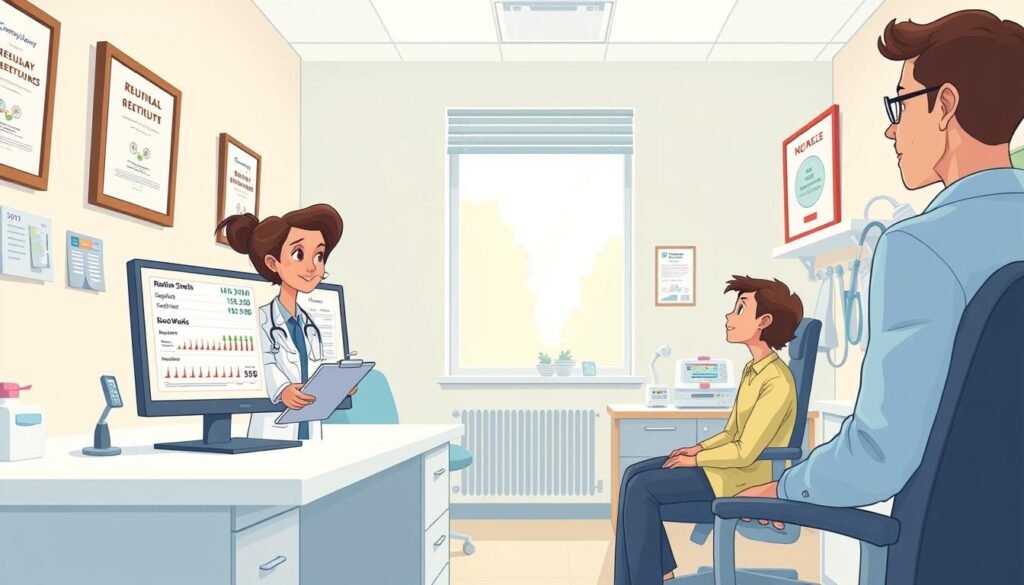
Creating a health snapshot when I’m feeling well is my most valuable asset. It serves as a reference for detecting changes. Understanding my body’s patterns is as important as knowing what’s normal for everyone.
Having this data is incredibly powerful. When my doctor compares my current results to past ones, patterns emerge. Even if a measurement is within normal ranges, it can signal a problem if it’s a big change from my baseline.
This approach has made me a more informed partner in my healthcare. I now know what my numbers mean and why tracking them is key for my wellness.
Discovering Your Unique Body Chemistry Through Testing
Routine blood work reveals fascinating insights about how your body functions at the cellular level. When I first started getting detailed testing, I was amazed at the information from a simple blood draw. These tests show how your liver processes toxins, how efficiently your kidneys filter waste, and whether your thyroid is producing the right amount of hormones.
I remember my first detailed wellness examination vividly. My doctor explained each test result and what it meant for my health. My vitamin D levels were significantly low, even though I had no obvious symptoms. We addressed the deficiency before it could impact my bone density or immune function.
The tests also revealed information about my blood cell counts, electrolyte balance, and inflammation markers. Each biomarker told a story about my body’s internal environment. Understanding these measurements helped me see connections between my lifestyle choices and my physical health.
According to Stanford Health, adults should receive screenings each year to establish and maintain baseline health data. These annual assessments typically include:
- Blood pressure measurements to monitor cardiovascular health
- Height, weight, and BMI calculations for metabolic tracking
- Cardiovascular evaluation to assess heart function
- Comprehensive physical examination for overall wellness
- Depression screening for mental health awareness
- Clinical examinations for early disease detection
Some preventive medical tests require less frequent monitoring. Stanford Health recommends conducting lipid panels, blood glucose tests, and eye examinations every two to five years, depending on individual risk factors and age.
Tracking Important Changes Throughout Your Life
The true value of regular health screenings becomes apparent when you can compare results over multiple years. I’ve been tracking my health metrics for over a decade now, and the trends tell a compelling story about my wellness journey. Small changes that might seem insignificant in isolation become meaningful when viewed as part of a larger pattern.
For example, my cholesterol levels have always fallen within the normal range. But my doctor noticed they were gradually increasing over several years. This upward trend prompted us to make dietary adjustments before I crossed into high cholesterol territory. This early intervention prevented a problem before it required medication.
My experience with health check-ups has taught me that timing matters. Catching changes early gives you more options for intervention. Lifestyle modifications work best when you implement them at the first sign of concerning trends, not when numbers reach problematic levels.
The consistency of testing also matters a lot. When I skip a year or two between screenings, I lose valuable data points that help identify trends. Regular monitoring creates a continuous health narrative that provides context for each new result.
Recognizing Your Personal Normal Versus Standard Ranges
One of the most important lessons I’ve learned through wellness examinations is that everyone’s body operates differently. Standard medical ranges provide useful guidelines, but they don’t tell the whole story. Some people naturally run lower blood pressure, while others have genetic factors that influence their cholesterol metabolism.
I remember my first detailed wellness examination vividly. My doctor explained each test result and what it meant for my health. My vitamin D levels were significantly low, even though I had no obvious symptoms. We addressed the deficiency before it could impact my bone density or immune function.
UCHealth’s biometric screenings emphasize tracking multiple interconnected health markers. Their approach includes monitoring height, weight, BMI, blood pressure, cholesterol levels (both HDL and LDL), triglycerides, and glucose levels. This multi-faceted view creates a complete picture of metabolic health.
I’ve discovered that my body responds to stress and lifestyle changes in specific ways. When I’m not getting enough sleep, my blood pressure tends to rise slightly. When I’m consistent with exercise, my HDL cholesterol improves noticeably. These personal patterns help me understand cause and effect in my own health.
Key Biomarkers to Monitor Through Wellness Examinations
Through my years of regular health screenings, I’ve learned which biomarkers deserve the closest attention. These measurements provide the most valuable information about my overall health status and disease risk. Tracking them consistently has given me a deep understanding of my body’s internal environment.
The biomarkers I monitor most carefully include cardiovascular markers like total cholesterol, LDL cholesterol (the “bad” kind), HDL cholesterol (the “good” kind), and triglycerides. These lipid measurements tell me about my heart disease risk and how well my body processes fats.
Metabolic markers are equally important. I track fasting blood glucose to monitor my blood sugar regulation and hemoglobin A1C to assess my average glucose levels over the past three months. These measurements help detect diabetes risk long before symptoms appear.
| Biomarker Category | Specific Tests | What It Reveals | Testing Frequency |
|---|---|---|---|
| Cardiovascular Health | Total cholesterol, LDL, HDL, triglycerides, blood pressure | Heart disease risk and vascular function | Annually or as recommended |
| Metabolic Function | Fasting glucose, hemoglobin A1C, insulin levels | Diabetes risk and blood sugar regulation | Every 1-3 years depending on risk |
| Organ Function | Liver enzymes, kidney markers, thyroid hormones | How major organs are performing | Annually during physical exams |
| Inflammation Markers | C-reactive protein, complete blood count | Hidden inflammation and immune health | As needed based on symptoms |
I also pay attention to organ function tests. Liver enzymes show how well my liver is processing substances, while kidney function markers indicate how efficiently my kidneys are filtering blood. My thyroid hormones get checked regularly because thyroid problems run in my family.
Inflammation markers like C-reactive protein have become increasingly important in my routine blood work. Elevated inflammation can indicate underlying health issues before they manifest as obvious symptoms. A complete blood count provides information about my red cells, white cells, and platelets.
Physical measurements matter too. I track my blood pressure at every visit, along with my resting heart rate. My doctor also monitors my BMI and waist circumference as indicators of metabolic health. These simple measurements often reveal important trends.
Having years of data from preventive medical tests gives my healthcare provider a complete picture of my health trajectory. This longitudinal view makes it much easier to spot concerning changes and intervene early. I feel empowered to have this detailed understanding of my own body and how it changes over time.
🛡️ 4. Gaining Peace of Mind and Reducing Health-Related Anxiety
I want to talk about preventive medical tests and how they changed my view on health. They brought me emotional relief. Before regular health check-ups, I had a low-level anxiety about my health. I worried about vague symptoms and wondered if something was wrong with my body.
I avoided getting checked because I feared what I might find. This is a common trap many people fall into. But, the reality of regular health screenings is much less scary than not knowing.
The Psychological Benefits of Consistent Health Check-Ups
The mental health benefits of routine monitoring have been amazing. Sitting down with my doctor and hearing “everything looks great” is incredibly reassuring. It’s more powerful than just hoping I’m healthy.
Stanford Health says early detection and prevention keep us well. Knowing you’re taking steps to stay healthy gives you peace of mind.
When I keep up with health check-ups, I worry less about my health. I have current, reliable information about my body. This peace of mind also benefits my family, knowing I’m monitoring my health.
How Preventive Medical Tests Eliminate Uncertainty and Worry
Knowing your health status replaces anxiety. Avoiding preventative healthcare lets your imagination run wild. Every minor ache becomes a worst-case scenario in your mind.
NCBI research shows screening can cause worry and stress from false positives. But, it also brings reassurance when results are normal. The peace from confirmation is worth it.
Regular monitoring has removed many worries from my life:
- Constant second-guessing about seeing a doctor
- Late-night internet searches that turn into panic
- Worrying about something being wrong without knowing what
- Fear of discovering advanced problems that could have been caught earlier
- Uncertainty affecting my mood and productivity
My Experience with Anxiety Reduction Through Regular Monitoring
I’ll share my journey with managing health-related anxiety. A few years ago, I worried about heart disease due to family history. Every time I felt short of breath or had chest tightness, I worried about a heart attack.
I decided to tackle this anxiety by getting preventive medical tests. I had a cardiovascular evaluation, lipid panel, blood pressure monitoring, and stress test.
When my results showed my heart was healthy and my risk factors were low, I felt a huge weight lift. I also set a baseline for future health check-ups, so I no longer worry constantly.
Building Confidence in Your Health Status
Building confidence through regular health screenings helps you understand your body better. When you have recent test results showing your major organ systems are working well, you can better understand minor aches and pains.
You stop worrying about the worst-case scenarios. You trust your body and the monitoring system you’ve set up.
The confidence from consistent health monitoring has greatly reduced my health anxiety. It has improved my quality of life in ways I didn’t expect.
I should mention that preventive medical tests can sometimes show false positives. This means an abnormal result that turns out to be nothing after further testing. I’ve had this experience once with a slightly abnormal finding that required follow-up but ultimately proved benign.
While it caused some worry, having that question answered was better than living with uncertainty. The key is understanding that the screening process sometimes involves additional testing to rule out problems. This is a normal part of preventative healthcare, not a reason to avoid regular health screenings altogether.
The psychological benefits far outweigh the occasional moments of concern during follow-up testing. The relief and confidence I’ve gained have been life-changing.
📋 5. Following Evidence-Based Cancer Screening Guidelines
Cancer screening guidelines have changed how I approach health care. Seeing how early detection saved my uncle’s life but not another family member’s has been eye-opening. Cancer is the second leading cause of death in America. Yet, many cancers are treatable or even curable if caught early.
I’m passionate about following these guidelines because I’ve seen their impact. The right screening tests depend on your age, family history, and risk factors.
Let me share what I’ve learned about essential cancer screenings. These are non-negotiable parts of my health check-ups. I encourage you to discuss these with your healthcare provider.
Age-Appropriate Screening Recommendations Across Your Lifespan
Knowing when to start different screenings is key. Cancer screening guidelines change with age. This knowledge helps me stay proactive.
For adults in their 20s and 30s, cervical cancer screening is important. I started getting Pap smears at 21. Current guidelines suggest starting at this age and following a schedule based on your results and risk.
In my 40s, my screening schedule expanded. This decade is when many guidelines recommend starting breast and colorectal cancer surveillance for those at average risk.
For those 50 and older, screening becomes more extensive. I’ve seen my parents navigate this stage. It includes lung cancer screening for those with a smoking history, more frequent colonoscopies, and continued vigilance with other tests.
“Screening can prevent disease through early detection of precancerous conditions, and screening should only be done for diseases with serious consequences where early treatment is proven more effective.”
The Essential Cancer Screenings That Save Lives
I’ve learned about the most important cancer screenings. I want to share the ones you should know about for regular health screenings.
Mammograms for breast cancer detection are critical. Women at average risk should start annual or biennial mammograms between ages 40 and 50. I started at 40 due to my mother’s breast cancer.
Talking to my doctor about timing was invaluable. I encourage every woman to have this conversation.
Colonoscopy screening typically begins at age 45 for those at average risk, though some suggest starting at 50. Colonoscopies are vital in my health plan. They can find and remove precancerous polyps before they become cancer.
My uncle’s colonoscopy found and removed polyps, preventing what could have been colorectal cancer. This shows the power of early detection through health check-ups.
Here are the essential cancer screenings I discuss with my healthcare provider:
- Skin cancer screenings: Annual full-body examinations with a dermatologist to check for suspicious moles or lesions
- Cervical cancer screening: Pap smears and HPV testing starting at age 21, with intervals based on results
- Lung cancer screening: Low-dose CT scans for ages 50-80 with significant smoking history
- Prostate cancer screening: PSA blood tests and digital rectal exams, typically starting conversations around age 50
Each of these tests has a specific purpose in catching cancer early. I schedule mine throughout the year to avoid overwhelming appointments.
How Your Family Health History Shapes Your Screening Strategy
Family history is key in cancer screening guidelines. If you have first-degree relatives with certain cancers, you may need to start screenings earlier and more frequently.
I keep a detailed family health history document. Reviewing it with my doctor during annual check-ups is invaluable. It helps ensure we don’t miss important risk factors.
For example, because my mother had breast cancer at 45, my doctor recommended I start mammograms at 35. This “ten-year-earlier rule” applies to several cancer types and guides my screening approach.
If you have a family history of colorectal cancer, start colonoscopy screening at 40 or ten years before your relative’s diagnosis, whichever is first. This adjustment can be life-saving.
| Cancer Type | Standard Screening Age | With Family History | Screening Method |
|---|---|---|---|
| Breast Cancer | 40-50 years | 10 years before relative’s diagnosis | Mammogram |
| Colorectal Cancer | 45 years | Age 40 or 10 years before diagnosis | Colonoscopy |
| Prostate Cancer | 50 years | 40-45 years with family history | PSA test and exam |
| Ovarian Cancer | No routine screening | Genetic counseling recommended | Varies by risk |
When to Start Specific Cancer Screenings Based on Risk Factors
Beyond family history, other risk factors influence when to start screenings. Understanding these personal risk elements helps me advocate for the screenings I need, even if they’re not standard.
Smoking history dramatically affects lung cancer screening needs. If you’re between 50 and 80 years old with a 20-pack-year smoking history, low-dose CT screening is critical in your health plan.
Sun exposure history makes annual skin cancer screenings essential for me. I spent many hours outdoors without sun protection in my youth, increasing my melanoma risk. My dermatologist examines my entire body annually during these check-ups.
Genetic mutations like BRCA1 and BRCA2 require earlier and more frequent screening. Friends with these mutations started intensive breast cancer surveillance in their 20s, including MRI screenings alongside mammograms.
Personal health history also matters. If you’ve had precancerous polyps removed during a colonoscopy, you’ll need more frequent follow-up screenings. My uncle now gets colonoscopies every three years instead of the standard ten-year interval.
The bottom line is that cancer screening guidelines provide a foundation. Your personal risk factors determine your actual screening schedule. Honest, informed conversations with your healthcare provider about these factors empower you to get the preventive medical tests you truly need.
I’ve made following these evidence-based recommendations a priority in my health screenings. I’ve seen the devastating consequences of delayed detection and the miraculous outcomes of early intervention. These screenings have proven to save lives, and incorporating them into your health routine is a vital investment in your future.
⚡ 6. Catching Chronic Conditions in Manageable Pre-Disease Stages
Learning about silent diseases changed my view on annual physical exams. Many deadly diseases develop quietly over years, giving us a chance to act early. Regular health screenings have likely saved many lives in my community.
Many big killers in America, like diabetes and heart disease, grow slowly. There’s a key time when changing your lifestyle can stop them. Through preventative care, I’ve learned to spot these signs early.
Spotting Diabetes, High Blood Pressure, and Cardiovascular Problems Before They Progress
Cardiovascular disease is the top killer in the U.S., even more than cancer. High blood pressure affects millions without symptoms.
High blood pressure is called the “silent killer” for a reason. Many people’s first sign is a stroke or heart attack. Waiting for symptoms is risky.
Nearly 40 million people (12% of the U.S. population) have diabetes, with an additional 96 million having pre-diabetes, and 81% of people with pre-diabetes don’t know they have it.
My blood pressure was creeping up during my annual exam. I felt fine, but the numbers were a different story. Diet, stress management, and exercise brought it back to normal.
My doctor said I likely prevented heart and kidney damage. Early detection is powerful.
The diabetes epidemic in America is another reason for routine blood work. The numbers are huge. Without screenings, millions are walking toward a preventable disease.
Untreated diabetes can cause blindness, kidney failure, and more. A simple blood test can spot pre-diabetes. It’s irresponsible not to get these screenings.
| Chronic Condition | Warning Signs Detected | Key Screening Tests | Intervention Window |
|---|---|---|---|
| Pre-Diabetes | Elevated fasting glucose (100-125 mg/dL), HbA1c 5.7-6.4% | Fasting blood glucose, HbA1c test | Reversible with lifestyle changes |
| Pre-Hypertension | Blood pressure 120-139/80-89 mmHg | Blood pressure measurement | Can prevent progression to hypertension |
| High Cholesterol | LDL above 130 mg/dL, HDL below 40 mg/dL | Lipid panel blood test | Dietary and exercise changes effective |
| Heart Disease Risk | Elevated triglycerides, inflammation markers | Complete lipid profile, CRP test | Early intervention prevents heart attacks |
Identifying Warning Signals and Conditions That Can Sti
A friend discovered her pre-diabetes through a workplace screening. She was shocked because she felt healthy. Her story shows the importance of preventative care.
She started working with a nutritionist and exercising. Over a year, she lost 30 pounds. Her blood glucose returned to normal.
She reversed her diabetes risk through early detection and lifestyle changes. Without that screening, she might have faced serious complications.
Heart disease is another area where annual exams are key. High cholesterol produces no symptoms until serious damage has occurred. High LDL and low HDL increase heart attack and stroke risk.
Through regular screenings, I monitor my cholesterol. I’ve made dietary changes to keep it healthy. This proactive approach protects my heart.
Modifying Your Lifestyle for Maximum Impact When You Start Early
Lifestyle changes are most effective when started early. I’ve learned this through research and personal experience. Early intervention has a big impact on your health.
The key changes include:
- Improving diet quality by reducing processed foods, sugar, and unhealthy fats
- Increasing physical activity to at least 150 minutes of moderate exercise weekly
- Losing excess weight through sustainable, gradual approaches
- Quitting smoking and reducing alcohol consumption to moderate levels
- Managing stress through meditation, adequate sleep, and healthy coping strategies
These changes don’t need to be extreme. Small, consistent improvements add up over time. Identifying risk factors through blood work lets you make targeted changes before a health crisis.
The Power of Routine Blood Work in Preventing Major Health Crises
Routine blood work is key in preventing major health crises. A simple test can measure dozens of biomarkers. These measurements show if you’re heading toward diabetes, heart disease, or other conditions.
This information lets you change course before a health crisis. I see my regular health screenings as my early warning system. The small effort has helped me maintain my health, not just recover from a major event.
Standard routine blood work panels typically measure:
- Complete Blood Count (CBC) – detects anemia, infection, and blood disorders
- Comprehensive Metabolic Panel (CMP) – evaluates kidney and liver function, electrolytes, and blood sugar
- Lipid Panel – measures cholesterol levels and cardiovascular disease risk
- HbA1c – provides three-month average of blood sugar levels
- Thyroid Function Tests – identifies metabolism and hormone imbalances
Each test gives valuable insights into your body’s functioning. Tracking these over time through preventative care shows trends. This data is invaluable for catching problems early.
I’ve seen friends avoid heart attacks and prevent diabetes through annual exams and blood work. Their success stories motivate me to keep prioritizing early disease detection.
🤝 7. Strengthening Your Partnership with Healthcare Providers
Over the years, my doctor has become more than just a doctor. She’s a trusted health partner. Regular health screenings have made our relationship stronger.
At first, I only went to the doctor when I felt sick. Now, I visit regularly for preventive care. My doctor knows my health history well.
This has changed how I see healthcare. I feel confident and supported. My doctor understands my health goals and worries.
Regular visits have improved my care and health. This connection is key to better health outcomes.

Building Trust and Continuity Through Consistent Visits
Seeing the same doctor for years is special. They get to know you deeply. This goes beyond what one visit can show.
My doctor knows my family health history. She remembers my heart disease risk and gestational diabetes. She knows my body’s response to medications.
This knowledge makes our visits more efficient. I don’t have to repeat my medical history. We can focus on my current health and future plans.
Here’s what consistency has created in my healthcare relationship:
- My provider recognizes subtle changes in my health patterns that might seem insignificant in isolation
- She knows my personality and communication style, including my tendency to downplay symptoms
- We’ve established trust that allows for honest conversations about sensitive health topics
- My doctor understands my lifestyle constraints and can offer realistic recommendations
- She remembers my health goals and holds me accountable in a supportive way
Regular screenings create a strong foundation for preventive care. When your provider knows you well, they can spot problems early and act fast.
How Regular Visits Improve Communication and Personalized Care
My health check-ups are now different. We have time for detailed conversations. We discuss my concerns and wellness plans.
These visits are proactive, not just for emergencies. They’re about planning for my long-term health.
I prepare for each visit with questions and updates. I share my lifestyle, even the parts I’m not proud of.
This open communication has led to genuinely personalized care:
- When I mentioned struggling with stress and sleep during one wellness examination, my doctor didn’t just prescribe medication
- She helped identify underlying causes based on her knowledge of my complete history
- She recommended relaxation techniques that matched my personality and schedule
- She connected me with a cognitive behavioral therapist who specializes in sleep issues
- We addressed root causes, not just symptoms
This tailored approach works because we’ve built a relationship. Generic advice doesn’t fit everyone’s needs.
Regular preventive care builds strong doctor-patient relationships. This allows for care tailored to your specific needs, considering your age, medical history, and genetics.
Getting Tailored Health Recommendations Based on Your Complete History
Regular health screenings with a consistent provider lead to personalized advice. My doctor knows my risk factors and health goals.
She understands my family’s heart disease history and my weight struggles. She knows my demanding job affects my health habits. Her advice is practical and realistic.
During our wellness talks, her suggestions fit my life. She remembers what worked for me before and what didn’t.
Here’s how personalized recommendations differ from generic advice:
| Generic Health Advice | Personalized Recommendations | Impact on Success |
|---|---|---|
| Exercise 30 minutes daily | Start with 10-minute morning walks, building gradually based on your schedule | Higher adherence due to realistic expectations |
| Follow a low-carb diet | Focus on balanced meals with protein considering your family diabetes history | Sustainable changes addressing specific risk factors |
| Reduce stress levels | Try evening meditation apps, as mornings are rushed for you | Better fit with lifestyle increases implementation |
| Get more sleep | Address your identified sleep apnea with CPAP therapy | Treats underlying cause, not just symptoms |
This customization makes health advice achievable. My doctor knows what motivates me and what challenges I face. She celebrates my successes and helps me solve problems.
What I’ve Learned About Effective Doctor-Patient Relationships
Years of health check-ups have taught me that healthcare is a partnership. It requires effort from both sides.
I’ve become an active participant in my care. I ask questions and share my concerns honestly. I report symptoms and follow up on recommendations.
My healthcare provider has shown me what excellent partnership looks like:
- She listens attentively without interrupting or dismissing my concerns
- She explains medical concepts clearly, avoiding unnecessary jargon
- She respects my preferences and values in decision-making
- She acknowledges uncertainty when it exists, not pretending to have all answers
- She works collaboratively with me to make decisions about tests and treatments
This partnership has empowered me, not intimidated me. I look forward to my wellness exams.
If you’re not getting this kind of relationship, it’s time to find a better provider. Regular screenings work best with a trusted provider who knows you well.
The trust and continuity from regular screenings are key to effective healthcare. This partnership is a valuable asset for your health journey.
📊 8. Staying Current with Age-Appropriate Health Screening Schedules
Throughout my healthcare journey, I’ve learned that the timing of your regular health screenings matters just as much as getting them done. Our bodies change as we age, and so do our health risks. What works for someone in their twenties won’t be enough for someone in their fifties or seventies.
I remember feeling confused about which tests I actually needed at different points in my life. My doctor helped me understand that staying current with age-appropriate screening schedules isn’t about doing every test available. It’s about focusing on the right screenings at the right time.
Let me share what I’ve learned about organizing your health check-ups based on your age. This knowledge has helped me stay proactive about my health, and I believe it can help you too.
Building Your Foundation: Screenings for Your 20s and 30s
When I was in my twenties, I honestly didn’t think much about preventive medical tests. I felt healthy and assumed I didn’t need to worry about screenings yet. Looking back, I wish I had understood how important this decade is for establishing your health baseline.
Your twenties and thirties are the perfect time to develop habits that will protect your health for decades to come. During these years, I recommend focusing on annual physical exams that track your basic health metrics.
Here are the essential screenings I make sure to get during this life stage:
- Blood pressure measurement at every doctor visit to catch hypertension early
- BMI calculation through height and weight measurements to monitor healthy ranges
- Cholesterol screening at least once in your twenties, then every five years if normal
- Blood glucose testing starting by age 35, or earlier if you have risk factors
- Depression screening during annual visits, as mental health matters tremendously
- Skin examinations to check for unusual moles or lesions
- Cervical cancer screening for women starting at age 21
- Testicular self-exams for men to detect abnormalities early
I also learned that this is the time to discuss sexual health screenings with your doctor if you’re sexually active. Many young adults skip these conversations out of embarrassment, but I found my healthcare provider to be supportive and non-judgmental.
The wellness examinations during these decades should also address lifestyle factors. My doctor always asks about my nutrition, exercise habits, sleep quality, and stress levels. These conversations have helped me make better choices before problems developed.
Increasing Vigilance: Critical Screenings for Your 40s and 50s
When I turned 40, my approach to health check-ups shifted significantly. My doctor explained that this is when many chronic diseases begin to develop, even in people who’ve always felt healthy. I realized I needed to take screening more seriously.
During your forties and fifties, the list of recommended preventive medical tests expands considerably. I found this overwhelming at first, but my healthcare provider helped me prioritize what mattered most for my personal risk profile.
Continue all the screenings from your younger years, but add these critical tests:
- Lipid panels every two to five years to monitor cholesterol and triglyceride levels more closely
- Annual blood glucose screening because diabetes risk increases significantly in your forties
- Mammograms for women starting between ages 40-45, depending on your risk factors
- Colonoscopy starting at age 45 for both men and women to screen for colorectal cancer
- Eye examinations every two to five years to check for glaucoma and other conditions
- Annual skin cancer screenings with a dermatologist if you have risk factors
- Bone density screening for women approaching or in menopause
- Prostate cancer discussions for men starting around age 50
I learned that the colonoscopy is one of the most important screenings I’ll ever get. It can actually prevent cancer by removing precancerous polyps before they become dangerous. I won’t lie—the preparation wasn’t fun, but the peace of mind was absolutely worth it.
“Screening saves lives. The conditions we find early are the ones we can treat most effectively. Don’t wait for symptoms to appear—by then, we’ve often lost precious time.”
My cardiovascular evaluation also became more sophisticated during this time. My doctor used advanced risk calculators and discussed whether I might benefit from additional testing based on my family history and lifestyle factors.
Comprehensive Monitoring: Essential Screenings for Ages 60 and Beyond
As I’ve watched my parents navigate their sixties and seventies, I’ve gained tremendous respect for the importance of comprehensive wellness examinations during this life stage. The screening schedule doesn’t decrease—it actually expands to address age-related health concerns.
Continue all your previous regular health screenings, but add these age-specific tests to your routine. I help my parents keep track of these, and I know these will be important for me in the coming years.
Additional screenings for older adults include:
- Hearing tests to address age-related hearing loss that affects quality of life
- Bone density screening for all women over 65 and men over 70
- Falls risk assessment to prevent dangerous injuries
- Cognitive function screening to detect early signs of memory problems
- Nutrition status evaluation as appetite and absorption can change with age
- Vision testing for cataracts, macular degeneration, and glaucoma
- Cardiovascular evaluation including a thorough heart health assessment
Vaccination schedules also change as you age. I make sure my parents stay current on their shingles vaccine, pneumonia vaccines, and annual flu shots. These become increasingly important for preventing serious complications.
One thing I’ve learned from talking with older adults is that you should have honest conversations with your healthcare provider about which screenings are right for you. Your individual health status, life expectancy, and personal preferences all matter when deciding your screening plan.
Creating Your Personalized Regular Health Screenings Timeline
The most valuable thing I’ve done for my health is creating a personalized screening timeline. This simple organizational tool has helped me stay on track with every recommended test without feeling overwhelmed or missing important deadlines.
Here’s how I organize my annual physical exams and other screenings:
I keep a document that lists every screening I need, when I completed it last, and when the next one is due. I set calendar reminders three months in advance so I have plenty of time to schedule appointments. This eliminates the stress of last-minute booking and ensures I never forget an important test.
I review this timeline during every health check-up with my doctor. We discuss whether anything needs to be added based on changes in my health, new family history information, or updated medical guidelines. This collaborative approach keeps my screening plan current and relevant.
To help you visualize what a complete screening schedule looks like, I’ve created this reference table based on standard recommendations:
| Screening Type | Ages 20-39 | Ages 40-59 | Ages 60+ | Frequency |
|---|---|---|---|---|
| Blood Pressure | ✓ | ✓ | ✓ | Every visit |
| Cholesterol Panel | ✓ | ✓ | ✓ | Every 2-5 years |
| Blood Glucose | ✓ (age 35+) | ✓ | ✓ | Every 1-3 years |
| Colonoscopy | — (age 45+) | ✓ | ✓ | Every 10 years |
| Mammogram (Women) | — | ✓ | ✓ | Every 1-2 years |
| Bone Density | — | ✓ (perimenopause) | ✓ | Every 2 years |
| Eye Exam | As needed | ✓ | ✓ | Every 2-4 years |
| Hearing Test | — | As needed | ✓ | Every 3 years |
Remember that this table shows general guidelines for average-risk individuals. Your personal timeline might look different based on your family history, ethnicity, lifestyle factors, and existing health conditions. I always emphasize that these are starting points for discussion with your healthcare provider, not rigid rules.
The key to success with regular health screenings is making them a priority. I treat my screening appointments with the same importance as work meetings or family commitments. My health deserves that level of attention, and so does yours.
I’ve found that sharing my screening schedule with a family member or close friend creates accountability. My sister and I remind each other when it’s time for our annual check-ups. This support system has been invaluable for staying consistent with preventive care.
By staying current with age-appropriate screening schedules, you’re giving yourself the best possible chance at catching health problems early when they’re most treatable. This proactive approach has transformed how I think about healthcare—from reactive crisis management to preventive wellness maintenance.
✨ Conclusion: Your Next Steps Toward Proactive Wellness
I’ve shared eight powerful reasons why regular health screenings have changed my life and the lives of people I care about. Now it’s time for you to take action.
Start by scheduling your annual physical exam if you haven’t had one recently. Call your doctor’s office today and ask about preventive medical tests covered by your insurance. Organizations like Stanford Health emphasize the importance of staying current on preventative healthcare and taking advantage of wellness programs.
Prepare for your appointment by listing health concerns, gathering family history information, and noting all medications you take. Review the screening guidelines from this article and schedule any overdue health check-ups like colonoscopies or mammograms.
Make wellness examinations a non-negotiable part of your yearly routine. Your body deserves this attention.
I invite you to visit www.healthyvibeslife.com for more resources on nutrition, fitness, and disease prevention. Subscribe to our newsletter for health and wellness tips, wellness-related travel deals, reviews of the latest fitness products, expert interviews, and seasonal health advice delivered straight to your inbox.
Join thousands of readers who prioritize proactive wellness. Regular health screenings only work when you follow through and get screened. Take control of your health today and experience the peace of mind that comes with preventative healthcare.
Visit www.healthyvibeslife.com now to explore more articles and subscribe to our community of wellness enthusiasts.