
Did you know that 70% of your immune cells live in your digestive tract? I found out this amazing fact after dealing with colds and stomach issues for years. That’s when I started looking into gut healthy foods, and my life changed.
My journey into digestive health nutrition was unexpected. I was fed up with feeling tired and getting sick all the time. Once I learned about the link between gut health and immune support, I started trying different things.
In this article, I’ll share 10 easy-to-find foods that changed my health. These aren’t fancy, expensive foods. They’re simple items you can find at your local grocery store.
I’ll also clear up 5 common myths that confused me for years. You’ll learn about fermented veggies, cultured dairy, and prebiotic fiber. Plus, you’ll see the science-backed benefits I’ve experienced myself. My goal is to show you simple, lasting changes you can make today.
Key Takeaways
- Approximately 70% of immune cells reside in the digestive tract, making the gut-immunity connection vital for health
- Simple, affordable everyday items can greatly improve microbiome health without needing pricey specialty products
- Fermented veggies, cultured dairy, and prebiotic fiber are key for effective digestive health nutrition
- Changes to your microbiome can start happening overnight with the right foods
- Five common myths about digestive wellness have been holding people back from achieving the best immune system support
🌟 Why I’m Passionate About Gut Healthy Foods for Immunity
I want to share why gut healthy foods are so important to me. They’ve changed my life in ways I never thought possible. It’s not just another health topic; it’s deeply personal.
I struggled with health issues for years without knowing why. The answer was in my digestive system. Once I learned about the gut-immune connection, everything changed.
The Gut-Immune System Connection
Something that amazed me was learning that 70% of your immune cells live in your gut. Your digestive system is more than just breaking down food. It’s your body’s main defense.
Your gut microbiome is home to trillions of microbes. They do more than aid digestion. They talk to your brain, affect your mood, and train your immune system.
The microbes in your gut teach your immune cells what to do. They help your body tell the difference between harmful invaders and harmless substances. Eating foods that support your microbiome feeds the good bacteria that protect you.
What really caught my attention was how fast things can change. Your gut bacteria can shift with your diet—sometimes overnight. This means what you eat today affects your immune health tomorrow.
The balance between good and bad bacteria is key. Good bacteria reduce inflammation, strengthen your gut, and make vitamins your immune system needs.
My Personal Journey to Better Digestive Health
I used to get sick all the time, catching every cold and flu. I’d get ill four to five times a year. I also had constant bloating, low energy, and digestive discomfort.
The turning point was when I realized my diet was harming my gut bacteria. I was eating processed foods, skipping meals, and not eating enough fermented or fiber-rich foods. My gut was crying out for help, but I didn’t know how to listen.
When I started eating gut healthy foods, the changes were amazing. Within three months, my digestive issues disappeared. My energy levels soared. I stopped getting sick all the time.
Now, I get sick maybe once a year—if that. My digestion is smooth, and I have plenty of energy. Even my mood improved, thanks to the gut-brain connection.
The changes were simple and didn’t cost much. I just added more microbiome supporting foods to my meals. Sauerkraut, yogurt, garlic, and onions made a huge difference in my immune health.
| Health Aspect | Before Gut-Focused Diet | After Incorporating Gut Healthy Foods |
|---|---|---|
| Illness Frequency | 4-5 times per year | 1 time per year or less |
| Digestive Comfort | Daily bloating and discomfort | Virtually no digestive issues |
| Energy Levels | Low energy, afternoon crashes | Steady energy throughout the day |
| Overall Wellness | Frequent fatigue and mood swings | Improved mood and vitality |
This experience taught me something important: your immune system’s strength depends on your gut’s health. Nourishing your gut bacteria with the right foods strengthens your immune system from the inside out.
I’m passionate about sharing what I’ve learned. If you’re struggling with illness, digestive problems, or low energy, your gut might be trying to tell you something. The good news is that the solution is simple and starts with what you eat.
🥬 Fermented Vegetables: Probiotic Rich Foods That Changed My Life
I remember the first time I tried homemade sauerkraut. It was tangy and surprised me. But what really changed was how I felt after two weeks of eating fermented foods for digestion. These veggies became my daily friends, changing my eating habits and gut health.
Fermented veggies work magic through beneficial bacteria. These microbes break down sugars, making probiotic rich foods that help your gut. I found three veggies that made a big difference in my life.
1. Sauerkraut
Sauerkraut was my first step into fermented veggies. It’s just cabbage and salt, but it’s packed with digestive benefits. Starting with two tablespoons at lunch, I noticed my body processing food better in days.
The power of sauerkraut comes from Lactobacillus bacteria. These live cultures produce acids that help digest food. Within two weeks, I noticed better regularity from eating sauerkraut daily.
One cup of sauerkraut has 4 grams of fiber, feeding the probiotics in your gut. The fiber and live cultures are a powerful combo for digestion. Consistency is key with these beneficial bacteria.
Here’s what I learned about sauerkraut:
- Choose refrigerated, unpasteurized sauerkraut to keep live cultures
- Start with small portions (1-2 tablespoons) and increase gradually
- Look for brands with “live active cultures” on the label
- Store opened jars in the fridge to keep bacterial activity
- Avoid heating sauerkraut, as high temperatures kill beneficial bacteria
Vitamin C for Immune Support
Fermentation preserves vitamin C in sauerkraut. This makes it a food that supports both gut health and immune function. During cold season, I stayed healthier with daily sauerkraut.
Vitamin C works with probiotics to strengthen your body’s defenses. It’s like feeding two birds with one scone—supporting your gut and immune system naturally.
2. Kimchi
After mastering sauerkraut, I tried kimchi, the spicy Korean cousin. The flavors and heat took some getting used to, but now I love it. Kimchi has beneficial bacteria and extra veggies like radishes and scallions for more health benefits.
Anti-Inflammatory Diet Superstar
Kimchi became my favorite for fighting inflammation. The fermentation process creates compounds that reduce inflammation. I felt less joint stiffness and fewer digestive issues after eating kimchi regularly.
The veggies in kimchi support detoxification. Regular fermented food like kimchi can lower inflammation. I noticed more energy and comfort.
The spiciness from red pepper flakes adds more benefits. Capsaicin, the compound that creates heat, has anti-inflammatory properties that work well with probiotics.
Garlic and Ginger Immunity Boost
Kimchi recipes include garlic and ginger for a synergistic immunity boost. Garlic has allicin, a compound with antimicrobial properties. Ginger adds anti-inflammatory and digestive benefits.
These ingredients work together with live cultures for protection. Garlic supports your immune system and fights harmful bacteria. Ginger soothes your digestive tract while probiotics colonize it.
When shopping for kimchi, look for these quality indicators:
- Ingredients list should include fresh garlic and ginger, not powders
- Product should be refrigerated and contain live cultures
- Authentic kimchi will continue fermenting slowly in your fridge
- The aroma should be tangy and pungent, not vinegary
3. Fermented Pickles
Pickles confused me at first because not all are probiotic-rich. I learned most grocery store pickles are just cucumbers in vinegar, lacking live cultures. Finding real fermented pickles was a mission that paid off.
Sodium-Controlled Probiotic Sources
Fermented pickles do contain sodium from the brine. But, the probiotic benefits can outweigh sodium concerns when eaten in moderation. I eat two to three pickle spears daily without worrying about salt.
The key is balancing sodium intake throughout the day. I cut down on processed foods and restaurant meals, saving my sodium budget for probiotic-rich foods. My blood pressure stayed stable, and I gained digestive benefits.
For those watching sodium, here’s what to do:
- Start with one pickle spear per day and monitor your response
- Drink plenty of water to help process sodium
- Choose smaller pickle varieties with less brine
- Balance pickle consumption with low-sodium meals
Finding Authentic Fermented Varieties
Learning to spot real fermented pickles versus vinegar-based ones changed everything. Real pickles undergo natural fermentation, creating live cultures. Quick-pickled versions use vinegar without beneficial bacteria.
I developed a system to find genuine fermented pickles:
- Check the refrigerated section—real fermented pickles need cold storage
- Read ingredient labels carefully—look for water, salt, cucumbers, and spices without vinegar
- Search for “naturally fermented” or “contains live cultures” statements on the label
- Look for trusted brands—Bubbies and Claussen use traditional methods
- Inspect the brine—fermented pickle juice is cloudy, not clear like vinegar-based
Fermented pickle juice is also a probiotic drink. Sometimes, I drink a small shot of the brine for quick digestive support, after heavy meals. The concentrated probiotics and electrolytes provide immediate benefits.
Sauerkraut, kimchi, and fermented pickles were the foundation of my gut health journey. I rotate them to keep my meals interesting and provide variety for my digestive system. The mix of different bacterial strains from various fermented foods creates a diverse and resilient gut microbiome.
🥛 Cultured Dairy: Microbiome Supporting Foods
I was skeptical about dairy’s role in gut health until I tried cultured options. Growing up, I heard mixed messages about dairy and digestion. The truth is more complex.
Cultured dairy products are now my favorite microbiome supporting foods. Not all dairy is good for your gut. The fermentation process is key.
These probiotic rich foods do more than just feed you. They help me stay energetic and have fewer digestive problems.
4. Greek Yogurt with Live Active Cultures
Greek yogurt became my go-to breakfast after I learned what to look for. Its creamy texture is great, but the real benefit is at the microscopic level.
I always check for the “Live & Active Cultures” seal. This seal means there are at least 100 million probiotic cultures per gram. That’s a lot of good bacteria for your gut.
Not all yogurt is created equal. I became a label detective. The specific bacterial strains are more important than most people think.
Here are the probiotic strains I look for in quality Greek yogurt:
- Lactobacillus acidophilus – Supports digestive health and nutrient absorption
- Bifidobacterium lactis – Enhances immune function and reduces inflammation
- Lactobacillus casei – Helps regulate bowel movements and fight harmful bacteria
- Streptococcus thermophilus – Breaks down lactose for easier digestion
I avoid yogurts with more than 10 grams of added sugar. Sugar feeds bad bacteria in your gut, which defeats the purpose of eating probiotic rich foods.
Plain Greek yogurt is my favorite. I add berries and a drizzle of honey for sweetness.
Protein and Gut Flora Balance
Greek yogurt is a powerful gut health ally. It has high protein and probiotics, creating the best conditions for gut flora balance.
Each cup of Greek yogurt has 15-20 grams of protein. These amino acids help keep your gut lining strong, which is important for your health.
I feel fuller longer when I eat Greek yogurt for breakfast. The protein keeps me satisfied until lunch, while the probiotics work on my digestion. It’s a win-win.
The gut lining replaces itself every 3-5 days. So, eating enough protein is key to keeping it strong.
5. Kefir
Kefir is my secret weapon among cultured dairy options. This tangy, drinkable yogurt has more probiotic power than any other dairy I’ve tried.
The slightly fizzy taste surprised me at first. It’s tart and refreshing, like a mix of yogurt and buttermilk. Now, I love it.
I drink kefir plain or blend it into smoothies for a probiotic boost. Brands like Lifeway and Maple Hill offer high-quality options with few added ingredients.
Superior Bacterial Diversity
Kefir’s probiotic profile amazed me when I first looked into it. It has a much wider range of beneficial bacteria than regular yogurt.
Traditional kefir has 30-50 different bacterial strains, compared to yogurt’s 5-10. This diversity offers more microbiome supporting benefits.
Kefir grains are the magic behind it. These aren’t actual grains but colonies of yeast and lactic acid bacteria that ferment milk sugars. This process creates the tangy flavor and loads of probiotics.
The varied bacterial strains work together in your gut. They colonize different parts of your digestive tract, providing broader coverage than single-strain supplements.
Benefits for Lactose Sensitivity
My friend Sarah can’t drink regular milk without digestive issues. Yet, she drinks kefir daily without problems. This surprised both of us until we learned why.
The fermentation process breaks down most of the lactose in kefir. The remaining lactose gets digested by the live active cultures in the drink. This double action makes kefir tolerable for many with lactose sensitivity.
Starting with small amounts helps your system adjust. I recommend beginning with 4 ounces daily and gradually increasing to 8 ounces as your gut adapts.
6. Aged Cheeses
Aged cheeses surprised me as probiotic sources. I never expected my favorite cheddar to help my gut health.
The aging process preserves certain beneficial bacteria that survive and thrive during fermentation. This was genuinely unexpected good news for cheese lovers like me.
Unexpected Probiotic Benefits
Not all cheeses offer probiotic benefits, but aged varieties definitely do. The key is understanding which types to choose.
Aged cheeses with probiotic benefits include:
- Sharp cheddar (aged at least 6 months)
- Gouda (special aged varieties)
- Parmesan (Parmigiano-Reggiano aged 12+ months)
- Swiss cheese (with its characteristic holes from bacterial fermentation)
The aging process allows beneficial bacteria to develop while moisture decreases. The longer aging time generally means more concentrated probiotics, though in lower amounts than yogurt or kefir.
I use aged parmesan as a finishing touch on salads and roasted vegetables. It adds flavor while contributing to my daily intake of probiotic rich foods.
Choosing Quality Over Quantity
Aged cheese requires a different approach than other cultured dairy. While it offers probiotic benefits, it’s also calorie-dense and high in saturated fat.
I treat aged cheese as a garnish, not a main probiotic source. One to two ounces provide flavor and some beneficial bacteria without too many calories.
Quality matters more than quantity with cheese. I choose artisanal, traditionally aged cheeses over mass-produced ones. The traditional aging process preserves more beneficial bacteria and delivers superior flavor.
Pairing cheese with prebiotic fiber sources creates an ideal combination. I often enjoy a small portion of aged cheddar with apple slices or whole grain crackers. This combination feeds both me and my beneficial gut bacteria.
These cultured dairy options are key to maintaining gut flora balance. Each one offers unique benefits and fits different situations throughout my day.
🍵 Fermented Beverages for Daily Digestive Health Nutrition
Drinking fermented beverages can improve your gut health. Probiotic drinks are a tasty way to get the benefits of fermented foods, even when you’re busy or want something light.
These drinks are great for digestive health. They’re easy to drink, even for those who don’t like the texture of solid foods. The good bacteria are already in liquid form, making them easier for your gut to use.
7. Kombucha
I started drinking kombucha three years ago, looking for a healthy soda. It’s now a daily habit, and I’ve learned a lot about what works.
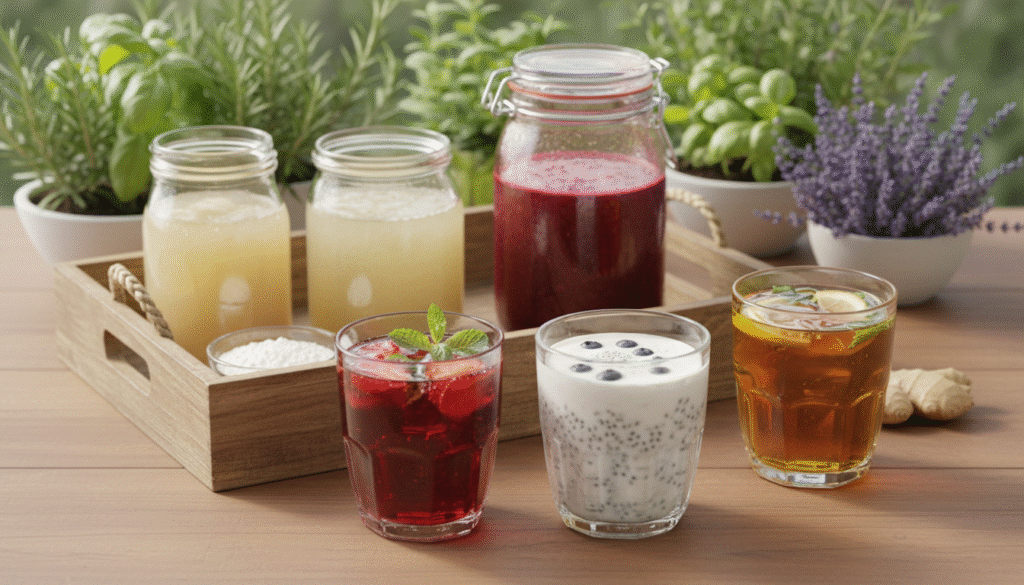
Kombucha is made by adding a SCOBY to sweet tea and fermenting it. This makes it fizzy, tangy, and full of good bacteria and a bit of alcohol.
Kombucha Benefits I’ve Personally Tested
I drink 4 to 8 ounces of kombucha a day, usually with lunch. I’ve noticed it helps with digestion and gives me a gentle energy boost.
The fizziness satisfies my soda cravings. While it won’t cure any specific health issue, it’s a gut-friendly habit I enjoy.
I love ginger and mixed berry flavors. The ginger helps when my stomach is upset.
Organic Acids and Gut Health
The fermentation of kombucha creates organic acids. These acids help keep your gut’s pH balanced, supporting good bacteria.
Green tea kombucha also has antioxidants. These help your gut bacteria grow and thrive.
The lactic acid bacteria in kombucha act as probiotics. They help keep your gut flora balanced.
Sugar Content Considerations
Not all probiotic drinks are the same. Some kombucha brands have a lot of sugar, which can cancel out the health benefits.
Always check the labels. I trust brands like GT’s Synergy, Health-Ade, and Brew Dr. Kombucha.
Making your own kombucha lets you control the sugar. I started brewing last year, and it’s easy once you get the hang of it.
Important safety note: Kombucha isn’t good for pregnant or breastfeeding women, kids, or people with weak immune systems because of alcohol and contamination risks.
| Kombucha Brand | Sugar per 8oz | Probiotic Status | Best Feature |
|---|---|---|---|
| GT’s Synergy Enlightened | 2-4g | Raw, unpasteurized | Lowest sugar, strong probiotic content |
| Health-Ade | 8-12g | Raw, organic | Excellent flavor variety, quality ingredients |
| Brew Dr. Kombucha | 6-10g | Raw, organic | Unique tea blends, consistent quality |
| Homemade | 0-5g (controllable) | Maximum potency | Customizable flavor and sugar levels |
8. Miso
Miso is a hidden gem for digestive health. It’s a savory paste that adds depth and probiotics to many dishes.
Miso is made from fermented soybeans, barley, or rice. It’s full of beneficial bacteria, protein, and minerals.
Enzyme-Rich Fermentation
Miso’s fermentation creates digestive enzymes. These enzymes help break down food in your stomach, making nutrients more accessible.
Always choose unpasteurized miso from the fridge. Pasteurization kills the live cultures, so refrigerated miso is best for probiotics.
Different fermentation times make different miso varieties. White miso is mild and sweet, while red miso is robust and salty.
Beyond Soup: Creative Uses
Miso is more than just for soup. Here are some ways to use it in your diet:
- Whisked into salad dressings with olive oil, lemon juice, and a touch of maple syrup
- Spread thinly on roasted vegetables before serving for an umami boost
- Mixed into marinades for salmon, chicken, or tofu
- Stirred into grain bowls with quinoa or brown rice
- Blended into butternut squash or cauliflower soup as a finishing touch
To keep the beneficial bacteria alive, use miso as a finishing ingredient. Never boil it directly in hot liquids. Instead, whisk it into a bit of hot liquid, then stir that mixture back into your dish.
One tablespoon of miso has about 600 milligrams of sodium. Use only 1 to 2 teaspoons per serving for great flavor without too much salt.
The variety of fermented foods you eat is more important than how much you eat. Switching between different probiotic drinks and foods exposes your gut to more beneficial bacteria.
Kombucha and miso are both staples in my kitchen. They offer different flavors and uses, keeping my gut healthy and my meals exciting.
🌾 Prebiotic Fiber Sources: Feeding Your Good Bacteria
Think of prebiotics as fertilizer for your internal garden. Without them, even the best probiotic foods can’t reach their full benefit. I learned this when probiotics alone didn’t give me the results I wanted. My gut health plan was incomplete because I wasn’t feeding the good bacteria.
Prebiotic fiber sources are special types of dietary fiber. They resist digestion in your small intestine. They then travel to your colon, where your gut bacteria ferment them into short-chain fatty acids. These acids reduce inflammation, strengthen your gut lining, and support your immune system.
The key is variety. Research shows that eating diverse plant fibers feeds different bacterial strains. This creates a thriving ecosystem in your digestive tract. I aim for at least 30 grams of fiber daily from different sources, which has dramatically improved my digestion and energy levels.
9. Garlic and Onions
These kitchen staples became my favorite prebiotic fiber sources once I understood their power. I used to think of garlic and onions as simple flavor enhancers. Now I recognize them as essential gut healthy foods that support both my microbiome and immune system.
I incorporate them into almost every savory meal I prepare. The best part is that both raw and cooked versions offer benefits, giving me flexibility in how I use them throughout the day.
Inulin and FOS Prebiotic Content
Garlic and onions are rich in inulin and fructooligosaccharides (FOS), special prebiotic fibers that became game-changers for my digestive health. These compounds pass through my small intestine undigested and reach my colon intact, where beneficial bacteria feast on them.
When gut bacteria ferment inulin and FOS, they produce short-chain fatty acids. These acids reduce inflammation and strengthen the intestinal barrier. I’ll be honest—when I first increased my intake, I experienced some gas and bloating. This is actually a positive sign that the prebiotics are working and your gut bacteria are adjusting.
The discomfort disappeared after about a week as my microbiome adapted. I started with small amounts—one clove of garlic or a quarter of an onion daily—and gradually increased my intake. This gentle approach helped my digestive system adjust without overwhelming symptoms.
“Fructooligosaccharides help build gut flora and may improve conditions including diarrhea, osteoporosis, gastrointestinal disorders, cardiovascular disease, and type 2 diabetes.”
I use both raw and cooked preparations to maximize benefits:
- Raw garlic and onions in salads, salsas, and dressings for maximum allicin content
- Cooked versions in soups, stir-fries, and roasted dishes for gentler digestion
- Fermented options like pickled onions for combined prebiotic and probiotic benefits
Antimicrobial and Immune Properties
Garlic offers a bonus beyond its prebiotic fiber sources: powerful immune-supporting compounds that protect against infections. When you crush or chop garlic, it releases alliin, which converts to allicin—a compound that supports white blood cell function and helps fight viruses and bacteria.
I learned a key preparation tip that maximizes these benefits. After crushing garlic, I let it sit for 10 minutes before cooking. This resting period allows the alliin to fully convert to allicin, preserving more of its antimicrobial properties even after heating.
Research shows that garlic has anti-inflammatory, antioxidant, and lipid-lowering properties that positively affect cardiovascular disease, blood pressure, metabolic disorders, and diabetes. I’ve noticed that during cold and flu season, my consistent garlic consumption seems to help me avoid or recover faster from illness.
Onions provide similar benefits with an added advantage: they’re rich in quercetin, a powerful anti-inflammatory compound. Red onions contain the highest quercetin levels, which is why I choose them for raw preparations like salads.
10. Leafy Greens and Cruciferous Vegetables
I’ll admit these weren’t always my favorite gut healthy foods. Growing up, I avoided Brussels sprouts and found kale too bitter. But understanding their role in building microbiome diversity completely changed my perspective and my palate.
Now these vegetables are staples in my daily routine. They provide diverse fibers that different bacterial strains need to thrive, creating the varied ecosystem that defines optimal gut health.
Fiber for Microbiome Diversity
Variety is the secret to maximizing microbiome diversity through prebiotic fiber sources. Different vegetables contain different fiber types, and each feeds specific beneficial bacteria strains in your gut. The more diverse your fiber intake, the more diverse and resilient your microbiome becomes.
Leafy greens include spinach, kale, Swiss chard, arugula, and collard greens. Cruciferous vegetables include broccoli, cauliflower, Brussels sprouts, and cabbage. Together, they provide a spectrum of fibers that research links to better health outcomes across multiple systems.
Studies show that people who consume 30 or more different plant foods weekly have significantly greater microbiome diversity than those eating fewer varieties. This diversity correlates with stronger immune function, better mental health, and reduced inflammation.
| Vegetable Type | Key Fiber Content | Primary Gut Benefits | Best Preparation |
|---|---|---|---|
| Spinach | Cellulose, hemicellulose | Increases beneficial Bacteroides | Raw in smoothies, wilted in dishes |
| Kale | Insoluble fiber, pectin | Supports Lactobacillus growth | Massaged raw or lightly sautéed |
| Broccoli | Soluble and insoluble fiber | Enhances Bifidobacteria populations | Roasted or lightly steamed |
| Brussels Sprouts | Cellulose, lignin | Promotes diverse bacterial communities | Roasted until crispy |
Nutrients That Support Gut Lining
Beyond their fiber content, these vegetables provide specific nutrients that directly strengthen and protect your intestinal lining. This was a revelation for me—I wasn’t just feeding my bacteria, I was also fortifying the physical barrier that keeps harmful substances out of my bloodstream.
Vitamin A maintains the mucus barrier that lines your gut, preventing pathogens from contacting intestinal cells. Spinach and kale are excellent sources. I’ve noticed fewer digestive upsets and more stable energy throughout the day.
Folate supports the rapid cell turnover that occurs in your intestinal lining. Your gut lining completely renews itself every 3-5 days, and folate is essential for this process. Leafy greens provide abundant folate in a highly bioavailable form.
Cruciferous vegetables contain sulfur compounds that boost glutathione production. Glutathione is your body’s master antioxidant, protecting gut cells from oxidative damage caused by inflammation and toxins. This protective effect helps maintain gut lining integrity even during periods of stress or dietary indiscretion.
My Favorite Preparation Methods
The right preparation methods make these gut healthy foods taste amazing while preserving their nutritional benefits. I’ve experimented extensively to find techniques that work for my taste preferences and busy schedule.
For raw kale, I massage the leaves with lemon juice and a pinch of salt for 2-3 minutes. This breaks down the tough fibers, making it tender and less bitter. The lemon juice also helps your body absorb the iron and other minerals.
I roast broccoli and Brussels sprouts at 425°F with olive oil, salt, and pepper until the edges turn crispy and slightly charred. This high-heat method caramelizes the natural sugars, creating a sweet, nutty flavor that completely transformed my opinion of these vegetables. Roasting takes just 20-25 minutes and requires minimal effort.
Spinach in smoothies became my secret weapon for increasing vegetable intake without changing the taste. A large handful of raw spinach blends completely smooth and is masked by fruit flavors. You literally cannot taste it, but you get all the prebiotic fiber sources and nutrients.
Cauliflower rice serves as my prebiotic base for grain-free bowls. I pulse raw cauliflower in a food processor until it resembles rice, then sauté it with garlic and onions for a double prebiotic punch. This base absorbs flavors beautifully and provides substantial fiber without the blood sugar spike of traditional rice.
These preparation methods have made consuming diverse prebiotic fiber sources effortless and genuinely enjoyable. The key is finding techniques that match your taste preferences and lifestyle, making gut healthy foods a sustainable part of your daily routine.
🚫 Gut Healthy Foods Myths I’m Busting Based on Experience
I spent a lot of money and time believing wrong things about gut healthy foods. These myths made me buy useless products and set bad expectations. Now, I’m sharing digestive health facts I wish I knew earlier.
Knowing these probiotic myths can save you time and money. Let me tell you about the five biggest misconceptions that stopped my progress. Learning the truth changed how I approach gut health.
Myth 1: All Fermented Foods for Digestion Are Equally Effective
I grabbed any “fermented” product without checking if it had good bacteria. This mistake cost me months because I didn’t know processing methods matter a lot.
Not all fermented products give the probiotic benefits you expect. The big difference is one process that kills all good bacteria.
The Truth About Pasteurization
Pasteurization kills both bad and good bacteria, making many commercial fermented foods useless for gut health. Most store-bought sauerkraut is heat-treated to last longer.
I found out that shelf-stable pickles, many grocery store kombuchas, and most jarred sauerkraut have no live cultures. The fermentation happened, but pasteurization killed all the probiotics before it reached my kitchen.
Look for refrigerated fermented foods and “raw” or “unpasteurized” labels to ensure live cultures remain active in your gut healthy foods.
Now I check ingredient lists for specific bacterial strains like Lactobacillus or Bifidobacterium. I look for products labeled “contains live active cultures” or “raw.” I even started making my own sauerkraut to get beneficial bacteria with every serving.
Myth 2: You Need Expensive Supplements Instead of Whole Foods
I spent over $50 monthly on probiotic capsules before realizing fermented foods worked better and were cheaper. The supplement industry made me think pills were better than food, but my research and experience proved the opposite.
This myth makes people spend money on unnecessary supplements when affordable kitchen staples work better. The science supports what I experienced firsthand.
Why Food Sources Win Every Time
Food-based probiotics come with prebiotic fiber, nutrients, and a protective food matrix that helps bacteria survive stomach acid better than many capsules. Research shows whole foods create more diverse bacterial changes in the microbiome than isolated supplements.
I compared costs and found yogurt, sauerkraut, and kimchi are budget-friendly options. A jar of quality sauerkraut costs $6-8 and lasts two weeks, while premium probiotic supplements cost $30-50 monthly.
Whole foods provide more than probiotics, including vitamins, minerals, and beneficial compounds that supplements lack. Supplements may help in specific medical situations, but they’re not necessary for most people eating varied fermented foods for digestion.
Myth 3: Probiotic Rich Foods Work Overnight
I expected instant changes after adding fermented foods to my diet. When I didn’t feel dramatically different after three days, I questioned whether these foods worked at all.
This unrealistic expectation almost made me quit before the real benefits appeared. Understanding the actual timeline kept me consistent long enough to experience genuine improvements.
Realistic Timeline for Results
Based on my experience and research, here’s what to honestly expect: subtle digestive changes in 1-2 weeks including improved regularity and less bloating after meals. I noticed these first shifts within ten days of consistent intake.
Noticeable immune improvements emerged after 4-6 weeks. I caught fewer colds and recovered faster when I did get sick. Significant changes in energy levels and overall wellbeing took 2-3 months of daily consumption.
Consistency matters far more than quantity. Eating small amounts of gut healthy foods daily beats consuming large portions sporadically. I saw better results from two tablespoons of sauerkraut every day than from eating a full cup twice weekly.
Myth 4: More Probiotics Always Equal Better Health
I initially overdid everything, eating huge portions of fermented foods and feeling worse instead of better. My enthusiasm backfired because I didn’t understand that balance matters more than volume.
This myth leads people to consume excessive amounts that can cause digestive distress. Finding your personal sweet spot requires patience and attention to your body’s signals.
Finding Your Personal Balance
Excessive fermented foods for digestion caused bloating, gas, and digestive upset in my experience. I learned that everyone’s optimal amount differs based on their current microbiome composition and individual tolerance levels.
Starting slow proved essential. I began with just 1-2 tablespoons of sauerkraut or kimchi daily, or 4-6 ounces of kefir or yogurt. After two weeks without issues, I gradually increased portions based on how my body responded.
Listening to your body’s signals prevents the discomfort I experienced from overconsumption. No single food is a magic cure—eating a healthy diet full of vitamins and minerals that support the immune system delivers the best results.
Myth 5: Dairy Is Always Bad for Your Gut
The anti-dairy trend convinced me that all dairy products would destroy my digestive health. I avoided yogurt and kefir completely, missing out on incredible probiotic sources because of this blanket assumption.
This oversimplification ignores how fermentation fundamentally changes dairy products. The truth about fermented dairy surprised me and changed my entire approach.
The Fermented Dairy Exception
While some people truly can’t tolerate dairy, fermented dairy products like yogurt, kefir, and aged cheese are different because fermentation breaks down lactose and provides probiotics that further aid digestion. Due to fermentation, these gut healthy foods are often tolerated by lactose-intolerant individuals.
My lactose-sensitive friend tolerates kefir and Greek yogurt perfectly without the digestive issues she experiences from regular milk. The probiotics help digest remaining lactose, making these foods accessible to many people who avoid dairy.
The key involves choosing quality, minimally processed options. I select full-fat or low-fat products with live cultures, avoiding fat-free versions loaded with fillers and stabilizers that compromise digestive benefits.
| Myth | What I Believed | Digestive Health Facts | Action to Take |
|---|---|---|---|
| All Fermented Foods Work | Any product labeled “fermented” delivers probiotics | Pasteurization destroys beneficial bacteria in most commercial products | Buy refrigerated, raw, unpasteurized products with live cultures |
| Supplements Beat Food | Pills are more effective than whole foods | Food sources create more diverse microbiome changes with better survival rates | Prioritize affordable fermented foods over expensive supplements |
| Instant Results | Benefits appear within days | Subtle changes in 1-2 weeks, significant benefits after 2-3 months | Commit to consistent daily intake for at least 8-12 weeks |
| More Is Better | Eating large amounts accelerates benefits | Excessive intake causes digestive distress; balance is individual | Start with small portions and gradually increase based on tolerance |
| All Dairy Harms Gut | Dairy always causes digestive problems | Fermented dairy is often tolerated due to probiotic-aided lactose digestion | Try quality fermented dairy even if you’re lactose-sensitive |
Debunking these probiotic myths changed my relationship with gut healthy foods. I stopped wasting money on ineffective products and abandoned unrealistic expectations that led to disappointment. Most importantly, I developed sustainable habits based on facts, not marketing hype.
These digestive health facts allowed me to make informed choices that actually improved my wellbeing. Understanding the truth about pasteurization, whole foods versus supplements, realistic timelines, personal balance, and fermented dairy gave me the knowledge to succeed where I’d previously failed.
💪 How Gut Healthy Foods Strengthen Your Immune System
I used to think immunity was all about vitamins and hand washing. But learning about the gut-immune connection changed everything. It showed me how what I eat affects my body’s fight against illness.
This connection isn’t just a theory. I’ve seen it work in my own life. My overall immune health has improved a lot.
Discovering how microbiome supporting foods work has been empowering. The science behind it is fascinating. I’m excited to share both the research and my personal experiences with you.
Where Your Immune System Actually Lives
Something that blew my mind is that about 70% of my immune cells live in the gut. I now see my gut as the immune system’s headquarters. It’s where immune cells learn to recognize threats.
Beneficial bacteria act like personal trainers for immune cells. They teach these cells to know the difference between harmful pathogens and harmless substances. This training helps prevent infections and immune responses like allergies and autoimmunity.
By focusing on microbiome supporting foods, I’ve had fewer colds. When I do get sick, it’s shorter. I haven’t had a sinus infection in over two years.
Personal Changes I’ve Noticed in My Body
Eating gut healthy foods has reduced inflammation in my body. My joints don’t ache as much after workouts. My skin has also cleared up a lot.
My seasonal allergies have improved a lot. I used to need antihistamines daily, but now only occasionally. My recovery time from intense exercise has also shortened.
Chronic inflammation weakens the immune system. Gut healthy foods fight this inflammation. When I eat processed foods, I feel inflammation returning.
How Your Gut Helps You Absorb Essential Nutrients
A healthy gut lining absorbs nutrients well and keeps harmful substances out. This is key for immune health. When the gut lining is damaged, harmful substances can get in and trigger immune responses.
Gut bacteria help us absorb vitamins important for immunity. They produce B vitamins and vitamin K. They also make antioxidants from food more available.
Improving my gut health has helped my body absorb nutrients better. My blood tests show I’m now getting enough vitamins D and B12.
Fighting Inflammation Through What You Eat
Following an anti-inflammatory diet has been key for me. Foods like garlic and leafy greens help produce compounds that fight inflammation.
I eat lots of fruits and vegetables, omega-3 rich foods, and probiotics. This diet supports both gut and immune health.
I use extra virgin olive oil for cooking and add herbs and spices like turmeric and ginger. I avoid processed foods and sugars. This diet has made a big difference in my immune system.
| Immune Benefit | How Gut Foods Help | My Personal Timeline |
|---|---|---|
| Fewer Infections | Beneficial bacteria train immune cells to recognize and fight pathogens more effectively | Noticed reduction in colds within 3 months |
| Reduced Inflammation | Short-chain fatty acids from fiber fermentation decrease inflammatory markers throughout body | Joint pain improved within 6 weeks |
| Better Nutrient Absorption | Healthy gut lining absorbs immune-supporting vitamins and minerals efficiently | Blood vitamin levels normalized after 6 months |
| Faster Recovery | Anti-inflammatory compounds support tissue repair and immune cell function | Exercise recovery time cut in half within 2 months |
This approach has improved my gut health and overall inflammation. It’s great because it supports digestive comfort, immune defense, and nutrient status. It’s all about making smart food choices, not expensive supplements or medications.
🍽️ My Proven Strategy for Incorporating These Gut Healthy Foods Daily
Finding the right gut healthy foods is easy. The hard part is making them a regular part of your diet. I’ve developed a system that makes it simple to add these foods to your meals without breaking the bank or your schedule.
The key is to be consistent, not perfect. I don’t eat every gut-friendly food every day. But I make sure to include several in each meal. This keeps my gut happy without feeling too strict.
Start small if you’re new to these foods. Gradually increase the amount each week. This helps avoid any discomfort from sudden diet changes. Your gut needs time to adjust to the new nutrients.
Morning Routine with Probiotic Rich Foods
My mornings are key to a healthy day. I start with a glass of water with lemon. This wakes up my digestive system for the day’s nutrients.
About 20 minutes later, I have breakfast with probiotic foods. This timing helps my digestive system get ready for food. I’ve noticed better digestion when I follow this pattern.
I rotate three breakfasts based on my schedule and mood. Each one has probiotics, prebiotics, and energy to start my day.
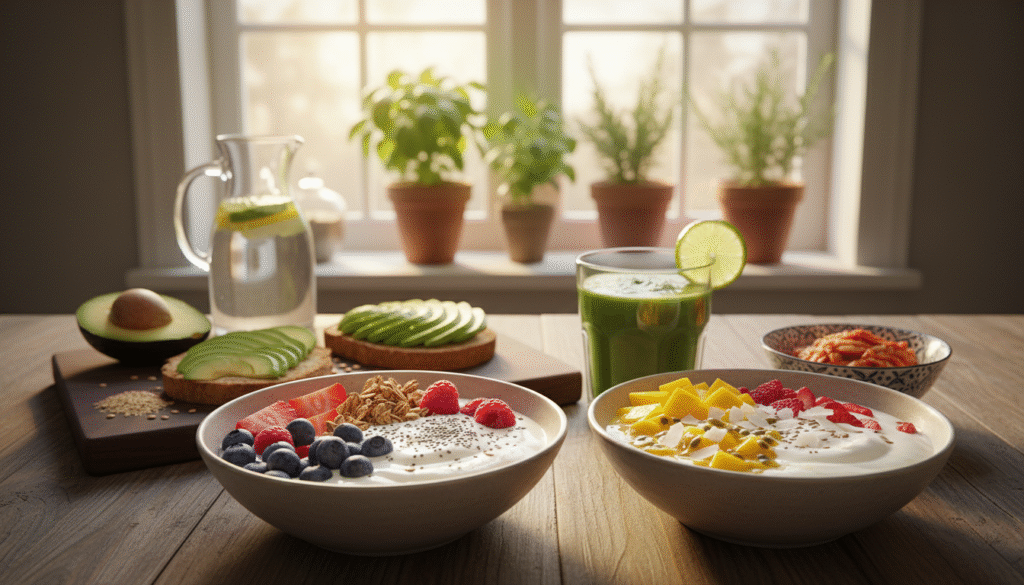
This is my favorite way to start the day. I’ve perfected this recipe over time. It never gets old:
- 1 cup plain kefir (provides billions of beneficial bacteria)
- ½ cup frozen berries (blueberries, strawberries, or mixed—packed with prebiotic polyphenols)
- 1 tablespoon ground flaxseed (omega-3 fatty acids and fiber)
- ½ banana (prebiotic resistant starch plus natural sweetness)
- Handful of spinach (I promise you won’t taste it, but you’ll get extra nutrients)
- 1 teaspoon raw honey (optional, for sweetness and additional prebiotic benefits)
I blend everything until smooth. This single glass gives me probiotics, prebiotics, fiber, protein, and antioxidants. It’s a delicious package that takes just three minutes to make.
Other morning options include Greek yogurt parfaits and whole-grain toast with avocado and sauerkraut. The avocado and sauerkraut might sound strange, but they work well together!
Lunch and Dinner Integration
My main meals focus on gut-friendly foods as supporting players. This approach is sustainable and never boring. I use a simple formula to ensure I get the nutrients I need without overthinking meals.
My dinner formula is: lean protein + prebiotic vegetables + fermented food side + whole grain = gut-happy meal. For example, grilled chicken with broccoli, kimchi, and quinoa. It’s simple, delicious, and great for your gut.
Fermented Vegetable Sides
I add 2-3 tablespoons of fermented vegetables to most meals. This small amount is more effective than eating large portions occasionally. It helps keep my gut flora balance.
Here’s how I add them to my meals:
- Sauerkraut: On sandwiches, beside grilled proteins, mixed into grain bowls
- Kimchi: In fried rice, alongside eggs, stirred into soup at the end of cooking
- Fermented pickles: With burgers, chopped into tuna or chicken salad, as a crunchy side
Treat them as condiments, not main dishes. This makes adding them easy without extra planning or prep.
Prebiotic Fiber Sources in Main Dishes
I’ve found ways to sneak prebiotic fiber into meals without thinking about it. These habits have become automatic, giving me benefits without extra effort.
I start most meals with a garlic and onion sauté. This base adds prebiotics and flavor to pasta sauce, stir-fries, and soups. It’s a win-win that costs nothing extra.
I also bulk up meals with leafy greens and cruciferous vegetables. Spinach disappears into pasta sauce, while roasted broccoli or Brussels sprouts become crispy sides. Cauliflower rice is a base for curry or stir-fry.
Beans and lentils are staples in soups, salads, and grain bowls. They add prebiotic fiber and plant-based protein. A simple white bean and kale soup or lentil-based taco filling is a gut-friendly choice.
Smart Snacking for Gut Flora Balance
Snacks are a great chance to support your digestive system. I keep gut-friendly options on hand to avoid unhealthy choices when I’m hungry.
My favorite snacks include:
- Greek yogurt with fresh berries: Quick, satisfying, and delivers probiotics plus antioxidants
- Hummus with raw vegetables: Chickpeas provide prebiotic fiber while veggies add crunch and nutrients
- Small handful of almonds: Healthy fats and fiber that keep me satisfied
- Mini kefir smoothie: Half the recipe from breakfast when I want something refreshing
- Apple slices with almond butter: The apple provides prebiotic pectin fiber
- Kombucha: When I want something fizzy and flavorful without artificial ingredients
I prepare snack containers at the start of each week with cut veggies and nuts in small bags. This makes quick decisions easier when I’m hungry.
Meal Prep Tips for Digestive Health Nutrition
Effective meal planning makes maintaining digestive health easy. I spend about two hours every Sunday on prep work. This saves me time and decisions during the week.
Here’s my weekly meal prep routine for gut health:
| Prep Task | Time Required | Benefit |
|---|---|---|
| Make large batch of sauerkraut or fermented vegetables | 30 minutes | Lasts 3-4 weeks in refrigerator, always available |
| Batch-cook prebiotic vegetables (roasted broccoli, cauliflower, Brussels sprouts) | 40 minutes | Ready-to-eat sides for quick meal assembly |
| Cook whole grains and legumes (quinoa, brown rice, lentils) | 45 minutes | Base for multiple meals throughout week |
| Prepare smoothie packs (pre-portioned fruits and greens in freezer bags) | 15 minutes | Grab-and-blend mornings save time and decisions |
I always have kefir, Greek yogurt, and kimchi in my fridge. These staples let me add probiotics to any meal without extra shopping. Consistency becomes automatic when the foods are ready to use.
Remember to eat a variety of plants. I aim for 30 different plants a week for a diverse microbiome. This includes herbs, spices, nuts, seeds, fruits, vegetables, and legumes. It’s easier than you think to hit 30.
Eating mindfully is also key. I eat without screens, chew well, and listen to my body. This simple habit improves digestion, no matter what I’m eating.
Keeping a routine helps your gut microbiome. I eat at the same times, get 7-8 hours of sleep, and drink water all day. These habits help beneficial bacteria thrive.
Continue Your Wellness Journey with HealthyVibesLife.com
If these gut healthy foods help, check out www.healthyvibeslife.com for more wellness tips. We cover fitness, stress management, and more to improve your overall health.
Optimal health is more than just gut health. Our site offers resources on nutrition, exercise, mental wellness, and lifestyle optimization. These work together for your wellbeing.
Subscribe to Our Newsletter for Exclusive Benefits
Subscribe to our newsletter for exclusive health and wellness tips. You’ll get travel deals, fitness product reviews, and more. Everything supports your journey to optimal wellbeing.
It’s free and delivers valuable insights weekly. You’ll be the first to know about new research and strategies. Join our community of wellness enthusiasts living their best lives.
Improving your gut flora balance through meal planning is simple. Start with one or two changes this week. Then, add more as they become habits. Your gut and immune system will thank you!
🔬 The Science Behind Gut Healthy Foods and Immunity
Scientific studies show how gut healthy foods boost our immune system. When I dug into the science, I found clear reasons for the benefits I felt. The science behind gut health is real and backed by solid research.
This knowledge made me trust my food choices more. I wasn’t just following trends. I was making choices based on science that targeted my body’s needs.
Short-Chain Fatty Acids Production
Fiber in foods like onions and whole grains changed my view on eating. These fibers go through my stomach and small intestine untouched. They reach my colon, where gut bacteria break them down.
This breakdown creates three main short-chain fatty acids: butyrate, acetate, and propionate. Each one plays a key role in keeping me healthy and strong.
Butyrate is the main fuel for my colon cells. It keeps my gut lining strong and prevents leaks. This stops harmful stuff from getting into my blood.
Acetate helps control my hunger and fat storage. It also fights inflammation all over my body. Propionate supports my liver and may protect against diseases.
At first, I felt some gas from this process. But it’s a sign of good bacteria working. The benefits of SCFAs far outweigh any discomfort.
Immune Cell Training in Your Gut
The way my gut trains my immune cells amazed me. My gut has lots of lymphoid tissue where immune cells meet bacteria and food. This training grounds my immune system.
Good bacteria teach my immune cells how to react to threats. They learn to tell the difference between harmless stuff and real dangers.
This training prevents my immune system from overreacting or underreacting. Overreaction leads to allergies and autoimmunity, while underreaction lets infections spread. Gut healthy foods help my immune system respond just right.
Knowing this process made me see why probiotic foods are important. I’m not just eating yogurt for a quick fix. I’m training my immune system every day with my diet.
The Anti-Inflammatory Diet Connection
Learning about chronic inflammation changed how I eat. This low-grade inflammation is at the heart of many diseases. Heart disease, diabetes, and Alzheimer’s all have this inflammation in common.
Gut imbalance leads to inflammation through many ways. A damaged gut lining lets bacteria into my blood. Harmful bacteria make inflammatory compounds. Poor immune regulation causes widespread inflammation.
The diet I follow, like the Mediterranean diet, fights inflammation. These foods support good bacteria and reduce oxidative stress. I also eat omega-3s and avoid bad foods to keep inflammation down.
This knowledge made me see my diet in a new light. I’m not just eating healthy. I’m actively reducing inflammation with every meal.
Research-Backed Benefits I Trust
Research convinced me that gut healthy foods are real game-changers. Studies show fermented foods improve my microbiome more than supplements. This made me choose whole foods over pills.
High-fiber diets lower inflammation and disease risk. The evidence is clear and measurable. Mediterranean diets, rich in these foods, also reduce heart disease and cognitive decline.
The gut-brain axis research shows how my microbiome affects my mood and anxiety. It’s a measurable connection.
I follow scientists like Dr. Emeran Mayer and the American Gut Project. Their work backs my dietary choices. Understanding the science keeps me motivated during tough times.
The research supporting these foods keeps me on track. Gut bacteria can change quickly with diet. But, lasting benefits and immune improvements need consistent changes over time.
| Scientific Mechanism | How It Works | Immune Benefits |
|---|---|---|
| Short-Chain Fatty Acid Production | Gut bacteria ferment fiber into butyrate, acetate, and propionate | Strengthens gut barrier, reduces systemic inflammation, fuels immune cell function |
| Immune Cell Education | Beneficial bacteria train T cells and B cells in gut lymphoid tissue | Prevents autoimmunity and allergies, improves pathogen recognition and response |
| Antioxidant Production | Bacteria process sulfur compounds from cruciferous vegetables into glutathione | Neutralizes free radicals, protects immune cells from oxidative damage |
| Polyphenol Metabolism | Gut bacteria convert plant polyphenols into bioactive compounds | Reduces cancer risk, improves cardiovascular health, supports healthy aging |
This scientific understanding boosts my confidence in my food choices. I’m not following fads or hoping for miracles. I’m using science to improve my gut, immune system, and overall health. The anti-inflammatory diet is a powerful tool for long-term wellness.
🎯 Your Path Forward: Making Gut Healthy Foods a Lifestyle
I know this info might feel too much right now. Starting with gut healthy foods doesn’t need to be perfect or sudden.
My journey took six months. Each small step built on the last. I began with Greek yogurt for breakfast, then sauerkraut for lunch. These small steps led to lasting gut health.
Choose one change today. If you don’t eat fermented foods, start with one. If you’re low on fiber, add garlic or more veggies. Small steps are better than big ones.
Watch how you feel as you add these foods. Notice your energy, digestion, and mood. These signs will keep you going. Some initial discomfort is normal as your gut adjusts. This usually goes away in two to three weeks.
Remember, good digestion is linked to your lifestyle. Get enough sleep, stay active, and manage stress. Drink lots of water and eat mindfully, without screens.
Your gut is strong and can change for the better. You can start improving today, no matter your health history. The foods I mentioned offer a clear path. Start small, stay consistent, and listen to your body.
Your immune system, energy, and health will get better. I’m cheering you on every step of the way.