
What if I told you that your kitchen might be more powerful than your pharmacy?
I found out how simple food changes can greatly improve health. This idea is backed by science and big medical groups like the American Medical Association and the American Heart Association.
Did you know? The American Heart Association says 90% of the $4.3 trillion annual healthcare cost in the US is for chronic diseases. Many of these are caused by what we eat and can be stopped.
I’m going to share 7 easy meals that help prevent diseases. These aren’t hard to make and don’t need rare ingredients. They’re tasty and simple to cook.
My research, like the Mediterranean diet at Alice Peck Day Memorial Hospital, shows nutritional healing is doable. Your fork is a key tool for staying healthy.
Key Takeaways
- Major medical organizations now officially endorse using diet to prevent and manage chronic diseases
- 90% of US healthcare spending treats chronic conditions, many preventable through better eating habits
- Seven simple everyday meals can serve as powerful tools for disease prevention
- You don’t need exotic ingredients or complex recipes to practice preventative eating
- Your kitchen can function as your first line of defense against chronic illness
- Evidence-based programs like the Mediterranean diet show measurable health improvements
🌱 Why I Trust Food as Medicine for Preventing Chronic Disease
My journey with food as medicine started in my kitchen. I learned the power of therapeutic nutrition. I used to think healthy eating meant boring salads and giving up tasty foods. But I found out that some foods can heal and prevent disease.
When I felt tired, foggy, and inflamed, I changed my food habits. Instead of supplements, I focused on food. This changed my health approach forever.
The Science of Nutritional Healing
The science behind food as medicine is real. Studies show that healthy diets can prevent many diseases. They also improve brain function and gut health.
In 2023, the U.S. Department of Health and Human Services started a Food Is Medicine initiative. They aim to reduce chronic diseases and food insecurity in America.
“Achieving and maintaining heart-healthy dietary behaviors across the life course is a critical component of promoting cardiovascular health and preventing metabolic syndrome.”
This approach is not just alternative medicine. It’s evidence-based healthcare that lets you control your health through food choices. The research shows that diet can prevent chronic diseases, and I’ve seen it work for me.
How Functional Foods Changed My Health
Functional foods are foods that offer health benefits. They include foods like wild-caught salmon and turmeric. These foods are not just for health; they’re delicious.
Adding these foods to my meals made a big difference. I had more energy, clearer thinking, and less joint pain. I felt better than I had in years.
The best part about functional foods is that they’re common. You can find them in your local grocery store. I learned which ones to use and how to make tasty meals with them.
Here’s what I gained from using functional foods:
- Sustained energy without afternoon crashes or caffeine dependence
- Reduced inflammation that had been affecting my joints and digestion
- Better mental clarity and improved focus throughout my workday
- Stable mood and reduced anxiety levels
- Improved digestion and overall gut comfort
It took three months of eating well to feel like a new person. My health checkup showed better cholesterol and blood pressure levels. My doctor was impressed.
What You’ll Discover in These 7 Healing Meals
The seven meals I’ll share are my favorites for chronic disease prevention. They’re delicious and target specific health issues. Each meal is a combination of ingredients that work together to support your health.
I’m not sharing restrictive diet meals. These dishes are tasty and satisfying. My family and friends love them, and they always ask for the recipes.
You’ll learn why each ingredient is chosen for its health benefits. I’ll explain how different foods work together to support your body’s healing. This knowledge lets you make informed choices about your health.
You’ll be able to:
- Customize these meals based on your preferences and dietary needs
- Apply the same principles to create your own healing meal combinations
- Shop strategically for ingredients that offer maximum nutritional value
- Understand how different foods prevent specific chronic conditions
Each meal comes with cooking tips I’ve learned. You’ll find shortcuts, substitutions, and preparation methods that save time. These meals are easy to make, whether you’re a seasoned cook or just starting out.
Ready to improve your health with delicious meals? Let’s start with my favorite anti-inflammatory bowl that’s a weekly favorite in my home.
🥗 Meal 1: Mediterranean Quinoa Bowl with Wild-Caught Salmon
I remember the day I created this bowl. It was a mix of ancient Mediterranean wisdom and modern nutrition. It’s my best tool against chronic disease and tastes amazing.
The ingredients work together to protect my body. It’s a colorful meal that fights inflammation.
My Favorite Anti-Inflammatory Powerhouse
This bowl became my favorite after learning about food as medicine. Alice Peck Day Memorial Hospital uses the Mediterranean diet for patients. If hospitals trust it, I knew it was good for me.
The anti-inflammatory diet in this bowl fights chronic diseases. It reduces inflammation, which damages our bodies over time. Eating this meal regularly helps me fight inflammation.
Wild-caught salmon has omega-3 fatty acids that calm inflammation. Quinoa provides protein and fiber that stabilize blood sugar. The vegetables add antioxidants that protect my cells.
Chronic Diseases This Bowl Helps Prevent
I made this bowl to target common chronic conditions. The science behind it gives me confidence in my health. Here’s how it helps prevent diseases.
Heart Disease and Diabetes Protection
The omega-3 fatty acids in salmon lower triglycerides and blood pressure. These fats also make blood vessels more flexible. I have more energy now.
Quinoa’s complex carbs prevent blood sugar spikes. Unlike refined grains, quinoa releases energy slowly. This helps keep my blood sugar levels healthy, preventing type 2 diabetes.
The fiber in this bowl supports healthy cholesterol levels. It’s like a tune-up for my heart. Studies show heart-healthy diets are rich in fruits, vegetables, whole grains, and fish.
Brain Health and Cognitive Function
The omega-3 fatty acids in salmon also nourish my brain. They’re essential for brain cell membranes and neuron communication. They’re like premium fuel for my brain.
Antioxidants from vegetables like cherry tomatoes protect my brain cells. This is important as we age. Research shows the Mediterranean diet may prevent cognitive decline and dementia.
This bowl keeps my mental clarity sharp. I’ve noticed fewer energy crashes in the afternoon. It’s a weekly staple for me.
Building Your Therapeutic Nutrition Bowl
I’ve made this anti-inflammatory diet meal prep-friendly. I batch-cook on Sundays and assemble bowls quickly during the week. This turns healing foods into daily practice.
I start by cooking quinoa in vegetable broth. While it simmers, I season salmon with lemon, garlic, and herbs. I bake it at 400°F for 12-15 minutes. The salmon should flake easily with a fork.
For the vegetables, I keep it simple and colorful:
- Cherry tomatoes halved for bursts of lycopene and sweetness
- Cucumber diced for refreshing crunch and hydration
- Red onion thinly sliced for flavor and quercetin
- Kalamata olives for healthy fats and Mediterranean authenticity
- Fresh spinach or arugula as a nutrient-dense base
I finish each bowl with extra virgin olive oil and lemon juice. This adds healthy fats and helps my body absorb vitamins. A sprinkle of fresh herbs like parsley or dill adds the final touch.
This healing foods approach is flexible. I prep all components on Sunday and store them in the fridge. Assembling fresh bowls takes under five minutes. This makes it easy to follow a Mediterranean diet even when I’m busy.
I store cooked quinoa for up to five days and salmon for three to four days. The vegetables stay crisp in airtight containers. This simple prep strategy makes healthy eating achievable.
🍲 Meal 2: Golden Turmeric Lentil Soup with Kale
When my joints ache or inflammation flares up, I turn to this comforting bowl of liquid medicine. This Golden Turmeric Lentil Soup has become one of my most trusted natural remedies for managing inflammation and supporting overall wellness. The beautiful golden color comes from turmeric, a powerful spice that has been used in traditional medicine for thousands of years.
I love making this soup because it combines simple ingredients that are probably already in your kitchen with profound healing properties. Each spoonful delivers a concentrated dose of nutrients and anti-inflammatory compounds that work together to support your body’s natural healing processes. This is food as medicine at its most delicious and accessible.
The Medicinal Herbs That Make This Soup Powerful
The star of this soup is turmeric, which contains curcumin, one of the most researched anti-inflammatory compounds in nutritional science. I consider this soup liquid medicine because of how effectively these medicinal herbs work together. What amazes me most is that these aren’t exotic ingredients—they’re common spices that transform into therapeutic powerhouses when combined properly.
Turmeric alone offers impressive turmeric benefits, but I’ve learned that pairing it with black pepper increases curcumin absorption by up to 2000%. This is why I never make this soup without adding freshly ground black pepper. The piperine in black pepper unlocks the healing power that would pass through your system unused.
Beyond turmeric, I add several other medicinal herbs that enhance the soup’s healing properties. Fresh ginger provides its own anti-inflammatory effects while adding a warming quality that soothes the digestive system. Garlic supports immune function and cardiovascular health. Cumin adds earthy flavor while aiding digestion and providing antioxidants.
The combination of these spices creates a synergistic effect where the whole becomes greater than the sum of its parts. This is the essence of culinary medicine—using everyday ingredients strategically to maximize health benefits.
Natural Remedies for Inflammation and Joint Health
Chronic inflammation underlies most chronic diseases, from heart disease to diabetes to arthritis. I’ve personally noticed significant improvements in joint comfort when I eat this soup regularly. Many people who try this recipe report similar experiences—reduced joint discomfort and a general feeling of decreased inflammation in their bodies.
The anti-inflammatory compounds in this soup work through multiple pathways. Turmeric inhibits inflammatory molecules called cytokines. The fiber and protein from red lentils help stabilize blood sugar, preventing inflammatory spikes. Dark leafy greens like kale provide vitamins and minerals that support the body’s natural anti-inflammatory systems.
I think of this soup as one of my go-to natural remedies for those days when my body feels inflamed or my joints feel stiff. The warmth of the soup itself brings comfort, while the nutrients get to work reducing inflammation at the cellular level. This is preventative eating in action—addressing the root cause before it develops into chronic disease.
Research shows that the combination of plant-based protein, fiber, and anti-inflammatory spices can significantly impact markers of inflammation in the body. I’ve experienced this firsthand, and it’s one of the reasons I make this soup at least twice a month.
My Simple Recipe for This Healing Food
Creating this therapeutic soup is easier than you might think. I’ve refined my recipe over the years to maximize both flavor and nutritional value. The key is understanding which ingredients provide specific benefits and how to prepare them to preserve their healing properties.
Key Ingredients and Their Benefits
Every ingredient in this soup serves a purpose beyond taste. Here’s what I include and why each component matters for your health:
| Ingredient | Primary Benefits | Nutritional Highlights |
|---|---|---|
| Red Lentils | Protein, fiber, blood sugar stabilization | 18g protein per cup, rich in folate and iron |
| Turmeric (fresh or powder) | Anti-inflammatory, antioxidant protection | Contains curcumin, reduces inflammatory markers |
| Kale | Vitamins K and C, detoxification support | High in antioxidants, supports bone health |
| Ginger and Garlic | Immune support, digestion aid | Antimicrobial properties, cardiovascular benefits |
| Black Pepper | Enhances nutrient absorption | Increases curcumin bioavailability by 2000% |
I also add vegetable broth as the base, which provides additional minerals and creates the perfect foundation for the flavors to develop. A tablespoon of olive oil or coconut oil helps your body absorb the fat-soluble compounds in turmeric.
Preparation Tips for Maximum Nutrient Retention
How you prepare this soup matters just as much as what you put in it. I’ve learned several techniques that preserve the medicinal properties of each ingredient:
- Temperature control for turmeric: I add turmeric after the initial high-heat cooking phase. Excessive heat can degrade curcumin, so I stir it in when the soup is simmering gently.
- Timing for leafy greens: I add kale during the last 5-7 minutes of cooking. This preserves heat-sensitive vitamins while softening the greens enough to be easily digestible.
- Fat for absorption: I always include a healthy fat source like olive oil or a drizzle of tahini at the end. This maximizes the absorption of fat-soluble nutrients and anti-inflammatory compounds.
- Black pepper pairing: I grind fresh black pepper directly into the soup just before serving. Fresh pepper retains more piperine, the compound that dramatically enhances curcumin absorption.
- Gentle simmering: I cook lentils at a gentle simmer instead of a rolling boil. This prevents nutrient loss and creates a creamier texture without adding dairy.
These preparation techniques ensure you’re getting maximum healing food benefits from your efforts. The difference between cooking methods can mean the difference between absorbing 20% or 80% of the beneficial compounds.
I typically make a large batch of this soup and store portions in the refrigerator for up to five days. The flavors actually improve as the medicinal herbs continue to infuse the broth. Some people even freeze portions for convenient access to this healing meal whenever inflammation strikes.
This soup represents everything I love about food as medicine—it’s affordable, delicious, backed by science, and genuinely effective at supporting health. The combination of protein-rich lentils, anti-inflammatory spices, and nutrient-dense vegetables creates a complete meal that nourishes your body while actively working to prevent chronic disease.
🥘 Meal 3: Grass-Fed Beef Stir-Fry with Broccoli and Bell Peppers
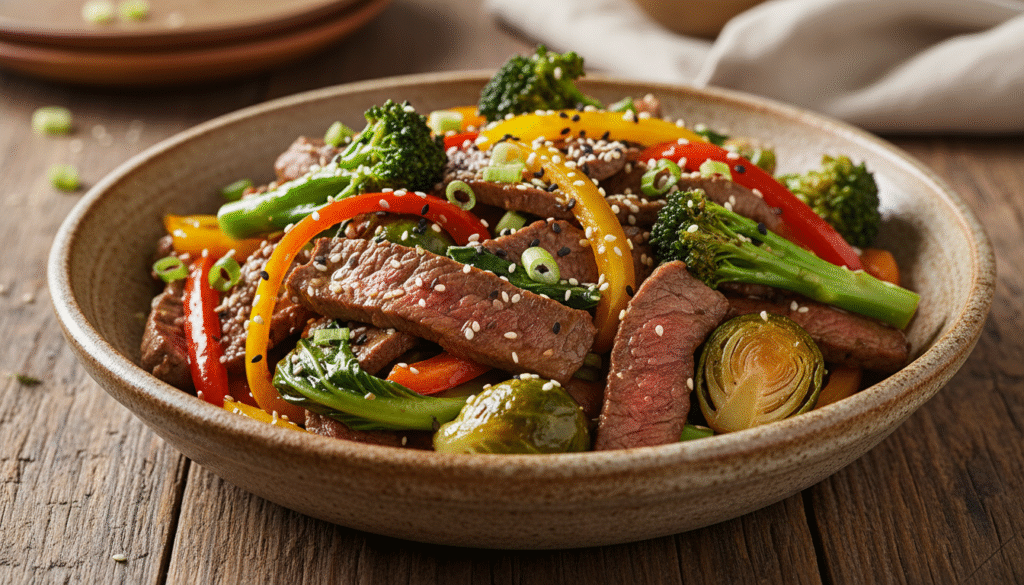
This vibrant stir-fry is a satisfying dinner that supports my health goals. It changed how I think about meat in a healthy diet. Choosing quality and combining ingredients strategically is key.
The mix of tender beef, crisp broccoli, and sweet bell peppers is incredible. It tastes amazing and helps prevent chronic disease. I make this stir-fry at least twice a week because it’s quick and nutritious.
Why I Choose Quality Protein for Preventative Eating
Not all beef is the same, and this realization changed my protein choices. I choose grass-fed beef for its quality protein matters significantly for health.
Grass-fed beef has more omega-3 fatty acids than regular beef. It also has conjugated linoleic acid (CLA), which may help with body composition. These benefits make grass-fed beef a better choice for me.
The American Heart Association suggests lean cuts and lots of vegetables. This stir-fry does just that. I use 4-ounce quality protein and two full cups of vegetables.
Preventative eating isn’t about cutting out food groups. It’s about making smart choices. When I eat beef, I pick the highest quality and balance it with veggies.
Cruciferous Vegetables as Functional Foods
Broccoli is the star of this stir-fry for a reason. Cruciferous vegetables are functional foods that do more than just provide basic nutrition. They help your body fight chronic disease.
I eat broccoli almost every day because of its health benefits. The compounds in these veggies protect your health in many ways.
Cancer Prevention Properties
Broccoli and other cruciferous veggies contain sulforaphane. Research shows it may prevent certain cancers. It helps your body detoxify.
Sulforaphane protects cells from damage and stops abnormal cell growth. Eating broccoli regularly can protect your cells.
For the best cancer prevention, eat these veggies often. That’s why I include them in my meals several times a week.
Hormone Balance Support
These veggies also support healthy hormone metabolism. This is important for both men and women as they age.
They help your body process estrogen better. This supports your liver’s detoxification pathways, which is key for hormone balance. I’ve noticed better energy and well-being after eating more of these veggies.
Broccoli’s benefits for cancer prevention and hormone support make it a top choice for me.
How I Make This Culinary Medicine Stir-Fry
This recipe shows that healthy food can be quick and delicious. I’ve perfected it to keep flavors and nutrients high.
Here’s my step-by-step process:
- Slice 1 pound of grass-fed beef sirloin thinly against the grain for tenderness
- Prepare a simple sauce with 3 tablespoons low-sodium tamari, 2 cloves minced garlic, 1 tablespoon fresh grated ginger, and 1 teaspoon sesame oil
- Heat 2 tablespoons avocado oil in a large wok or skillet over high heat
- Sear the beef for 2-3 minutes until just cooked, then remove and set aside
- Add 3 cups broccoli florets and 2 sliced bell peppers (I use red and yellow for color)
- Stir-fry vegetables for 3-4 minutes until crisp-tender
- Return beef to the pan, add sauce, and toss everything together for 1 minute
Keeping vegetables crisp-tender preserves nutrients. This also keeps the meal tasty. I cook over high heat for a short time.
Bell peppers add vitamin C and antioxidants. These help your body absorb iron from the beef better. This synergy makes the meal a powerful example of food as medicine.
| Ingredient | Key Nutrients | Health Benefits | Amount Per Serving |
|---|---|---|---|
| Grass-Fed Beef | Omega-3s, CLA, Iron, B12 | Heart health, energy production, muscle maintenance | 4 ounces |
| Broccoli | Sulforaphane, Vitamin C, Fiber | Cancer prevention, immune support, detoxification | 1.5 cups |
| Bell Peppers | Vitamin C, Carotenoids, Antioxidants | Immune function, vision health, inflammation reduction | 0.5 cup |
| Garlic & Ginger | Allicin, Gingerol, Anti-inflammatory compounds | Cardiovascular support, digestive health, immune boost | 1 tablespoon combined |
I serve this stir-fry over cauliflower rice for a lower-carb option or with brown rice for more fiber. Either way, it’s a nutritious meal that fights chronic disease.
This meal takes less than 15 minutes to make, even with prep work. It’s perfect for busy nights when I want to eat well. The mix of quality protein and cruciferous vegetables makes it satisfying and healthy.
🍛 Meal 4: Chickpea Curry with Ginger, Garlic, and Brown Rice
Some of the most powerful meals to prevent disease come from ancient traditions. This chickpea curry is a great example of food as medicine across cultures. It combines preventative eating with amazing taste, showing healthy meals can be delicious.
Preparing this curry reminds me that simple foods are often the best for healing. It mixes plant-based protein, whole grains, and spices for a meal that’s both comforting and healthy. It’s my top choice for a nourishing dinner everyone loves.
Ancient Medicinal Herbs in Modern Meals
Traditional Indian cooking inspires me with its use of medicinal herbs. These aren’t special supplements but everyday spices like ginger, garlic, turmeric, and cumin. They’ve been healing bodies for thousands of years.
These spices work together in curry, backed by research. They reduce inflammation, boost the immune system, and protect cells. I’ve seen these benefits firsthand by making curries like this a regular part of my diet.
Modern science supports ancient wisdom on using medicinal herbs. These ingredients are not just old tales but proven by science. Cooking with them means I’m following both cultural wisdom and current health advice.
Ginger for Digestive Health
Fresh ginger is essential in my curry recipes. It’s great for digestive comfort, helping after heavy meals. Gingerols in ginger reduce nausea and support digestion.
Ginger adds warmth and anti-inflammatory benefits to meals. I prefer fresh ginger for its higher beneficial compounds. Grating or mincing it releases more oils and benefits.
How I prepare ginger is key. Grating or mincing it releases more oils and benefits. This simple step boosts flavor and health.
Garlic for Immune Support
Garlic is packed with health benefits. It’s good for the heart by keeping cholesterol and blood pressure healthy. It also boosts the immune system, making it perfect for cold and flu season.
I use plenty of fresh garlic in this dish. Research shows crushing or chopping garlic and letting it sit for ten minutes preserves allicin. This is key for garlic’s health benefits.
Garlic and ginger together are a powerful duo. They support the body while making the curry delicious.
Blood Sugar Control Through This Food as Medicine Approach
This meal is great for preventing or managing type 2 diabetes. Chickpeas and brown rice balance the meal, avoiding blood sugar spikes. Heart-healthy diets like this are recommended for diabetes prevention and treatment.
Chickpeas are a nutritional powerhouse for blood sugar control. They’re high in fiber and protein, with a low glycemic impact. This means they digest slowly, avoiding rapid blood sugar spikes.
Brown rice complements chickpeas well. It’s a whole grain with more fiber than white rice. This fiber slows digestion and regulates blood sugar. Together, they provide a complete protein and stable glucose levels.
The food as medicine principle is clear in this meal. Choosing ingredients for their health benefits prevents chronic disease with every bite. This approach is both preventative eating and enjoyable dining.
| Protein Source | Glycemic Index | Fiber per Cup | Blood Sugar Impact |
|---|---|---|---|
| Chickpeas | 28 (Low) | 12.5 grams | Minimal spike, sustained energy |
| White Rice | 73 (High) | 0.6 grams | Rapid spike, quick crash |
| Brown Rice | 68 (Medium) | 3.5 grams | Moderate rise, stable levels |
| Lentils | 32 (Low) | 15.6 grams | Very minimal spike, prolonged satiety |
My Favorite Curry Recipe for Beginners
I’ve made this recipe simple for beginners. You don’t need many spices or complicated techniques. The key ingredients are chickpeas, coconut milk, ginger, garlic, curry powder, diced tomatoes, spinach, and brown rice.
To make this healing meal, start by cooking brown rice. While it cooks, sauté onions in olive oil. Add minced garlic and grated ginger when softened.
Then, add curry powder, chickpeas, and diced tomatoes. Stir well, then pour in coconut milk. Let it simmer for 15-20 minutes to meld flavors.
In the last minutes, add fresh spinach. It adds nutrients and color. Season with sea salt and lime juice for a burst of flavor.
This recipe is easy to adjust. You can change spice levels, add different veggies, or use canned chickpeas. The core is therapeutic ingredients for blood sugar control and wellness. I often double the recipe because leftovers are even better.
🐟 Meal 5: Herb-Crusted Wild Cod with Garlic Roasted Brussels Sprouts
This herb-crusted wild cod recipe is my favorite for delicious eating and cardiovascular health. Heart disease is the leading cause of death in America. This meal is a tasty way to support heart health with every bite.
I make this dish at least twice a week. It’s a great way to get therapeutic nutrition without feeling like you’re missing out. The flaky cod and crispy Brussels sprouts make a meal that’s good for your heart.
Omega-3 Fatty Acids as Natural Remedies
Wild-caught fish like cod are powerful natural remedies for a healthy heart. Cod has less omega-3s than fattier fish but is high in protein and low in saturated fat.
Omega-3 fatty acids are anti-inflammatory agents. They help keep blood pressure healthy and support heart function.
The American Heart Association recommends eating fish at least twice a week. This herb-crusted cod makes it easy and enjoyable. Our bodies can’t make omega-3s, so we need to eat them.
- Provides essential omega-3 fatty acids EPA and DHA
- Delivers 20+ grams of lean protein per serving
- Contains virtually zero saturated fat
- Offers selenium and B vitamins that support heart function
- Provides a mild flavor that works with numerous preparations
How This Meal Supports Cardiovascular Health
This meal isn’t a magic bullet for heart disease. It’s a pattern of eating that supports cardiovascular health over time.
Reducing Inflammation Naturally
Chronic inflammation damages blood vessels and contributes to heart disease. The omega-3 fatty acids in wild-caught fish and fresh herbs like parsley, thyme, and oregano work together to reduce inflammation.
I use a lot of fresh herbs in my crust because they add flavor and antioxidants. These plant compounds protect blood vessels from oxidative stress.
Brussels sprouts add anti-inflammatory benefits through their glucosinolate compounds. Roasting them with garlic enhances flavor and bioavailability of these substances.
Cholesterol Management
Replacing red meat with fish meals improved my cholesterol profile. My doctor was impressed with my lab results after I started eating this way.
The fiber in Brussels sprouts helps maintain healthy cholesterol levels. This meal provides about 6 grams of fiber, which is a big part of the daily recommended intake.
Research shows that heart-healthy diets with fish and seafood reduce cardiovascular disease risk. I’m not just following a trend—I’m using evidence-based natural remedies that science supports.
| Heart Health Component | How This Meal Delivers | Expected Benefit |
|---|---|---|
| Omega-3 Fatty Acids | Wild cod provides EPA and DHA | Reduces inflammation and supports healthy blood pressure |
| Lean Protein | 20+ grams from cod | Maintains muscle while avoiding saturated fat |
| Dietary Fiber | Brussels sprouts contain 6g per serving | Supports healthy cholesterol levels |
| Antioxidants | Fresh herbs and cruciferous vegetables | Protects blood vessels from oxidative damage |
My Cooking Method for Perfect Results
I’ve perfected a foolproof technique for flaky, moist cod. The secret is coating the fish with fresh herbs, quality olive oil, and whole wheat breadcrumbs before baking at exactly 400°F.
Here’s my step-by-step approach for this complete sheet pan meal:
- Preheat your oven to 400°F and line a large baking sheet with parchment paper
- Toss halved Brussels sprouts with minced garlic, olive oil, salt, and pepper
- Spread Brussels sprouts on one side of the sheet pan and roast for 10 minutes
- While Brussels sprouts roast, combine chopped fresh parsley, thyme, oregano, whole wheat breadcrumbs, and olive oil
- Pat cod fillets dry and season with salt and pepper
- Press the herb mixture onto the top of each fillet to create a crust
- After Brussels sprouts have roasted 10 minutes, add cod to the other side of the pan
- Roast together for 12-15 minutes until cod flakes easily and reaches 145°F internal temperature
- Serve immediately with lemon wedges for brightness
This method creates a complete meal from one sheet pan, making cardiovascular health convenient even on busy weeknights. The Brussels sprouts develop crispy edges while the cod stays perfectly moist under its protective herb crust.
I love that everything cooks together in about 25 minutes total. There’s minimal cleanup, maximum flavor, and genuine heart-protecting benefits in every serving.
🥙 Meal 6: Black Bean and Sweet Potato Buddha Bowl with Avocado
The Black Bean and Sweet Potato Buddha Bowl is a favorite of mine. It’s full of food as medicine goodness. This meal is not only vibrant and affordable but also super nourishing. It’s a staple in my weekly meals because it’s packed with nutrients and doesn’t break the bank.
I’ve learned that adding plant-based meals to my diet has changed my life. It’s reduced inflammation and made me feel better. This bowl is special because it shows you don’t need expensive ingredients to eat well.
Plant-Based Food as Medicine Benefits
I started eating more plant-based meals after learning about heart-healthy diets. These diets focus on plant proteins. The American Heart Association says this is good for your heart and overall health. This bowl offers these benefits without asking you to give up animal proteins.
The black beans and brown rice in this bowl give you all the protein you need. They provide the same quality as animal proteins but with extra fiber and anti-inflammatory benefits. This is something animal proteins can’t offer.
One great thing about plant-based nutrition is how affordable it is. With food insecurity affecting nearly 14% of US households in 2023, affordable healing foods are key. Black beans are much cheaper than animal proteins, making this approach accessible to more people. I can make this whole bowl for less than a fast-food meal.
This approach is inclusive, not restrictive. I’m not asking you to change your diet or give up foods you love. Just adding a few plant-based meals like this one each week can help prevent diseases while respecting your food preferences and budget.
Fiber’s Role in Chronic Disease Prevention
This Buddha Bowl is a fiber powerhouse. It has about 15-18 grams of fiber from black beans, sweet potatoes, veggies, and avocado. That’s more than half the daily recommended amount in just one meal. Most Americans don’t get enough fruits and veggies.
The fiber benefits in this meal are huge. It slows digestion, stabilizes blood sugar, feeds good gut bacteria, and removes toxins. These effects protect against diabetes, heart disease, some cancers, and inflammation.
Gut Health and Immunity
The different fibers in this bowl feed various beneficial gut bacteria. This supports your health in many ways. I’ve seen better digestion and fewer illnesses by focusing on fiber-rich meals like this.
About 70% of our immune system is in our gut. The fiber in this bowl feeds the bacteria that train our immune cells. This makes fiber-rich whole foods a natural way to boost immunity.
Fiber also supports our brain health. Gut bacteria make neurotransmitters like serotonin that affect mood and mental health. Eating fiber-rich plant-based meals improves my mood and mental clarity, along with physical health benefits.
Weight Management and Metabolic Health
The fiber and complex carbs in this bowl keep you full for hours. This helps prevent overeating and supports healthy weight management. Obesity is a big risk factor for many chronic diseases.
The fiber and resistant starch in sweet potatoes slow down blood sugar spikes. This prevents insulin resistance. I have stable energy all afternoon after eating this bowl for lunch, without the mid-afternoon crash I used to get.
The healthy fats from avocado slow digestion and improve nutrient absorption. Eating veggies with healthy fats boosts nutrient absorption. This combination supports metabolic health and prevents chronic diseases through multiple pathways.
How I Assemble This Nutritious Bowl
Making this healing bowl is easy. I cube sweet potatoes, toss them with olive oil, cumin, paprika, and sea salt, then roast at 425°F for 25 minutes. This brings out their natural sweetness and adds crispy edges.
While the sweet potatoes roast, I warm black beans with lime juice, garlic, and cumin. If using canned beans, I rinse them to reduce sodium. For dried beans, I reheat them with the seasonings. This adds flavor in just five minutes.
Assembling the bowl is where you can get creative with what’s in season or on hand:
- Base layer: Fresh spinach, kale, or mixed greens (about 2 cups)
- Warm components: Roasted sweet potatoes and seasoned black beans
- Fresh additions: Sliced avocado, cherry tomatoes, corn kernels, shredded purple cabbage
- Finishing touches: Chopped cilantro, pumpkin seeds, and a drizzle of cilantro-lime dressing
For the dressing, I blend cilantro, lime juice, olive oil, garlic, and salt until smooth. This bright, tangy dressing brings all the flavors together. The whole meal takes about 30 minutes to make, with minimal cleanup.
This bowl is sustainable because it’s flexible. I change up the veggies based on what’s available and affordable. This keeps the meal interesting while maintaining its nutritional benefits.
🍳 Meal 7: Vegetable Frittata with Fresh Basil and Spinach
The vegetable frittata is a perfect example of healing foods. It’s versatile, affordable, and packed with nutrients. This dish is great for any meal and uses up leftover veggies, making it a smart choice for preventative eating.
It’s also great for reducing food waste. Use up those soft bell peppers and half bunch of spinach. This way of cooking is good for the planet and keeps you healthy.
Why I Love This Nutrient-Dense Healing Food
This frittata is a go-to for quick, nutritious meals. It’s all about nutrient density. You get lots of good stuff without feeling weighed down.
It’s different from sugary breakfasts. Eating this keeps your energy up all morning. No more mid-morning crash.
It’s also super flexible. Try it with tomatoes and mushrooms or zucchini and bell peppers. My favorite is with spinach, onions, and basil. Each version is healthy and keeps things interesting.

“Nutrient-dense foods provide substantial vitamins, minerals, and beneficial compounds with relatively few calories, making them foundational to disease prevention strategies.”
The Therapeutic Nutrition Power of Eggs and Vegetables
Eggs have gotten a bad rap, but they’re actually good for you. They’re part of a heart-healthy diet when eaten right and with veggies.
Eggs and veggies together are even better. This combo is a great example of therapeutic nutrition in action.
Protein and Satiety
Eggs are full of complete, high-quality protein. They help keep your muscles strong and your immune system working well.
Adding veggies to eggs makes a meal that lasts. The protein slows down digestion, and the fiber keeps your blood sugar steady. This combo stops hunger and cravings.
Protein also helps you feel full. It tells your brain you’re done eating. This helps you stay at a healthy weight without counting calories.
Micronutrients for Disease Prevention
Eggs and veggies are full of important nutrients. These nutrients help prevent chronic diseases by keeping your cells healthy.
Eggs have B vitamins, choline, vitamin D, and selenium. Spinach has folate, vitamin K, iron, and antioxidants like lutein and zeaxanthin.
| Ingredient | Key Nutrients | Primary Health Benefits |
|---|---|---|
| Eggs (2 large) | Protein, choline, vitamin D, B12, selenium | Brain function, bone health, immune support |
| Spinach (2 cups) | Folate, vitamin K, iron, lutein | Heart health, eye health, blood formation |
| Bell Peppers (1 cup) | Vitamin C, vitamin A, fiber | Immune function, skin health, digestion |
| Onions (½ cup) | Quercetin, prebiotic fiber, sulfur compounds | Anti-inflammatory, gut health, heart protection |
These nutrients work together in amazing ways. Vitamin K in spinach helps your bones and blood clotting. Choline in eggs is good for your brain and liver.
While we talk a lot about macronutrients, these micronutrients are just as important. They help prevent chronic diseases. Eating them from whole foods is better than supplements.
Creating Your Perfect Preventative Eating Frittata
Making this frittata is easy and flexible. There’s no one “right” way to do it. It’s perfect for those who like guidelines, not strict rules.
Here’s how to make it, with some flexibility:
- Preheat your oven to 375°F and choose an oven-safe skillet (I use a 10-inch cast iron pan)
- Sauté your vegetables in a tablespoon of olive oil until softened—my favorites include spinach, tomatoes, bell peppers, onions, and mushrooms
- Whisk together eggs (I use 6-8 for a 10-inch pan) with a splash of milk, salt, pepper, and fresh herbs like basil or parsley
- Pour the egg mixture over the cooked vegetables in the skillet, stirring gently to distribute everything evenly
- Transfer to the oven and bake for 20-25 minutes until the center is set and the top is lightly golden
This preventative eating approach is all about flexibility. Try different veggies each time. Some favorites include:
- Mediterranean version with tomatoes, spinach, olives, and feta cheese
- Southwest style with bell peppers, onions, black beans, and cilantro
- Garden harvest with zucchini, mushrooms, and fresh basil
- Simple classic with just spinach, onions, and herbs
Each version is healthy and keeps your meals exciting. Make a frittata on Sunday and enjoy it all week. No morning prep needed.
This final meal shows that nutrient-dense healing foods don’t have to be hard or expensive. With eggs, veggies, and basic seasonings, you can make a dish that’s good for you and easy to make.
💡 How I Implement These Food as Medicine Principles Daily
After years of using food as medicine, I found success comes from simple systems, not being perfect. Knowing which functional foods are good for health is great. But, making daily habits that work needs practical strategies.
Healthcare is now recognizing this approach. Some doctors prescribe healthy foods through “Farmacy” programs. They write prescriptions for veggies instead of meds. Insurance might even cover meals for managing chronic diseases.
The WIC program shows food provision can work on a large scale. It helps 6 million Americans each year. It improves infant health, birth weight, diet quality, and childhood anemia. These programs show food as medicine principles can change health when done regularly.
Building Your Own Anti-Inflammatory Diet Plan
I don’t stick to a strict meal plan, and you don’t have to either. Instead, I keep a list of healing meals I love eating.
My flexible plan makes meal planning easy to keep up. I pick 10-15 favorite meals, like the seven I shared. I keep their ingredients ready and mix them up throughout the week. This keeps things interesting and keeps the anti-inflammatory diet benefits.
- Fish twice weekly for omega-3 fatty acids and brain health
- Plant-based meals several times to maximize fiber and phytonutrients
- Vegetables at every meal following anti-inflammatory principles
- Quality proteins like grass-fed beef, wild-caught fish, or legumes
- Whole grains and healthy fats to complete nutritional balance
Start with just one or two meals. Master them before adding more. It’s about making lasting changes, not being perfect right away.
I recommend this gradual approach:
- Choose 2-3 meals from this article that appeal to you
- Make them weekly until they become automatic
- Add 1-2 new healing meals each month
- Build to 10-15 go-to recipes over time
- Rotate them naturally based on what sounds good
This method changed my eating habits without feeling overwhelmed. The same meal planning strategy can work for you too.
Shopping Tips for Functional Foods
Buying functional foods doesn’t need to be expensive. You can find everything you need at regular supermarkets.
I shop the store perimeter for whole foods—produce, meat, fish, and dairy. The center aisles have mostly processed foods with too much sodium and sugar.
Here are my practical grocery strategies:
| Shopping Strategy | Why It Works | Money-Saving Tip |
|---|---|---|
| Choose frozen vegetables and fish | Just as nutritious as fresh, more convenient | Often 30-50% cheaper than fresh options |
| Buy dried beans and whole grains in bulk | Long shelf life, versatile ingredients | Cost per serving drops dramatically |
| Select seasonal produce | Maximum nutrition and flavor | Typically half the price of out-of-season items |
| Read ingredient labels carefully | Avoid hidden sugars and additives | Store brands often match quality at lower prices |
I suggest starting with one new functional food each shopping trip. This gradual addition prevents feeling overwhelmed while building your anti-inflammatory diet pantry.
My essential shopping list includes these healing staples:
- Proteins: Wild-caught salmon, grass-fed beef, eggs, chickpeas, lentils
- Vegetables: Leafy greens, cruciferous vegetables, bell peppers, sweet potatoes
- Grains: Quinoa, brown rice, whole oats
- Healthy fats: Olive oil, avocados, nuts, seeds
- Healing spices: Turmeric, ginger, garlic, fresh herbs
These ingredients are key in many healing meals. Having them stocked means you can always make nutritious food without special trips.
Discover More Healing Foods on Healthy Vibes Life
I’m excited to share that www.healthyvibeslife.com offers more than these seven meals. The website has detailed guidance on wellness that goes with these food as medicine principles.
You’ll find valuable content including:
- Additional anti-inflammatory eating strategies and recipes
- Meal prep techniques that save time and reduce stress
- Specific nutrition approaches for various health conditions
- Fitness guidance that supports your nutritional goals
- Holistic health approaches for complete wellness
I recommend checking out the site’s articles on therapeutic nutrition for specific chronic diseases. These guides offer targeted eating strategies that work with the general principles we’ve discussed.
The meal planning resources will help you expand beyond these seven meals. You’ll find dozens of healing recipes that follow the same nutritional philosophy.
Join My Newsletter for Wellness Tips and Healthy Living Deals
I warmly invite you to join the Healthy Vibes Life newsletter community. It’s not about being perfect or preachy. It’s about making healthy living easy and fun.
Newsletter subscribers get valuable content regularly:
- Practical health and wellness tips you can use right away
- Wellness travel destinations and deals because health is more than food
- Latest fitness product recommendations for active lifestyles
- Exclusive content not on the website
- Seasonal meal ideas using functional foods
- Community support from wellness enthusiasts
Wellness is a journey, not a destination. Small, consistent steps lead to big changes over time.
The newsletter community focuses on lasting lifestyle changes, not quick fixes. We celebrate progress, share practical tips, and support each other through challenges.
Join us to continue your food as medicine journey with ongoing inspiration and guidance. You’ll learn that healthy eating is about making enjoyable, consistent choices that nourish your body.
Subscribe today to join this supportive wellness community. Together, we’re proving that eating for prevention can be delicious, sustainable, and life-changing.
🌟 Conclusion
These seven meals show my way to nutritional healing. Each dish uses whole foods that are delicious and good for your body. You don’t need fancy ingredients or hard recipes to use culinary medicine at home.
What we eat is key to preventing chronic diseases. Our meal choices shape our health story. This gives us power over our wellness journey.
The medical world is starting to see what traditional cultures have always known. The American Medical Association and American Heart Association now agree. Federal health efforts are focusing on this food as medicine lifestyle. Some healthcare systems even recommend it as part of treatment.
Start with a meal that you love. Maybe it’s the Mediterranean quinoa bowl or the golden turmeric soup. Every meal is a chance to nourish your body and prevent disease.
Your kitchen is your strongest pharmacy. The ingredients in your fridge might be the best medicine. By adding these healing meals to your routine, you’re taking action for lasting health.
Visit Healthy Vibes Life often for more wellness inspiration. Each meal is a step towards better health.