“The doctor of the future will no longer treat the human frame with drugs, but will cure and prevent disease with nutrition.” – Thomas Edison’s words hit me hard when my doctor warned me about my blood sugar levels three years ago.
I was eating nearly 22 teaspoons of added sugars every day. This was way more than the 6 teaspoons for women and 9 teaspoons for men that’s recommended. My energy would crash every afternoon, and I knew I had to make a change.
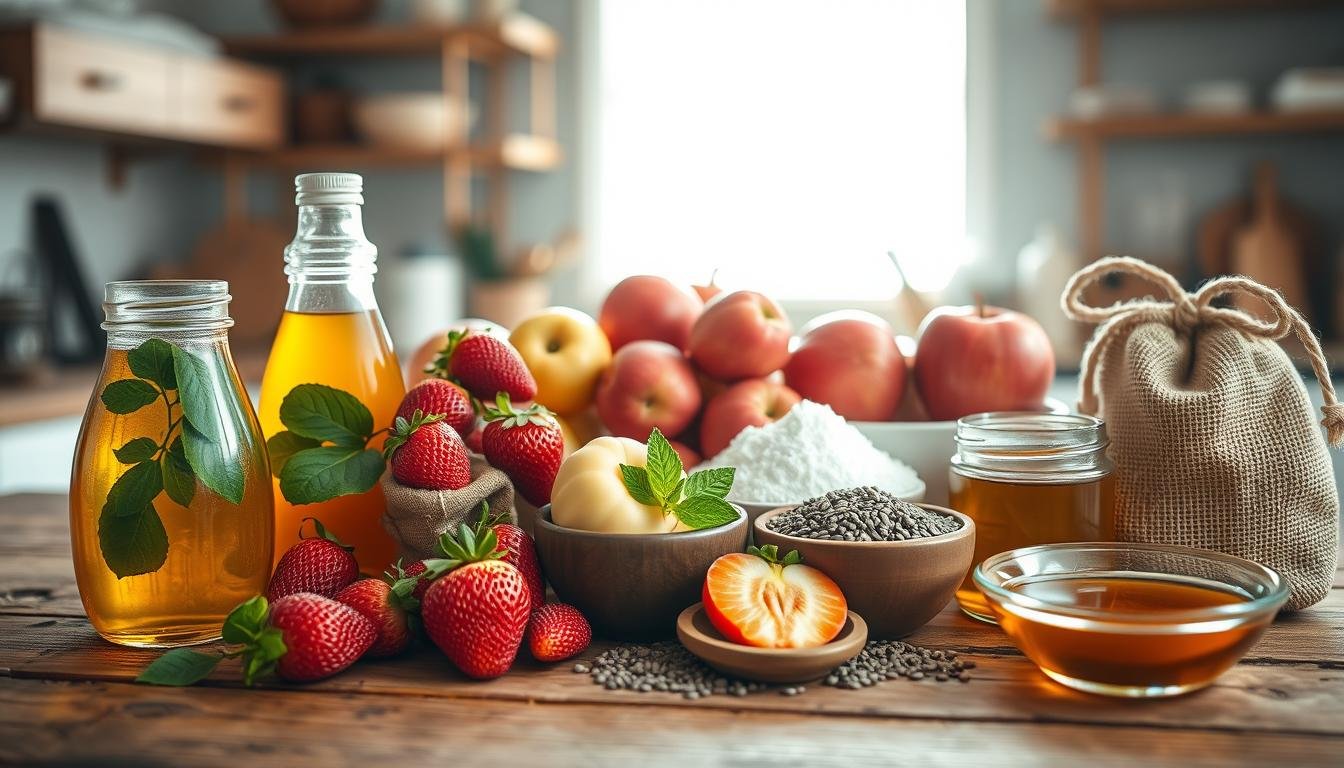
That’s when I started looking into natural sweeteners. I spent months researching, testing hundreds of recipes, and talking to nutritionists. I was on a mission to find sugar alternatives that taste like the real thing.
Recent research from Tufts University is exciting. They found rare sugars like tagatose that taste almost like regular sugar. I found seven amazing healthy sugar substitutes that changed my cooking, baking, and health. And I didn’t have to give up flavor.
In this article, I’ll share all I learned about these amazing sweeteners. Make sure to check out more wellness content at www.healthyvibeslife.com. And don’t forget to subscribe to our newsletter for exclusive health tips, travel deals, and fitness product updates.
Key Takeaways
- Americans consume 2-3 times more added sugars than recommended daily limits
- Natural sweeteners can provide sweetness without the negative health impacts of refined sugar
- Recent scientific research confirms certain rare sugars taste nearly identical to table sugar
- Testing multiple sugar alternatives helps you find options that work best for your lifestyle
- Reducing sugar intake can improve energy levels, weight management, and overall health
- Consulting with nutrition experts ensures you choose the healthiest sweetener options
🍯 Why I’m Sharing My Sugar Reduction Secrets With You Today
My journey with sugar reduction started on a Tuesday afternoon. I was feeling drained after lunch. My energy had crashed, and I couldn’t focus.
Then, I looked at what I was eating. The amount of added sugar shocked me. It was in my yogurt, snack bars, and even smoothies.
I want to be clear about something important right from the start. I’m not a doctor or nutritionist. I’m just someone who faced the same struggles you might be dealing with right now.
When I first tried to reduce sugar intake, I felt lost. Articles said sugar-free sweeteners were either dangerous or perfect.
The conflicting information was overwhelming. I didn’t know who to trust or where to start.
Chronic overconsumption of added sugars has been strongly linked to obesity, type 2 diabetes, cardiovascular disease, and tooth decay.
I decided to take matters into my own hands. I spent months researching and testing different healthy sweetener options. I read scientific studies, talked to people who had made the switch, and experimented constantly in my own kitchen.
Here’s what I learned: sugar itself isn’t the enemy. Our bodies need glucose for energy and brain function. The real problem is the refined, added sugars that show up in processed foods.
Through my research, I discovered some genuine Sugar Reduction Secrets that actually worked. I tested them on real recipes with real budgets. Some failed miserably in my coffee. Others transformed my baking completely.
The health changes I experienced surprised me most. Within a few weeks of finding the right alternatives, I noticed several improvements:
- My energy levels stayed steady throughout the day
- I slept better at night without the sugar crashes
- My skin cleared up noticeably
- I stopped craving sweets every afternoon
But I know that everyone’s body responds differently. What worked perfectly for me might not be your ideal solution. That’s exactly why I’m sharing multiple Sugar Reduction Secrets instead of claiming one magic answer.
My goal with this guide is simple. I want to give you practical options that work for real life. These are solutions that fit actual budgets and satisfy real taste preferences.
I’m not asking you to give up sweetness or live on bland food. I’m showing you how to enjoy delicious flavors while making healthier choices. These sugar-free sweeteners have genuinely changed my relationship with food.
If you’re feeling skeptical right now, I understand completely. I felt the same way when I started this journey. But I’m inviting you to keep an open mind as we explore these options together.
Ready to discover which natural alternatives might work best for you? Let’s dive into the first Sugar Reduction Secret that completely surprised me with how well it worked.
🌿 Stevia: The Zero-Calorie Sugar Reduction Secret That Surprised Me
Stevia surprised me in a big way. I expected to dislike it, but it became a reliable sugar substitute. Friends and online reviews warned about its metallic taste.
But when I tried it in my coffee, I was amazed. It tasted sweet and clean, just like sugar.
This experience changed how I view sugar reduction. I learned that not all zero-calorie sweeteners are the same. Quality is key.
What Makes Stevia Extract 200 Times Sweeter Than Sugar
Stevia’s science fascinated me. It comes from the Stevia rebaudiana plant in South America. The magic lies in steviol glycosides.
These compounds activate sweet taste receptors on your tongue, just like sugar. But they do it 200 to 400 times more effectively. So, you only need a little to get the same sweetness.
Stevia doesn’t raise blood sugar levels because your body doesn’t break down steviol glycosides. It’s perfect for those watching calories or managing diabetes.
Studies show stevia can lower blood sugar and cholesterol. But remember, results vary.
My Experience With SweetLeaf Stevia and Pyure Organic Brands
I’ve tried many products, but SweetLeaf Stevia and Pyure Organic stand out. They’re always in my pantry.
SweetLeaf’s liquid drops are great in cold drinks. I use vanilla flavor in my iced tea. A few drops replace a tablespoon of sugar.
I buy SweetLeaf for $8-10 at health food stores. It lasts nearly two months, making it a good deal.
Pyure Organic’s granulated stevia is perfect for baking. It measures like sugar and has a texture similar to sugar. It’s great in smoothies and yogurt.
I get Pyure at Target and Amazon for $6-7. The organic certification makes me feel good about what I’m using.
How to Avoid the Bitter Aftertaste in Your Coffee and Tea
My first stevia attempts were bad. But I kept trying and found ways to avoid the bitter taste.
The key is to use less stevia. Too much is bitter. I measure carefully, using 3-4 drops or 1/4 teaspoon for my coffee.
Combining stevia with erythritol improves flavor. Many brands blend them, which is why some taste better.
Adding a tiny bit of salt to your coffee or tea helps. It enhances sweetness without making drinks salty.
Temperature affects stevia’s taste. It’s better in hot drinks than lukewarm ones. If your coffee cools down, bitterness becomes more noticeable.
Baking Conversion Tips I Learned Through Trial and Error
Baking with stevia was tough at first. My cookies were flat and dry. But after five tries, I figured out the problem.
The main issue is that stevia doesn’t add bulk like sugar. Sugar does more than sweeten; it adds volume and texture. Without it, baked goods fall apart.
To fix this, I add unsweetened applesauce to my cookie dough. It adds moisture and texture. Applesauce also has few calories and improves the taste.
For cakes and muffins, I use a mix of stevia and other sweeteners. This gives the bulk I need while reducing sugar.
I use 1 teaspoon of stevia extract for every cup of sugar. It’s very concentrated. I write this ratio on a sticky note to remember.
When baking with stevia, reduce your oven temperature by 25 degrees. Stevia doesn’t caramelize like sugar, so it can burn easily. Lowering the temperature helps prevent over-browning.
🥥 Monk Fruit Sweetener: The Sugar Reduction Secret From Ancient China
I never expected a small fruit from Southeast Asia to become a key Sugar Reduction Secret. Monk fruit sweetener, made from luo han guo, has a rich history. It dates back centuries to Buddhist monks in southern China’s mountains.
These monks found the fruit’s incredible sweetness. They used it for medicine, not knowing it would help people worldwide cut sugar.
Monk fruit is incredibly sweet, 100-150 times sweeter than sugar. Yet, it has zero calories. The sweet compounds, mogrosides, are left after removing fructose and glucose.
My first try of monk fruit was during a tough week of trying low-calorie sweeteners. I was tired of bad aftertastes. Monk fruit in my coffee surprised me with its clean sweetness.
Why Lakanto and Whole Earth Monk Fruit Are My Go-To Brands
After trying many brands, I settled on two favorites. Lakanto offers several varieties I always have on hand. Their Classic White and Golden options are great.
The Golden variety has a molasses-like flavor, perfect for baked goods. The Classic is more neutral, great for many uses.
Monk fruit sweetener is pricier than stevia, costing $12-$18 for a pound. But a little goes a long way, making it worth it.
Whole Earth brand is more budget-friendly. Their monk fruit blends are good for both texture and cost. I buy them on Amazon, Whole Foods, and Thrive Market, where I find discounts.
Here’s how these brands compare:
| Brand | Price Range | Best Feature | Ideal Use |
|---|---|---|---|
| Lakanto Classic | $13-$16/lb | Pure monk fruit taste | Beverages, light baking |
| Lakanto Golden | $13-$16/lb | Brown sugar flavor | Cookies, dark desserts |
| Whole Earth Blend | $9-$12/lb | Budget-friendly | Everyday sweetening |
The Mogrosides That Make This Sweetener Special
Monk fruit’s sweetness comes from mogrosides. These compounds are not only sweet but also offer health benefits. Research shows mogrosides have antioxidants that boost immune health and may prevent cancer.
Mogrosides interact with our taste receptors differently than sugar. They don’t trigger insulin responses. This makes monk fruit a healthy choice among low-calorie sweeteners.
Using monk fruit has also improved my overall health. I feel confident in my choice to support my wellness goals.
Best Recipes for Monk Fruit Sweetener Success
I’ve found the best natural sweetener recipes for monk fruit. My keto-friendly cheesecake is a hit, and it’s sugar-free. Monk fruit works differently than sugar, so it’s key to understand how to use it.
My top monk fruit creations include:
- Sugar-free lemonade that tastes just like the real thing
- Chocolate fudge that even my sugar-loving sister can’t tell apart from regular fudge
- Homemade vanilla ice cream with perfect sweetness
- Keto chocolate chip cookies with the right texture
Monk fruit is best in cold applications and drinks. It dissolves well in liquids, making it perfect for iced tea, smoothies, and lemonade. For baked goods, mixing it with other ingredients works best.
Finding the right amount of monk fruit can be tricky. It’s much sweeter than sugar, so use less. I usually use one-third to one-half the sugar amount called for in a recipe.
Combining Monk Fruit With Erythritol for Perfect Texture
One of my biggest Sugar Reduction Secrets is using monk fruit with erythritol in baking. Erythritol adds bulk and texture, making recipes turn out right. Lakanto’s pre-blended products use this mix, but I also make my own blends for more control.
Here’s my go-to formula for baking:
- For every 1 cup of sugar: use 1 cup of monk fruit-erythritol blend
- For pure monk fruit liquid: use 1 teaspoon per 1 cup of sugar
- For monk fruit powder alone: use 1 tablespoon per 1 cup of sugar
Erythritol is key for the right texture in baked goods. Without it, they can be too dense or not rise well. This combination technique has saved many batches and made my desserts look and taste like they have real sugar.
I keep a conversion chart on my fridge for quick reference. This makes working with monk fruit sweetener easy and not complicated.
🍯 Raw Honey: My Favorite Traditional Sugar Reduction Secret
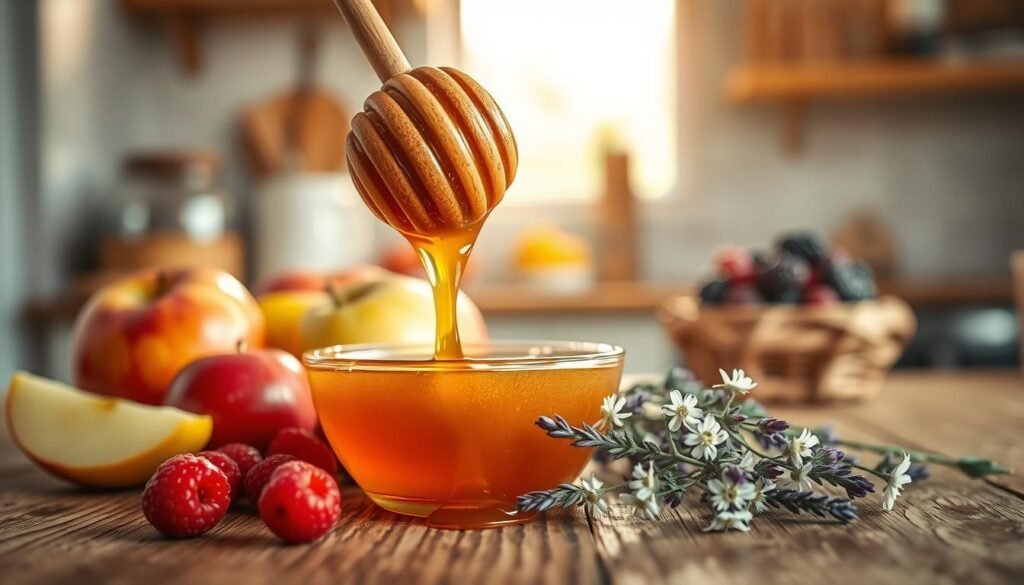
Humans have used honey for thousands of years. It’s a top choice for natural sugar replacement today. Raw honey is packed with nutrients and is very satisfying.
Honey has calories, but it’s worth it. I need less honey than sugar to sweeten my food. Plus, it’s full of health benefits.
Bees make honey from plant nectar. It’s full of good stuff from plants. Switching to raw honey changed how I think about sweetness.
Why Manuka Honey and Local Raw Honey Beat Processed Sugar
I keep Manuka honey and local raw honey in my pantry. They help me reduce sugar. Each has its own special benefits.
Manuka honey comes from bees that pollinate Manuka bushes. It’s full of antibacterial goodness. Look for the UMF rating on the label to know its strength.
I like Wedderspoon and Manukora honey. Wedderspoon is affordable and high quality. Manukora is traceable and detailed. I use UMF 15+ for everyday and UMF 20+ when I’m sick.
Local raw honey is also key. I buy it from beekeepers at farmers’ markets. It’s fresh and supports my community. It helps with allergies better than medicine.
Raw honey is different from processed honey:
- Minimal processing: It’s not heated too much, keeping enzymes and compounds
- No filtering: It keeps pollen and propolis, adding to its health benefits
- Natural crystallization: It crystallizes, showing it’s real and of good quality
- Living enzymes: These help with digestion and fight off bacteria
If my honey crystallizes, I just warm it up. This shows it’s real, unprocessed honey.
The Antioxidant and Antibacterial Benefits I’ve Experienced
Raw honey is more than just sweet. It’s full of antioxidants and antibacterial compounds. These are found in raw and darker honey.
Switching to raw honey helped me stay healthy. I used to get sick a lot, but not anymore. Manuka honey helped me fight off colds.
Studies back up what I’ve seen. Honey is good for your heart, digestion, and breathing. It’s because of the plant compounds in it.
Raw honey also helped my digestion. I take a spoonful before breakfast. It makes me feel regular and comfortable.
Raw honey also helped with my allergies. I used to have bad spring allergies. But after using local raw honey, my symptoms got better.
Here’s what science says about these benefits:
| Health Area | Beneficial Compounds | Effects I Noticed |
|---|---|---|
| Immune Function | Flavonoids, enzymes | Fewer colds, faster recovery |
| Digestive Health | Prebiotics, enzymes | Better regularity, less bloating |
| Allergy Response | Local pollen | Reduced seasonal symptoms |
| Skin Health | Antibacterial compounds | Clearer complexion |
I also use raw honey on my skin. It helps wounds heal faster and without scars.
When to Use Honey vs Other Natural Sweeteners
Honey isn’t for every situation. Knowing when to use it helps me get the best results.
Honey is great in hot tea, oatmeal, and salad dressings. It’s liquid and sweetens well. I use it for both taste and nutrition.
But honey isn’t always the best choice. If you’re on a keto diet, honey’s sugars will affect your carbs. Monk fruit or erythritol are better then. For weight loss, stevia or allulose are good choices.
Baking with honey needs adjustments. It adds moisture and browns faster. I reduce liquid and lower the oven temperature. For precise baking, I use erythritol instead.
Here’s when to choose honey:
- Choose honey when: You want immune support, need a natural cough suppressant, prefer liquid sweeteners, or desire additional nutrients
- Skip honey when: You need zero calories, follow strict keto, require precise baking results, or want to avoid any blood sugar impact
- Best honey uses: Morning beverages, salad dressings, marinades, throat soothing, wound healing
I also think about flavor. Manuka honey is strong and medicinal. For delicate foods, I use mild clover or orange blossom honey.
My Morning Honey Lemon Water Ritual
I start my day with honey lemon water. It’s my favorite morning ritual. It has many benefits.
Here’s how I make it: I mix 8 ounces of warm water with one tablespoon of raw honey and half a lemon. I stir until the honey dissolves and drink it slowly.
The water temperature is important. Boiling water destroys the honey’s enzymes. I test the temperature with my finger—it should be warm but not hot.
I use local raw honey for this ritual. It fights allergies. When I’m sick, I use Manuka honey UMF 15+ for extra immune support.
The benefits of this ritual are:
- Better hydration: It helps me stay hydrated
- Improved digestion: The lemon and honey wake up my digestive system
- More stable energy: It gives me energy without the jitters
- Clearer skin: My skin improved after three months of this ritual
I drink this 20 minutes before breakfast. It works its magic before I eat. Then I have my usual breakfast.
This ritual costs less than 50 cents a day. It’s affordable for the health benefits it offers.
Want more morning wellness routines? Visit www.healthyvibeslife.com for more ideas that have changed my health.
Raw honey is a great choice for health. It’s not just about cutting sugar. It’s about replacing empty calories with nutrients that support your health. Every time I choose honey over sugar, my body thanks me.
🍁 Pure Maple Syrup: The Sugar Reduction Secret Hiding in Your Pantry
I used to think maple syrup was just for pancakes. But then I found out it’s a natural treasure. It’s packed with maple syrup benefits that make it special.
Real maple syrup is different from fake syrups. Switching to it changed my cooking and baking. It even adds flavor to cocktails.
Why Grade A Dark Amber Maple Syrup Is My Choice
The maple syrup grading system was confusing at first. The USDA changed the labels, now Grade A Dark Amber is called Grade A Dark Color and Robust Flavor. I like this darker grade because it tastes richer and has more minerals.
I trust Coombs Family Farms and Butternut Mountain Farm for my maple syrup. They harvest sap from Vermont sugar maple trees. They process it little to keep nutrients.
Real maple syrup costs more, about $15-20 for a 16-ounce bottle. But it’s worth it because you use less of it. Its strong flavor makes it economical.
Always check the ingredient list when buying maple syrup. It should only say pure maple syrup. Anything else means it’s not the real deal.
The 24 Antioxidant Compounds That Make It Superior
Maple syrup’s nutritional profile convinced me of its value. It has 24 different antioxidant compounds. That’s more than most natural sweeteners.
Quebecol is a unique antioxidant in maple syrup. It forms during boiling and may help fight inflammation and control blood sugar.
Maple syrup also has manganese, zinc, and other minerals. These nutrients are missing in white sugar and artificial sweeteners. That’s why it’s worth the extra cost.
The darker grades have more of these compounds. That’s why I choose Grade A Dark over lighter varieties. More color means more nutrition and flavor.
Using Maple Syrup in Savory Dishes Beyond Breakfast
Maple syrup is amazing in savory dishes too. It adds depth to many recipes. It’s not just for pancakes and waffles anymore.
I love using it as a glaze for salmon. Mix three tablespoons of maple syrup with two tablespoons of Dijon mustard, a splash of soy sauce, and minced garlic. Brush it on salmon before roasting at 400°F for 12-15 minutes. It’s incredible.
Roasted vegetables also benefit from maple syrup. Toss Brussels sprouts, carrots, or sweet potatoes with olive oil, maple syrup, and sea salt before roasting. The sugars caramelize beautifully.
Here are my other favorite savory uses:
- Salad dressings: Maple syrup balances vinegar in vinaigrettes
- Barbecue sauce: It adds depth to tomato-based sauces
- Cocktails: Bourbon and maple syrup make a great Old Fashioned
- Marinades: Works well with balsamic vinegar for chicken or pork
- Baked beans: It’s better than molasses in traditional recipes
Pure maple syrup is versatile and practical in the kitchen. I always have it ready to use.
Maple Syrup vs Maple Flavored Syrup: What You Must Know
I once bought “maple flavored” syrup by mistake. It was a big difference. Maple flavored syrup is just high fructose corn syrup with artificial flavoring and caramel color. It has no real maple syrup.
Brands like Mrs. Butterworth’s and Aunt Jemima (now Pearl Milling Company) make maple flavored syrup. It’s not the real deal.
Here’s how to spot the difference every time:
| Feature | Pure Maple Syrup | Maple Flavored Syrup |
|---|---|---|
| Ingredients | 100% pure maple syrup only | Corn syrup, artificial flavors, preservatives |
| Price | $15-20 per 16 oz | $3-5 per 24 oz |
| Storage | Refrigerate after opening | Shelf-stable |
| Nutrition | Contains minerals and antioxidant compounds | Empty calories with no nutritional value |
The label will always tell you the truth. Look for “100% pure maple syrup” or just “maple syrup” in the ingredient list. If you see anything else, it’s not the real Sugar Reduction Secret you’re looking for.
Pure maple syrup must be refrigerated after opening. Fake syrups don’t need refrigeration because they’re full of preservatives. This is an easy way to tell them apart in your pantry.
Switching to real maple syrup was a great choice. The maple syrup benefits are many. You get antioxidants, minerals, and a natural sweetener for almost any recipe.
🥄 Erythritol: The Sugar Alcohol Sugar Reduction Secret for Baking
My journey with sugar alcohol sweeteners started with doubt but ended in a baking revolution. The term “sugar alcohol” sounds scary and chemical. But, erythritol is actually a natural compound found in fruits like pears and watermelon, and in foods like wine and cheese.
Erythritol is special because it acts as a bulk sweetener. It doesn’t just add sweetness. It also replaces sugar’s role in baking, adding structure, moisture, and even browning.
Exploring erythritol baking opened new doors for me on a sugar-reduced diet. My kitchen became a place of healthy dessert innovation.
Two Brands That Revolutionized My Sugar-Free Baking
I’ve tried many blood sugar alternatives, but two brands changed everything. Swerve Sweetener became my go-to for erythritol baking. It’s special because it combines erythritol with oligosaccharides, which are good for your gut.
Using Swerve in brownies was a game-changer. The texture was just like traditional brownies. The edges even caramelized beautifully, giving that crispy-chewy contrast I thought I’d lost.
Swerve measures just like regular sugar, making baking easier. I just replaced sugar in my grandmother’s recipes with Swerve, and it worked perfectly.
NOW Foods Erythritol is my budget-friendly choice for everyday baking. It’s pure erythritol powder that’s half the price of Swerve. I use it in my coffee, yogurt, and simple baked goods like muffins and quick breads.
Swerve makes baked goods moister and browner. NOW Foods erythritol works best with other moisture sources like fruit purees or Greek yogurt.
The Blood Sugar Science That Changed My Health
Understanding erythritol’s effect on blood sugar was key for me. It’s a sugar alcohol that doesn’t raise blood sugar like table sugar does. Here’s why: erythritol is absorbed in the small intestine but isn’t used for energy.
About 90% of erythritol is excreted in urine without being broken down. This means it doesn’t affect your blood glucose or insulin levels. For comparison, table sugar has a glycemic index of 65, while erythritol is zero.
I noticed a big difference in my energy levels. Traditional sugar always made me crash two hours after eating. But with erythritol, my energy stayed stable all day. No more mid-afternoon slumps after my morning muffin.
| Property | Erythritol | Table Sugar | Impact on Health |
|---|---|---|---|
| Glycemic Index | 0 | 65 | No blood sugar spike |
| Calories per gram | 0.24 | 4 | 96% fewer calories |
| Insulin response | None | Significant | Better metabolic control |
| Sweetness level | 70% of sugar | 100% | Use slightly more |
Erythritol is a top choice for diabetic-friendly sweeteners. My doctor was impressed with my A1C improvements after switching to blood sugar alternatives. The stable glucose readings let me enjoy desserts without guilt or health worries.
Solving the Cooling Effect Challenge
Erythritol has a unique trait: it has a cooling effect. When you taste it, you might feel a minty sensation, like chewing mint gum. This is because erythritol is endothermic, meaning it absorbs heat when it dissolves.
My first try at erythritol-sweetened lemonade tasted like menthol. I was about to give up. But I found ways to reduce this effect a lot.
Mixing erythritol with other sweeteners helped a lot. Adding a bit of stevia or monk fruit masks the cooling sensation. A 3:1 ratio of erythritol to other sweeteners works well for most recipes.
Using erythritol in recipes with chocolate or strong flavors also helped. The strong taste of cocoa, coffee, or spices like cinnamon hides the cooling effect. My chocolate chip cookies and mocha brownies have no hint of mintiness.
Choosing Swerve over pure erythritol also reduced the cooling effect. Swerve’s blend of erythritol and oligosaccharides buffers the cooling sensation. For delicate recipes like vanilla cake or sugar cookies, I always use Swerve.
My Favorite Erythritol-Based Cookie Recipe Adjustments
Modifying my grandmother’s chocolate chip cookie recipe was scary. But after months of trying, I made a version she loved before she passed.
The original recipe used 1 cup of white sugar and ½ cup of brown sugar. I replaced the white sugar with 1 cup of Swerve Granular and the brown sugar with ½ cup of Swerve Brown. This kept the sweetness level the same without any math.
My first attempt failed miserably. The cookies spread too much and were dry and crumbly. I learned that erythritol doesn’t caramelize like sugar, affecting texture and spread. Here’s what I changed to fix these issues:
- Reduced the baking temperature from 375°F to 350°F to prevent over-browning
- Increased the butter by 2 tablespoons to compensate for moisture loss
- Added 1 extra egg yolk for richness and binding power
- Chilled the dough for 30 minutes before baking to control spread
- Removed cookies from the oven when they looked slightly underdone (they firm up as they cool)
The results were amazing. These cookies had the perfect chewy center with crispy edges. The chocolate chips added moisture pockets, and no one could tell I used a sugar alcohol sweetener instead of regular sugar.
Adding a teaspoon of vanilla extract and a pinch of extra salt also helped. It made the sweetness more noticeable. This let me use slightly less erythritol while keeping the satisfaction level the same. My cookie jar stays full of these diabetic-friendly sweetener cookies, and my blood sugar stays stable even after enjoying three cookies with afternoon tea.
🌴 Coconut Sugar: The Low Glycemic Sugar Reduction Secret I Swear By
Three years ago, I wouldn’t have believed paying more for a sugar alternative. But coconut sugar proved its worth. It’s now a staple in my pantry, alongside other sugar reduction secrets.
Coconut sugar is special because of how it affects your body. Unlike white sugar, it doesn’t cause blood sugar spikes. This makes it a gentler choice.
Coconut sugar comes from coconut palm sap, not coconuts. The sap is collected, heated, and turned into the sugar you buy. This process keeps more nutrients than regular sugar.
Big Tree Farms Organic Coconut Sugar in My Kitchen
Big Tree Farms Organic Coconut Sugar is my go-to. The quality is clear from the first time you open it.
The sugar has a consistent size and beautiful color. It dissolves well, which is great for hot drinks or batters.
I buy Big Tree Farms at Costco for a better price. When it’s out, I order from Amazon, though it costs more.
Nutiva and Madhava are also good brands. But Big Tree Farms has the best taste. The organic and fair-trade practices align with my values.
The Inulin Fiber Benefit That Supports Gut Health
Coconut sugar benefits your gut health. It has inulin, a fiber that feeds good bacteria.
Most sugar alternatives aim to avoid harm. Coconut sugar actually helps your gut.
Switching to coconut sugar improved my digestion. It made my system feel more balanced.
Inulin feeds probiotics, keeping your gut healthy. This affects digestion and immune function.
Coconut sugar has a glycemic index of 35. This is lower than table sugar’s 65. This difference is important.
Low glycemic sweeteners raise blood sugar slowly. This gives steady energy without the crash. I no longer get afternoon slumps.
Why Coconut Sugar Works Best in Dark Chocolate Recipes
Coconut sugar is perfect for dark chocolate. It adds caramel and toffee notes that enhance chocolate flavors.
It’s better than stevia in brownies. Coconut sugar adds depth that white sugar can’t match.
My favorite use is in dark chocolate brownies. It makes them taste special. Guests always ask what makes them so good.
Here are my top uses for organic coconut sugar:
- Dark chocolate cakes and brownies
- Mocha or chocolate-flavored coffee drinks
- Chocolate chip cookies where you want extra depth
- Hot chocolate made with quality cocoa powder
- Chocolate glazes and frostings
It works well in baking because it’s similar to brown sugar. You can use it one-to-one in most recipes.
Price Comparison: When Coconut Sugar Is Worth the Investment
Coconut sugar is pricey. It costs three to four times more than white sugar, about $0.50 to $0.75 per ounce.
This means you need to use it wisely. I’ve found a way to balance health goals and budget.
| Sweetener Type | Cost Per Pound | Best Value Purchase | My Usage Priority |
|---|---|---|---|
| White Sugar | $0.50 – $1.00 | Grocery store bulk | Never use anymore |
| Coconut Sugar (small package) | $8.00 – $12.00 | Amazon convenience | Occasional use |
| Coconut Sugar (bulk) | $5.00 – $7.00 | Costco when available | Special recipes only |
| Brown Sugar | $1.50 – $2.50 | Grocery store | Replaced entirely |
I use coconut sugar for special desserts. For everyday coffee or simple recipes, I choose cheaper options like erythritol or stevia.
It’s worth it for recipes where flavor matters. Premium dark chocolate brownies deserve it. But your Tuesday oatmeal doesn’t need it.
Buy in bulk to save money. Costco’s three-pound bags are cheaper than small packages at health stores.
See coconut sugar as part of your sugar reduction toolkit. Use it for special recipes where its unique benefits shine.
✨ Allulose: The Breakthrough Sugar Reduction Secret You Need to Know
Allulose has changed my view on rare sugar alternatives. I’m excited to share this breakthrough with you. After trying many sweeteners, I thought nothing could replace regular sugar. But allulose sweetener changed that, revealing a powerful secret for reducing sugar.
This sweetener is unique. It bakes and browns like sugar and tastes exactly like sugar without any weird aftertaste. I use it in recipes where taste matters, impressing even my skeptical family.
My Experience With RxSugar Allulose
I found RxSugar Allulose six months ago in a nutrition journal. Seeing the price, I hesitated. It’s pricier than other substitutes, costing between $12 and $15 per pound.
But after baking cookies, I understood its value. RxSugar comes in a convenient bag, looking like white sugar. I bought it on Amazon, also available at Whole Foods and health stores.
Its performance in chocolate chip cookies amazed me. They browned well, had the right texture, and nobody could tell I hadn’t used regular sugar. My husband thought I’d given up on healthy baking because they tasted so real.
I now use RxSugar for special occasions and recipes needing perfect texture. While I use other secrets for daily sweetening, allulose is my go-to for baking perfection.
What Makes This a True Rare Sugar
Allulose is a rare sugar because it naturally occurs but in tiny amounts. You can find it in wheat, figs, and raisins, but not enough to make a difference.
Scientifically, allulose is fascinating. It’s a monosaccharide like fructose but your body can’t break it down like regular sugar. It’s made through an enzymatic process, making it available commercially.
Allulose’s molecular structure is close to fructose but with a key difference. This difference means your body can’t use it for energy. It passes through your system largely unabsorbed, providing only about 0.2 calories per gram.
Allulose is 70% as sweet as sugar. But you can use it in equal amounts in recipes because it provides bulk and texture. This makes it easy to use, unlike other sweeteners that require complicated calculations.
The Fat Burning Research That Got My Attention
The research on allulose’s metabolic benefits really caught my eye. These studies are early, but the results are promising enough to share.
A 2018 study in Nutrients found that allulose reduced body fat and abdominal fat. It might inhibit enzymes that help store fat.
A 2019 study looked at allulose’s effect on blood sugar. It suggested that allulose could improve insulin sensitivity and reduce blood sugar spikes. For someone like me watching blood sugar, this was very relevant.
I’m not saying allulose is a miracle for weight loss—it’s not. But as part of a broader strategy, it may offer metabolic benefits beyond just reducing calories. The research is ongoing, and I’m excited to see future findings.
From my experience, using allulose instead of sugar has made me feel better. I don’t get energy crashes, and my sugar cravings have decreased.
Creating Perfect Ice Cream Texture
Allulose is amazing for homemade ice cream. It solves the problem of icy, hard texture that sugar-free ice cream often has.
Allulose has a lower freezing point than water, preventing ice crystals. This makes ice cream scoopable straight from the freezer. No more waiting 15 minutes for your dessert to soften.
For a simple vanilla ice cream, I use 2 cups of heavy cream, 1 cup of whole milk, ¾ cup of allulose, and 2 teaspoons of vanilla extract. The result is creamy and smooth every time.
I’ve tried combining allulose with other sweeteners in ice cream, but it works best alone. The premium price is worth it for the amazing results.
| Property | Allulose | Table Sugar | Advantage |
|---|---|---|---|
| Calories per gram | 0.2 calories | 4 calories | 95% calorie reduction |
| Glycemic index | 0 | 65 | No blood sugar spike |
| Sweetness level | 70% of sugar | 100% baseline | Use equal amounts in recipes |
| Browning ability | Yes, similar to sugar | Yes | Perfect for baked goods |
| Metabolic benefits | May reduce fat storage | Promotes fat storage | Supports weight management |
This comparison shows why allulose is exciting for natural sweetening. It offers sugar’s functionality with metabolic benefits beyond calorie reduction.
📊 My Tested Comparison: Which Sugar Reduction Secrets Work Best for What
When I compared seven sweeteners, I found some big winners and some big losers. Over a year, I did a deep dive into sugar substitutes. I did blind taste tests, tracked costs, and spent hours in the kitchen. This project turned into a science experiment, but it was worth it for my family and everyone who asked me about it.
I wanted to make choosing the right sweetener easy. I didn’t rely on marketing or online opinions. Instead, I gathered real data from people using these sweeteners in everyday life.
Taste Test Results From My Family and Friends
I got 15 family members, friends, and neighbors to do blind taste tests. They tried all seven sweeteners in coffee, cookies, and lemonade. No one knew what they were tasting, and I recorded every comment and rating.
The results showed clear winners for each category. In coffee, monk fruit and allulose tied for first place with scores of 8.7 out of 10. People said they tasted “clean” and “just like regular sugar.” Stevia came in third at 7.2, with some noticing a slight bitterness after the coffee cooled.
In cookies, allulose dominated with a score of 9.1, followed by erythritol at 8.8. One tester said, “I honestly can’t tell this isn’t regular sugar.” Coconut sugar scored 8.3, with people loving its caramel notes. Honey scored lower at 7.1 because it changed the cookie texture slightly.
“The allulose cookies tasted exactly like the ones my grandmother made with regular sugar. I’m shocked this is a healthier option.”
In lemonade, honey and maple syrup scored highest at 8.9 and 8.6 respectively. Their natural flavors complemented the lemon beautifully. Allulose again performed well at 8.4, while erythritol’s cooling effect was more noticeable in the cold beverage, dropping its score to 6.9.
Cost Per Serving Analysis of All Seven Sweeteners
I tracked prices and calculated the cost per serving for each sweetener. This analysis took into account their different sweetness levels. The results showed big price differences that might affect your choice of Sugar Reduction Secrets.
| Sweetener | Cost Per Serving | Cost Per Cup Sugar Equivalent | Value Rating |
|---|---|---|---|
| Stevia | $0.08 – $0.15 | $0.32 – $0.60 | Excellent |
| Monk Fruit | $0.12 – $0.20 | $0.48 – $0.80 | Very Good |
| Erythritol | $0.15 – $0.25 | $0.60 – $1.00 | Good |
| Honey (Raw) | $0.25 – $0.40 | $1.00 – $1.60 | Good |
| Coconut Sugar | $0.30 – $0.50 | $1.20 – $2.00 | Fair |
| Allulose | $0.35 – $0.55 | $1.40 – $2.20 | Fair |
| Maple Syrup | $0.40 – $0.60 | $1.60 – $2.40 | Fair |
Stevia offers the best value because a little goes a long way. But the cheapest option isn’t always the best if it ruins your recipe or if your family won’t eat it.
Spending more on allulose for baking was worth it because it worked perfectly every time. Using affordable stevia drops in my morning coffee made financial sense because I only needed two drops per cup.
Honey and maple syrup cost more per serving, but their unique nutritional benefits and flavor profiles justified the expense for special recipes. I see them as investments in both taste and health, not just simple sugar substitutes.
The Best Natural Sweetener for Coffee, Baking, and Cooking
After all my testing, I have clear recommendations for each application. These aren’t just my opinions—they’re based on consistent results and feedback from my taste tests.
For coffee and tea, I recommend monk fruit drops or liquid stevia. They dissolve instantly, provide consistent sweetness, and don’t add calories. The Lakanto liquid monk fruit sweetener has become my daily go-to because it never leaves any aftertaste in hot beverages.
For baking cakes and cookies, allulose and erythritol are the best sugar substitutes. Allulose performs almost identically to table sugar, browning beautifully and creating the perfect texture. Erythritol works wonderfully too, though you might notice its slight cooling effect in some recipes.
For cooking savory dishes, raw honey and pure maple syrup shine. I use honey in marinades and salad dressings, while maple syrup enhances glazes and barbecue sauces. Their complex flavors add depth that other sweeteners can’t match.
For homemade ice cream, allulose wins hands down. It prevents ice crystals from forming and maintains a creamy texture even after freezing. This application alone justifies keeping allulose in your pantry.
For general everyday use, monk fruit blends offer the best balance of taste, versatility, and value. I keep Lakanto Golden on my counter for everything from oatmeal to quick breads.
Heat Stability Chart I Created for Your Reference
Understanding how these sweeteners perform at different temperatures changed my cooking completely. Some sweeteners break down or intensify at high heat, while others remain stable. I created this reference chart after testing each sweetener at various temperatures.
| Temperature Range | Excellent Performers | Good Performers | Notes |
|---|---|---|---|
| Cold (Below 70°F) | All sweeteners | N/A | All maintain sweetness and dissolve well |
| Moderate Heat (300-350°F) | Honey, Maple, Erythritol, Coconut Sugar, Allulose | Stevia, Monk Fruit | All remain stable; stevia/monk fruit may slightly intensify |
| High Heat (350-400°F) | Coconut Sugar, Allulose, Erythritol | Honey, Maple Syrup | Honey and maple may darken faster; stevia can become bitter |
| Very High Heat (Above 400°F) | Coconut Sugar, Allulose | Erythritol | Best for high-temperature baking and roasting |
This heat stability information helps you choose the right sweetener for your recipe. When I’m roasting vegetables at 425°F and want a caramelized finish, I reach for coconut sugar. For cookies baked at 350°F, allulose or erythritol work perfectly.
Stevia and monk fruit intensify slightly at high temperatures, so I reduce the amount by about 25% in recipes requiring prolonged heat exposure. Honey and maple syrup brown faster than sugar, which can be an advantage in some recipes but requires watching carefully to prevent burning.
Keep this chart handy when you’re cooking or baking with these Sugar Reduction Secrets. It’s saved me from several recipe disasters and helped me achieve consistent results every time.
💡 Implementing These Sugar Reduction Secrets Into Your Daily Life
It’s easy to get overwhelmed by the idea of reducing sugar. But, I’ve found a simple way to make it work. It took me months to learn about natural sweeteners and how to use them every day. The World Health Organization suggests keeping free sugar under 10% of your daily calories. But, hidden sugars are everywhere, making it hard to follow this advice.
Success isn’t just about wanting to do it. It’s about having a clear plan. I’m sharing what worked for me after many tries, including the mistakes I made so you can avoid them.
A Four-Week Path That Changed Everything
My journey to reduce sugar didn’t happen fast. I tried quitting cold turkey three times before I learned that slow reduction works better. Here’s a 30-day plan that helped me.
Week One was all about being aware. I tracked every sugar-containing food for seven days. It was just about noticing, not judging. I used a notebook to record what I ate, when I craved sugar, and which foods had more sugar than I thought.
During this week, I bought my first natural sweeteners. I started with monk fruit and stevia because they’re calorie-free and easy to find. I didn’t change anything yet—I just got used to having them around.
Week Two was about substituting. I replaced sugar in my coffee with stevia, which was tough at first. I also swapped one sugary snack for fresh fruit with almond butter. That’s it—just two changes. My body needed time to adjust without feeling deprived.
I made one batch of muffins using monk fruit sweetener during this week. They didn’t taste exactly like my old recipe, but they were good enough to keep me motivated. Small wins matter when you’re trying to reduce sugar intake.
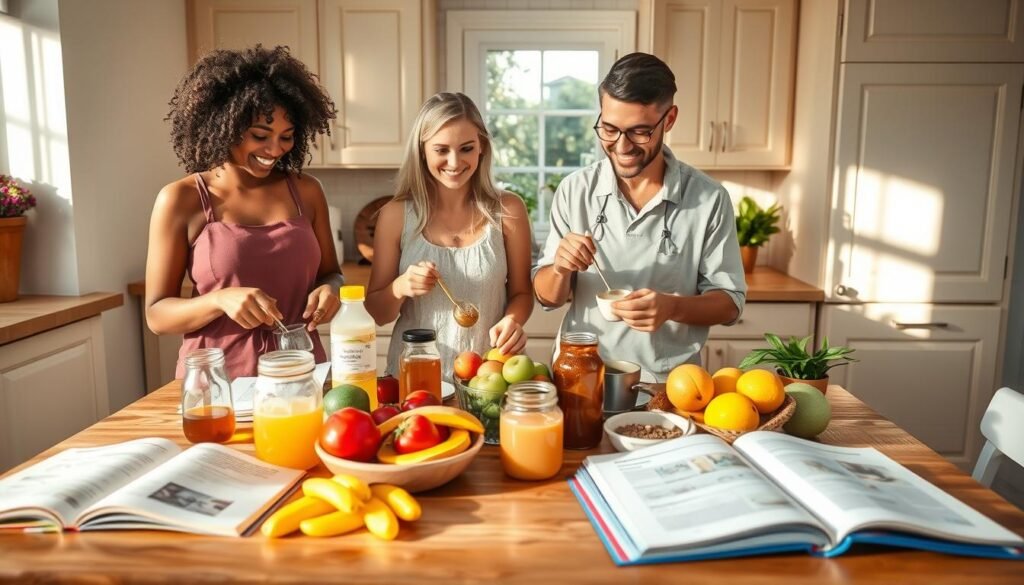
Week Three was about experimenting. I tried different sweeteners in various recipes—erythritol in cookies, maple syrup in oatmeal, coconut sugar in my chocolate chip recipe. Some worked beautifully, others didn’t. I learned that allulose behaves most like regular sugar in baking, which became a game-changer.
This was also when I started reading labels obsessively. I discovered that my “healthy” granola contained 12 grams of added sugar per serving, and my pasta sauce had corn syrup as the third ingredient. Reading labels revealed hidden sugars I’d been consuming without realizing it.
Week Four was about making new habits. By this point, my taste buds had adjusted significantly. Foods I used to love now tasted overwhelmingly sweet. I settled into a routine with my favorite sweeteners for different uses—stevia for beverages, allulose for baking, and raw honey for special occasions.
I also noticed something unexpected: I was sleeping better. Research shows that sleep deprivation intensifies sugar cravings by disrupting hunger hormones. As I reduced my sugar intake, my sleep quality improved, which further reduced my cravings. This positive cycle reinforced my new habits.
Five Mistakes That Almost Derailed My Progress
I need to be honest about what didn’t work before I found success with implementing sugar alternatives. These five mistakes cost me weeks of frustration and nearly convinced me to give up entirely.
Mistake #1: Eliminating everything at once. I tried going from regular sugar to zero sugar in one day. Within 72 hours, I was hiding in my car eating a box of cookies. The intense cravings overwhelmed my willpower completely. Gradual reduction is more sustainable than abrupt elimination—trust me on this.
Mistake #2: Using way too much stevia. When I first switched my coffee sweetener, I assumed I needed the same volume as sugar. Wrong. I made my coffee so bitter I almost threw it across the room. I nearly gave up on natural sweeteners entirely because of this one error. Start with half the recommended amount and adjust slowly.
Mistake #3: Not reading ingredient labels carefully. I bought what I thought was pure erythritol, only to discover it contained maltodextrin, which spikes blood sugar just like regular sugar. Many “sugar-free” products blend natural sweeteners with fillers that undermine your health goals. Always check the ingredient list, not just the marketing claims.
Mistake #4: Expecting identical taste from day one. I wanted monk fruit cookies to taste exactly like my grandmother’s sugar cookies. They didn’t, and I felt disappointed. This unrealistic expectation almost sabotaged my entire journey. Natural sweeteners taste different—not bad, just different. Give your palate three weeks to adjust before judging.
Mistake #5: Having no strategy for social events. I showed up to a birthday party with nothing to eat, felt deprived watching everyone enjoy cake, and then binged on leftover pizza at midnight. Social situations require planning when you’re implementing these Sugar Reduction Secrets, which I’ll address in detail below.
The Refrigerator Reference That Saves My Recipes
I keep a laminated conversion chart stuck to my refrigerator with a magnet. This simple reference transformed my baking success rate from about 30% to nearly 90%. Here’s the practical guide I use every single day.
| Sweetener Type | Amount to Replace 1 Cup Sugar | Recipe Adjustments Needed | Best Uses |
|---|---|---|---|
| Stevia Extract | 1 teaspoon (200x sweetness) | Add 1/3 cup liquid or bulk ingredient | Beverages, smoothies, light recipes |
| Monk Fruit Sweetener | 1 cup (1:1 blends) | No adjustment needed with blends | All-purpose baking, coffee, tea |
| Erythritol | 1 1/3 cups (70% sweetness) | Add 1-2 tablespoons extra liquid | Cookies, muffins, frostings |
| Allulose | 1 1/3 cups (70% sweetness) | Reduce oven temp by 25°F | Cakes, brownies, caramel |
| Raw Honey | 1/2 to 3/4 cup | Reduce liquid by 1/4 cup, add 1/2 tsp baking soda | Glazes, dressings, marinades |
This chart lives on my refrigerator because I reference it at least three times a week. You can download a printable version from www.healthyvibeslife.com, where I’ve also included tips for troubleshooting common baking problems.
The most important lesson from my conversion experiments: start with recipes specific to the sweetener you’re using. Once you understand how each sweetener behaves, converting your family recipes becomes much easier. I wasted expensive ingredients trying to wing it at first.
How to Handle Social Situations and Dining Out
This might be the hardest part of making healthy lifestyle changes stick. Social pressure and limited options at restaurants challenged me more than anything else. Here’s how I navigate these tricky situations without feeling deprived or making others uncomfortable.
At birthday parties and celebrations, I bring my own dessert. I make a batch of cookies or brownies using allulose or monk fruit and bring enough to share. Most people can’t tell the difference, and I never feel left out. If someone asks why I brought my own food, I simply say I’m experimenting with new recipes—which is completely true.
When dining at restaurants, I’ve learned to skip dessert or split one with my entire table. I focus on enjoying the savory parts of the meal, which usually aren’t loaded with added sugar. If I really want something sweet, I keep stevia packets in my purse and add them to unsweetened iced tea. Most restaurants offer fruit as a dessert option too.
At friends’ homes, I’m flexible and don’t make my hosts feel bad about their choices. These Sugar Reduction Secrets work for me, but I don’t impose them on others. If someone spent hours making their famous pie, I’ll have a small slice and genuinely enjoy it. One dessert every few weeks won’t undo my progress, and maintaining friendships matters more than perfect adherence.
The key to social success is planning ahead without being rigid. I eat a protein-rich snack before events so I’m not starving when I arrive. I also remind myself that this is a lifestyle, not a diet. Flexibility prevents the all-or-nothing thinking that derailed my earlier attempts.
Making these healthy lifestyle changes sustainable means finding balance. I’m committed to reducing my sugar intake most of the time, which gives me freedom to be flexible occasionally. This mindset shift eliminated the guilt and rebellion cycle that sabotaged my first few attempts.
For ongoing support as you implement your own sugar detox plan, I highly recommend subscribing to the newsletter at www.healthyvibeslife.com. You’ll receive weekly recipes using natural sweeteners, updates on the latest health products and fitness gear, wellness travel destination ideas, and a community of people on the same journey. I share my newest sweetener discoveries, answer questions, and provide the accountability that helped me stick with these changes long-term.
Remember that implementing sugar alternatives is a process, not a single decision. Some days will be easier than others, and that’s completely normal. The 30-day plan gives you structure, but real success comes from progress, not perfection. Start with Week One tomorrow, and adjust the timeline to fit your life. Your version of these Sugar Reduction Secrets might look different from mine, and that’s exactly how it should be.
🎯 Your Journey With These Sugar Reduction Secrets Starts Now
Your journey with natural sweeteners starts with a single step. Choose one sweetener like stevia, monk fruit, or honey. Try it in your coffee or favorite recipe this week.
I’ve been on this path too. These secrets changed how I see food. I feel free, not limited. My energy went up, cravings went down, and I love sugar-free living.
This change takes time. I’m always trying new things and finding new uses for these sweeteners. The journey is the best part.
Check out www.healthyvibeslife.com for sugar-free recipes and product reviews. You’ll find a community of people making healthy changes too.
Subscribe to my free newsletter for weekly tips. You’ll get special recipes, wellness advice, travel deals, fitness reviews, and discounts.
Controlling sugar is caring for yourself. Every choice you make adds up to big changes. Your journey starts now, and I’m here to support you.
FAQ
Which natural sweetener tastes most like actual sugar?
Can I use stevia in baking, or will it ruin my recipes?
Are natural sweeteners safe for diabetics?
Why does stevia sometimes taste bitter, and how can I fix it?
Which natural sweetener is best for coffee and tea?
Can I substitute these natural sweeteners in a one-to-one ratio for sugar?
What’s the most affordable natural sweetener option?
FAQ
Which natural sweetener tastes most like actual sugar?
After testing many, I found allulose tastes closest to sugar. It’s sweet like sugar but has less calories. Monk fruit with erythritol is a close second, great for baked goods.
I was amazed when my family couldn’t tell the difference in homemade ice cream. Remember, taste is personal, so try different options.
Can I use stevia in baking, or will it ruin my recipes?
Yes, you can use stevia in baking, but you need to adjust the recipe. Mix it with erythritol or use applesauce for moisture. My chocolate chip cookies took five tries to get right.
Start with half the sugar and use a conversion chart. Stevia is very concentrated, so measure carefully to avoid bitterness.
Are natural sweeteners safe for diabetics?
While I’m not a doctor, many natural sweeteners are safe for diabetics. Erythritol, stevia, monk fruit, and allulose don’t raise blood sugar. Erythritol has a glycemic index of zero.
Honey and maple syrup can raise blood sugar, but less than white sugar. I’ve noticed more stable energy with these alternatives.
Why does stevia sometimes taste bitter, and how can I fix it?
Bitterness in stevia often comes from using too much. It’s 200 times sweeter than sugar, so use less. Use brands that blend stevia with erythritol for better flavor.
Start with a small amount and add more if needed. A tiny pinch of salt can also help. Liquid stevia is better for drinks than powdered.
Which natural sweetener is best for coffee and tea?
Liquid monk fruit or stevia drops are perfect for coffee and tea. They dissolve instantly without residue. I use SweetLeaf vanilla stevia in my coffee.
Monk fruit has a cleaner taste, while stevia might have herbal notes. Erythritol granules work well too, but take time to dissolve.
Can I substitute these natural sweeteners in a one-to-one ratio for sugar?
It depends on the sweetener. Erythritol, coconut sugar, and allulose can usually be used one-to-one. But stevia and monk fruit are much sweeter.
Use a conversion chart to get the right amount. Honey and maple syrup are liquid, so adjust liquids in your recipe.
What’s the most affordable natural sweetener option?
Stevia is the most affordable at around
FAQ
Which natural sweetener tastes most like actual sugar?
After testing many, I found allulose tastes closest to sugar. It’s sweet like sugar but has less calories. Monk fruit with erythritol is a close second, great for baked goods.
I was amazed when my family couldn’t tell the difference in homemade ice cream. Remember, taste is personal, so try different options.
Can I use stevia in baking, or will it ruin my recipes?
Yes, you can use stevia in baking, but you need to adjust the recipe. Mix it with erythritol or use applesauce for moisture. My chocolate chip cookies took five tries to get right.
Start with half the sugar and use a conversion chart. Stevia is very concentrated, so measure carefully to avoid bitterness.
Are natural sweeteners safe for diabetics?
While I’m not a doctor, many natural sweeteners are safe for diabetics. Erythritol, stevia, monk fruit, and allulose don’t raise blood sugar. Erythritol has a glycemic index of zero.
Honey and maple syrup can raise blood sugar, but less than white sugar. I’ve noticed more stable energy with these alternatives.
Why does stevia sometimes taste bitter, and how can I fix it?
Bitterness in stevia often comes from using too much. It’s 200 times sweeter than sugar, so use less. Use brands that blend stevia with erythritol for better flavor.
Start with a small amount and add more if needed. A tiny pinch of salt can also help. Liquid stevia is better for drinks than powdered.
Which natural sweetener is best for coffee and tea?
Liquid monk fruit or stevia drops are perfect for coffee and tea. They dissolve instantly without residue. I use SweetLeaf vanilla stevia in my coffee.
Monk fruit has a cleaner taste, while stevia might have herbal notes. Erythritol granules work well too, but take time to dissolve.
Can I substitute these natural sweeteners in a one-to-one ratio for sugar?
It depends on the sweetener. Erythritol, coconut sugar, and allulose can usually be used one-to-one. But stevia and monk fruit are much sweeter.
Use a conversion chart to get the right amount. Honey and maple syrup are liquid, so adjust liquids in your recipe.
What’s the most affordable natural sweetener option?
Stevia is the most affordable at around $0.08-0.15 per serving. Erythritol is also budget-friendly. Monk fruit, coconut sugar, and allulose are pricier.
I use stevia or erythritol for everyday needs and save the pricier options for special treats.
Do natural sweeteners work in cold beverages like iced tea and lemonade?
Yes, they work great in cold drinks. Liquid stevia and monk fruit drops dissolve instantly. I use them in my sugar-free lemonade.
Regular erythritol can be slow to dissolve, but powdered works well. Honey works too, but you’ll need to stir more.
Which natural sweetener is best for making homemade ice cream?
Allulose is the best for ice cream. It prevents ice crystals and makes it creamy. My vanilla bean ice cream was a hit.
Erythritol can work too, but it might crystallize, making it grainy.
Are there any side effects I should know about with these natural sweeteners?
Most people tolerate these sweeteners well, but everyone’s different. Erythritol can cause digestive issues in some. Start with small amounts.
Stevia is generally safe, but some dislike its taste. Honey can raise blood sugar. Monk fruit and allulose have few side effects.
Can I use honey or maple syrup if I’m trying to lose weight?
Honey and maple syrup have calories, but they’re nutrient-dense. They’re better than refined sugar. Using them in moderation can fit into a weight loss plan.
Zero-calorie sweeteners are better for strict diets, but these can be part of a balanced diet.
What’s the difference between raw honey and regular honey from the grocery store?
Raw honey is unfiltered and has more nutrients. It’s better for you. Processed honey is clear and lacks nutrients.
Raw honey costs more, but it’s worth it for the health benefits and taste.
Why do some recipes using erythritol have a cooling sensation in my mouth?
Erythritol can cause a cooling sensation. This is because it absorbs heat when it dissolves. To reduce this, blend it with other sweeteners.
Use Swerve brand or add it to recipes with strong flavors. Heat also reduces the cooling effect.
Is coconut sugar actually better than regular brown sugar?
Coconut sugar has a lower glycemic index than brown sugar. It’s also more nutritious. It has a richer flavor, but it’s more expensive.
I use it in recipes where its unique flavor is a plus, not for everything.
Can children have these natural sweeteners, or should I stick with regular sugar for them?
Many natural sweeteners are safe for kids in moderation. Stevia, monk fruit, and erythritol are good choices. Honey is not safe for infants.
Using these sweeteners can help reduce sugar cravings in kids. But, moderation is key.
Where can I buy these natural sweeteners, and are they available in regular grocery stores?
You can find them in most grocery stores now. Stores like Whole Foods and Amazon have a wide selection. Online shopping is best for specialty items.
Visit www.healthyvibeslife.com for a list of my favorite brands and where to buy them.
How should I store these natural sweeteners to keep them fresh?
Store them properly to keep them fresh. Stevia, monk fruit, and erythritol can be stored for years. Raw honey should be kept at room temperature.
Coconut sugar can clump in humid conditions. Allulose is shelf-stable. I learned these tips the hard way.
What’s the best natural sweetener for making sugar-free barbecue sauce and marinades?
Monk fruit or erythritol are best for savory dishes. They’re heat-stable and don’t add unwanted flavors. Raw honey and maple syrup are also good, but they have calories.
These sweeteners work well in marinades because they don’t burn easily when grilling.
Can I combine different natural sweeteners together, or should I use just one?
Combining sweeteners can be a great idea. It can improve flavor and texture. Stevia and erythritol work well together, as do monk fruit and allulose.
Many brands already blend them for you. Experiment with different combinations to find what works best for you.
Will using natural sweeteners help me stop craving sugar?
It depends on how you use them. Switching to natural sweeteners can reduce sugar cravings. Zero-calorie sweeteners don’t raise blood sugar.
But, eating sweet foods can keep cravings alive. Use these sweeteners as a bridge to healthier habits, not as a reason to eat more.
.08-0.15 per serving. Erythritol is also budget-friendly. Monk fruit, coconut sugar, and allulose are pricier.
I use stevia or erythritol for everyday needs and save the pricier options for special treats.
Do natural sweeteners work in cold beverages like iced tea and lemonade?
Yes, they work great in cold drinks. Liquid stevia and monk fruit drops dissolve instantly. I use them in my sugar-free lemonade.
Regular erythritol can be slow to dissolve, but powdered works well. Honey works too, but you’ll need to stir more.
Which natural sweetener is best for making homemade ice cream?
Allulose is the best for ice cream. It prevents ice crystals and makes it creamy. My vanilla bean ice cream was a hit.
Erythritol can work too, but it might crystallize, making it grainy.
Are there any side effects I should know about with these natural sweeteners?
Most people tolerate these sweeteners well, but everyone’s different. Erythritol can cause digestive issues in some. Start with small amounts.
Stevia is generally safe, but some dislike its taste. Honey can raise blood sugar. Monk fruit and allulose have few side effects.
Can I use honey or maple syrup if I’m trying to lose weight?
Honey and maple syrup have calories, but they’re nutrient-dense. They’re better than refined sugar. Using them in moderation can fit into a weight loss plan.
Zero-calorie sweeteners are better for strict diets, but these can be part of a balanced diet.
What’s the difference between raw honey and regular honey from the grocery store?
Raw honey is unfiltered and has more nutrients. It’s better for you. Processed honey is clear and lacks nutrients.
Raw honey costs more, but it’s worth it for the health benefits and taste.
Why do some recipes using erythritol have a cooling sensation in my mouth?
Erythritol can cause a cooling sensation. This is because it absorbs heat when it dissolves. To reduce this, blend it with other sweeteners.
Use Swerve brand or add it to recipes with strong flavors. Heat also reduces the cooling effect.
Is coconut sugar actually better than regular brown sugar?
Coconut sugar has a lower glycemic index than brown sugar. It’s also more nutritious. It has a richer flavor, but it’s more expensive.
I use it in recipes where its unique flavor is a plus, not for everything.
Can children have these natural sweeteners, or should I stick with regular sugar for them?
Many natural sweeteners are safe for kids in moderation. Stevia, monk fruit, and erythritol are good choices. Honey is not safe for infants.
Using these sweeteners can help reduce sugar cravings in kids. But, moderation is key.
Where can I buy these natural sweeteners, and are they available in regular grocery stores?
You can find them in most grocery stores now. Stores like Whole Foods and Amazon have a wide selection. Online shopping is best for specialty items.
Visit www.healthyvibeslife.com for a list of my favorite brands and where to buy them.
How should I store these natural sweeteners to keep them fresh?
Store them properly to keep them fresh. Stevia, monk fruit, and erythritol can be stored for years. Raw honey should be kept at room temperature.
Coconut sugar can clump in humid conditions. Allulose is shelf-stable. I learned these tips the hard way.
What’s the best natural sweetener for making sugar-free barbecue sauce and marinades?
Monk fruit or erythritol are best for savory dishes. They’re heat-stable and don’t add unwanted flavors. Raw honey and maple syrup are also good, but they have calories.
These sweeteners work well in marinades because they don’t burn easily when grilling.
Can I combine different natural sweeteners together, or should I use just one?
Combining sweeteners can be a great idea. It can improve flavor and texture. Stevia and erythritol work well together, as do monk fruit and allulose.
Many brands already blend them for you. Experiment with different combinations to find what works best for you.
Will using natural sweeteners help me stop craving sugar?
It depends on how you use them. Switching to natural sweeteners can reduce sugar cravings. Zero-calorie sweeteners don’t raise blood sugar.
But, eating sweet foods can keep cravings alive. Use these sweeteners as a bridge to healthier habits, not as a reason to eat more.