
Welcome! I’m glad you’re here. Mornings once brought my biggest struggle: energy crashes and cravings before 9 a.m.
Everything changed when I built my mornings around protein-rich plates instead of sweet cereal or pastries.
Steady energy became normal, and I learned why stable glucose supports focus and mood throughout the day.
In this article, I share my go-to high-protein blood sugar balancing breakfast recipes, why they work, and practical swaps.
You’ll also find meal-prep tips for creating satisfying mornings throughout the week without extra stress.
Whether you manage a busy commute or school drop-off, these ideas fit real life across the country.
Think of this as a friendly guide from someone who has been there, not a clinical lecture. Let’s improve your mornings, one plate at a time.
Key Takeaways
- Starting the day with protein-forward meals helps prevent energy crashes and cravings.
- Stable glucose levels support better focus, mood, and productivity throughout the day.
- Simple ingredient swaps make it easy to turn any morning meal into a steady-energy option.
- Meal-prep strategies save time while keeping mornings consistent and stress-free.
- This guide offers a practical, personal approach rather than strict clinical rules.
- Real-life tips fit busy American schedules, from commutes to school drop-offs.
Why I Start Every Morning With High-Protein Blood Sugar Balancing Breakfast Recipes
My old morning routine was a grab-and-go disaster I did not recognize as a problem. I grabbed a pastry while leaving or skipped breakfast because I thought I was saving time. Either way, I ignored my blood sugar.
By 10 a.m., my energy crashed, my hands shook, and I searched the office snack drawer for sugar. My focus scattered, and I felt foggy before lunch. I could not understand why I felt so tired.
The turning point came when I researched how morning meals affect the rest of the day. I learned that blood sugar friendly breakfast ideas were more than a trend. They were backed by real science about how my body processes food after an overnight fast.
“Breakfast sets you up for how you feel for the rest of the day.”
That quote completely changed my morning routine. I learned the right breakfast primes the body for efficient energy after fasting all night. I also learned that skipping protein often backfires around midmorning, when I need focus most.
Once I replaced my pastry habit with protein-packed meals, everything changed. My energy stayed steady, my cravings disappeared, and my brain felt clear before noon. Here is a quick look at what changed for me:
| Breakfast Habit | My Old Routine | My New Protein-Based Routine |
|---|---|---|
| Protein Content | Nearly zero (pastry or skipped meal) | 20-30 grams per meal |
| Energy by 10 a.m. | Sharp crash, shaky hands | Steady, consistent focus |
| Cravings | Intense sugar cravings by midmorning | Minimal to none |
| Mental Clarity | Foggy, distracted | Sharp, clear-headed |
That shift toward protein-forward, blood sugar friendly breakfast ideas made me curious about the science. Learning what protein does in my body each morning changed how I plan every meal.
(AEO Direct Answer) How High-Protein Breakfasts Prevent Glucose Spikes
High-protein breakfasts can prevent glucose spikes because protein and fat slow gastric emptying. Then, sugar enters your bloodstream gradually instead of all at once, keeping blood sugar stable for hours. This process prevents the sharp crash after a carb-heavy meal and supports blood glucose stabilizing breakfast recipe I rely on.
Carbs break down into glucose quickly. Within minutes of eating a bagel or sugary cereal, your blood sugar rises sharply. Your pancreas releases a flood of insulin, but steep drops can leave you shaky, foggy, and hungry before lunch.
Protein behaves differently. It takes your stomach longer to break down protein and fat, so digestion slows and glucose trickles into your bloodstream steadily. Registered dietitians Grace Derocha and Natalie Rizzo link slow digestion to avoiding the “hangry crash.” It can hit one or two hours after a carb-only breakfast.
I noticed this pattern in my routine long before I understood the science. A pastry or stack of plain toast left me hungry and irritable by 10 a.m. almost every time.
A breakfast built around eggs, Greek yogurt, or cottage cheese kept me full, clear-headed, and steady until lunchtime.
The difference between these breakfast styles becomes clear when you compare them side by side. Digestion speed is really the deciding factor in whether your morning feels smooth or shaky.
| Factor | Carb-Heavy Breakfast | High-Protein Breakfast |
|---|---|---|
| Digestion Speed | Fast, breaks down within minutes | Slow, releases steadily over hours |
| Blood Sugar Response | Sharp spike followed by a rapid drop | Gradual rise that stays level |
| Energy Levels | Quick burst, then a noticeable slump | Sustained, even energy through late morning |
| Hunger Return | Within 1 to 2 hours | 4 to 5 hours later |
Once I understood this mechanism, I watched how much protein landed on my plate each morning. Next, I’ll explain the ideal protein-to-carb ratio for steady glucose release and share blood glucose stabilizing breakfast recipes that use it.
The Ideal Protein-to-Carb Ratio for Morning Meals
Each morning, I focus on one number instead of calories: protein grams. It is the main tool I use to keep blood sugar steady for hours. Once I learned this number, breakfast planning finally made sense.
Getting the ratio right does not mean cutting carbs completely. Build a plate with protein first and the right amount of carbs second. This simple shift changed chaotic mornings into a repeatable system that works.
Why 20 to 30 Grams of Protein Matters
Many breakfasts that look “healthy” still fall short. Two eggs, a piece of fruit, and toast may seem balanced. Yet they provide only 12 to 14 grams of protein, about half what I need to feel full until lunch.
Functional nutrition research identifies 20 to 30 grams as the level where benefits begin. At this level, protein does more than fill me up. It helps regulate ghrelin and leptin, slows glucose release, and prevents energy spikes and crashes.
I reach that amount by combining smaller protein sources instead of one large portion. Two eggs, a half-cup of Greek yogurt, and a small handful of almonds add up quickly. Here is how that math typically breaks down for me:
| Food | Serving Size | Protein (grams) |
|---|---|---|
| Eggs | 2 large | 12g |
| Greek yogurt | 1/2 cup | 11g |
| Almonds | 1 oz (about 23 nuts) | 6g |
| Total | — | 29g |
Stacking protein this way feels easier than forcing down one giant portion of eggs or meat. It also makes a high-protein low glycemic breakfast realistic, even on rushed mornings.
Carbs to Pair With Protein for Steady Energy
Carbs are not the enemy. My body still needs them for quick, usable energy, especially first thing in the morning. The real issue is which carbs I choose and what I pair them with.
Refined carbs, such as white toast or sugary cereal, digest quickly and spike blood sugar. Whole-grain and fiber-rich choices work differently. They release glucose slowly, keeping energy steady instead of causing a rollercoaster.
Registered dietitian Marie Schaafsma often recommends replacing white bread with whole-grain or sprouted-grain bread. This swap adds fiber without sacrificing taste or texture, and I feel better an hour after eating.
My go-to low-glycemic carb choices include:
- Sprouted grain bread instead of white bread
- Steel-cut or rolled oats instead of instant, sugary varieties
- Berries instead of higher-sugar fruits like bananas or grapes
- Sweet potatoes in small portions alongside protein
I always pair these carbs with a solid protein source. That combination slows digestion, smooths my glucose response, and keeps me satisfied far longer than carbs eaten alone. It is the pairing, not elimination, that makes a high-protein low glycemic breakfast work every day.
What Makes a Breakfast Truly Blood Sugar Friendly
A balanced breakfast for stable blood sugar needs more than protein. Protein, fiber, and healthy fat slow digestion and help prevent glucose spikes.
Nutrition experts call this the “Fab Four” framework: protein, fat, fiber, and greens. Together, these four foods keep my blood sugar steady and energy even for four to six hours.
Skip one piece, and the system can wobble. So, I no longer build breakfast around one macronutrient.
Protein as the Foundation
Protein does more work than any other nutrient at breakfast. It slows stomach emptying, so sugar enters my bloodstream more gently.
Without enough protein, even a “healthy” breakfast can quickly spike blood sugar. I use protein as every meal’s anchor, then build around it.
Fiber for Slow, Steady Digestion
Fiber is the quiet hero of a blood sugar friendly breakfast. Chia seeds, fresh berries, and whole grains slow sugar’s path into my bloodstream.
“Fiber balances natural sugar content by slowing the digestion process.”
That principle changed how I eat breakfast. I no longer fear natural sugars in fruit; I pair fruit with fiber-rich foods for slower absorption.

Healthy Fats for Lasting Satiety
Fat keeps me full long after breakfast. Avocado, nut butter, and olive oil slow gastric emptying and extend satiety for hours.
This helps prevent the dreaded 10 a.m. hunger crash. Healthy fat gives breakfast more staying power.
| Building Block | Role in Blood Sugar Balance | Best Examples |
|---|---|---|
| Protein | Slows digestion and stabilizes glucose release | Eggs, Greek yogurt, cottage cheese |
| Fiber | Buffers sugar absorption into the bloodstream | Chia seeds, berries, whole grains |
| Healthy Fat | Extends fullness and prevents energy crashes | Avocado, nut butter, olive oil |
Together, these three elements form the exact formula behind every recipe I’m about to share. Once I understood how protein, fiber, and fat work together, breakfast stopped being a gamble and became my most reliable meal.
5 Quick Protein-Packed Recipes (Savory & Sweet)
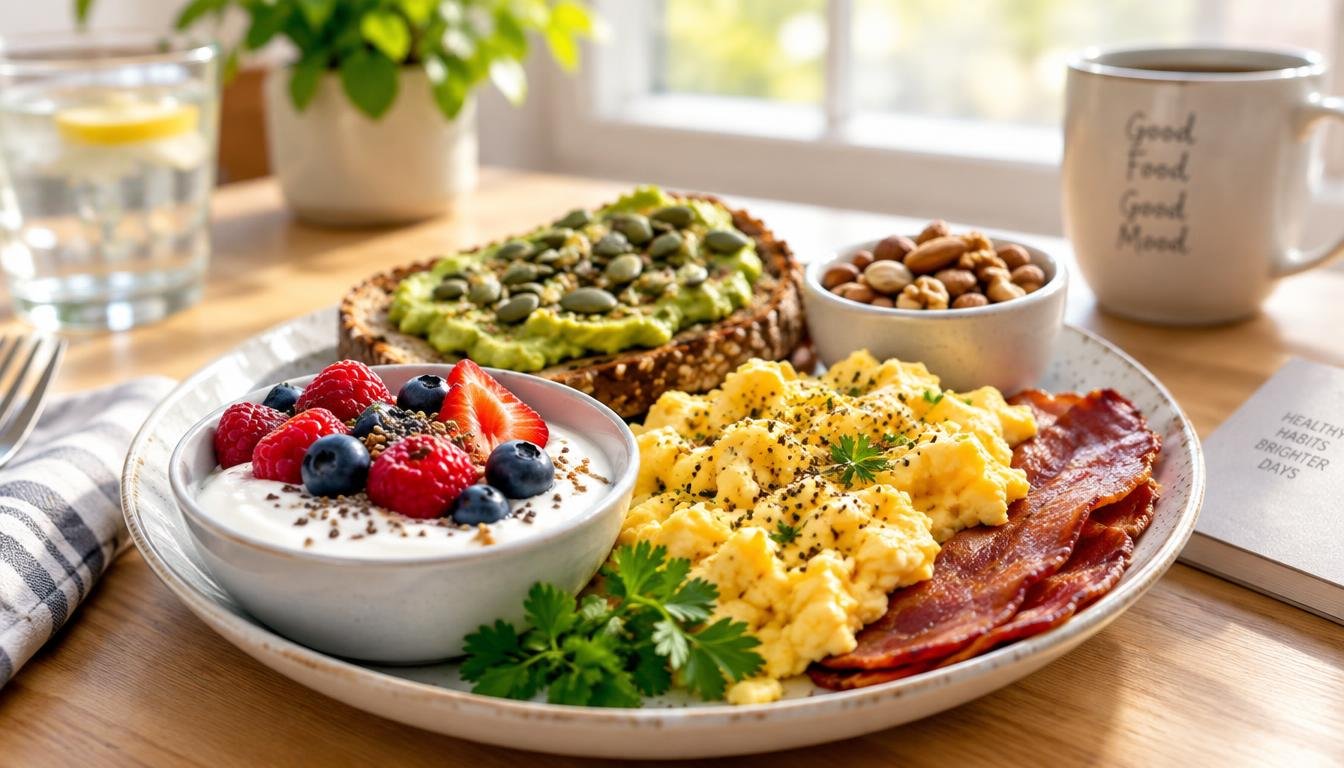
This go-to lineup has five breakfasts with at least 20 grams of protein, all ready in 15 minutes or less. Half are savory and half are sweet, so I never get bored.
Each recipe uses a simple formula: protein, healthy fat, fiber, and something green or colorful. Together, these foods keep my energy steady for hours. They form my personal rotation of high-protein diabetic breakfast options that tastes good.
1. Veggie and Egg White Scramble with Feta
This busy-weekday standby uses leftovers from the fridge, yet it never tastes boring.
Ingredients
- 6 egg whites (or 3 whole eggs plus 3 whites)
- 1/2 cup chopped bell pepper
- 1/2 cup chopped spinach
- 1/4 cup diced tomato
- 2 tablespoons crumbled feta cheese
- 1 teaspoon olive oil
- Salt and pepper to taste
Instructions
- Heat olive oil in a nonstick skillet over medium heat.
- Add bell pepper and cook for 2 minutes until softened.
- Stir in spinach and tomato, cooking until the spinach wilts.
- Pour in the egg whites and gently scramble until just set.
- Top with feta cheese and season with salt and pepper.
2. Greek Yogurt Parfait with Chia and Berries
When I want something sweet without the sugar crash, this parfait feels like dessert but behaves like a steady-energy breakfast.
Ingredients
- 1 cup plain Greek yogurt (0% or 2%)
- 1 tablespoon chia seeds
- 1/2 cup mixed berries (blueberries, raspberries)
- 1 tablespoon chopped walnuts
- Dash of cinnamon
Instructions
- Spoon half the yogurt into a glass or bowl.
- Sprinkle half the chia seeds and berries on top.
- Repeat with the remaining yogurt, chia, and berries.
- Finish with walnuts and a dash of cinnamon.
- Let it sit for 5 minutes so the chia seeds soften before eating.
3. Turkey Sausage and Spinach Breakfast Bowl
This hearty bowl feels like a diner breakfast without the usual blood sugar spike.
Ingredients
- 2 links turkey sausage, sliced
- 1 cup fresh spinach
- 1/2 avocado, sliced
- 1/4 cup black beans, rinsed
- 1 fried or poached egg
- Pinch of paprika
Instructions
- Cook turkey sausage slices in a skillet over medium heat until browned.
- Add spinach and cook until just wilted.
- Stir in black beans and warm through.
- Transfer to a bowl and top with avocado slices and the egg.
- Sprinkle with paprika before serving.
4. Cottage Cheese Pancakes with Almond Flour
These pancakes taste like a treat, while cottage cheese and almond flour provide most of the protein.
Ingredients
- 1/2 cup cottage cheese
- 2 eggs
- 1/4 cup almond flour
- 1/2 teaspoon baking powder
- 1/2 teaspoon vanilla extract
- 1/2 cup sliced strawberries for topping
Instructions
- Blend cottage cheese, eggs, almond flour, baking powder, and vanilla until smooth.
- Heat a lightly greased skillet over medium-low heat.
- Pour small rounds of batter onto the skillet.
- Cook for 2 to 3 minutes per side until golden.
- Top with sliced strawberries and serve warm.
5. Smoked Salmon and Avocado Toast on Low-Carb Bread
When I want an indulgent breakfast, this toast satisfies me without hurting my blood sugar goals.
Ingredients
- 1 slice low-carb or sprouted grain bread, toasted
- 2 ounces smoked salmon
- 1/4 avocado, mashed
- 1 teaspoon lemon juice
- Fresh dill and red pepper flakes to taste
Instructions
- Toast the bread until crisp.
- Mash avocado with lemon juice and spread it over the toast.
- Layer smoked salmon on top.
- Garnish with fresh dill and a pinch of red pepper flakes.
- Serve immediately for the best texture.
These five recipes rotate through my week without fail. They prove that high-protein diabetic breakfast options do not need to be complicated. Pick whichever matches your mood, and you will have steady energy either way.
Best Ingredients to Add to Your Morning Smoothie
I once thought smoothies were hidden sugar bombs. Then I learned to layer ingredients that support steady blood sugar, not a quick spike and crash. You do not need to avoid fruit completely.
On busy mornings, my blender makes a protein-rich breakfast for diabetes-friendly meal without a stove or skillet. I build each smoothie like a formula, not a random mix from my fridge.
Protein, fat, fiber, and greens—that’s the formula behind every blood sugar friendly smoothie.
This rule changed how I shop, prepare, and blend. Here is what I add to my glass each morning.
Protein Boosters
I start with protein because it turns a fruit smoothie into a real meal. Greek yogurt, unflavored protein powder, cottage cheese, and silken tofu blend smoothly without overpowering flavor.
Half a cup of plain Greek yogurt or one scoop of protein powder usually brings me near my 20-gram goal. Silken tofu is my favorite way to add creaminess without extra tang.
Healthy Fats
Fat keeps me full past 10 a.m., so I never skip it. A tablespoon of almond butter or a spoonful of chia seeds adds creaminess. Ground flaxseed and a few avocado slices also add creaminess while slowing how quickly sugar enters my bloodstream.
These ingredients make the smoothie richer and more satisfying, so I skip honey or syrup.
Fiber-Rich Additions
Fiber quietly supports the whole formula. Ground flaxseed and chia seeds count as both fat and fiber in one spoonful.
A handful of spinach or other leafy greens adds bulk and nutrients without noticeable sugar or flavor. The smoothie still tastes like berries, not salad, which is the point.
Low-Glycemic Fruits
Fruit adds natural sweetness, but different fruits affect my bloodstream differently. I choose berries—blueberries, raspberries, strawberries—because they have less sugar and more antioxidants than bananas or mangoes.
A half cup of frozen berries usually satisfies my sweet tooth without sending my glucose higher an hour later.
| Category | Best Picks | Why It Works |
|---|---|---|
| Protein Boosters | Greek yogurt, protein powder, silken tofu | Builds the base for a steady, filling breakfast |
| Healthy Fats | Almond butter, avocado, chia seeds | Slows digestion and extends fullness |
| Fiber-Rich Additions | Ground flaxseed, spinach, chia seeds | Adds bulk without spiking glucose |
| Low-Glycemic Fruits | Blueberries, raspberries, strawberries | Delivers sweetness with minimal sugar impact |
Once I learned this formula, blending became easy. Protein plus fat plus fiber plus a low-glycemic fruit makes a balanced smoothie every time. It is my go-to protein-rich breakfast for diabetes-friendly mornings on the fly.
Low-Carb High-Protein Morning Meals for Insulin Resistance
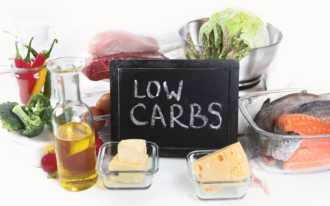
If you have insulin resistance or prediabetes, breakfast advice can feel confusing. Here is what I learned through trial and error: low-carb doesn’t mean no-carb. It means choosing protein and whole foods instead of refined, processed carbs that can send blood sugar soaring.
This shift makes low-carb high-protein morning meals effective for managing insulin resistance over time.
Protein Picks That Keep Blood Sugar Steady
I rely on a short list of proteins that work well. These choices are simple, affordable, and easy to rotate during busy weeks.
- Eggs – versatile, fast-cooking, and packed with complete protein
- Greek yogurt – creamy, probiotic-rich, and naturally low in carbs when unsweetened
- Cottage cheese – high in casein protein, which digests slowly
- Smoked salmon – offers protein plus heart-healthy omega-3 fats
- Turkey sausage – a leaner alternative to traditional breakfast meats
- Tofu – a plant-based option that soaks up flavor beautifully
Foods I Limit or Avoid at Breakfast
Diabetic educator Marie Schaafsma shaped how I choose breakfast foods. Her advice is not about banning foods forever. It is about spotting foods that raise blood sugar quickly and limiting them.
A few items stay on my “limit” list:
- Hash browns and home fries – starchy and often fried in inflammatory oils
- Processed breakfast meats – typically high in sodium and saturated fat
- Sugary cereals – especially when portions creep past the labeled serving size
- Syrups and sweet toppings – quick sources of pure sugar with little nutritional value
- Fruit juice – lacks the fiber that whole fruit provides, causing faster glucose spikes
None of these foods is permanently off-limits. I treat them as occasional additions, not daily staples. Instead, I choose eggs, non-starchy vegetables, and lean proteins more often to support steady energy.
Diabetic-Friendly Breakfast Swaps I Rely On
Over time, I learned small changes to familiar breakfast foods can improve my blood sugar throughout the morning. I kept the foods I love and chose smarter versions instead.
These swaps come from diabetes educators, including guidance shared by OSF HealthCare. Each one keeps my diabetic-friendly high-protein breakfast simple, satisfying, and steady for my blood sugar.
Swap White Bread for Sprouted Grain or Low-Carb Bread
Processing removes most of the fiber from white bread. That fiber helps slow how quickly sugar enters my bloodstream.
Sprouted grain and low-carb bread keep more natural fiber. I still enjoy toast or a sandwich, with steadier energy afterward.
Swap Sugary Yogurt for Plain Greek Yogurt
Flavored yogurts may look healthy, but many contain surprising amounts of added sugar. One cup can contain nearly as much sugar as a candy bar.
Plain Greek yogurt avoids that sugar crash. I stir in fresh berries or a sprinkle of cinnamon, and still get a creamy, protein-rich start to my day.
Swap Orange Juice for Whole Fruit
Juicing removes the fiber naturally found in fruit. Without fiber, sugar enters the bloodstream much faster.
Eating a whole orange or handful of berries gives me the same sweetness with a built-in brake. Fiber slows absorption and keeps my energy steadier for longer.
Swap Sugary Cereal for Protein Oats
Sugary cereal raises my blood sugar quickly, then drops it just as fast. That crash left me hungry and tired before 10 a.m.
Now I make oats and stir in a scoop of protein powder or spoonful of nut butter. This diabetic-friendly high-protein breakfast keeps my blood sugar steady and my energy consistent all morning.
| Old Choice | New Choice | Why It Helps |
|---|---|---|
| White bread | Sprouted grain bread | Keeps natural fiber that slows sugar absorption |
| Flavored yogurt | Plain Greek yogurt | Cuts hidden added sugars while adding more protein |
| Orange juice | Whole orange | Fiber slows how fast sugar enters the bloodstream |
| Sugary cereal | Protein oats | Pairs slow-digesting carbs with protein for lasting energy |
These swaps no longer feel like sacrifices. They are simple upgrades that make my diabetic-friendly high-protein breakfast work harder, one change at a time.
Meal Prep Tips for Stable Blood Sugar All Week
Every Sunday, my kitchen becomes a mini prep station, and my blood sugar benefits all week. A few hours of planning keeps high-protein blood sugar balancing breakfast recipes ready for rushed mornings.
I once skipped breakfast or grabbed whatever was fastest. That habit usually caused a sugar spike by 9 AM. Now, meal prep is a weekly must, and steady energy makes each minute worthwhile.
Batch Cook Proteins Ahead of Time
I begin each week by cooking proteins in a large batch. This step keeps me from choosing a carb-heavy breakfast because it seems faster.
- Hard-boiled eggs (I make a dozen at once)
- Turkey sausage patties, baked in the oven for easy portioning
- Shredded rotisserie or grilled chicken for savory bowls
I keep everything in clear fridge containers, so I can see what is ready. Within two minutes, I have a protein-rich breakfast without using the stove.
Pre-Portion Toppings and Add-Ins
Toppings can shape a blood sugar friendly breakfast, so I prepare those too. After shopping, I portion nuts, seeds, berries, and a little low-sugar granola into small containers.
“Preparation is the key to consistency, and consistency is the key to lasting results.”
This habit lets me build yogurt, oats, or smoothie bowls in seconds. I do not need to measure or guess portions on busy mornings.
Freeze Smoothie Packs for Busy Mornings
Smoothie packs are my favorite shortcut when mornings feel especially busy. I measure spinach, frozen berries, and protein powder into freezer bags, using one bag per serving.
- Fill a freezer bag with spinach, berries, and protein powder
- Label the bag with the date and seal it flat for easy stacking
- Store several bags in the freezer for grab-and-go mornings
When I am ready to eat, I pour the bag into a blender with milk or water. It takes under a minute and gives me a full high-protein breakfast without morning stress.
A little Sunday effort keeps my mornings calm and my blood sugar steady all week. These habits make high-protein blood sugar balancing breakfast recipes part of my routine.
Understanding Protein, Insulin Resistance, and Morning Energy
These blood sugar friendly breakfast ideas grew from years of adjusting my morning routine. Readers, friends, and my younger self often asked why breakfast felt risky. Here are the answers I wish someone had shared years ago.
How Much Protein Do I Really Need Each Morning?
Most research suggests 20 to 30+ grams of protein at breakfast, based on body size and activity level. Regular workouts or greater muscle mass may place you near the higher end.
The problem is that a typical American breakfast often provides far less. Cereal with milk, a bagel, or a muffin may provide only 5 to 8 grams. That gap can leave many people hungry again by mid-morning.
Can High-Protein Breakfasts Help With Insulin Resistance?
The science is encouraging for high-protein breakfasts and insulin resistance. Protein slows glucose entry into your bloodstream, so your body avoids releasing large insulin amounts at once.
These blood sugar friendly breakfast ideas may support better blood sugar management and regulate hunger and satiety hormones. Since making this switch, I’ve noticed fewer late-night cravings.
Still, bodies respond differently. If you manage insulin resistance or diabetes, work with your doctor or a registered dietitian to personalize your plan.
A carb-heavy breakfast causes a rapid glucose rise, followed by an equally rapid crash, often described as feeling “hangry” by mid-morning.

Why I No Longer Crash by 10 AM?
I once depended on the 10 a.m. coffee break because I needed it. My hands shook, my brain grew foggy, and hunger hit, even after breakfast two hours earlier.
These blood sugar friendly breakfast ideas focus on protein-rich mornings. Switching to them changed everything. My energy stays level instead of spiking and crashing, and I reach lunch without desperate snacks.
| Breakfast Type | Glucose Response | Energy by 10 AM | Hunger Level |
|---|---|---|---|
| Cereal and Juice | Sharp spike, then crash | Low, foggy | High, cravings appear |
| Toast with Jam | Quick rise, quick drop | Shaky, low focus | Hungry within 2 hours |
| Protein-Rich Breakfast | Gradual, steady rise | Stable, alert | Satisfied until lunch |
Conclusion
Building a balanced breakfast for stable blood sugar does not require perfection each morning. Show up for yourself with protein, fiber, and healthy fats most days.
I once thought I needed a complex plan to feel steady before noon. A few go-to recipes and simple swaps made a major difference. My energy stopped crashing, my cravings eased, and mornings felt manageable.
You do not need to overhaul your entire routine this week. Choose one recipe from this list.
Try one swap, such as trading sugary cereal for protein oats or orange juice for whole fruit. That simple step can begin real change.
A balanced breakfast for stable blood sugar is within reach. You need no fancy ingredients or hours in the kitchen, only intention and consistency.
Give yourself grace while learning what works best for your body. Some mornings will feel smoother than others, and that is okay. Keep choosing meals that support how you want to feel.
Here is to calmer mornings, steadier energy, and breakfasts that help create a better day.