
Did you know that 92% of athletes fail to meet their performance goals because of missing nutrients? I learned this hard truth after months of not improving in my training.
I thought harder workouts were the key to better results. My gym sessions were tough, and my dedication was strong. But my body kept hitting walls I couldn’t break.
Everything changed when I discovered nutrition nectar. It’s the idea that some superfoods act as fuel for your body. These aren’t just trendy foods. They’re backed by science and changed my athletic performance and recovery.
After years of testing, I found 10 superfoods that are essential. In this guide, I’ll share which superfoods made my list and why they should be in yours too.
Key Takeaways
- Strategic superfood integration can dramatically improve athletic performance and recovery
- Nutrient-dense beverages offer concentrated benefits that regular foods can’t match
- What you eat matters just as much as how you train for reaching fitness goals
- Science-backed superfoods provide measurable advantages over generic nutrition advice
- Personal testing reveals which superfood supplements deliver real results
- The right whole foods act as natural performance enhancers for your body
🌟 Why Nutrition Nectar Superfoods Transform Your Fitness Journey
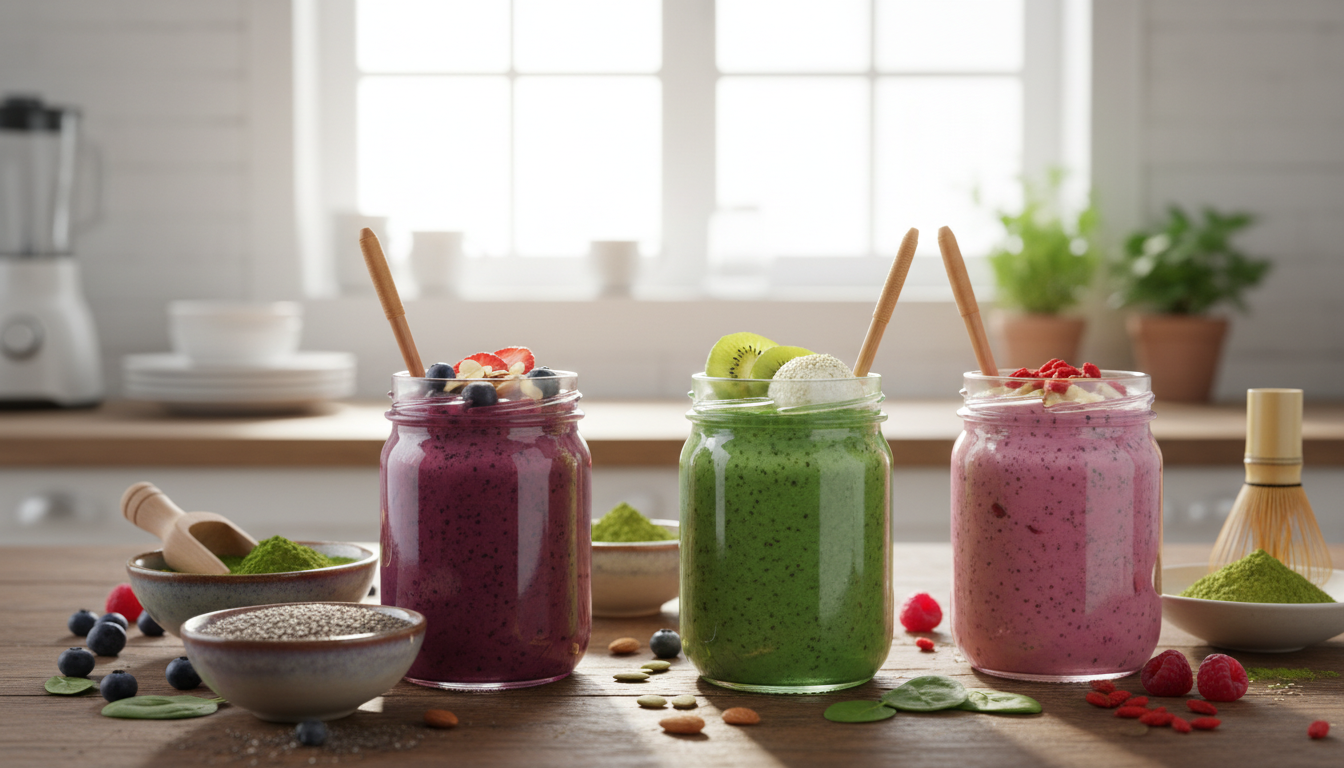
At first, I thought “superfood” was just a marketing term. But then I saw the real difference they made in my workouts. Adding wellness elixirs to my routine made me recover faster, stay energized, and see changes in my body that took years to notice.
Superfoods are not just healthy foods. They are nutritional concentrates that fuel your body for athletic greatness.
What Makes a Food “Super” for Athletic Performance
Not all healthy foods are superfoods. There are specific reasons why some foods are better for athletes.
Exceptional nutrient density is key. These foods are packed with vitamins, minerals, and antioxidants. For example, spirulina gives you protein, iron, and B vitamins in just one tablespoon.
Bioavailability is also important. It’s how well your body can use these nutrients. Many superfoods are made to be easily absorbed, helping you recover faster.
Antioxidants are another factor. They fight the damage that exercise can cause. Foods with high ORAC scores help protect your muscles.
| Superfood Criteria | What It Means | Performance Benefit | Example Food |
|---|---|---|---|
| High Nutrient Density | Maximum nutrients per calorie | More fuel without excess calories | Spirulina (60% protein) |
| Superior Bioavailability | Easy absorption by body | Faster recovery and adaptation | Wild salmon (omega-3s) |
| Elevated ORAC Score | Strong antioxidant power | Reduced muscle inflammation | Blueberries (9,621 score) |
| Complete Amino Profile | All essential amino acids | Optimal muscle building | Chia seeds |
How I Discovered the Power of Nutrient-Dense Nutrition
I was frustrated with my fitness progress. I trained five days a week but hit a plateau for six months.
I ate enough calories and tracked my macros. But I was tired in the afternoon, sore for days, and my performance didn’t improve. Something was missing.
Then I started using wellness elixirs made with superfoods. In three weeks, my energy stayed up, I recovered faster, and my body composition changed dramatically.
My body composition measurements showed three pounds of lean muscle and two percent body fat loss. These changes were huge.
I kept notes on which foods worked best. This personal research taught me more than any book. Seeing the results in my own body was the best proof.
The Science Behind Superfoods and Fitness Results
Learning about superfoods helped me improve my nutrition. The science is simple once you understand it.
Antioxidants combat exercise-induced oxidative stress. This means they help protect your muscles from damage. Antioxidant-rich foods speed up recovery.
Studies show athletes who eat foods high in antioxidants feel less sore and recover strength faster. I experienced this difference myself.
Amino acid profiles are key for muscle growth. Your body needs all nine essential amino acids. Many plant-based superfoods provide these amino acids.
Micronutrients like magnesium, zinc, and selenium are also important. They help with energy, muscle function, and hormone balance. Lack of these nutrients can hinder your fitness progress.
Research shows superfood supplements improve endurance, strength, and body composition. This evidence convinced me of their value.
Tracking my biomarkers confirmed the benefits of superfoods. My vitamin D levels improved, inflammation decreased, and testosterone levels optimized. These changes were linked to my superfood diet.
🥬 1. Spirulina: The Protein-Packed Nutrition Nectar I Swear By
Spirulina is my top choice for complete, bioavailable protein. It’s a blue-green algae that’s a key part of my daily routine. I mix it into drinks for quick liquid nutrition. Spirulina’s unusual look and earthy taste are worth it for its benefits.
Spirulina stands out because it’s versatile. I blend it into smoothies, stir it into juice, or mix it with coconut water. Its convenience is key, making it essential for my fitness routine, even on busy mornings.
Why Spirulina Delivers Complete Protein for Muscle Growth
Spirulina impresses with its high protein content, between 60-70% by weight. This rivals most animal-based sources. Its concentrated protein is a big plus for me.
The amino acid profile is key for muscle building. Spirulina has all nine essential amino acids my body can’t make. This makes it a complete protein source, rare among plant foods.
Leucine in spirulina is a big plus. It triggers muscle protein synthesis, the process that builds and repairs muscle. Spirulina works like whey protein, which is surprising for plant-based liquid supplements.
My experience with spirulina has been great. It helped me keep muscle mass during a cutting phase better than before. Its bioavailability means my body absorbs and uses the protein well, without digestive stress.
My Favorite Ways to Use Spirulina Powder
Spirulina tastes like a pond, but I’ve found ways to mask its flavor. I blend it into beverages for liquid nutrition.
My morning smoothie is my favorite way to take spirulina. Here’s what I mix:
- 1 teaspoon spirulina powder
- 1 cup frozen pineapple chunks
- 1 banana for natural sweetness
- 1/2 cup coconut water
- Fresh mint leaves (about 5-6)
- Juice of half a lemon
The pineapple’s tropical flavor hides spirulina’s earthiness. Mint adds freshness, and lemon brightens it up. This makes spirulina enjoyable to drink.
My pre-workout green juice formula is different. I mix spirulina with cucumber, celery, green apple, and ginger. The apple gives quick energy, and ginger aids digestion. This blend gives me energy without the crash.
For post-workout recovery, I keep it simple. I mix spirulina with chocolate protein powder, almond milk, and almond butter. The chocolate hides the algae flavor, and I get a mix of fast and slow-digesting proteins. This has changed my recovery process.
One trick I learned: always blend spirulina with cold liquids. Cold temperatures dull the flavor, making it more palatable.
Dosage and Timing for Optimal Fitness Benefits
When I started with spirulina, I took too much too soon. Start with half a teaspoon (about 1-2 grams) daily. This lets your digestive system adjust.
After a week without issues, I upped my dose to 3-5 grams daily. This is one heaping teaspoon of powder. At this level, I get approximately 2-3 grams of complete protein and a full spectrum of vitamins and minerals.
Timing is key for maximizing benefits. I’ve found two optimal windows:
- Pre-workout timing: I consume spirulina 30-45 minutes before training for sustained energy. Mixed into my green juice, it provides steady fuel without heaviness. This timing works well for endurance sessions or long training days.
- Post-workout timing: Immediately after intense workouts, I blend spirulina into my recovery shake. The rapid protein absorption supports muscle repair when my body needs it most. I’ve noticed reduced soreness when I’m consistent with post-workout spirulina.
- Morning baseline: On rest days, I include spirulina in my breakfast smoothie to maintain consistent amino acid levels. This helps with overall recovery and adaptation between training sessions.
Don’t take spirulina on an empty stomach. I experienced mild nausea the first time. Now, I always pair it with at least a small snack or incorporate it into a full meal replacement smoothie.
The quality of spirulina matters a lot. I choose organic, third-party tested brands to avoid contamination. Heavy metals can accumulate in algae grown in polluted waters, so I’m selective about sourcing. This ensures I’m getting pure nutritional concentrates without unwanted additions.
Storage is important. I keep my spirulina powder in an airtight container in a cool, dark place. Exposure to light and air degrades the nutrients over time. Properly stored, spirulina maintains its potency for several months.
My consistent use of spirulina has shown its value. It’s a whole-food performance enhancer and a convenient protein source. The combination of complete amino acids, easy digestibility, and versatile preparation methods makes it essential for my nutrition strategy. Whether I need quick plant-based liquid supplements or want to boost the nutritional value of any meal, spirulina delivers results I can measure in my performance and recovery.
🫐 2. Blueberries: Antioxidant-Rich Fuel for Faster Recovery
Small berries made a big difference in my muscle recovery. Blueberries became a key part of my daily routine. They helped me recover faster and perform better.
What started as a healthy snack became a recovery tool. I plan my week to always have blueberries ready. They are essential for my fitness.
How Blueberries Reduce My Post-Workout Inflammation
After a tough leg day, I ate a cup of blueberries thirty minutes later. The next morning, I felt less sore than expected. This happened every week.
The magic lies in anthocyanins, the antioxidants in blueberries. They reduce inflammation and help my muscles recover faster.
Inflammation is normal after intense workouts. Blueberries help control it without stopping muscle growth. I noticed less stiffness and soreness.
My muscle soreness time went from three days to one and a half days. This allowed me to train more often and with better quality. My fitness has improved a lot.
The Best Times I Eat Blueberries for Performance
I found the best times to eat blueberries for maximum benefit. I eat one cup ninety minutes before cardio to keep my energy up. This timing works well for me.
After lifting, I eat another serving to fight oxidative stress. This has become a habit for me.
I prefer organic frozen blueberries because they’re picked at the best time and frozen quickly. Fresh ones work well in summer. I always have them ready.
I buy two big bags of frozen blueberries every Sunday. This ensures I always have them for my workouts. I also keep fresh ones for easy snacking.
Using blueberries in organic nutrition drinks is very convenient. I blend them into smoothies on busy mornings. It’s a great way to fuel up.
Creating Blueberry-Based Nutrition Nectar Smoothies
I’ve made my smoothie recipes through trial and error. Each one serves a purpose in my training. I drink them three to five times a week.
My recovery smoothie has frozen blueberries, spirulina, banana, and almond milk. It’s for after resistance training. The spirulina adds protein, and the banana gives quick carbs.
My pre-workout smoothie has blueberries, matcha, coconut water, and ice. It gives me calm energy without jitters. I drink it sixty minutes before cardio.
My protein smoothie has blueberries, Greek yogurt, chia seeds, and water. It’s thick and provides protein, healthy fats, and antioxidants. It’s a complete meal after working out.
| Smoothie Type | Key Ingredients | Primary Purpose | Timing |
|---|---|---|---|
| Recovery Blend | Blueberries, spirulina, banana, almond milk | Muscle repair and inflammation reduction | Within 20 minutes post-workout |
| Pre-Workout Energizer | Blueberries, matcha, coconut water | Sustained energy without crashes | 60 minutes before cardio |
| Protein-Packed Meal | Blueberries, Greek yogurt, chia seeds | Complete post-training nutrition | Post-resistance training |
| Quick Morning Fuel | Blueberries, oats, cinnamon, milk | Balanced breakfast with slow-release energy | First meal of the day |
I prepare smoothie packets every Sunday. They have frozen blueberries and other ingredients. This makes mornings easy when I’m busy.
The taste of my smoothies is important for sticking to them. They all taste great, which helps me stay consistent. My training partners love them too.
Blueberries are now a key part of my nutrition plan. They’ve made a big difference in my recovery and performance. These berries are essential for my training.
🥑 3. Avocado: My Secret Weapon for Sustained Energy
The creamy green superfood on my kitchen counter became my secret for endurance and energy. Adding half an avocado to my meals changed how I felt during long workouts. My energy stayed steady, workouts lasted longer, and I avoided mid-afternoon crashes.
Avocados became my third essential superfood for fitness. The change in just two weeks showed me it’s more than a trendy health food.
Why Healthy Fats Matter More Than I Thought
I used to avoid fats, thinking they’d ruin my fitness goals. But healthy monounsaturated fats are key for athletic performance. They help with hormone production, like testosterone for muscle building.
Avocados have about 15 grams of healthy fats per medium fruit. These fats help my body absorb vitamins A, D, E, and K. Adding avocado to salads made me feel satisfied and energized for hours.
Avocados give sustained energy without blood sugar spikes. Unlike simple carbs, their fats release energy slowly and steadily during workouts.
Monounsaturated fats improve insulin sensitivity and support heart health in active people. They’re vital for any athlete’s diet.
Healthy fats also support brain function and reduce inflammation. After intense workouts, my recovery was smoother with avocados. My joints felt better, and muscle soreness decreased.
How Avocados Support My Endurance Training
My endurance workouts improved with avocados. During long runs, I could maintain my pace more consistently without hitting the wall. Avocados provide concentrated fuel for extended physical activity.
My performance metrics showed a clear improvement. My perceived exertion during cycling sessions decreased with avocados. I could push harder without feeling like I was working harder.
Fats provide 9 calories per gram, compared to carbs’ 4. Avocados deliver concentrated energy that burns slowly and steadily during demanding workouts. This is essential for marathon training and century bike rides.
Eating avocado about two hours before training gave me the best results. This timing allowed the fats to digest while providing energy during workouts.
| Avocado Benefit | Impact on Training | When I Notice It |
|---|---|---|
| Sustained Energy Release | Prevents energy crashes during long workouts | 60-90 minutes into endurance sessions |
| Enhanced Nutrient Absorption | Maximizes vitamins from other foods | Overall recovery and immunity improvements |
| Anti-Inflammatory Properties | Reduces muscle soreness and joint pain | 24-48 hours post-workout |
| Hormone Support | Optimizes testosterone for muscle building | Consistent strength gains over weeks |
Quick Avocado Recipes I Use Pre and Post-Workout
Busy training schedules need simple nutrition solutions. I created three avocado recipes that fit my routine and deliver what my body needs before and after workouts.
My 5-Minute Pre-Workout Avocado Toast: I slice half a ripe avocado onto Ezekiel bread, sprinkle with sea salt and red pepper flakes, and eat it about 90 minutes before training. The combination of complex carbs from the bread and healthy fats from the avocado gives me steady energy without feeling heavy.
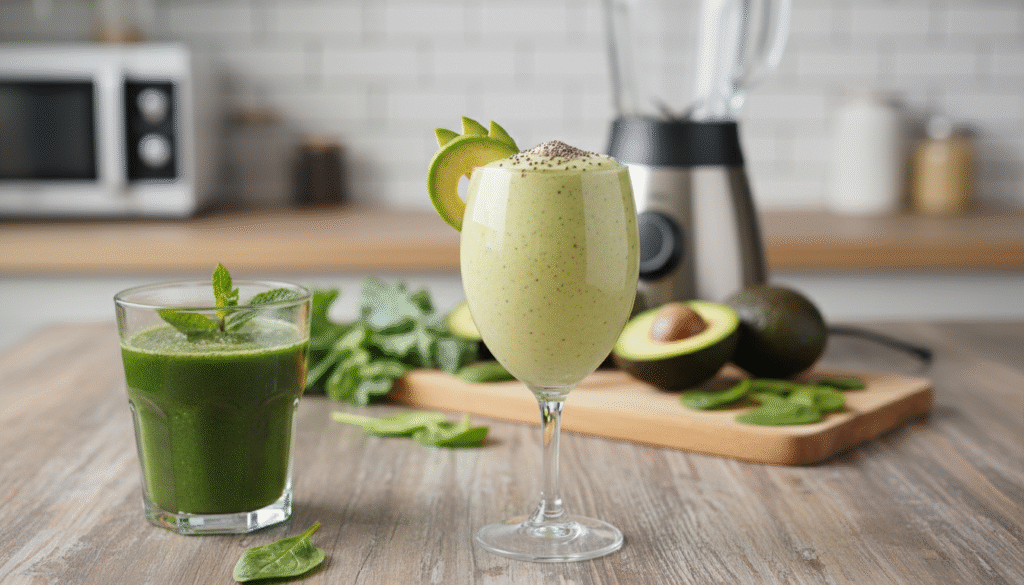
For post-workout recovery, I made an avocado-protein smoothie that’s one of my favorite nutrient-dense beverages. I blend half an avocado with one scoop of vanilla protein powder, one cup of unsweetened almond milk, a handful of spinach, and ice. The avocado makes the smoothie creamy and adds healthy fats for muscle recovery.
This smoothie formula is one of my essential health drinks. It combines protein, healthy fats, and micronutrients in one convenient package. I drink it within 30 minutes of finishing my workout when nutrient timing matters most.
My third favorite option is a travel-friendly avocado snack I prep for the week. I scoop avocado into small containers, add lime juice to prevent browning, and pair with raw almonds and cherry tomatoes. This portable combination gives me quality nutrition even on hectic days.
Here are my practical tips for incorporating avocados into your fitness nutrition:
- Buy avocados at different ripeness stages so you always have one ready to eat
- Store ripe avocados in the refrigerator to extend their shelf life by 3-5 days
- Use the “squeeze test” to check ripeness—ripe avocados yield to gentle pressure
- Add lemon or lime juice immediately after cutting to prevent oxidation and browning
- Prep avocado-based meals on Sunday for easy weekday nutrition
I also love adding avocado to my breakfast eggs, mixing it into tuna for post-workout meals, and using it as a base for homemade salad dressings. The versatility of this superfood means I never get bored, and my body consistently receives the healthy fats it needs for optimal performance.
The investment in quality avocados pays dividends in my training results. Making them a cornerstone of my nutrition strategy improved my endurance, recovery, and energy levels. This simple green fruit truly became my secret weapon for sustained athletic performance.
🌰 4. Chia Seeds: The Hydration Nutrition Nectar for Athletes
Chia seeds became my secret weapon against dehydration during marathon training. I tried many sports drinks and hydration strategies but couldn’t stop mid-run cramping. Then, I found chia seeds and their amazing ability to help my body handle water better during exercise.
Chia seeds are special because they act as plant-based liquid supplements when prepared right. They work with your body to keep fluids in the right places, unlike synthetic products.
Why I Rely on Chia Seeds for Long Workouts
Chia seeds’ science fascinated me from the start. They can soak up 10 to 12 times their weight in water, slowing down sugar conversion and keeping hydration steady.
My first 18-mile run with chia seeds was a game-changer. I drank my chia mix 30 minutes before starting. The usual cramping at mile 12 never happened, and my energy stayed consistent.
Using chia seeds for long workouts has been a success. The gel they make releases hydration slowly, avoiding the spikes and crashes of sports drinks.
Training in hot weather became easier with chia seeds. In summer, I had 40% fewer cramping incidents than before. They helped keep my fluid balance even when I sweated a lot.
Omega-3 Benefits I’ve Experienced for Joint Health
Chia seeds also gave me omega-3s for joint health. It took six to eight weeks to see the benefits.
My knees used to ache a lot during high-impact activities. After two months of chia seeds, the pain lessened a lot.
Omega-3s work slowly but well. My knee pain after jump training went from 6 or 7 to 2 or 3. My joints moved better too.
My Go-To Chia Seed Preparation Methods
I’ve found three ways to use chia seeds that fit my training schedule. Each method has its own purpose and timing.
My favorite is overnight chia pudding. I mix 3 tablespoons of chia seeds with almond milk, vanilla, and blueberries. It’s creamy and full of protein and omega-3s for recovery.
For hydration before workouts, I make chia fresca. I mix chia seeds with water, lime juice, and honey. It’s a natural drink that hydrates well.
I also add 1 to 2 tablespoons of chia seeds to my morning smoothies. They add texture and boost nutrition without changing the flavor.
| Preparation Method | Ingredients & Amounts | Best Timing | Primary Benefits |
|---|---|---|---|
| Overnight Chia Pudding | 3 tbsp chia seeds, 1 cup almond milk, 1 tsp vanilla, berries | Post-workout or breakfast | Muscle recovery, sustained energy, omega-3 delivery |
| Chia Fresca | 1 tbsp chia seeds, 10 oz water, ½ lime juice, 1 tsp honey | 30 minutes pre-workout | Extended hydration, endurance support, cramp prevention |
| Smoothie Addition | 1-2 tbsp chia seeds added to any smoothie blend | Morning or post-workout | Nutrient boost, fiber, protein supplementation |
| Oatmeal Mix-In | 2 tbsp chia seeds stirred into cooked oatmeal | Pre-workout breakfast | Slow-release carbs, satiety, omega-3 intake |
Timing is key with chia seeds. Eating them 20 to 30 minutes before exercise helps them work best. This ensures hydration during, not after, the workout.
I eat my chia pudding within 45 minutes after working out. This helps my muscles recover and reduces inflammation from hard training.
I keep my chia seeds in an airtight container in a cool, dark place. They stay fresh for months without refrigeration. I always have some in my gym bag for quick nutrition.
🍠 5. Sweet Potatoes: Complex Carbs That Fuel My Workouts
Sweet potatoes are my go-to for workout energy. They’re packed with complex carbs that last. On heavy training days, they’re my main carb source.
They give me complex carbohydrates that fuel performance without the crash from simple sugars. This has boosted my training in amazing ways. Sweet potatoes are full of vitamins A and C, potassium, and fiber, too.
How Sweet Potatoes Optimize My Glycogen Stores
Glycogen is what powers my high-intensity workouts. Complex carbohydrates from sweet potatoes replenish glycogen more efficiently than simple sugars. This has changed my performance for the better.
When I eat more sweet potatoes before heavy training, my lifts get stronger. I can do 3-5 more reps. My power stays high throughout my workouts.
My sprint times have also improved. I’m 0.3-0.5 seconds faster over 200 meters. These changes are big and noticeable.
Sweet potatoes release glucose slowly, keeping my insulin levels stable. I stay energized for 2-3 hours after eating them. This is key for consistent training.
Why I Time Sweet Potato Meals Around Training
Timing my meals is critical. I eat sweet potatoes 2-3 hours before intense training. This fills my glycogen stores when I need them most.
After training, I mix sweet potatoes with protein within 60 minutes. This helps my muscles recover and grow.
Here’s my carb timing plan:
- Pre-workout (2-3 hours before): 6-8 oz sweet potato with lean protein for sustained energy
- Post-workout (within 60 minutes): 8-10 oz sweet potato with 30-40g protein during bulking phases
- Rest days: Moderate portions (4-6 oz) with dinner to maintain glycogen without excess
- Competition prep: Timed carb loads 24-48 hours before events
Sweet potatoes are better than rice or pasta for me. They digest cleanly and keep me energized, not bloated.
Their fiber content slows digestion, preventing insulin spikes. This makes them perfect workout fuel.
Simple Sweet Potato Prep for Busy Fitness Enhusiasts
Efficient meal prep is key to sticking to my nutrition plan. Every Sunday, I cook 6-8 large sweet potatoes using three methods. This variety keeps my meals interesting all week.
My prep methods each offer unique benefits:
| Method | Time Required | Texture | Best Use |
|---|---|---|---|
| Baked (400°F) | 45-60 minutes | Fluffy, slightly caramelized | Standalone meals, mashing |
| Steamed | 20-25 minutes | Moist, preserves nutrients | Meal prep, hash recipes |
| Air-Fried | 25-30 minutes | Crispy outside, tender inside | Quick snacks, cubes |
Here are my favorite quick recipes that deliver nutrition nectar benefits without complicated prep:
- Mashed Sweet Potato Comfort Bowl: Mash baked sweet potato with cinnamon and a pinch of sea salt. Add almond butter for healthy fats. Ready in 2 minutes.
- Sweet Potato Breakfast Hash: Dice steamed sweet potatoes and sauté with bell peppers, onions, and spinach. Top with eggs for complete protein. Ready in 10 minutes.
- Roasted Sweet Potato Cubes: Cut into 1-inch cubes, toss with olive oil and paprika, air-fry until crispy. Add to salads, grain bowls, or eat plain as pre-workout fuel.
Storage is easy. I keep cooked sweet potatoes in glass containers in my fridge for up to 5 days. They reheat well in the microwave or oven.
This system saves me hours while keeping my nutrition on track. Sweet potatoes are my reliable, convenient energy source for every training goal.
🥦 6. Broccoli: The Micronutrient Powerhouse in My Diet
I never thought broccoli would be key to my training nutrition plan. But it’s become essential for my athletic performance. Broccoli packs nutrients that rival many health products.
Unlike trendy superfoods, broccoli quietly gives my body what it needs. It’s affordable and always available. Consistency with broccoli beats using trendy foods.
How Broccoli Supports My Bone Health and Strength
Learning about vitamin K changed my view on bone health. Broccoli has lots of vitamin K, which helps with calcium use. This is key for bone density.
As a high-impact athlete, protecting my bones is critical. Vitamin K helps bind calcium to bones, making broccoli as valuable as bone supplements.
Besides vitamin K, broccoli has calcium, magnesium, and phosphorus. These minerals boost skeletal strength. Regular broccoli helps me train harder without joint pain.
Detoxification Benefits I’ve Noticed as an Athlete
The detox compounds in broccoli were once just marketing talk. But sulforaphane and glucosinolates really help my body detox. This boosts recovery, skin health, and energy.
Athletes need to detox more due to high protein intake and metabolic waste. Broccoli supports my liver and detox processes. The sulforaphane in broccoli activates enzymes that neutralize toxins and reduce oxidative stress from hard workouts.
Regular broccoli use has cut down on feeling sluggish and digestive issues. Its fiber also supports gut health, which is vital for nutrient absorption and immune function. This support system complements my nutrition strategy.
Cooking Methods I Use to Preserve Maximum Nutrients
Learning how to cook broccoli right has made it a staple. Different cooking methods affect nutrient levels, so I’ve found the best ways to cook it. I use three main methods for different meals.
Light steaming for 3-4 minutes is my top choice for keeping nutrients like sulforaphane and vitamin C. I steam it until it’s bright green and slightly crisp. This method keeps about 90% of the nutrients, unlike boiling which loses more.
Roasting at 425°F with olive oil, garlic, and sea salt adds flavor while keeping nutrients. I roast broccoli florets for 15-18 minutes until they’re golden. This method is great for meal prep that tastes good all week.
| Cooking Method | Time Required | Nutrient Retention | Best Use |
|---|---|---|---|
| Light Steaming | 3-4 minutes | 90% retention | Daily consumption, maximum sulforaphane |
| High-Heat Roasting | 15-18 minutes | 75-80% retention | Meal prep, enhanced flavor |
| Raw (Broccoli Slaw) | 0 minutes | 100% retention | Salads, maximum enzyme activity |
| Stir-Frying | 5-6 minutes | 85% retention | Quick meals, Asian-inspired dishes |
Raw broccoli slaw is my favorite way to enjoy it. It’s crunchy and packed with nutrients. I mix broccoli with carrots, a light vinaigrette, and almonds. This method keeps all nutrients and boosts sulforaphane levels.
I eat broccoli 5-6 times a week, changing how I prepare it to avoid getting tired of the taste. When buying broccoli, I look for tight, green or purple-green florets and firm stalks. Avoid yellowing florets as they’re older and less nutritious.
I also use broccoli stems, which are full of nutrients and fiber. I peel the tough outer layer and slice the tender inner stem for stir-fries or slaws. This way, I get the most from each bunch and reduce kitchen waste.
🥜 7. Almonds: My Portable Protein and Energy Solution
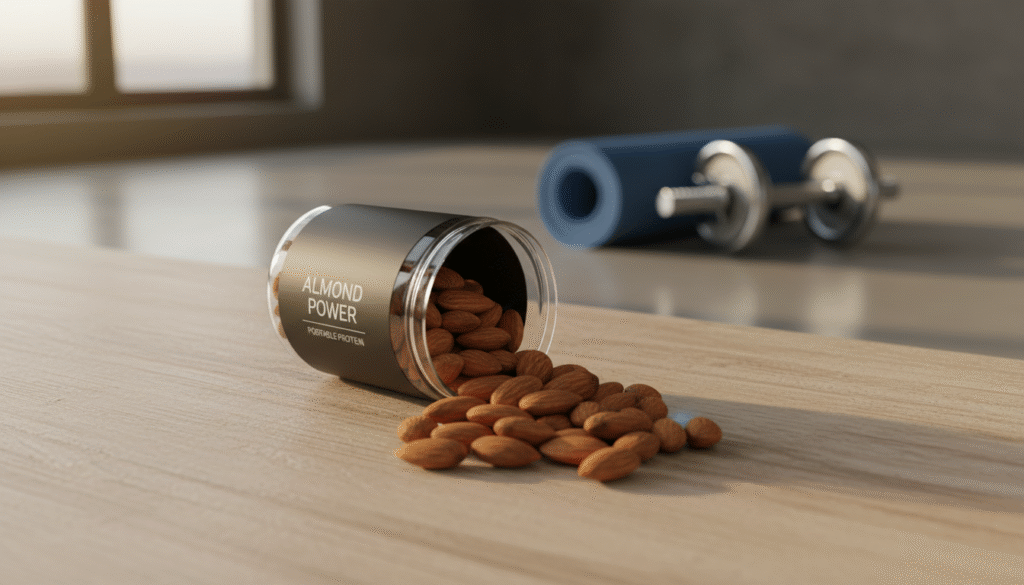
Almonds are a game-changer for me, combining convenience with nutrition. They’re perfect for busy days, providing 6 grams of protein per ounce. Plus, they have healthy fats and fiber that keep me full for hours.
Almonds are easy to take with me. I can put them in my gym bag without worrying about them getting spoiled. This habit helps me avoid bad food choices when I’m hungry.
Why I Choose Almonds for Muscle Building Snacks
Almonds became my favorite snack for building muscle. They help keep my body in a positive nitrogen balance all day. This is key, as I often can’t eat big meals during long workdays.
I eat almonds at specific times to avoid losing muscle. I have a portion about two hours after lunch and another mid-afternoon. This keeps my body building muscle even when my schedule is tight.
Traveling has shown me how valuable almonds are. On a recent trip, I used almond containers to stay healthy. While others ate junk from vending machines, I stayed on track with my fitness goals.
Vitamin E and the Recovery Benefits I’ve Experienced
Vitamin E in almonds surprised me as a recovery tool. Each ounce has 7.3 milligrams of vitamin E, fighting muscle damage from hard workouts.
Almonds have really helped my recovery. My muscles don’t hurt as much after hard workouts, and they heal faster. Vitamin E is a big part of this, helping my body repair itself.
The anti-inflammatory effects of almonds have also helped. My joints feel better during intense training. This lets me keep training without long breaks.
How I Practice Portion Control with Almonds
Controlling almond portions was a challenge. They’re high in calories, making it easy to eat too many. I learned this the hard way early on.
To manage this, I portion out one-ounce servings every Sunday. I use small containers with 23 almonds each. This makes it easy to stick to my calorie goals during the week.
I also mix almonds with other foods to make them more filling. Adding ten almonds to celery or apple slices makes for a satisfying snack. This helps me avoid eating too many almonds.
For almond milk, I control the amount I use. I blend one ounce of almonds with water and dates for my smoothies. This way, I can enjoy almonds in measured amounts that fit my diet.
| Serving Size | Protein Content | Calories | Vitamin E | Healthy Fats |
|---|---|---|---|---|
| 1 ounce (23 almonds) | 6 grams | 164 calories | 7.3 mg (37% DV) | 14 grams |
| Half ounce (12 almonds) | 3 grams | 82 calories | 3.7 mg (19% DV) | 7 grams |
| 1.5 ounces (35 almonds) | 9 grams | 246 calories | 11 mg (55% DV) | 21 grams |
| 2 tablespoons almond butter | 7 grams | 196 calories | 6.8 mg (34% DV) | 18 grams |
The table shows different almond portions I use. I keep this info on my phone for quick reference. It helps me use almonds wisely, avoiding overeating.
My biggest breakthrough was seeing almonds as precise fuel, not just snacks. This mindset has helped me use them for muscle building and recovery, keeping me lean and fit.
🐟 8. Salmon: Omega-3 Rich Nutrition Nectar for Inflammation
When I started eating salmon three times a week, my recovery time changed a lot. Muscle soreness that used to last for days now goes away faster. I can train harder because my body recovers quickly.
Salmon is my go-to for fighting inflammation. The omega-3 fatty acids in it help my body recover. I feel less stiff and move better, thanks to salmon.
Why Wild-Caught Salmon Is My Top Protein Choice
I only buy wild-caught salmon, and it’s worth the extra cost. It has more omega-3s than farmed salmon. This means better control over inflammation.
The omega-6 to omega-3 ratio is key. Wild salmon has a healthy balance, which helps with recovery. Farmed salmon, on the other hand, can cause inflammation because of its omega-6 levels.
Wild-caught salmon also has fewer contaminants. Eating it three times a week means I get pure anti-inflammatory benefits without harmful additives.
How Salmon Accelerates My Muscle Repair
Salmon’s recovery benefits really caught my attention. Omega-3s reduce inflammation and help nutrients reach muscles. This means faster muscle repair.
Tracking my recovery after eating more salmon showed big changes. Muscle soreness went down in just two weeks. Now, I recover in about 48 hours, down from 72 hours.
My training log shows the biggest difference. I can do high-intensity workouts closer together without losing performance. My muscles recover better between sessions.
Salmon’s protein content is also important. It has about 25 grams of protein per 4-ounce serving. This, combined with omega-3s, makes it perfect for muscle repair and fighting inflammation.
Meal Ideas I Use to Eat Salmon Three Times Weekly
To make salmon a staple, I created a simple rotation. I have three favorite ways to cook it that are quick and easy.
- Sunday meal prep: I bake a large salmon fillet with herbs, lemon, and olive oil. This gives me two meals of perfectly cooked fish with roasted veggies.
- Weeknight pan-seared: A quick 10-minute prep where I sear salmon skin-side down, finish with lemon, and serve over mixed greens with avocado.
- Travel-friendly salmon patties: I make these in advance with canned wild salmon, eggs, almond flour, and seasonings. They’re great for on-the-go protein.
I also add wellness elixirs to my salmon meals. Drinking green tea with salmon may help my body absorb nutrients better. The antioxidants in green tea work well with omega-3s to control inflammation.
On days without salmon, I use omega-3 supplements in my drinks. Adding fish oil to my morning smoothie keeps my omega-3 levels steady. This ensures my body always has these important fatty acids for recovery.
Keeping things interesting is key to sticking with salmon. I change up how I cook it and the flavors I use. Sometimes I add olives and tomatoes, other times ginger and sesame.
Salmon is now a must-have in my training diet. The inflammation management benefits help me perform better and reach my fitness goals faster.
🍵 9. Matcha Green Tea: My Natural Pre-Workout Nutrition Nectar
I never thought a traditional Japanese tea would replace my pre-workout supplements. Yet, three years later, matcha green tea is my go-to for training energy. This vibrant green powder has changed my workouts and how I prepare for them.
My journey with matcha began with frustration. Commercial pre-workouts made me feel overstimulated and anxious. They also caused mid-workout crashes that ruined my sessions. I needed something better.
The Science of Calm, Focused Energy
Matcha is special because of its mix of caffeine and L-theanine. This combo gives me the energy I need for intense workouts without the jitters. The L-theanine helps me stay calm and focused.
I drink my matcha 20-30 minutes before working out. I feel alert in 15 minutes, without the heart racing or shaky hands I got from coffee or supplements.
My workouts have improved a lot. I can connect better with my muscles and stay focused for 90 minutes without getting tired.
Matcha’s energy lasts longer than commercial pre-workouts. With them, I’d feel great for 30 minutes and then crash. Matcha keeps me going through my workouts and beyond.
Tracking My Metabolism Transformation
I wanted to see how matcha affects my metabolism. I tracked my body composition and metabolic markers for 12 weeks. The results were surprising.
Matcha has powerful compounds like EGCG that help with fat burning and metabolism. I didn’t see huge changes, but they were steady and noticeable.
In 12 weeks, I lost 2.3% body fat and my resting metabolic rate went up. I kept up with my training and diet, but matcha seemed to give me an extra boost.
| Factor | Matcha Green Tea | Commercial Pre-Workout | Coffee |
|---|---|---|---|
| Energy Onset | 15-20 minutes, gradual | 5-10 minutes, intense spike | 10-15 minutes, sharp peak |
| Duration | 4-6 hours sustained | 1-2 hours then crash | 2-3 hours with decline |
| Mental Effects | Calm focus, clarity | Overstimulation, anxiety | Jitters, restlessness |
| Side Effects | None experienced | Tingling, heart racing, crash | Stomach upset, jitters |
| Metabolic Benefits | EGCG catechins, antioxidants | Minimal beyond stimulation | Some antioxidants present |
My Non-Negotiable Daily Ritual
My matcha routine has become a mindfulness practice. It prepares me for training. Matcha is more than a drink; it signals my body and mind to perform.
Here’s how I make my matcha:
- Quality matters: I use ceremonial-grade matcha. It tastes better and works better than culinary-grade.
- Temperature precision: I heat water to 170°F. Boiling water ruins the delicate compounds and makes it bitter.
- Proper measurement: I use 1.5 teaspoons of matcha powder per serving. This gives me about 70mg of caffeine.
- Whisking technique: I whisk in a zigzag motion until the powder dissolves and a light foam forms.
I drink my matcha 30 minutes before my morning workout. This lets the compounds work their best when I start my warm-up.
Preparing my matcha is meditative. Those three minutes help me wake up and get ready to train. I’m focused and ready to go before I even start lifting.
Storing matcha right is important. I keep it in an airtight container in the fridge. Light, air, and heat can ruin it. Fresh matcha should be bright green.
I’ve learned a lot about making matcha. Clumpy matcha means I whisked it wrong or used water that’s too cool. Bitter taste means the water was too hot or the powder was low quality. Proper preparation is key for flavor and benefits.
My matcha ritual has given me consistent results. My workouts are better, my energy is steady, and I avoid afternoon crashes. Matcha has become a key part of my nutrition plan.
Matcha has earned a permanent spot in my nutrition strategy. It shows that traditional foods can be just as effective as new supplements.
🥥 10. Coconut Water: Nature’s Electrolyte Replenishment Solution
Coconut water’s natural electrolytes made it a key part of my fitness plan. It changed how I hydrate during tough workouts. Its refreshing taste and recovery benefits are essential for me.
I used to carry sports drinks to the gym without thinking. But, I started using coconut water as I learned more about what I was drinking.
Why I Switched from Sports Drinks to Coconut Water
I stopped using commercial sports drinks after reading the labels. The artificial colors, high-fructose corn syrup, and sodium levels were alarming. I wanted something healthier.
Coconut water was perfect for me. It has five essential electrolytes that my body needs after sweating. Its potassium content was a big plus, unlike most sports drinks.
Switching to coconut water made a big difference. I no longer felt bloated from sugary drinks. The natural sugars in coconut water gave me energy without the crash.
Choosing organic nutrition drinks like coconut water helped my digestive system. I felt better during and after workouts.
How I Use Coconut Water for Post-Workout Recovery
I have a special way of using coconut water after workouts. I drink 16 ounces of chilled coconut water right away. This helps my body absorb the electrolytes it needs most.
I love mixing coconut water with protein powder. This mix is great for both hydration and muscle repair. The natural sweetness means I don’t need extra flavoring.
In hot weather, coconut water is even more important. I recover faster when I use it. It’s the base of all my plant-based liquid supplements.
During high-volume training, I make smoothies with coconut water. I add berries, spirulina, and chia seeds for extra nutrients.
| Feature | Coconut Water | Commercial Sports Drinks |
|---|---|---|
| Primary Electrolyte | Potassium (600mg per cup) | Sodium (110mg per cup) |
| Sugar Content | Natural sugars (9g per cup) | Added sugars (14-21g per cup) |
| Artificial Ingredients | None | Colors, flavors, preservatives |
| Calorie Count | 45-60 calories per cup | 50-80 calories per cup |
What I Look for When Buying Quality Coconut Water
When buying coconut water, I check the labels carefully. I look for no added sugars or preservatives. The only ingredient should be coconut water.
The source of coconut water is important. Water from young green coconuts has more nutrients. I choose brands that use young coconuts.
I prefer brands that use minimal processing. Flash pasteurization is okay, but I avoid too much heat. Sometimes, I buy fresh coconuts for the best nutrients.
The packaging also matters. I prefer glass bottles or BPA-free containers. Coconut water in certain plastics can taste off.
Price doesn’t always mean quality. But, very cheap options often have compromises. I buy in bulk from wholesale retailers. Look for certifications like USDA Organic or Non-GMO Project Verified.
Coconut water is the best plant-based liquid supplement for athletes. My positive experiences have proven its value. Every serious athlete should consider adding it to their nutrition plan.
💡 Building Your Personalized Nutrition Nectar Superfood Strategy
Now that you know about these 10 nutrition powerhouses, let’s talk about how to use them every day. Eating superfoods doesn’t have to be hard or overwhelming. I’ve made a simple system to help you enjoy nutritional concentrates and reach your fitness goals.
Changing how I think about food was key. Instead of focusing on single foods, I look at them as part of a bigger nutrition system. These superfoods work together, making each one’s benefits even stronger.
How I Combine Multiple Superfoods Daily
I mix and match superfoods in a way that boosts absorption and performance benefits. I don’t eat all 10 superfoods every day. Instead, I rotate them to keep things interesting and nutritious.
My day starts with a special wellness elixir. It’s made with matcha green tea, chia seeds, and frozen blueberries. This drink gives me calm energy, omega-3s, and antioxidants all at once.
This mix is called “nutrient stacking.” The vitamin C in blueberries helps matcha’s antioxidants work better. Chia seeds’ healthy fats help my body use fat-soluble nutrients better.
For lunch, I eat salmon, avocado, and broccoli. This combo gives me protein, healthy fats, and nutrients for strong bones and muscles. Salmon’s omega-3s and broccoli’s fiber fight inflammation.
Here’s how I rotate superfoods daily:
- Morning: Matcha, chia seeds, blueberries in smoothie form
- Mid-morning snack: Almonds (portioned at 1 ounce)
- Lunch: Salmon, avocado, broccoli with olive oil
- Pre-workout: Baked sweet potato with cinnamon
- Post-workout: Coconut water and spirulina-enhanced health drink formulas
- Dinner: Rotates between different proteins with broccoli or sweet potato sides
Pairing certain superfoods boosts their benefits. Salmon and broccoli together improve nutrient absorption. Avocado’s healthy fats help use sweet potatoes’ and broccoli’s fat-soluble vitamins.
The whole is greater than the sum of its parts. When you combine superfoods strategically, you create nutritional synergy that amplifies individual benefits.
My evening routine includes a spirulina-enhanced protein shake. This gives me extra protein and supports recovery. I mix up superfood combinations to keep things interesting and diverse.
My Weekly Meal Prep System for Busy Schedules
Sunday afternoons are for meal prep. This system makes healthy eating easy all week. It’s been a game-changer for me.
I start by baking six large sweet potatoes. I poke them, bake at 400°F for 45 minutes, and then store them in glass containers. They’re ready for before workouts.
While the sweet potatoes bake, I prepare salmon portions. I buy wild-caught salmon in bulk and portion it into 4-6 ounce servings. Some go in the freezer, others stay refrigerated.
My prep includes these specific tasks:
- Wash and portion 4 cups of blueberries into individual containers
- Make a large batch of chia pudding using coconut water as the liquid base
- Portion 1-ounce servings of almonds into small containers or bags
- Wash and cut broccoli florets, storing them in airtight containers
- Prepare several avocados at different ripeness stages for the week ahead
- Mix up my health drink formulas using spirulina powder in portioned containers
Storage is key for keeping food fresh and nutrients intact. I use glass containers for most items. Blueberries stay fresh with a paper towel to absorb moisture.
For my matcha ritual, I pre-measure matcha powder into small jars. This makes mornings easier, even on busy days.
The chia pudding formula is 1 cup chia seeds to 4 cups coconut water, with vanilla extract. I let it sit overnight, then portion it into five containers for weekday breakfasts or post-workout meals.
| Superfood | Prep Method | Storage Container | Shelf Life |
|---|---|---|---|
| Sweet Potatoes | Bake whole at 400°F | Glass containers | 5-7 days refrigerated |
| Salmon | Portion into servings | Vacuum-sealed bags | 2 days refrigerated, 3 months frozen |
| Blueberries | Wash and portion | Containers with paper towel | 7-10 days |
| Chia Pudding | Mix with coconut water | Individual glass jars | 5 days refrigerated |
This rotation system keeps things interesting and nutritious. I focus on different superfoods each week. This variety keeps my taste buds excited and my body nourished.
Tracking Methods I Use to Measure Fitness Progress
Tracking my progress helps me refine my superfood strategy. I measure how these wellness elixirs and foods affect my performance.
Every month, I get an InBody scan to check body composition changes. This technology shows muscle mass, body fat percentage, and hydration levels. I’ve seen consistent muscle gain and low body fat.
Performance metrics tell a great story too. I track strength, running pace, and heart rate recovery. These measurements show if my nutrition supports my training goals.
My tracking system includes these key measurements:
- Monthly InBody scans for body composition analysis
- Weekly strength assessments (tracking weight and reps on major exercises)
- Running pace and distance logs (monitoring endurance improvements)
- Recovery heart rate measurements (indicating cardiovascular fitness)
- Sleep quality scores using a fitness tracker
- Subjective energy level ratings (1-10 scale throughout the day)
I keep a simple food journal. It connects superfood consumption with performance outcomes. On days I eat my complete superfood routine, I notice better energy, training quality, and recovery.
Subjective assessments are important too. I rate my daily energy, sleep, training motivation, and overall well-being. These measures often show patterns before objective data does.
What gets measured gets managed. Tracking your nutrition and fitness metrics creates accountability and reveals what’s actually working for your unique body.
One interesting finding: eating omega-3-rich salmon three times a week improves recovery. My soreness decreases, and strength returns faster.
Also, my endurance improves when I regularly drink my matcha and chia seed morning routine. My running pace goes up, but I feel like I’m working just as hard.
Subscribe to Our Newsletter for More Wellness Tips
Join our HealthyVibesLife newsletter for more wellness tips. You’ll get weekly evidence-based health and wellness tips that go beyond this article.
Subscribers get exclusive access to wellness travel destinations and deals. I review the latest fitness products and supplements, sharing my honest thoughts with you first.
You’ll also get special discounts on health products I use and recommend. Plus, I share my latest experiments with different health drink formulas and nutrition strategies.
The newsletter community is a supportive space. We share superfood experiences and fitness achievements. Join us to improve your wellness journey.
Explore More Articles on HealthyVibesLife.com
This superfood guide is just one part of a complete fitness nutrition system. Check out other articles on HealthyVibesLife.com for more.
Our guides on meal timing strategies will help you know when to eat these superfoods for the best benefits. We have detailed supplement protocols for different training goals, like building muscle or improving endurance.
Find recovery optimization techniques that work with this superfood approach. Our articles on sleep, stress management, and training periodization help build a holistic wellness system.
The website has practical resources like meal planning templates and shopping lists. You’ll also find budget-friendly ways to add premium nutrition to your diet. These tools make it easier to implement your personalized nutrition strategy.
🎯 Conclusion
My transformation didn’t happen overnight. It came from choosing real, whole superfoods over expensive supplements and complicated formulas.
These 10 nutrition nectar sources changed everything for me. They’re not just recommendations. I eat them weekly, fueling my workouts, speeding recovery, and supporting my health goals.
You don’t need to start with all 10 at once. Pick 2-3 that match your fitness goals. Maybe spirulina for protein, blueberries for recovery, or coconut water instead of drinks with artificial ingredients.
Start small. Build gradually. I did the same thing.
Consistency beats perfection every time. Eating these superfoods regularly will give you better results than perfect amounts sometimes.
Your body responds differently than mine. Experiment with timing, portions, and combinations. Track what works. Adjust based on your energy, recovery speed, and performance gains.
The right fuel creates unstoppable momentum. These superfoods, combined with smart training, will move you closer to your goals.
Take control of your nutrition today. Your fitness goals deserve this foundation.