

Have you noticed that meals you once enjoyed now leave you bloated, tired, or uncomfortable? You are not imagining this change.
As we age, our digestive system changes, so familiar foods may suddenly feel hard to handle. Small food changes can make a real difference.
I spent months testing gut healing foods and recipes for digestion that feel gentle but taste great. These seven dishes helped me feel lighter, less bloated, and more energetic.
These are not bland meals. They include flavorful soups, creamy smoothies, and hearty bowls that support your gut.
A healthy stomach means more than avoiding discomfort. It connects with your immune system, mood, and sleep.
Changing your habits does not mean starving or giving up foods you love. Choose simpler options that work with your body.
Key Takeaways
- Digestive changes are a normal part of aging, but simple dietary adjustments can ease discomfort.
- You don’t need to give up real food or follow extreme diets to support your stomach health.
- Seven easy, flavorful recipes can help reduce bloating and improve how you feel after meals.
- A balanced digestive system plays a role in immunity, mood, and overall energy levels.
- Small, consistent changes often make a bigger impact than drastic diet overhauls.
- These recipes are designed to be simple, tasty, and sustainable for everyday life.
How Gut Health Affects Your Immunity and Mood
Your gut health shapes immunity and mood because much of your immune system lives in your gut lining. Your gut bacteria also produce chemicals that help regulate your feelings. This connection, called the gut-brain axis, means a troubled gut can make you feel anxious, foggy, or “off.”
When inflammation builds up in my gut, I notice fatigue and a cloudy mind first. That is why I choose anti-inflammatory foods for gut health, including leafy greens, ginger, and fermented veggies, to calm inflammation.
“The gut isn’t just mission control for digestion. It dictates how we feel physically, mentally and emotionally,” says Dr. Freeman, pointing to a healthy gut-brain axis as a way to help reduce anxiety.
As CenterWell explains, the gut microbiome is a community of bacteria that aids digestion and immune function. Foods rich in fiber and good bacteria support digestion, immunity, and mental health at once. Simple swaps, including anti-inflammatory foods for gut health, can change how I feel each day.
Probiotics vs. Prebiotics: What Your Gut Needs Most
I’ll admit it: probiotics and prebiotics confused me for a long time. They sound almost alike, but they do different jobs in your digestive system. Once I learned the difference, creating probiotic rich recipes for digestive wellness felt easy.
What Probiotics Do for Your Digestive System
Probiotics are living, helpful bacteria that support smooth digestion. Yogurt, kefir, and other fermented foods are reliable sources.
Look for products labeled with “live and active cultures”, according to Hartford Healthcare’s Dr. Wu. She also says kefir “offers a wider variety of probiotics… great for nurturing a diverse gut ecosystem.”
I eat these foods after finishing a round of antibiotics. They help restore bacteria that medication can remove.
What Prebiotics Do to Feed Your Good Bacteria
Prebiotics work differently. They are fiber your body cannot fully digest, but gut bacteria use it for fuel. Garlic, asparagus, leeks, oats, and apples all provide this fuel.
“Probiotics and prebiotics are live bacteria and yeasts that benefit your gut’s bacterial environment, which strengthens the gut barrier, regulates immune responses, and influences the gut-brain axis.”
This support matters even more for inflammatory conditions like Crohn’s disease. I think of prebiotics as fertilizer for the good bacteria already living inside you. Pairing probiotics and prebiotics gives your gut its strongest defense.
| Feature | Probiotics | Prebiotics |
|---|---|---|
| What They Are | Live beneficial bacteria | Non-digestible fiber |
| Food Sources | Yogurt, kefir, fermented foods | Garlic, asparagus, leeks, oats, apples |
| Main Job | Adds good bacteria to your gut | Feeds the bacteria already there |
| Best For | Recovering after antibiotics | Maintaining long-term bacterial balance |
My Favorite Gut Healing Foods and Recipes for Digestion
If you looked inside my fridge today, you would see jars of sauerkraut, kefir, and ginger root.
These foods are not random grocery choices. Each supports smooth digestion and helps keep my energy steady.
Over time, I learned which gut healing foods and recipes for digestion work for me, beyond social media trends.
Fermented foods lead my list. Yogurt with live cultures, kimchi, sauerkraut, miso, and kombucha provide probiotics that refill my gut with helpful bacteria.
Fiber-rich staples matter just as much. Oats, beans, lentils, and flaxseed or chia seeds act as prebiotics, feeding the bacteria already in my gut.
I also choose leafy greens and lean proteins to support my gut lining. Hydrating fruits, such as apples, add natural fiber and help digestion move comfortably.
Ginger and turmeric appear in many dishes I make. Both contain anti-inflammatory compounds that calm digestive discomfort before it begins.
Bone broth earns a permanent place in my freezer. Its collagen and amino acids help soothe and repair my gut lining from the inside out.
This is my everyday rotation:
- Yogurt and kefir for daily probiotics
- Sauerkraut, kimchi, and miso for fermented variety
- Oats, beans, and legumes for steady fiber
- Flaxseed and chia seeds stirred into almost anything
- Ginger and turmeric for anti-inflammatory support
- Bone broth simmering on slow days
Stocking these staples made preparing gut healing foods and recipes for digestion feel less like a chore and more like second nature.
Next, I will explain why bone broth deserves its own spotlight. Then, I will share the seven simple recipes I turn to most.
Bone Broth Benefits for Intestinal Repair
Of every gut-healing food I’ve tried, bone broth remains the one I cannot live without. It’s simple, affordable, and surprisingly powerful for digestion. I began drinking it when my stomach felt off, and I never looked back.
The real magic lies in its collagen and gelatin content. Bones simmered for hours release these compounds into the liquid. Many believe they may coat and soothe the gut lining, explaining bone broth benefits for intestinal repair.
Bone broth also contains amino acids like glycine and glutamine. These amino acids may support the body’s natural repair work in the intestinal wall. They are not exotic ingredients; they come from slow-cooked bones, herbs, and a little patience.
I love how gentle and warming bone broth feels as I drink it. It is easy to digest, making it ideal for anyone with a sensitive stomach. It also suits people recovering from a rough digestive day.
| Component | Source | Potential Gut Benefit |
|---|---|---|
| Collagen | Animal bones and connective tissue | May support and coat the gut lining |
| Gelatin | Broken-down collagen during slow cooking | Helps create a soothing, easy-to-digest texture |
| Glycine | Amino acid released from collagen | Supports tissue repair processes |
| Glutamine | Amino acid found in broth | May aid intestinal cell maintenance |
I make a large batch each week and sip it warm throughout the day. It also becomes the base for one of my favorite recipes. I will share the Bone Broth Vegetable Soup next.
7 Simple Recipes Loaded with Fiber and Fermented Foods
I gathered seven favorite recipes with fiber and fermented foods without spending hours in the kitchen. Each dish supports gut health by feeding good bacteria, calming inflammation, or aiding regular digestion.
I rotate these recipes through my week because they are easy to prepare and gentle on sensitive stomachs. This list offers fiber-rich meals for digestive system support, one simple dish at a time. These fiber rich meals for digestive system support make a useful starter toolkit.
Slow-Cooked Bone Broth Vegetable Soup
This soup comforts me whenever my stomach feels upset. Bone broth provides collagen and gelatin to support the intestinal lining.
I simmer carrots, celery, and zucchini in the broth for soothing soluble fiber. I also add root vegetables, leafy greens, and garlic cloves.
Everything cooks slowly for a couple of hours until tender. I make a large batch Sunday and freeze single portions. Reheating takes only minutes during busy weeks.
Probiotic Greek Yogurt Parfait with Berries
Greek yogurt with live, active cultures delivers probiotics to your gut. These helpful bacteria support microbiome balance, digestion, and immune function.
I layer plain Greek yogurt with blueberries and raspberries. Then I add ground flaxseed or granola for extra texture and fiber.
Berries provide natural sweetness, so I rarely add sugar. I prepare mine in a mason jar the night before for an easy breakfast.
Kimchi Fried Rice Bowl
Kimchi is my favorite fermented food because it supports both gut and immune health.
“Kimchi is a gut and immune system double threat… pick varieties with low added sugar… incorporate into rice bowls.”
I choose kimchi with low added sugar, then stir it into day-old brown rice. I add scrambled eggs, scallions, and a splash of sesame oil.
Fermentation creates probiotics that support balance, while brown rice adds fiber. This bowl comes together in under fifteen minutes for an easy weeknight meal.
Turmeric Ginger Anti-Inflammatory Smoothie
Ginger and turmeric are soothing ingredients for your daily routine. Dr. Freeman says both herbs can calm digestive discomfort, which I have also noticed.
I blend fresh ginger, turmeric, frozen banana, almond butter, and unsweetened almond milk. A pinch of black pepper helps your body absorb turmeric.
This smoothie is my choice after a heavy meal. Its anti-inflammatory compounds seem to calm my tender stomach quickly.
Fiber-Packed Chia Seed Pudding
Chia seeds are small but rich in fiber and omega-3 fatty acids. Two tablespoons can help keep digestion regular.
I stir chia seeds into unsweetened almond milk with vanilla and maple syrup. After sitting overnight, the mixture thickens into pudding.
In the morning, I add fresh fruit or cinnamon. I also mix chia seeds into yogurt or salads for an easy fiber boost.
Sauerkraut and Avocado Toast
Sauerkraut makes an unexpected toast topping. Fermentation fills it with bacteria that support gut health.
“Sauerkraut has tons of gut-supporting bacteria, just watch sodium… don’t limit it to hotdogs.”
I spread mashed avocado over whole-grain toast, then add a generous spoonful of sauerkraut. Red pepper flakes finish the toast, while tangy sauerkraut balances creamy avocado.
I choose low-sodium varieties because excess salt can work against gut health goals.
Slow-Cooked Lentil and Root Vegetable Stew
Lentils appear on fiber-focused food lists for good reason. Dr. Freeman names lentils, oats, brown rice, chia seeds, and dark leafy greens as top fiber sources.
I combine lentils with carrots, parsnips, and kale in broth. The vegetables and lentils simmer slowly until soft, while cumin and smoked paprika add flavor.
This stew freezes well, so I make a double batch. It provides a filling, gut-friendly meal throughout the week.
Common Foods That Trigger Bloating (and What to Eat Instead)
I once thought bloating was something I had to accept after meals. Paying attention showed me a clear pattern. Some foods left me feeling puffy and uncomfortable, while others caused no problems.
I learned to spot these triggers and replace them with gentler anti-inflammatory foods for gut health. These changes improved how I felt each day.
Everyday Foods That Cause Bloating
Some major bloating triggers hide in plain sight on our plates. Fried, high-fat foods slow digestion and may raise the risk of heartburn. Spicy foods and acidic ingredients can irritate digestion, causing reflux and uncomfortable fullness.
Too much caffeine can have the same effect, especially on an empty stomach. Added sugars may disrupt the balance between good and bad gut bacteria. Dairy also matters because people may become more sensitive as they age.
- Fried and high-fat foods
- Spicy or acidic dishes
- Excess caffeine
- Foods high in added sugar
- Dairy products
Gentle Swaps That Keep Your Gut Happy
I do not believe in strict elimination diets. Small, realistic swaps can help without feeling like punishment. They keep meals satisfying while giving your gut a needed break.
- Bake instead of fry to cut down on excess fat and ease digestion.
- Sip herbal tea instead of reaching for a third cup of coffee.
- Choose naturally sweet fruit when a sugar craving hits.
- Try lactose-free or plant-based options if dairy feels heavy on your stomach.
- Season with mild herbs instead of heavy spice blends.
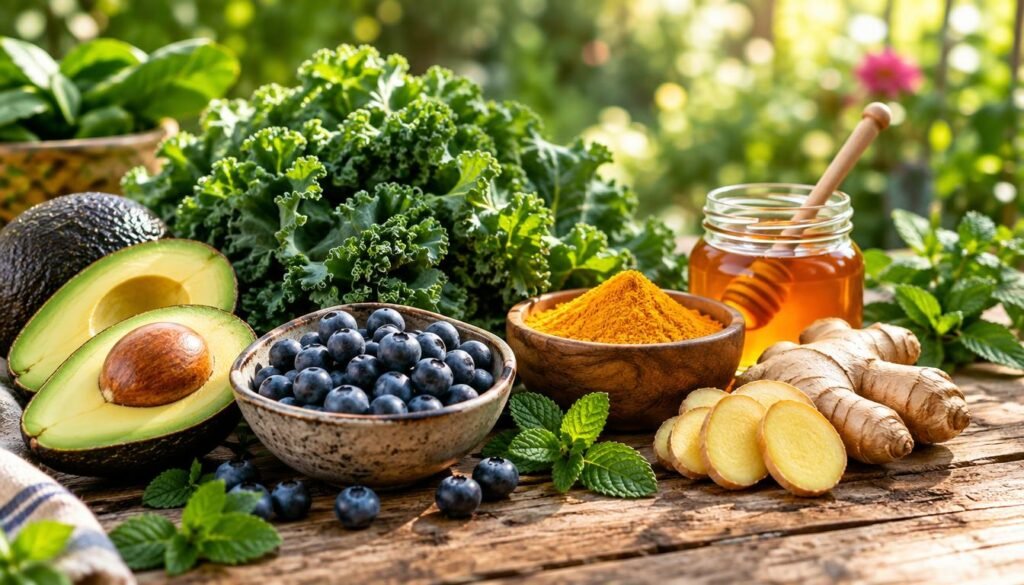
These simple swaps helped me enjoy meals without fearing an uncomfortable afternoon. Over time, anti-inflammatory foods for gut health can support a calmer, happier gut.
Building a Leaky Gut Healing Meal Plan for Everyday Life
After months of trial and error, I created a leaky gut healing meal plan that fits my busy schedule. It uses a simple structure I can repeat each week.
I borrowed ideas from Dr. Freeman’s seven-day gut reset, featured in the New York Post. Her plan begins with whole foods on day one, then adds hydration, probiotics, prebiotics, fiber, and better sleep.
I now start mornings with warm oatmeal topped with chia seeds, or a mug of bone broth instead of sugary cereal. This small swap gives my gut lining something soothing to work with from the start.
At lunch, I add one fermented or prebiotic food—sauerkraut, kimchi, or a scoop of yogurt—to my meal. This easy habit feeds my gut bacteria without extra effort or planning.
Staying hydrated matters as much as the food I eat. I aim for 64 ounces of water daily, following Dr. Freeman’s advice. Proper hydration helps fiber move smoothly through my digestive tract.
Dinner stays light and early in my routine. CenterWell recommends eating smaller meals throughout the day instead of three large ones. So I now eat gut-friendly snacks between meals.
I also avoid lying down right after eating. I give my body at least two hours to digest before bed. This leaky gut healing meal plan focuses on steady, gentle habits instead of perfection.
Soothing Recipes and Habits for Irritable Bowel Syndrome Relief
IBS can turn simple moments, like eating lunch with friends, into sources of anxiety. Unpredictable cramps, bloating, and urgency can take over an entire day.
That is why I rely on soothing recipes for irritable bowel syndrome that calm my gut instead of upsetting it.
Herbs can make a real difference. Ginger, turmeric, and peppermint often support digestive care for good reason.
“Herbs like ginger, turmeric, even peppermint, which is something that we use in irritable bowel [disease],” notes Dr. Freeman.
I steep peppermint tea after dinner, stir fresh ginger into warm broths, and add turmeric to rice or soup. These small additions feel gentle on my sensitive stomach.
During flares, I keep meals simple. Smooth pumpkin soup, a mellow banana-oat smoothie, or steamed vegetables with rice are gentle choices. I avoid spicy, greasy, or demanding foods.
Daily habits matter as much as food. CenterWell’s lifestyle guidance matches what helps me feel steadier each day.
| Habit | Why It Helps |
|---|---|
| Smaller, frequent meals | Eases pressure on digestion and reduces bloating |
| Staying hydrated | Supports smoother movement through the gut |
| Short walks after eating | Encourages digestion without overexertion |
| Avoiding lying down right after meals | Reduces reflux and discomfort |
Pairing these habits with gentle, soothing recipes for irritable bowel syndrome makes flare-ups easier and less scary.
Fermented Foods That Restore Your Gut Microbiome Naturally
When antibiotics or stress disrupt my digestion, I choose fermented foods to restore gut microbiome balance naturally. They add helpful bacteria that support recovery and a healthier gut.
Kefir is one of my favorite choices. According to Dr. Wu at Hartford Healthcare, kefir “offers a wider variety of probiotics… great for nurturing a diverse gut ecosystem.”
I also add miso to soups and marinades. This powerful ingredient provides probiotics, prebiotics, and anti-inflammatory benefits in one spoonful.
Kombucha is another easy addition to my week. It provides probiotics without the added sugar found in many sodas or juices.
Sauerkraut and kimchi deserve attention because I use them in several recipes. Sauerkraut provides gut-supporting bacteria, but I watch its sodium closely. Kimchi supports both gut and immune health.
“If you’ve been on antibiotics, they have likely altered your gut flora, so these foods are even more important to replenish your microbiome.”
Dr. Wu also reminds me that long-term consistency matters more than a single serving.
Here is a quick comparison of fermented foods to restore gut microbiome health. It shows what each food adds to your gut health routine:
| Fermented Food | Key Benefit | Watch Out For |
|---|---|---|
| Kefir | Wide variety of probiotic strains | Choose unsweetened versions |
| Miso | Probiotics, prebiotics, anti-inflammatory | High sodium in some brands |
| Kombucha | Probiotics without added sugar | Caffeine from tea base |
| Sauerkraut | Rich in gut bacteria | Sodium content |
| Kimchi | Supports gut and immune health | Spice level and sodium |
I do not eat all these foods every day. Adding one or two fermented foods to my meals each week has improved how my gut feels over time.
Prebiotic Foods That Keep Your Gut Bacteria Balanced
If probiotics are seeds in your gut, prebiotics are soil that helps them grow. Without that fuel, even a probiotic-rich meal may not help much over time.
I see prebiotic foods for gut bacteria balance as digestion’s quiet workhorses. They get less attention than yogurt or kimchi, yet they feed the helpful bacteria that make those foods effective.
My daily staples are simple ingredients I already keep in my kitchen.
- Garlic, onions, and leeks add natural fiber that feeds beneficial bacteria with every stir-fry.
- Asparagus brings similar plant fiber that supports a diverse gut community.
- Oats contain beta-glucan, a prebiotic fuel that also helps steady blood sugar.
- Apples deliver pectin that supports gut diversity—I always leave the skin on.
- Beans and legumes offer fiber and resistant starch, two excellent prebiotic sources.
- Chia and flaxseeds help build bulk and support digestive balance in smoothies or oatmeal.
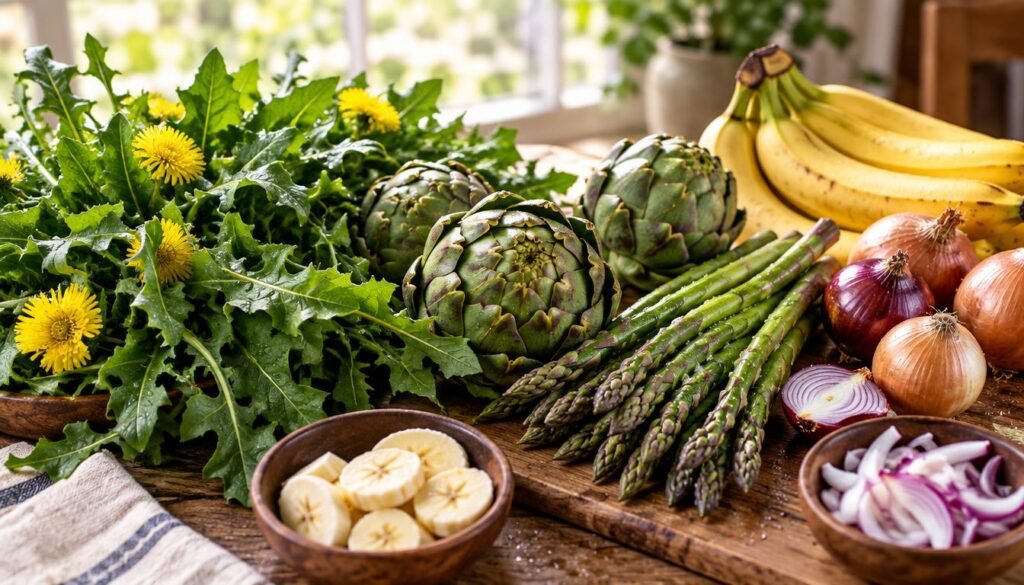
| Food | Key Compound | Gut Benefit |
|---|---|---|
| Garlic & Leeks | Inulin fiber | Feeds beneficial bacteria strains |
| Oats | Beta-glucan | Supports steady digestion |
| Apples (skin on) | Pectin | Boosts microbial diversity |
| Beans | Resistant starch | Feeds colon bacteria long-term |
I pair these foods with favorite fermented foods in a practice called synbiotic eating. This combination gives gut bacteria both the seed and soil needed to thrive.
A kimchi fried rice bowl with extra leeks or yogurt topped with chia seeds works well. This small habit makes my digestion feel more balanced each day.
Conclusion
I did not overhaul my entire kitchen to feel better. I added gut healing foods and recipes for digestion to meals I already loved, one swap at a time. That is all this journey takes.
If you wonder how much fiber is enough, start low and increase it slowly. Drink plenty of water along the way. Your gut will thank you for a gentle approach, not a sudden flood of beans and veggies.
Some digestive hiccups come from medications, stress, or just life. If bloating, pain, or irregular bowel habits last more than a couple weeks, contact your doctor. Also, seek help if you notice unexplained weight loss instead of guessing.
Most people notice small shifts within a week or two after eating more fermented and fiber-rich foods. Pick one or two recipes from this list and give them a real try. Notice how your body responds before adding more.
Healing your gut isn’t a race. It’s a collection of small, kind choices you make for yourself, meal by meal, day by day. I’m cheering you on for every single one of them.